How Is the Used Car Market Right Now? 2026 Price and Trend Guide
Right now, the used car market is stabilizing rather than surging or crashing. Prices are down roughly 6% from a year ago to a national average near $25,600, but inventory is still tight and tariffs are keeping some segments expensive.
That’s a real shift from the shortage years of 2021-2023, but it’s not the buyer’s market some people expect. Wholesale used-vehicle values (tracked by the Manheim Used Vehicle Value Index) were still about 2% higher in June 2026 than a year earlier, and dealers are carrying only about 46 days’ worth of used inventory — well below the 60+ days that’s typical of a relaxed, well-stocked market.
This guide covers what’s actually driving prices and supply in 2026 — tariffs, off-lease supply, and financing costs — plus current loan rates, how electric vehicles are trending differently than gas cars, and whether it makes more sense to buy, sell, or wait right now.
Quick Answer
The used car market in 2026 is cooling from its post-pandemic highs but still favors sellers over buyers. The national average price is about $25,600 (down ~6% year-over-year), used inventory sits around 46 days’ supply, and tariffs on imported vehicles and parts are adding $1,600–$8,900 to some vehicle prices. It’s a better market than 2022, but not yet a true buyer’s market.
Is the Used Car Market Good or Bad Right Now?
It depends on which side of the deal you’re on. For sellers and trade-in customers, 2026 is a solid year — used values are still running above 2025 levels industry-wide. For buyers, it’s better than the shortage-driven peak of 2021-2022, but prices haven’t fallen as far as many people expected. The Manheim Used Vehicle Value Index (the industry’s main wholesale price benchmark) hit 212.9 in June 2026, up 2.1% from a year earlier, before easing slightly to 211.5 in mid-July as the spring selling season wound down.
Cox Automotive, which publishes the index, expects it to finish 2026 roughly 2% above where it ended 2025 — a normal, modest increase rather than another price spike or a crash. In plain terms: the market has settled into a more typical rhythm, but “typical” in 2026 still means higher prices and less room to negotiate than buyers saw before 2020.
CHECK BEFORE YOU BUY
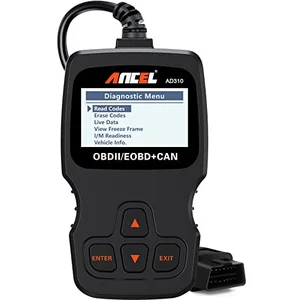 |
ANCEL AD310 OBD II Scanner – $29.99 With inventory this tight, sellers have less incentive to disclose problems — this scanner reads and clears check-engine codes in seconds so you can verify a used car’s condition before you commit to 2026 prices.
|
Current Used Car Prices in 2026
The national average used car price is running around $25,600, with a median price closer to $17,990 once you account for older, higher-mileage vehicles pulling the average down less than you’d expect. Late-model used cars are the tightest segment: three-year-old used vehicles averaged $31,548 in Q1 2026, near record territory, because that’s exactly the age bracket squeezed by fewer new-car leases ending during the shortage years.
Prices did ease compared to last year — roughly a 6.1% decline from 2025 to 2026 — but they’ve stayed nearly flat since mid-year, and Edmunds notes that steeper depreciation on some models and growing off-lease inventory are offering buyers modest relief rather than a dramatic price drop.
| Metric | 2026 Figure | Trend vs. Prior Year |
|---|---|---|
| National average used car price | ~$25,600 | Down ~6% |
| Median used car price | ~$17,990 | Down |
| Average price, 3-year-old used vehicle | ~$31,548 (Q1 2026) | Near record high |
| Manheim Used Vehicle Value Index | 212.9 (June 2026) | Up 2.1% |
| Used inventory days’ supply | ~46 days (July 2026) | Up 1 day |
SUVs and trucks continue to hold value best, since demand for them has stayed strong even as overall used-vehicle demand cooled slightly. Used electric vehicles and off-lease models are the softer spots — more supply is hitting the market there, which is starting to put real downward pressure on prices in those specific segments.
Why Are Used Car Prices Where They Are?
Three forces are shaping 2026 pricing more than anything else: tariffs, off-lease supply, and the affordability squeeze pushing new-car shoppers into the used market.
- Tariffs on imported vehicles and materials. Imported new vehicles have seen the largest cost increases — an estimated $5,000 to $8,900 per vehicle — and tariffs on imported steel and aluminum have pushed domestic vehicle costs up an additional $1,600 to $2,000. When new cars get more expensive, more buyers shift to used, and that extra demand keeps used prices firmer than they’d otherwise be.
- Rising off-lease supply. Off-lease volume is projected to grow about 25.7% in 2026 — roughly half a million more vehicles returning to the market than last year. That’s the main reason for the mild relief buyers are starting to see, especially on 2-3 year old models coming off lease in larger numbers.
- Affordability pressure. With new-vehicle prices elevated by tariffs, a growing share of shoppers who’d normally buy new are shopping used instead, which keeps demand — and prices — higher than pure supply-and-demand for used cars alone would suggest.
Used Car Inventory: How Tight Is Supply?
Inventory tightened sharply earlier in 2026, with days’ supply of used vehicles dropping to just 37 days in March — a record low, driven by a strong spring selling season and shrinking wholesale volume. Supply has loosened a bit since then: by July, used-vehicle days’ supply was back up to around 46 days, roughly flat with June and only one day higher than the same point last year.
For context, dealers generally consider 45-60 days’ supply a healthy, balanced range. At 46 days, the used car market is right at the low end of “normal” — tight enough that popular models still sell quickly, but no longer in the extreme, 25-30-day-supply shortage territory that defined 2021-2022.
Kelley Blue Book and other analysts expect a modest summer-to-fall softening as more trade-ins hit lots after the spring demand peak, but the ongoing shift of new-car buyers into the used market is expected to keep that dip shallow rather than turning into a real inventory glut.
Used Car Financing: Current Interest Rates
Financing costs matter as much as the sticker price. According to Experian’s State of the Automotive Finance Market report, the average interest rate on a used car loan was 11.43% in Q1 2026 — down from 12.36% in Q1 2024, but still historically high. Your actual rate depends heavily on credit score, and the spread between the best and worst tiers is enormous.
| Credit Tier | Score Range | Typical Used Car APR |
|---|---|---|
| Superprime | 781–850 | 5.0%–7.0% |
| Prime | 661–780 | 7.0%–9.5% |
| Near-prime | 601–660 | 10.0%–14.5% |
| Subprime | 501–600 | 14.5%–19.5% |
That gap is the single biggest lever most buyers have. Moving from a near-prime rate into the prime tier can easily cut a used car loan’s total interest by thousands of dollars over the loan term. Before you shop for a car in this market, it’s worth checking your credit score and getting pre-approved through a bank or credit union — dealer financing is convenient, but it isn’t always the cheapest option, especially for buyers outside the superprime tier.
Electric vs. Gas Used Vehicles: Which Holds Value Better?
Used electric vehicles are moving in the opposite direction from the rest of the market. Manheim’s Electric Vehicle Index was up 11.9% year-over-year and 3.5% month-over-month as of the most recent reading, while the Non-EV Index was up a much smaller 3% year-over-year and essentially flat month-over-month.
That’s a notable reversal from a few years ago, when used EV values were falling faster than gas vehicles as new-EV price cuts and fast-changing battery technology made older models less desirable. Slower new-EV price growth, steadier demand, and lower depreciation on recent-generation batteries have all helped stabilize used EV pricing. Gas and hybrid vehicles, especially SUVs and trucks, are still the safer bet for value retention overall — but the days of used EVs being the market’s biggest bargain-bin category appear to be fading.
Is Now a Good Time to Buy or Sell a Used Car?
If you’re selling or trading in, 2026 is a favorable year. Values are still elevated versus historical norms, and dealers are actively competing for trade-in inventory to keep their lots stocked at only 46 days’ supply. If you’re on the fence about selling a car that still has a loan on it, a stronger market value makes it more likely you have equity instead of owing more than the car is worth — check your payoff amount against current comparable listings before you decide.
If you’re buying, the picture is mixed. Prices are down from last year’s peak and off-lease supply is growing, which both favor waiting a bit longer if you can. But tariffs are adding real cost pressure that isn’t likely to disappear soon, and popular SUV and truck segments remain tight. A car’s actual cash value depends heavily on current demand, so a model in high demand right now won’t necessarily get cheaper just because the broader market average is easing.
The practical answer for most buyers: don’t wait for a crash that isn’t coming, but don’t rush into an overpriced deal either. Compare a few listings against the Manheim and Edmunds benchmarks above, get financing pre-approved so you know your real rate, and have any used vehicle inspected before you buy — especially in a market where sellers have less incentive to negotiate.
What to Expect for the Rest of 2026
Cox Automotive’s baseline forecast has the Manheim Used Vehicle Value Index finishing 2026 about 2% above where it ended 2025 — a normal, single-digit move rather than another sharp swing in either direction. Expect used inventory to stay in the mid-to-high 40s for days’ supply through the rest of the year, with a modest seasonal loosening in late summer and fall as more trade-ins arrive, offset by tariff-driven demand pushing new-car shoppers toward used lots.
Watch three things if you’re timing a purchase or sale: the monthly Manheim index (a leading wholesale indicator that shows up in retail prices a few weeks later), used inventory days’ supply reports, and any changes to auto tariff policy, since that’s the single biggest wildcard for both new and used pricing right now.
Frequently Asked Questions
Is There Still a Shortage of Used Cars in 2026?
Not the way there was in 2021-2022. Used inventory has recovered substantially, with days’ supply running around 46 days in mid-2026 versus the extreme lows seen a few years ago. Supply is tighter than a fully relaxed market would be, but it’s no longer a true shortage.
What Is Affecting Used Car Prices Right Now?
The biggest factors in 2026 are tariffs on imported vehicles and materials (adding $1,600 to $8,900 per vehicle depending on origin), rising off-lease supply easing some segments, and new-car affordability pushing more buyers into the used market than usual.
Is It a Good Time to Buy a Used Car?
It’s a better time than the 2021-2022 peak, but not a clear buyer’s market. Prices are down modestly year-over-year and inventory has improved, though tariffs and strong demand for SUVs and trucks are keeping certain segments expensive. Compare current listings to benchmark indexes and get financing pre-approved before you shop.
What Is the Average Used Car Loan Interest Rate in 2026?
The average used car loan rate was 11.43% in Q1 2026, according to Experian. Rates range widely by credit tier, from roughly 5.0%–7.0% for superprime borrowers up to 14.5%–19.5% for subprime borrowers.
Are Used Electric Vehicle Prices Rising or Falling?
Rising, and faster than gas vehicles right now. Manheim’s Electric Vehicle Index was up 11.9% year-over-year, compared to 3% for non-EVs, as slower new-EV price cuts and steadier battery reliability data have helped used EV values stabilize.
Will Used Car Prices Drop More Later in 2026?
Analysts expect prices to stay roughly stable to slightly higher for the rest of 2026, not drop sharply. Cox Automotive projects the Manheim index will end the year about 2% above 2025 levels, with only a mild seasonal softening expected in late summer and fall.
Conclusion
The used car market right now is more balanced than it was during the pandemic-era shortage, but it hasn’t fully normalized either. Prices are down modestly, inventory has improved to around 46 days’ supply, and used EVs are gaining value faster than gas vehicles for the first time in years — while tariffs keep a floor under prices that a simple supply-and-demand read wouldn’t predict on its own.
Whether you’re buying or selling, the smartest move is the same: check current benchmark pricing, know your real financing rate before you negotiate, and get any used vehicle inspected. Markets like this reward buyers and sellers who do their homework, not the ones who assume last year’s price is still today’s price.
Products related to this article
Sponsored / affiliate links. As an Amazon Associate I earn from qualifying purchases. I may earn additional commission from eligible campaigns.