Does Insurance Cover A Loaner Car? Here’S The Truth
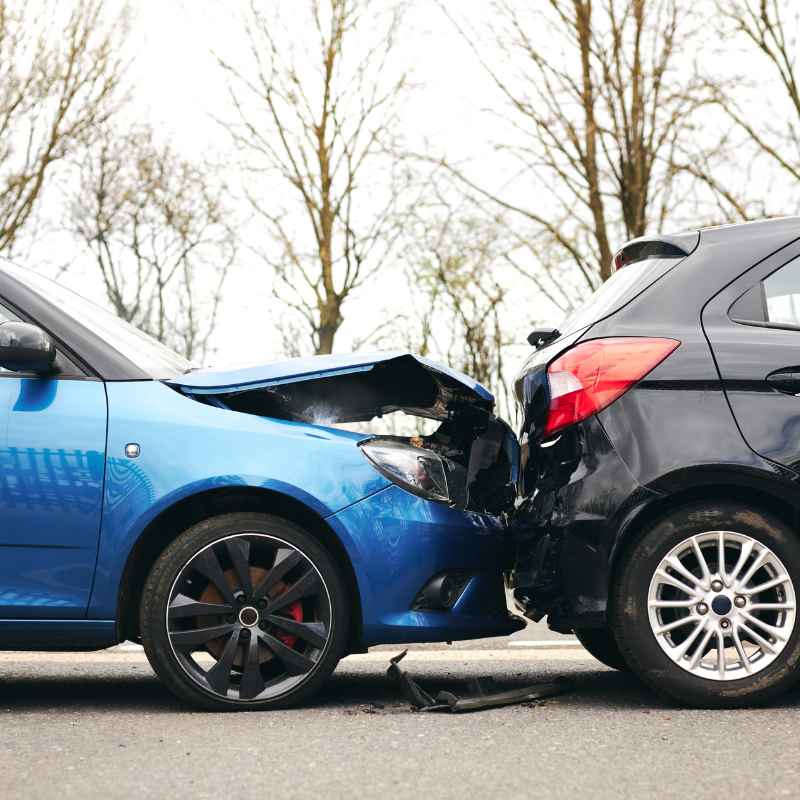
It’s a common worry. Your car needs fixing. You can’t get to work.
You can’t take kids to school. What do you do? Many people wonder if their car insurance will pay for a rental car.
This article will explain it all. You’ll learn about loaner cars. You’ll find out when your insurance helps.
We’ll cover what to look for. We want to make this clear and easy.
Car insurance usually doesn’t cover a loaner car for free. You need specific coverage called rental reimbursement. Without it, you pay for the rental yourself. This coverage helps pay for a rental car if yours is in the shop after an accident or covered damage.
Understanding Loaner Cars and Insurance
When your car is in the shop, life stops. You need a way to get around. That’s where a loaner car comes in.
A loaner car is a car you can use while yours is being repaired. It’s like a temporary replacement. This sounds great, but who pays for it?
That’s the big question.
Most people think insurance always covers this. They assume if their car is damaged, the insurance company will just give them a rental. This isn’t always true.
Your basic car insurance policy has a few main parts. These cover damage to your car (collision and comprehensive). They also cover damage you cause to others (liability).
They help with your own injuries (medical payments or PIP).
But, these main parts do not automatically include a rental car. Think of it like this: Your insurance pays to fix your car. It doesn’t pay for your inconvenience.
It doesn’t pay for you to keep living your life. For that, you need something extra.
Rental Reimbursement Coverage: The Key to a Loaner
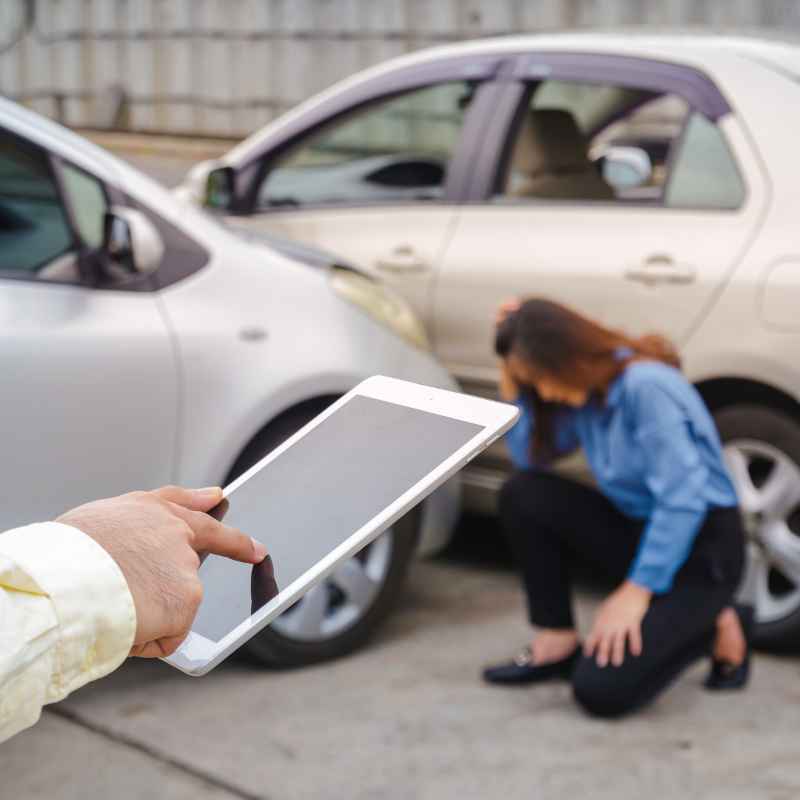
The specific coverage you need is called rental reimbursement. Sometimes it’s called “rental car coverage” or “transportation expense coverage.” This is an add-on. You have to choose it when you buy your policy.
It’s not a standard part of every plan.
If you have rental reimbursement, your insurance company will help pay for a rental car. This applies when your car is being fixed. The repairs must be for something your policy covers.
This usually means accidents, theft, or vandalism. It doesn’t typically cover routine maintenance. It also often doesn’t cover issues from wear and tear.
This coverage has limits. There’s usually a daily amount it will pay. For example, it might pay up to $30 or $50 per day.
There’s also a total limit for the entire repair. This could be $900 or $1,200. These limits are important.
They determine what kind of car you can rent and for how long.
Let’s say your policy covers $40 per day for rentals. If you need a rental for five days, that’s $200. If the daily rate for a suitable car is $50, you’ll pay the extra $10 each day.
You must understand these limits. They help you manage your expectations.
When Your Insurance Might Pay for a Loaner
There are specific situations where insurance does help with a rental. These depend on your policy details. Here’s a breakdown:
1. After a Covered Accident: If you’re in a crash and your car needs repairs. And if your collision coverage is active.
Your insurance will likely pay for a rental. This is common. The rental helps you get around while your car is being fixed.
The coverage amount per day and the total limit still apply.
2. If Your Car is Stolen: If your car is stolen. And if you have comprehensive coverage.
Your insurance should cover the cost of a rental. This helps you during the search. It continues even after your car is found.
It lasts until your car is repaired or declared a total loss.
3. Vandalism: If someone damages your car on purpose. This is vandalism.
If you have comprehensive coverage. Your insurance will help pay for repairs. It should also help with a rental car.
Again, your rental reimbursement limits are key.
4. Manufacturer or Dealer Loans: Sometimes, when you buy a new car. The dealer might offer a loaner car.
This is part of the sale or a special promotion. This isn’t usually an insurance issue. It’s a perk from the dealer.
5. Specific State Laws or Policy Types: In some rare cases, a state law might require some level of rental coverage. Or, a very premium policy might include it.
But for most drivers, it’s an optional add-on.
It’s vital to check your specific policy. Don’t assume you have this coverage. You might be surprised.
I remember a friend, Sarah, who had a fender bender. Her car was drivable but needed a new bumper. She called her insurance assuming a rental was covered.
She was shocked to learn she didn’t have rental reimbursement. She had to rent a car herself. It cost her more than she expected.
She learned a valuable lesson that day.
What “Rental Reimbursement” Typically Covers
Rental reimbursement coverage is meant to cover your transportation needs. It helps you maintain your daily life. This means getting to work.
It means taking kids to school. It means running essential errands. The goal is to bridge the gap while your car is out of commission.
Here’s what it usually includes:
- Daily Rental Limit: A set amount your insurance will pay each day. This might be $25, $40, $50, or more.
- Total Limit: A maximum dollar amount for the entire rental period. This prevents unlimited claims.
- Types of Vehicles: The coverage usually applies to a standard sedan or small SUV. It might not cover luxury cars or large vans. Check your policy for specifics.
- Rental Agency Choice: You can usually choose your rental agency. But some insurers might have preferred partners.
What it usually doesn’t cover:
- Fuel Costs: You’ll almost always pay for gas.
- Insurance from the Rental Company: Rental companies offer their own insurance. Your policy’s rental reimbursement doesn’t cover this.
- Tolls and Parking Fees: These are your responsibility.
- Rental for Non-Covered Repairs: If your car is in the shop for something like a new battery or tire change due to wear, rental reimbursement likely won’t apply.
It’s important to note that coverage can vary greatly. Some policies might have different names for this benefit. Some might have higher limits than others.
Always read the fine print. Your insurance agent can explain your specific coverage. They can clarify what’s included and what’s not.
Rental Reimbursement vs. Rental Company Insurance
What’s the Difference?
Rental Reimbursement (Your Insurance): This is a coverage on your auto insurance policy. It helps pay for a rental car when yours is being repaired after a covered event. It has daily and total limits.
Rental Company Insurance: This is an optional insurance product offered by the rental car company at the counter. It covers damage to the rental car itself. It can be expensive.
Your own policy might already cover this. You might not need it.
The Cost of Rental Reimbursement
Adding rental reimbursement to your policy is usually quite affordable. It’s often one of the cheapest add-ons. For many drivers, it costs only a few dollars extra per month.
Sometimes it’s less than the cost of a cup of coffee.
Think about the peace of mind it provides. If your car is suddenly out of commission, you won’t face a huge unexpected bill for a rental. The small monthly cost can save you a lot of money and stress if you ever need it.
The exact cost depends on several factors:
- Your insurance company
- Your location
- Your driving record
- The limits you choose for the coverage
When you get a quote for car insurance, ask about rental reimbursement. Make sure to get the cost for different limit options. This will help you choose what’s best for your budget and needs.
I once had a customer, Mark, who was very budget-conscious. He said he didn’t need rental reimbursement. He figured he’d just borrow a car from a friend if needed.
A few months later, his car was hit by a driver who ran a red light. His car was undrivable for two weeks. His friend went out of town.
Mark ended up paying over $700 for a rental car out of his own pocket. He told me later he wished he’d spent the $5 a month for the coverage. It would have saved him so much hassle and money.
Quick Scan: Is Rental Reimbursement Worth It?
| Benefit | Cost (Monthly Est.) | Potential Savings |
| Peace of mind, continued mobility | $3 – $10 | $300 – $1,000+ (depending on repair time) |
For most, the small cost is well worth the safety net.
What to Do If You Don’t Have Rental Reimbursement
If you discover you don’t have rental reimbursement coverage, don’t panic. There are still options. However, you will be paying out of pocket for the rental.
This is where planning ahead can help.
Here’s what you can do:
- Ask Your Insurance Company: If you’re in an accident and need a rental, call your insurer. Even without rental reimbursement, they might have a direct billing agreement with a specific rental agency. This means they might arrange the rental. You would still pay the bill, but they might get you a better rate.
- Shop Around for Rental Deals: Look for discounts. Many rental companies offer discounts for AAA members, military personnel, or through certain employers.
- Consider Public Transportation or Rideshares: If the repair time is short, these might be more cost-effective.
- Borrow from Friends or Family: This is often the cheapest option, if available.
- Check Your Credit Card Benefits: Some credit cards offer rental car insurance as a perk. This might cover damage to the rental car, but usually not the daily rental cost itself. It’s worth checking your cardholder agreement.
When my neighbor, David, had his car in the shop for engine work, he didn’t have rental reimbursement. The repairs took over a week. He had to rent a car.
He found a decent deal through a discount code he found online. It still cost him about $400 for the week. He said it was a lesson learned.
He added rental reimbursement to his policy right after.
Myth vs. Reality: Loaner Cars
Myth: My insurance always covers a loaner car.
Reality: Only if you have specific “rental reimbursement” coverage on your policy.
Myth: The dealership always provides a free loaner.
Reality: Only for specific service promotions or new car purchases, not standard repairs.
Myth: If my car is totaled, insurance pays for a rental.
Reality: Your rental coverage typically ends once your car is declared a total loss and you receive your settlement.
When Does Insurance NOT Cover a Loaner Car?
It’s just as important to know when you’re not covered. This helps prevent surprises. Here are common scenarios where rental reimbursement typically doesn’t apply:
- Mechanical Breakdowns: If your engine blows, your transmission fails, or you have a flat tire due to wear and tear. These are mechanical issues. They aren’t usually covered by collision or comprehensive insurance. So, rental reimbursement won’t kick in.
- Routine Maintenance: If your car is in the shop for an oil change, brake pad replacement, or any other scheduled service. Insurance doesn’t cover these costs.
- Battery Replacement: A dead battery is usually a mechanical failure.
- Tire Replacement: If you need new tires because the old ones are worn out.
- Cosmetic Damage: Small scratches or dents that don’t affect the car’s safety or drivability might not be covered.
- Your Car is Not Drivable but Not Damaged: If your car is inoperable due to a recalled part but not due to an accident.
- When Your Car is Totaled: Once your car is declared a total loss, your rental coverage usually stops. You’ll get your settlement money to buy a new car.
- Not Having the Coverage: The most obvious reason is simply not having rental reimbursement on your policy.
It’s crucial to ask your insurance provider. What specific events trigger rental reimbursement? What events do not?
Understanding these boundaries saves you from disappointment.
I had a situation where my car’s air conditioning stopped working. It was a hot summer day. I called my insurance to see if they’d cover a rental.
They explained that AC failure was a mechanical issue. It wasn’t covered by my policy. I had to pay for the repair and the rental car myself.
That was a tough lesson in understanding policy limits.
Situations: Covered vs. Not Covered
Covered Examples (with Rental Reimbursement):
- Car damaged in a collision (you or other at fault).
- Car stolen.
- Car damaged by falling debris (Comprehensive).
- Car damaged by hail (Comprehensive).
Not Covered Examples (even with Rental Reimbursement):
- Car needs new brakes due to wear.
- Engine oil change.
- Tires worn out.
- Battery dies.
- Cosmetic scratch that doesn’t affect function.
How to Get Rental Reimbursement Added to Your Policy
Adding rental reimbursement is usually simple. It’s a quick call to your insurance agent or company. You can often do it online as well.
Here’s how:
- Contact Your Insurance Agent: Call the agent who sold you your policy. Explain that you want to add rental reimbursement. Ask about the available daily and total limits. Inquire about the cost difference.
- Use Your Insurer’s App or Website: Many insurance companies allow you to manage your policy online. Look for an option to “add coverage” or “modify policy.” Select rental reimbursement and choose your desired limits.
- Review Your Policy Documents: Read your current policy. It will state if you already have this coverage. If not, it will show options for adding it.
When you add this coverage, pay attention to the limits. A $25 per day limit might not be enough in many areas. A $50 per day limit is often a good balance.
Also, check the total limit. Ensure it’s enough to cover at least a week or two of rental costs.
It’s also wise to ask about any restrictions. Does it cover only certain types of vehicles? Are there specific rental companies you must use?
Getting these details upfront prevents confusion later.
I had a client, Maria, who thought she had good coverage. When she needed a rental after an accident, she found out her daily limit was only $15. This was years ago, and rates were lower then.
But even then, $15 a day wasn’t enough. She had to pay the difference. She was frustrated.
She contacted me, and we adjusted her policy. We increased her rental reimbursement to a more realistic $40 per day. It only added a few dollars to her premium.
Understanding Your Policy’s Limits and Deductibles
When you have rental reimbursement, two things are very important: your limits and your deductible. These two factors affect how much you pay and how much your insurance pays.
Limits: As we’ve discussed, your policy will have a daily limit and a total limit for rental reimbursement. For example, $40 per day up to $1,200 total. If a rental car costs $55 per day, you pay the extra $15 each day.
If your car is in the shop for 30 days, and the total cost exceeds $1,200, you pay the amount over that limit.
Deductible: This is a bit tricky with rental reimbursement. Generally, rental reimbursement coverage does NOT have its own deductible. However, the reason you need the rental car usually involves a claim under collision or comprehensive coverage.
These coverages do have deductibles. For instance, if you have a $500 collision deductible, and your car repair costs $2,000, you pay the first $500. Your insurance pays the rest.
The rental reimbursement coverage kicks in after your car is deemed repairable under a covered claim. The deductible is for the repair of your car, not for the rental itself.
Some people get confused and think they have a deductible for the rental. This is not usually the case. The costs of the rental are separate from the deductible applied to your car’s repair bill.
Let’s say you have a $500 collision deductible. Your car needs $3,000 in repairs after an accident. You pay $500.
Your insurance pays $2,500 for the repairs. If you also have rental reimbursement, it helps pay for your rental car during those repairs. This rental coverage is paid on top of the repair cost.
It doesn’t usually have its own deductible.
Stacking Coverages: A Real-Life Example
Scenario: Your car is in a collision and needs repairs.
Your Coverages:
- Collision: $500 Deductible
- Rental Reimbursement: $50/day, $1,500 total limit
Repair Cost: $4,000
Rental Duration: 10 days
Rental Car Cost: $60/day
What Happens:
- Collision Claim: You pay $500 (your deductible). Insurance pays $3,500 for repairs.
- Rental Reimbursement: Insurance pays $50 per day for 10 days ($500 total).
- Your Out-of-Pocket for Rental: You pay the extra $10 per day ($100 total) plus any amount over the total rental limit (none in this case).
Your total out-of-pocket for the car repair is $500. Your total out-of-pocket for the rental is $100.
What Happens If Your Car is Declared a Total Loss?
When your car is damaged badly. The cost to repair it is more than the car is worth. Your insurance company will declare it a “total loss.” This means they will pay you the actual cash value (ACV) of your car.
They will then take ownership of the damaged vehicle.
What happens to your rental car coverage then? Usually, your rental reimbursement coverage ends when your car is declared a total loss. The insurance company will stop paying for the rental car shortly after they inform you of the total loss decision.
They will pay you the settlement for your car. This money is meant to help you buy a replacement vehicle. They don’t typically continue to pay for a rental once the process of buying a new car has begun.
There might be a grace period. For example, they might cover the rental for a few days after the total loss declaration. This gives you time to finalize the paperwork and start looking for a new car.
You need to clarify this with your adjuster. Ask them exactly when your rental coverage stops.
This is an important detail. If your car is totaled, you’ll need to arrange for your own transportation once the insurance company stops covering the rental. The settlement money you receive should help with this.
But it’s wise to have a plan.
I spoke with a family who had their car totaled in a severe storm. The insurance company was quick to declare it a total loss. They continued to pay for their rental for about three days after the decision.
This gave them a little breathing room. But they had to scramble to find a new car within that time. They learned to ask about this specific timing when dealing with total loss claims.
Tips for Using Your Rental Reimbursement
When you need to use your rental reimbursement, follow these tips:
- Act Fast: As soon as you know your car will be in the shop for more than a day or two, contact your insurance. Get the rental process started.
- Understand Your Limits: Know your daily and total limits. This will guide your choice of rental car. Don’t rent a luxury SUV if your limit is $40 per day.
- Keep Receipts: Save all your rental car receipts. You’ll need them to submit for reimbursement.
- Ask About Direct Billing: Sometimes, your insurer can arrange for direct billing with a rental company. This means the insurer pays the rental company directly up to your limits. You only pay the difference.
- Compare Rental Agencies: If you have choices, compare prices. Even with your coverage, saving money on the rental itself is smart.
- Check Your Credit Card Benefits: As mentioned, your credit card might offer secondary rental car insurance. This covers damage to the rental car. It might be useful if your policy doesn’t cover it or if you want extra protection.
- Read the Rental Agreement Carefully: Understand all the terms and conditions of the rental agreement. Pay attention to mileage limits, fuel policies, and restrictions on who can drive the car.
- Document Any Issues: If the rental car has any pre-existing damage, make sure it’s noted on the agreement before you drive off. Take pictures.
Following these tips can make the process smoother. It helps you get the most out of your rental reimbursement coverage. It also ensures you don’t face unexpected costs.
Your Rental Checklist
Before you head to the rental counter:
- Call your insurer: Confirm coverage and get a claim number.
- Know your limits: Daily and total amounts.
- Understand your deductible: For the car repair, not the rental.
- Choose a car within your limits: Or be prepared to pay the difference.
- Bring your driver’s license and insurance card.
- Ask about direct billing.
- Review the rental agreement thoroughly.

Frequently Asked Questions About Loaner Cars and Insurance
Does my auto insurance automatically give me a loaner car?
No, not usually. Most standard auto insurance policies do not include a loaner car. You need to add a specific coverage called “rental reimbursement” or “transportation expenses” to your policy.
What is rental reimbursement coverage?
Rental reimbursement coverage is an optional add-on to your auto insurance policy. It helps pay for a rental car. This applies when your own vehicle is being repaired due to a covered loss like an accident or theft.
How much does rental reimbursement cost?
It’s usually very affordable, often only costing a few dollars per month. The exact price varies by insurance company, your location, and the coverage limits you choose.
What if my car needs repairs for a mechanical issue?
Rental reimbursement coverage typically does NOT cover mechanical breakdowns, routine maintenance, or wear-and-tear issues like needing new brakes or tires. It’s for damage from accidents, theft, or vandalism.
Does my deductible apply to rental reimbursement?
Generally, rental reimbursement coverage itself does not have a deductible. However, the claim that leads to the rental (like collision or comprehensive) will have a deductible applied to your car’s repair costs.
What if my car is totaled? Does insurance still pay for a rental?
Rental reimbursement coverage usually stops once your car is declared a total loss. Your insurance company will pay you the car’s value. They typically don’t cover a rental car after that point, though there might be a short grace period.
Final Thoughts on Getting a Loaner Car
Figuring out loaner car coverage can seem confusing. The key takeaway is this: don’t assume it’s included. You need to actively choose and pay for rental reimbursement coverage.
It’s a small cost that offers significant peace of mind.
Always check your policy documents. Talk to your insurance agent. Understand your limits and what events are covered.
This knowledge will save you stress and money if you ever find yourself without your car. Life happens, and being prepared makes a big difference.
Products related to this article
Sponsored / affiliate links. As an Amazon Associate I earn from qualifying purchases. I may earn additional commission from eligible campaigns.