Can You Trade In a Damaged Car? Value, Titles and Tax Tips
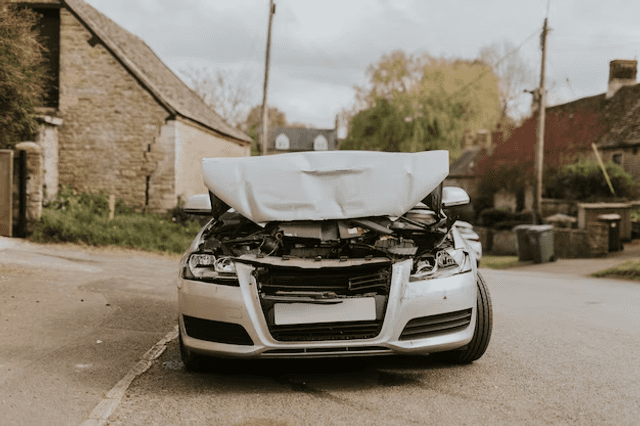
Yes, you can trade in a damaged car. Most dealerships will still take it, but the offer is usually 10–25% lower than a clean-condition trade-in, and a salvage or rebuilt title can change your options entirely.
Dealers see damaged trade-ins constantly. They factor repair costs into the offer, then either fix the car for their used-car lot or send it to auction. That means you can still roll a damaged vehicle into your next purchase without fixing it yourself — you just need to know what actually moves the number, and what doesn’t.
This guide covers how dealers value damage, when a branded title (salvage, rebuilt, or flood) changes the math completely, what’s worth fixing before you go in, and whether you still get a sales tax credit on a damaged trade-in.
Can You Trade In a Car With Damage? What Dealers Actually Look At
Yes — cosmetic damage like scratches, small dents, cracked bumpers, or worn interiors almost never stops a dealer from taking a trade-in. What changes is the number they offer. Dealers separate damage into three rough buckets:
- Cosmetic damage — scratches, dents, faded paint, torn upholstery. This lowers the offer but rarely disqualifies the car.
- Mechanical damage — a bad transmission, blown engine, or major electrical fault. Dealers subtract the repair estimate, which can cut the offer sharply.
- Structural or frame damage — bent unibody, frame damage, or airbag deployment. This is where offers get low or a dealer declines outright, because it affects resale and financing.
The title status matters just as much as the physical damage — sometimes more. That’s covered next.
Cheap Fix Before You Trade It In
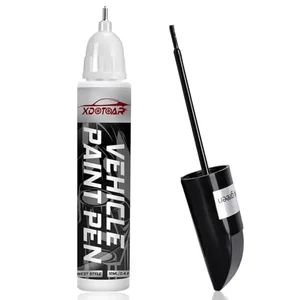 |
Black Touch-Up Paint for Cars – $9.99 Small paint scratches are one of the cheapest, fastest things you can fix before an appraisal — a $10 pen can hide a scuff that might otherwise cost you money off the offer.
|
Salvage, Rebuilt, or Flood Titles Change the Math
If your car has been declared a total loss by an insurer, it likely carries a salvage title (or a rebuilt title once it’s repaired and re-inspected). This is a separate issue from cosmetic damage, and it’s the single biggest factor most guides skip.
Most franchised, brand-name dealers (Ford, Toyota, Honda, and similar) will only take a salvage-title car for scrap value or as a straight donation. The reason is financing, not pickiness: most lenders won’t finance a salvage or rebuilt title, which shrinks the pool of buyers a dealer could resell to, and the salvage brand stays on the vehicle history report permanently.
Large used-car retailers are often more flexible. CarMax and Carvana have both been known to accept salvage-title or non-running vehicles, especially if the car is still repairable, though the offer will be well below what a clean-title trade-in would get. If your car doesn’t run at all, our guide on whether CarMax buys cars that don’t run breaks down what to expect from that specific route.
How Much Value Do You Lose From Damage?
There’s no single fixed percentage, but industry data gives a real range instead of vague reassurance. A 2024 CARFAX study on accident history found that cars with one or more reported accidents lose roughly 10–25% of their market value depending on severity, and dealers commonly offer 15–30% less on cars with an accident on record. The average retail-price impact was just under $500 for a typical accident, rising to around $2,100 for a vehicle with severe damage.
| Damage Severity | Typical Value Impact | Example |
|---|---|---|
| Minor cosmetic (small dents, scuffs) | Low, often a few hundred dollars | Curb rash on a wheel, a door ding |
| Moderate (panel damage, bumper, sensors) | 10–15% drop | Bumper replaced after a fender-bender |
| Major structural or airbag damage | Up to 25–30% loss | Frame damage from a collision |
| Salvage / rebuilt / flood title | Beyond a simple percentage — often accepted for scrap value only | Insurer declared the car a total loss |
Vehicle age matters too: an accident on the vehicle history report tends to hurt a car under about 100,000 miles and five years old the most. Once a car passes that point, buyers and dealers already expect wear, so an accident record has less relative impact. If you want to see how a dealer or insurer arrives at a number for your specific car, our guide on determining your car’s actual cash value walks through the process step by step.
Preparing Your Car for Trade-In
You don’t need to fully repair a damaged car before trading it in — dealers expect some issues. But a short list of cheap fixes can meaningfully change the number, because they’re the kind of thing an appraiser notices in the first thirty seconds.
Minor Repairs Worth Doing
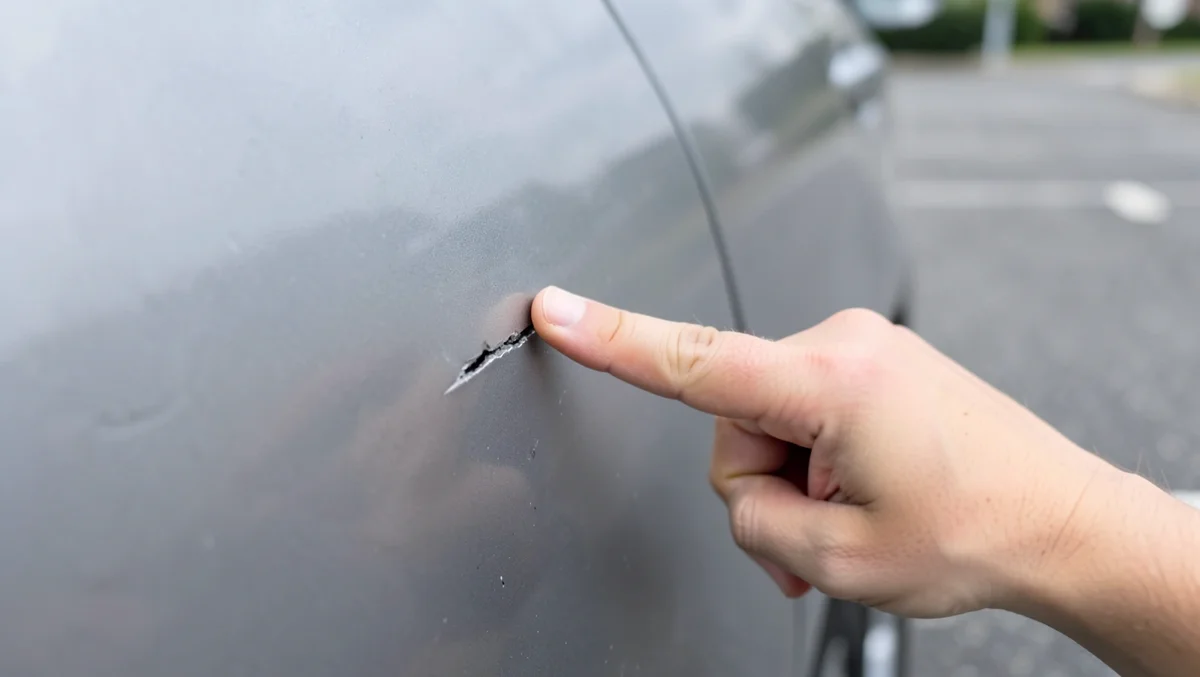
Fix what’s fast and inexpensive: small dents, cracked lights, and paint scratches. Make sure the tires have decent tread, top off fluid levels, and replace wiper blades if they’re shredded. None of this changes a mechanical or structural problem, but it removes the small stuff that makes an appraiser assume the car wasn’t maintained.
Cleaning and Presentation
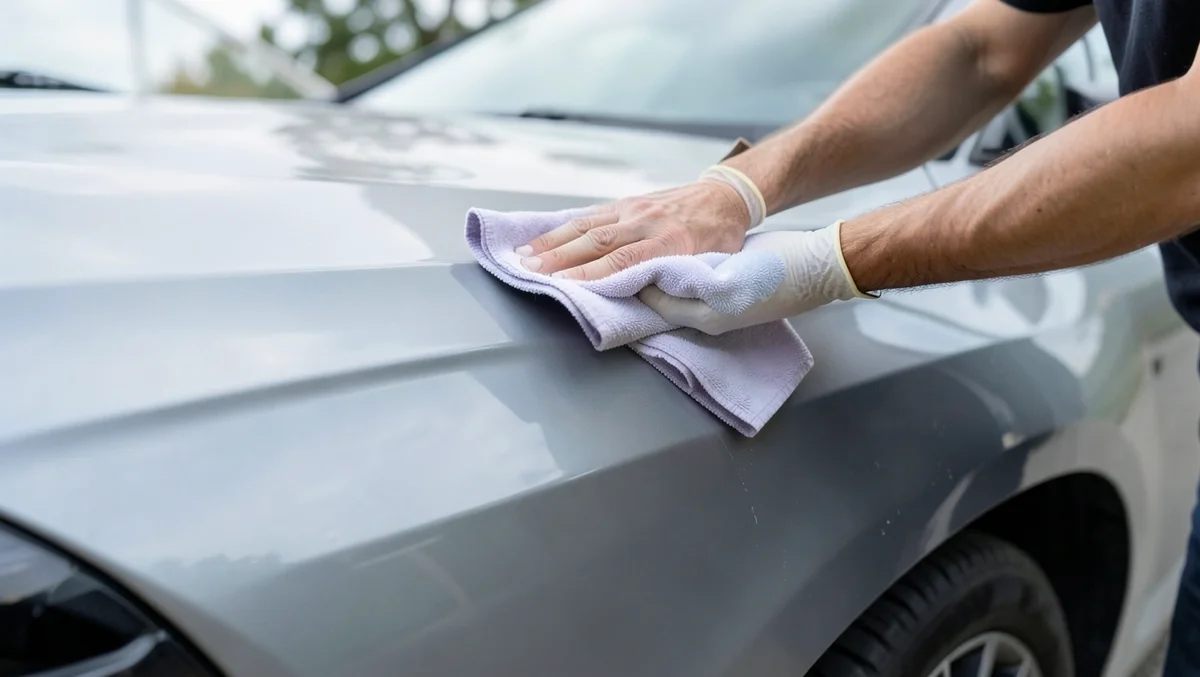
A clean car reads as a cared-for car, even with damage. Wash and vacuum it, wipe down the interior, and clear out trash and personal items. This costs nothing but time, and it’s one of the few things in this process that’s entirely in your control.
Do You Still Get a Sales Tax Credit on a Damaged Trade-In?
In most states, yes — and it’s one of the biggest financial upsides of trading in instead of selling privately, damaged or not. When you trade a car in at the same dealership where you buy your next one, most states only tax the difference between the new car’s price and your trade-in value, not the full purchase price. A damaged trade-in still qualifies; the credit is just calculated off a lower trade-in number.
Two conditions matter: the trade-in has to happen at the same dealership as the purchase (a private sale doesn’t get this treatment), and five states — Alaska, Delaware, Montana, New Hampshire, and Oregon — don’t charge sales tax on vehicles at all, so the credit is a non-issue there. A few other states cap how much of the tax benefit you can claim, so it’s worth checking your state’s specific rule before you assume the full trade-in value applies.
Negotiation Strategies
Your car has damage, but it also has good parts — point those out. A recently replaced transmission, new tires, or a clean interior can offset some of the damage in the appraiser’s eyes. Don’t lead with the damage; let the walk-around reveal it, then steer the conversation toward what’s solid.
Get an independent number before you negotiate. Run your VIN through an online valuation tool that accounts for condition, and get a quote or two from competing dealers or a we-buy-cars service. Walking in with a real comparison number is the single most effective thing you can do — it turns the conversation from “what will you give me” into “here’s what it’s actually worth.”
One more thing worth knowing: dealers almost always pull a vehicle history report (like CARFAX or AutoCheck) from your VIN before they finalize a number, so a prior accident on record is usually visible to them whether you mention it or not. Being upfront about damage doesn’t cost you anything you were going to lose anyway, and it avoids a renegotiated, lower offer after the dealer runs the report themselves.
Trading In vs. Selling Privately vs. Selling for Parts
Trading in isn’t always the best move for every damaged car — it’s the most convenient one. Here’s how the main options compare:
| Option | Typical Payout | Effort Required |
|---|---|---|
| Dealer trade-in | Lowest of the three, but simplest, and may reduce sales tax on your next car | Minimal — the dealer handles everything |
| Private sale | Usually the highest payout | High — ads, meeting buyers, negotiating, paperwork |
| Junkyard / parts buyer | Can beat a low trade-in offer if specific parts are valuable | Low — a few calls, but no sales tax benefit |
If a dealer won’t take your car at all, or the offer is too low to bother with, junkyards and salvage buyers often pay for parts value rather than the whole car — sometimes more than a trade-in offer on a heavily damaged vehicle. Some charities also accept damaged cars and may provide a tax deduction. And if the issue is that the car simply won’t run rather than cosmetic damage, our guide on how to sell a car that doesn’t run covers that specific situation in more depth.
Legal and Documentation Requirements
A title transfer is required for any trade-in, damaged or not. Both you and the dealer need a clean, lien-free title to complete the transaction — if there’s a loan balance on the car, you’ll need to pay it off or roll it into the new deal, and the dealer will walk you through that.
Disclose known damage, especially anything mechanical or structural. It’s the honest thing to do, and in most states it’s also legally required for a private sale (trade-ins are generally exempt from formal disclosure statutes since the dealer inspects the car directly, but transparency still avoids a renegotiated offer later).
Frequently Asked Questions
Can You Trade In a Car That Has Damage?
Yes. Dealers regularly accept damaged cars as trade-ins and factor the cost of repairs into the offer. Cosmetic damage rarely disqualifies a car; major structural damage or a salvage title limits your options more than the offer amount.
Is It Better to Repair a Car Before Trading It In?
For small, cheap fixes — a scratch, a burnt-out light, worn wiper blades — yes, since they cost little and remove reasons for the appraiser to knock down the price. For major mechanical or structural repairs, it’s rarely worth paying for the fix yourself; the repair cost usually exceeds the value it adds to the trade-in offer.
Does a Salvage or Rebuilt Title Change Whether a Dealer Will Take It?
Yes, significantly. Most franchised dealers will only accept a salvage-title car for scrap value because most lenders won’t finance a salvage or rebuilt title, which limits resale. Large retailers like CarMax and Carvana are sometimes more willing to take salvage-title or non-running vehicles, but at a lower price than a clean-title trade-in.
How Much Less Is a Damaged Car Worth on Trade-In?
It depends on severity. A 2024 CARFAX study found accident-reported vehicles lose roughly 10–25% of market value, and dealers commonly offer 15–30% less for cars with an accident on record — typically a few hundred dollars for minor damage, up to around $2,100 for severe damage.
Do You Still Get a Sales Tax Credit if You Trade In a Damaged Car?
In most states, yes, as long as you trade in and buy at the same dealership. The state only taxes the difference between the new car’s price and your trade-in value, even if that trade-in value is lower because of damage. Five states, Alaska, Delaware, Montana, New Hampshire, and Oregon, don’t charge vehicle sales tax at all, so this doesn’t apply there.
What Condition Does Your Car Need to Be in to Trade It In?
There’s no minimum condition requirement at most dealerships — they’ll appraise almost any car and adjust the offer for its condition. A clean title, working essentials, and honest disclosure of known issues help you get a fair number, but the car doesn’t need to be in good working condition to trade it in.
How Can You Get the Most Money for a Car a Dealer Won’t Take?
Get quotes from more than one source: a couple of dealers, an online instant-offer service, and a junkyard or parts buyer if the car has valuable components. Selling individual parts before scrapping the rest can sometimes net more than a single low trade-in offer, though it takes more time and effort.
Conclusion
Trading in a damaged car is almost always possible, and for cosmetic or moderate damage, it’s a genuinely convenient option — you skip the ads, the strangers, and the negotiation hassle of a private sale, and in most states you still get a sales tax credit on your next purchase. The one thing that changes the equation entirely is a salvage or rebuilt title, which pushes many franchised dealers out of the picture and points you toward CarMax, Carvana, or a parts buyer instead.
Before you go in, get an independent valuation, handle the cheap cosmetic fixes, and get a second quote if the first offer feels low. A little preparation won’t erase real damage, but it puts you in a much stronger position to negotiate a fair number.
Products related to this article
Sponsored / affiliate links. As an Amazon Associate I earn from qualifying purchases. I may earn additional commission from eligible campaigns.