Which Car Is Doc Hudson From Cars? Full Character Reveal
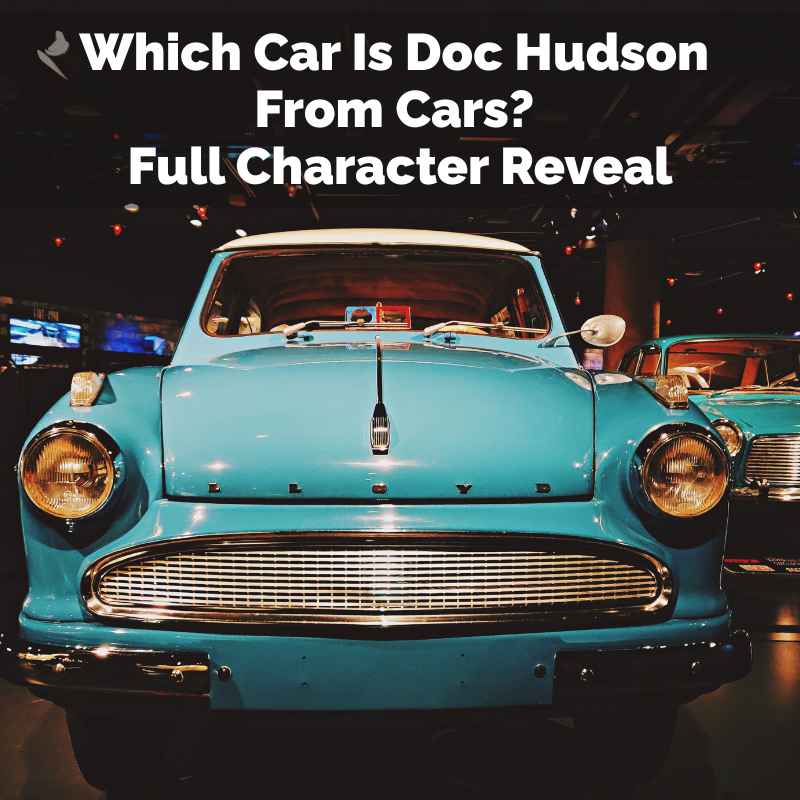
Doc Hudson is based on a 1951 Hudson Hornet. This classic American car is known for its sleek design and powerful performance, embodying the kind of grace and history that made Doc such a memorable figure in the movie.
Who Is Doc Hudson?
Doc Hudson is a central character in the Disney-Pixar film Cars. He starts as the town doctor and judge of Radiator Springs. But he has a secret past.
He was once a famous race car known as the Fabulous Hudson Hornet.
His racing career ended suddenly. He then moved to Radiator Springs to live a quiet life. Doc is often seen driving his signature blue car.
He is a mentor to Lightning McQueen. He teaches him important lessons about friendship and life.
The Real Car: The 1951 Hudson Hornet
The 1951 Hudson Hornet is the exact car that inspired Doc Hudson. This car was a real legend in its time. It was made by the Hudson Motor Car Company.
This company was around from 1909 to 1957.
The Hornet model was a big success for Hudson. It came out in 1950. It was known for its low-slung profile.
It also had a wide body. This gave it a very distinctive look. It was also a strong performer on the road.
A Design That Stands Out
The 1951 Hudson Hornet had a unique design. It was built with something called a “step-down” design. This means the floor of the car was lower than the frame.
It made the car feel very stable and secure.
This design made the Hornet very popular. It was also good for racing. The car looked smooth and powerful.
It had a long hood and a rounded body. The headlights were often large and round. The grille was wide and prominent.
Performance Powerhouse
Beyond its looks, the Hudson Hornet was built for speed. It was often equipped with a powerful inline-six engine. This engine was known for its smoothness and strength.
Later models even offered a V8 engine.
In its early years, the Hornet was a giant in stock car racing. It dominated the NASCAR circuit in the early 1950s. Drivers loved its handling and power.
This racing success is a big reason why the car was chosen for Doc Hudson’s past.
Doc Hudson’s Racing Past
In the Cars movie, Doc Hudson’s secret identity as “The Fabulous Hudson Hornet” is a major plot point. He was a celebrated NASCAR champion. He won many races and was a fan favorite.
His racing number was 51, a direct nod to the 1951 model year.
His career was cut short by a serious crash. This crash made him question his life in racing. He decided to leave the sport behind.
He sought peace and a slower pace of life. Radiator Springs became his sanctuary.
Why the Hornet Was Perfect for Doc
The choice of the Hudson Hornet for Doc Hudson was brilliant. The car itself has a history of being a champion. This mirrors Doc’s own past glory.
The car’s dignified yet powerful presence fits Doc’s wise and respected persona.
The “Fabulous” nickname also suits the car. It was a truly impressive automobile for its era. It represented a peak of American automotive design and engineering.
The movie creators wanted a car with gravitas. The Hornet delivered that perfectly.
Hudson Hornet: Quick Facts
Model Year: 1951
Manufacturer: Hudson Motor Car Company
Key Design Feature: “Step-down” unibody construction
Engine Options: Inline-six (standard), V8 (optional later)
Racing Success: Dominated NASCAR in early 1950s
Movie Role: Inspired Doc Hudson, the “Fabulous Hudson Hornet”
Real-Life Experiences with the Hudson Hornet
Many people who owned or worked on Hudson Hornets remember them fondly. They were more than just cars. They were symbols of American ingenuity and style.
The “step-down” design was a big selling point.
It gave drivers a lower center of gravity. This made the car handle much better than others. It felt glued to the road.
This was especially true for a car from the 1950s. People often talk about the smooth ride.
The inline-six engine was also a marvel. It was powerful for its size. It was also known for being reliable.
Owners would keep these cars for years. They were built to last. This robust build quality is something people admire.
Doc Hudson’s Design Evolution
Initial Concept: A classic American sedan with a racing pedigree.
Color Choice: Deep blue, reflecting his racing livery and mature status.
Facial Features: Expressive headlights and grille to convey wisdom and sternness.
Body Shape: Smooth, flowing lines of the 1951 Hudson Hornet.
Sound Design: A deep, resonant engine sound fitting his authoritative voice.
The Hudson Motor Car Company’s Story
The Hudson Motor Car Company was a proud American automaker. It was based in Detroit, Michigan. It was one of the “Big Three” American car companies for a time.
Along with Ford and General Motors.
The company produced innovative cars. The Hudson Hornet was one of its most famous. However, the car industry changed a lot in the 1950s.
Smaller, more fuel-efficient cars became popular. Hudson struggled to keep up.
In 1954, Hudson merged with Nash-Kelvinator Corporation. This created American Motors Corporation (AMC). The Hudson brand continued for a few more years.
But it eventually faded away. The last Hudson car was made in 1957.
Even though the company is gone, its cars live on. The Hudson Hornet is a prime example. It’s remembered for its style and performance.
It’s a piece of automotive history that still captivates people.
Hudson Hornet vs. Other Cars of the Era
What Made It Different: The “step-down” design gave it superior handling and a lower profile compared to taller cars like the Chevrolet Bel Air or Ford Fairlane.
Engine Power: Its straight-six engine was known for being robust and capable, matching or exceeding many competitors.
Racing Prowess: Its dominance in NASCAR set it apart from many other family sedans of the time.
Styling: The wide, low stance offered a more modern and sporty look than some of its rivals.
The “Fabulous Hudson Hornet” Legacy
The nickname “The Fabulous Hudson Hornet” wasn’t just for show. It was earned through hard work and talent. In the early 1950s, the Hornet dominated the racing scene.
Herb Thomas, Marshall Teague, and Dick Rathmann were some of the drivers who piloted these cars to victory. They won over 30 NASCAR races in 1952 alone. The car was a true racing machine.
It was built to win.
This racing legacy is what the filmmakers wanted to capture. They wanted Doc Hudson to be someone with a celebrated past. Someone who had achieved greatness.
The Hudson Hornet provided the perfect foundation for this character.
The car’s iconic status in racing history adds depth to Doc’s character. It explains why he’s so respected. It also explains his initial reluctance to embrace his past.
He wanted to move beyond the glory and the pain of his racing days.
Doc Hudson’s Character Arc
Initial Persona: Gruff, wise elder of Radiator Springs.
Hidden Past: Legendary NASCAR champion, “The Fabulous Hudson Hornet.”
Turning Point: Mentoring Lightning McQueen helps him confront his past.
Resolution: Reconciles his past and present, becoming a beloved mentor.
Car Connection: The 1951 Hudson Hornet embodies his history and enduring spirit.
What This Means for Fans
Knowing that Doc Hudson is a 1951 Hudson Hornet adds a special layer to the movie. It connects the animated world to real automotive history. It’s a tribute to classic American cars.
Fans who appreciate vintage cars will find this detail particularly interesting. They can see the real car and understand its significance. It’s a piece of trivia that enhances the viewing experience.
It shows the care that went into creating the characters.
The Hudson Hornet was a car that had both style and substance. It was a car that could win races and also be a comfortable ride. This dual nature perfectly matches Doc Hudson’s character.
He is wise and calm but also has a powerful, competitive spirit deep down.
Comparing Doc Hudson to the Real Car
The filmmakers did an excellent job of capturing the essence of the Hudson Hornet in Doc Hudson. The car’s design is sleek and slightly imposing. This matches Doc’s initial stern demeanor.
The car’s smooth lines suggest elegance and grace. These are qualities that Doc displays as he becomes a mentor. The deep blue color of Doc’s car adds to his dignified appearance.
It’s a color often associated with authority and trust.
The speed and power of the real Hudson Hornet also reflect Doc’s hidden capabilities. He’s not just an old car. He’s a former champion.
He can still show speed and skill when needed. The car is a physical representation of his past glory.
Understanding Doc’s “Retirement”
Reason for Leaving Racing: A severe crash led him to re-evaluate his life and priorities.
Seeking Peace: He wanted a quiet life away from the pressures of fame.
Radiator Springs as Haven: The small town offered community and a slower pace.
Internal Conflict: He initially hid his past, embarrassed by the circumstances of his exit.
Car’s Role: The 1951 Hudson Hornet symbolizes both his triumphant past and his desire for a peaceful present.
Other Hudson Models and Their Impact
While the Hudson Hornet is the most famous, Hudson made other notable cars. The company was known for its innovative engineering. They introduced features that were ahead of their time.
Models like the Commodore and the Wasp also had their fans. They shared some of the design language of the Hornet. They were sturdy cars built for the American roads of the era.
They contributed to Hudson’s reputation for quality.
The brand’s decline was a sad chapter in American automotive history. But the cars themselves remain. They are cherished by collectors and enthusiasts.
They represent a specific time in American culture. A time of growth and optimism.
The legacy of the Hudson Hornet, through Doc Hudson, ensures that this history is remembered. It introduces a new generation to the charm and power of these classic vehicles. It’s a fun way to learn about automotive heritage.
The Connection Between Character and Car
The bond between a character and their vehicle is powerful. In Cars, this is taken to a new level. The cars are the characters.
So the choice of car is crucial.
Doc Hudson’s choice of a 1951 Hudson Hornet is not accidental. It’s a carefully made decision. It tells us so much about who he is.
His past glory, his resilience, and his underlying strength.
The car’s history of winning races aligns with Doc’s own racing championship. The car’s mature styling reflects his wise and authoritative nature. The “step-down” design implies stability and groundedness, which are traits he teaches Lightning McQueen.
This deep connection between the character and his vehicle makes Doc Hudson a more believable and memorable figure. It’s a testament to the art of character design. It shows how real-world elements can enhance fictional worlds.
When Is a Car More Than Just a Car?
Sometimes, a car becomes more than just a mode of transport. It becomes a symbol. It represents a time, a feeling, or an identity.
The Hudson Hornet is one such car.
For fans of classic cars, the Hornet evokes nostalgia. It brings back memories of a golden age of automotive design. It represents a time when cars had personality and flair.
They were not just appliances.
For fans of Cars, the Hudson Hornet is inextricably linked to Doc Hudson. It’s his identity. It’s the physical form of his past and his present.
When you see a 1951 Hudson Hornet, you might think of Doc.
This connection is what makes storytelling so powerful. It allows us to see ourselves and our experiences reflected in characters and objects. The Hornet, through Doc, becomes a symbol of wisdom, experience, and the importance of one’s past.
Frequently Asked Questions About Doc Hudson’s Car
What specific Hudson model is Doc Hudson?
Doc Hudson from the movie Cars is based on a 1951 Hudson Hornet.
Why was the Hudson Hornet chosen for Doc Hudson?
The Hudson Hornet was chosen because of its legendary racing history in NASCAR and its distinctive, stylish design. This fit Doc’s character as a former champion with a distinguished presence.
What was special about the 1951 Hudson Hornet?
The 1951 Hudson Hornet was known for its “step-down” design, which gave it a lower center of gravity for better handling. It also had a powerful engine and a very stylish, modern look for its time.
Was the Hudson Hornet a successful car in real life?
Yes, the Hudson Hornet was very successful. It dominated NASCAR racing in the early 1950s and was a popular car with consumers for its performance and style.
Does the movie mention the car model explicitly?
The movie doesn’t explicitly state “1951 Hudson Hornet” on screen. However, the character’s racing number is 51, and his nickname “The Fabulous Hudson Hornet” directly refers to the Hudson Hornet, especially the 1951 model which was prominent in racing.
Are there other cars from the Hudson brand in the Cars franchise?
While the Hudson Hornet is the most prominent, the Cars universe draws inspiration from many classic American car models. However, Doc Hudson remains the most directly linked to a specific, famous Hudson model.
Conclusion: A Classic Car for a Classic Character
So, now you know! Doc Hudson is indeed inspired by the incredible 1951 Hudson Hornet. This classic American car perfectly embodies the spirit of the wise, former racing champion.
Its blend of style, power, and a rich history made it the ideal choice for this beloved character.
Products related to this article
Sponsored / affiliate links. As an Amazon Associate I earn from qualifying purchases. I may earn additional commission from eligible campaigns.