How to Drain Coolant from a Car: Step-by-Step Guide
Draining coolant from a car is a simple but important task. It keeps your engine running smoothly and prevents overheating.
Many car owners can do this maintenance at home. Draining and replacing coolant can improve your car’s performance. It also helps to avoid costly repairs. In this guide, we will explain how to drain coolant safely and effectively. We’ll cover the tools you need and the steps to follow.
This process is straightforward, even for beginners. By the end of this post, you’ll feel confident in handling this essential car maintenance task. So, let’s get started and keep your car in top shape!
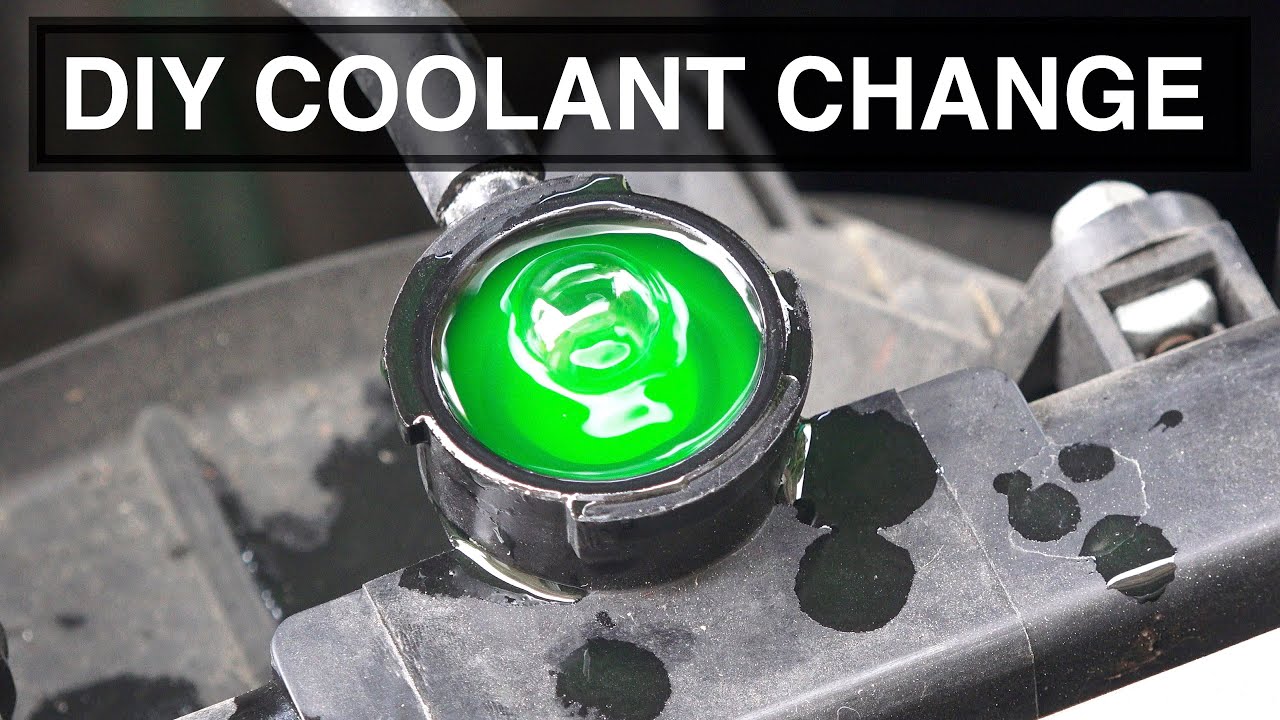
Credit: www.youtube.com
Preparation For Coolant Drain
Start by collecting all the tools you need. A drain pan is very important. It catches the old coolant. You will need a wrench or pliers to open the drain plug. Don’t forget a funnel. It helps pour new coolant without spilling. Also, get some rags. They help clean any spills. Having gloves keeps your hands clean and safe.
Safety is very important. Make sure the car engine is cool. Hot engines can burn you. Wear safety goggles. They protect your eyes from splashes. Check the car is on a flat surface. This stops it from rolling. Keep children and pets away. Coolant is very dangerous if swallowed. Always be careful and safe.

Credit: www.familyhandyman.com
Locating The Coolant Drain Plug
The coolant reservoir is a plastic bottle. It holds extra coolant. Look under the hood to find it. Check near the engine. It is often clear or white. The bottle has a cap. The cap is labeled “coolant” or “antifreeze”. Make sure the car is cool. This prevents burns.
The drain plug is under the car. It is at the bottom of the radiator. Look for a small knob or valve. Use a flashlight if needed. The drain plug is usually on the driver’s side. Check your car manual for exact details.
Draining The Coolant
Place a drain pan under the car. This will catch the coolant. Make sure the pan is large enough. Coolant can spill and make a mess. Check if the pan is steady. You don’t want it to tip over. Safety first! Wear gloves to protect your hands. Coolant can be harmful. Be careful!
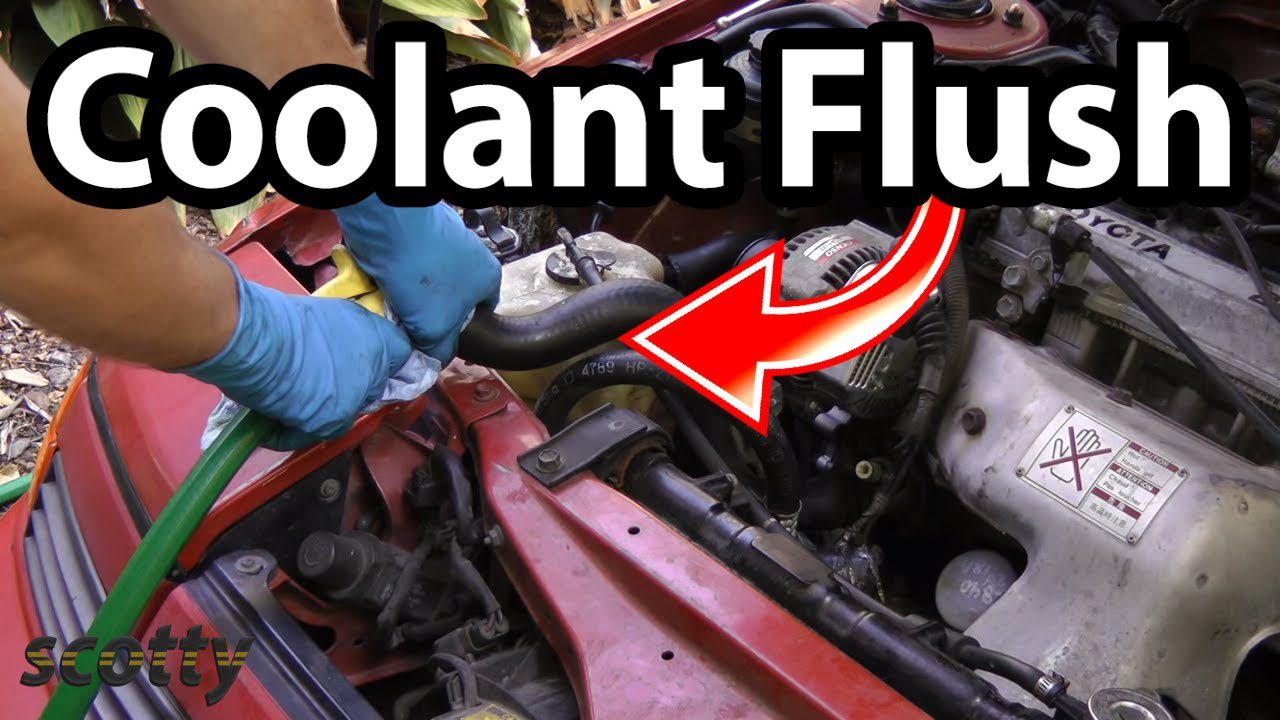
Find the drain plug under the radiator. Turn the plug with your hand. Be gentle and don’t force it. Coolant will start to flow out. Let it drain completely. Watch the pan to avoid overflows. Once done, close the drain plug. Make sure it’s tight. This stops leaks. Job well done!
Flushing The Cooling System
Draining coolant from a car involves removing the radiator cap and opening the drain valve. Let the coolant flow into a container. Dispose of old coolant responsibly.
Use A Flush Solution
Pour the flush solution into the radiator. This helps clean out dirt. Make sure you use a solution made for cars. Check the bottle for instructions. Run the engine for 10 minutes. This lets the solution work inside. It removes old coolant and grime. Remember to keep the car off when pouring.
Rinse With Water
After using the flush solution, rinse with water. Fill the radiator with clean water. Turn on the engine for 5 minutes. This clears out the solution. Repeat until the water runs clear. Do not skip this step. Clean water means a clean system. Make sure to use fresh water each time. This ensures all dirt is gone.
Refilling Coolant
Choose the right coolant for your car. Check your car manual. It will tell you what type of coolant to use. Different cars need different coolants. Using the wrong one can cause problems. Coolant keeps the engine from getting too hot. A hot engine can break. So, the correct coolant is very important.
First, open the coolant reservoir cap. Slowly pour the coolant into the reservoir. Fill until it reaches the “max” line. Pour carefully to avoid spills. Spilled coolant can be slippery. Check the reservoir. Ensure there are no air bubbles. Bubbles can make the engine hot. Finally, close the reservoir cap tightly.
Bleeding Air From The System
Start the engine and let it run for a while. This helps in removing air from the coolant system. Keep an eye on the coolant reservoir. Watch for any air bubbles. Bubbles mean there is still air in the system.
Run the engine until the bubbles stop appearing. This may take a few minutes. Be patient during this process. Ensure the heater is on at full blast. This helps in circulating the coolant. It also helps in removing trapped air. Once bubbles disappear, stop the engine.
Checking For Leaks
Inspect the car’s engine area to find any coolant leaks. Look for wet spots or colored stains. Fixing leaks is essential before draining coolant to ensure the process is effective and safe.
Inspect Drain Plug
Look closely at the drain plug for any signs of damage. A damaged plug can cause leaks. Check if the plug is securely tightened. Loose plugs might lead to coolant loss. Examine the area around the plug for wet spots. Wet spots can indicate a leak. Ensure the plug is not worn out. A worn-out plug might need replacement. This step is crucial for preventing leaks.
Examine Hoses And Connections
Inspect all hoses connected to the coolant system. Look for cracks or bulges. These can cause leaks. Check the connections where hoses meet other parts. Loose connections might leak coolant. Ensure each connection is tight and secure. Feel the hoses for weak spots. Weak spots might split under pressure. Replace any damaged hose immediately. This helps keep your coolant system safe.
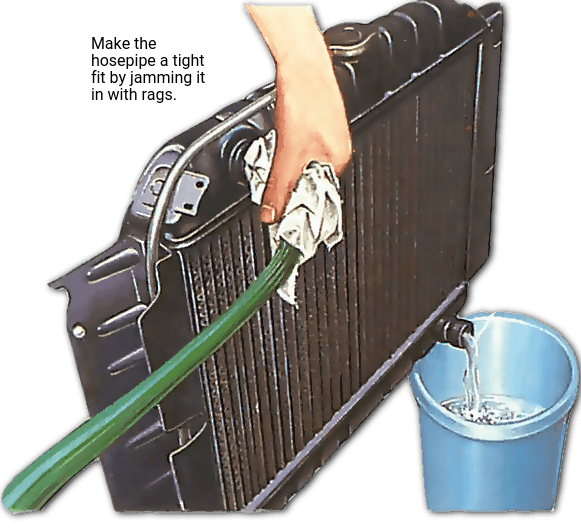
Credit: www.howacarworks.com
Disposing Of Old Coolant
Always use a sealed container for old coolant. This prevents leaks. Place the container in your car. Drive carefully to the nearest recycling facility. Make sure the container stays upright. You do not want spills. Follow all local rules for disposal. The facility will help with the process.
Environmental guidelines are important. They protect our planet. Read and follow these rules. They often change. Stay informed. You can ask the facility staff for help. They are there to guide you. Dispose of old coolant safely. Be responsible.
Frequently Asked Questions
How Do You Completely Drain Coolant From A Car?
To fully drain car coolant, ensure the engine is cool. Open the radiator cap and locate the drain plug. Place a container underneath, then unscrew the plug to release coolant. Close the plug after draining. Finally, dispose of the old coolant responsibly.
Always follow your car’s manual for specific instructions.
Can I Do A Coolant Flush Myself?
Yes, you can do a coolant flush yourself. Gather necessary tools and follow the vehicle’s manual instructions. Ensure proper disposal of old coolant to protect the environment. If unsure, consult a professional for assistance.
How To Remove Coolant From Car Engine?
Drain the radiator by opening the drain valve at the bottom. Catch old coolant in a container. Remove the radiator cap to speed up drainage. Dispose of old coolant responsibly. Refill with fresh coolant, then run the engine to remove air pockets.
Ensure no leaks are present.
How Do I Remove Excess Coolant From My Car?
To remove excess coolant, let the engine cool. Use a turkey baster or siphon pump to extract coolant. Dispose of it safely.
Conclusion
Draining your car’s coolant is simple and essential. It keeps your engine healthy. Follow the steps carefully. Gather all necessary tools first. Ensure your engine is cool before starting. Safety is very important. Dispose of old coolant properly. It’s harmful to the environment.
Completing this task regularly prevents engine problems. Save time and money on repairs. Enjoy your car’s smooth performance. Regular maintenance boosts your vehicle’s lifespan. You’ll drive with confidence knowing your engine is in good shape. Happy driving!