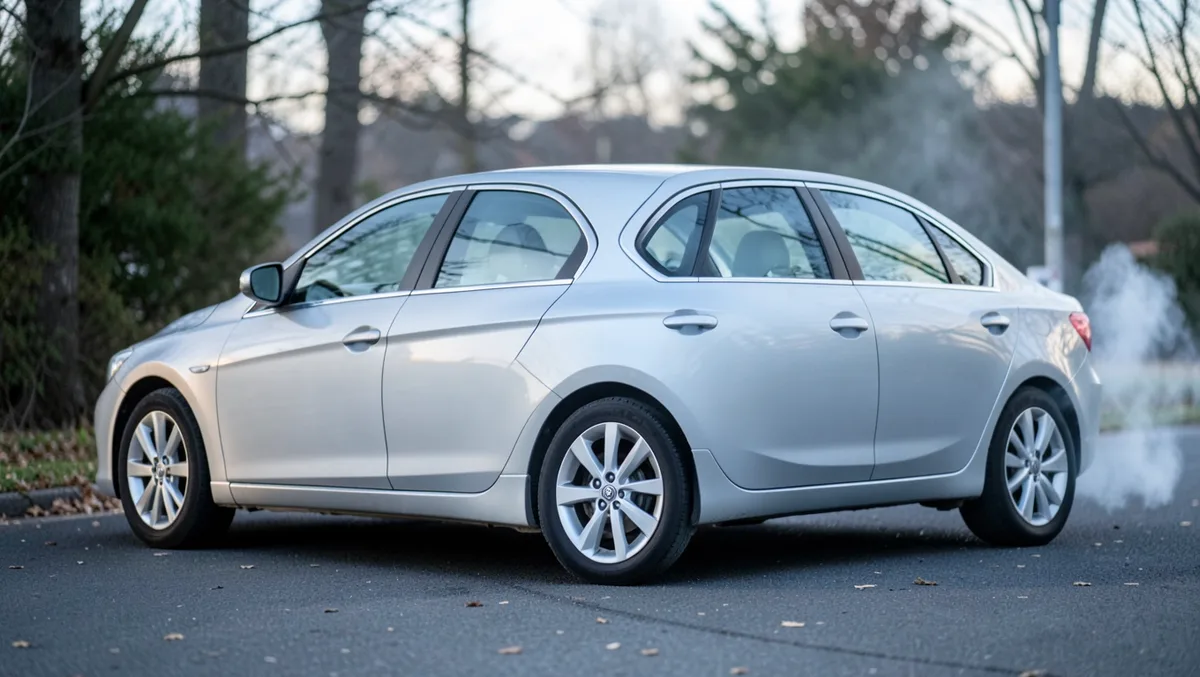
Does Idling a Car Waste Gas? Yes, Plus How Much Per Hour
Yes, idling wastes gas. Most engines burn 0.2 to 0.5 gallons of fuel per hour while sitting still, according to Department of Energy testing, with larger engines and running air conditioning pushing that toward the high end.
The bigger surprise is the 10-second rule: on nearly any car built in the last 25 years, restarting the engine burns less fuel than idling for more than about 10 seconds. That is the opposite of the old advice that idling saves gas, and it is backed by real fuel-economy testing, not a guess. Letting a car idle for two minutes burns roughly as much fuel as driving a mile.
How Much Gas Does Idling Waste?
BEST ALTERNATIVE TO IDLING JUST TO CHARGE YOUR BATTERY
 |
NOCO GENIUS1 Battery Charger & Maintainer – $29.95 If you idle your car just to keep a weak battery topped up or charge devices while parked, a small smart charger does that job at home without burning any gas at all.
|
The EPA and Department of Energy put idling fuel use at roughly a quarter to a half gallon per hour, though the exact number swings with engine size and what else is running. A small four-cylinder sedan burns close to 0.16 gallons an hour at idle. A V8 pickup or full-size SUV can burn 0.4 to 1.0 gallons an hour, and running the air conditioning or heater pushes any of those figures higher. Multiply that by how often you idle and it adds up: a driver who idles 10 minutes a day loses roughly 5 to 20 gallons of gas a year for nothing, on top of the more than 6 billion gallons the Department of Energy says American drivers waste idling every year as a country.
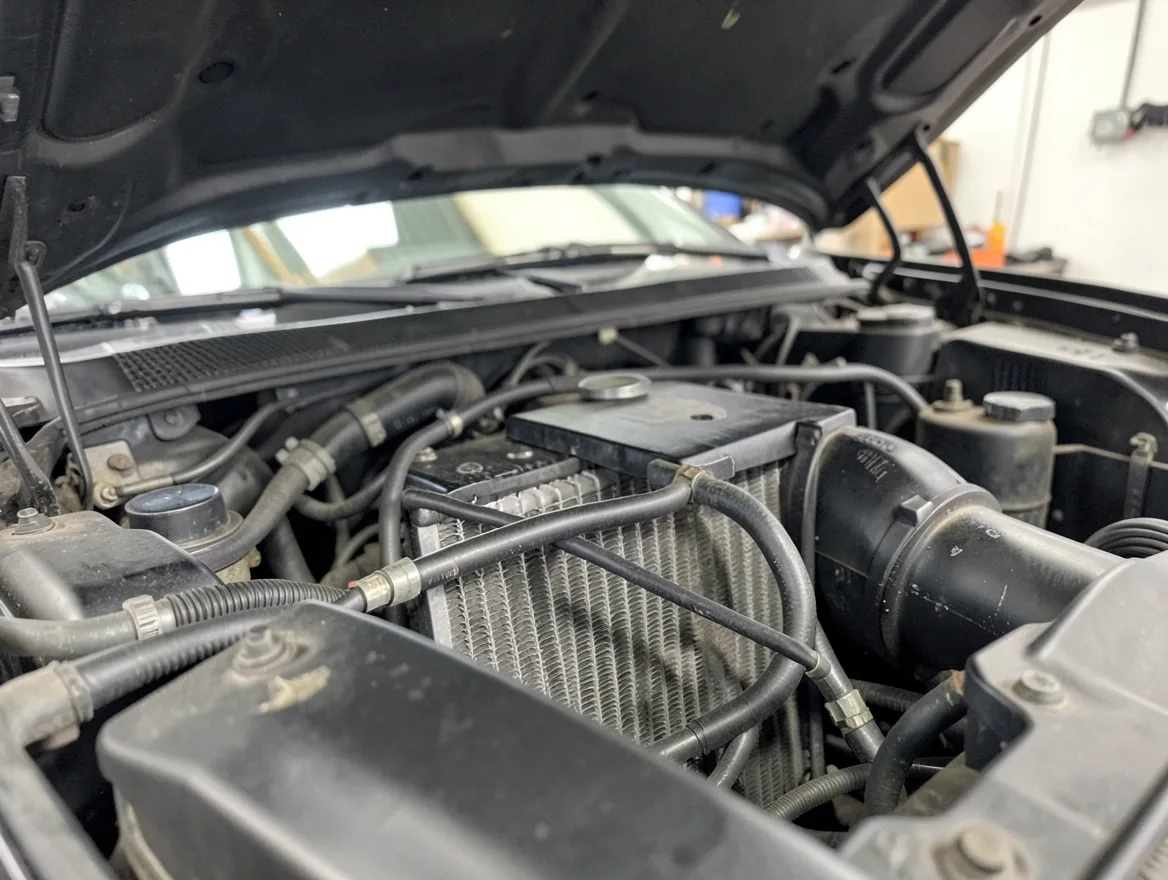
The 10-Second Rule: When Shutting Off Beats Idling
For decades, drivers were told that restarting an engine burns more gas than letting it idle, so it was better to leave it running at a light or in a drive-thru line. Older carbureted engines really did dump extra fuel into the cylinders on startup, which made that advice correct at the time. It has not held up since fuel injection became standard in the 1990s. According to the Department of Energy, a modern engine only needs about 10 seconds worth of fuel to restart, and starter motors are built to handle tens of thousands of cycles without extra wear. The practical rule the Department of Energy recommends: if you expect to be stopped for more than about 10 seconds and it is safe to do so, turning the key off saves more fuel than leaving the engine running.
Automakers have built this logic directly into newer vehicles. Factory auto stop-start systems, which shut the engine off automatically at a red light or in traffic and restart it the instant you lift off the brake, cut real-world fuel use by roughly 3 to 7 percent in city driving, according to government fuel-economy testing. If your own car does not have that feature, the same 10-second math still applies. You just have to do it manually.
Common Idling and Fuel Myths
A few myths about idling and fuel use are worth clearing up. “A bigger car always burns more gas at idle” is not strictly true. A modern V6 with cylinder deactivation can idle more efficiently than an older four-cylinder without it, though engine size and running accessories still matter more often than not. “Running the AC burns more gas than driving with the windows open” is only true at low speed; once you are above roughly 45 to 50 mph, open windows create enough aerodynamic drag that air conditioning actually wins. And the idea that idling warms up an engine faster than driving is backwards for anything built in the last 20-plus years. Modern engines warm up faster under a light load than sitting still, and only need about 30 seconds of idling before it is safe to drive off. We cover that specific myth, and what modern engines actually need in cold weather, in our guide to whether warming up your car is still necessary.
Driving habits matter more than most of these myths suggest. Hard braking and rapid acceleration waste more gas than idling ever does, regular maintenance keeps an engine running at its rated efficiency, and something as simple as a roof rack can add enough drag to measurably hurt fuel economy at highway speed.
Idling’s Other Costs: Wear, Emissions, and Money
Wasted fuel is not the only cost of idling. An idling engine still needs oil circulating and combustion happening, so normal wear on pistons, rings, and cylinder walls continues even though the car is not going anywhere. Some fleet studies estimate that an hour of idling causes wear roughly equivalent to 25 to 30 miles of driving, since the engine is doing work without the airflow and load it is actually designed around. Idling also runs up the tab in smaller ways: it burns gas that has to be paid for at whatever the price is that week, and the extra engine hours bring routine maintenance, like oil changes, around sooner than they otherwise would.
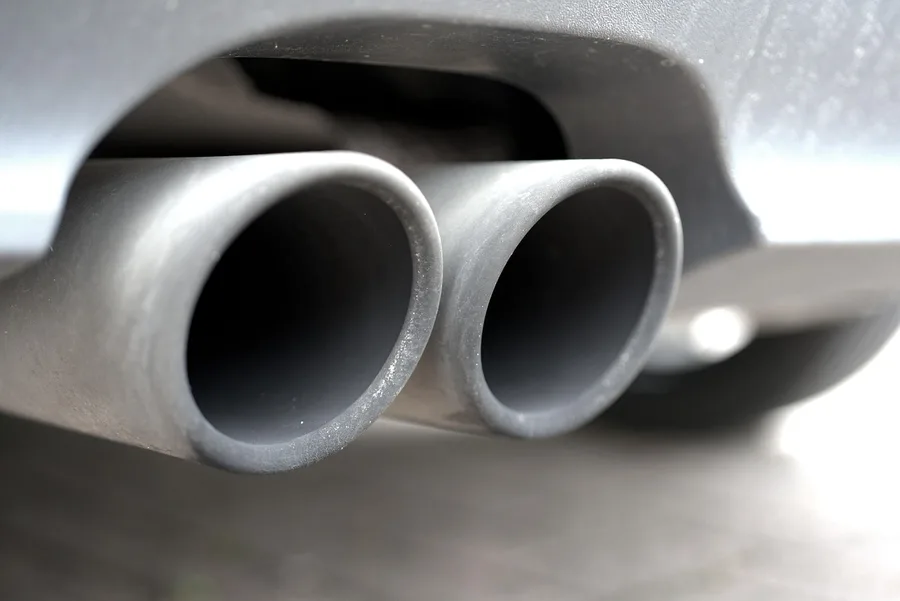
Idling is also worse for local air quality than moving traffic, gallon for gallon, because an engine running at low idle RPM burns fuel less completely than the same engine cruising at a steady speed. That means more unburned hydrocarbons and carbon monoxide per minute, concentrated right where people are standing, waiting, or walking past.
If you are trying to decide whether it is fine to leave your car idling for a specific stretch of time, whether that is a quick errand or the better part of an hour, see our breakdown of how long you can safely leave a car idling and our separate look at what changes once you are talking about leaving a car running for a full hour unattended.
Conclusion
The short version: idling burns real, measurable gas, usually a quarter to a half gallon an hour, and past about 10 seconds, shutting the engine off is the cheaper option on anything built in the last 25 years. Skipping unnecessary idling is one of the easiest ways to cut your fuel bill without changing how or where you drive.
Frequently Asked Questions
Do You Waste Gas by Leaving Your Car On?
Yes. Idling consumes fuel without moving the car, which lowers your overall fuel efficiency for that trip. Turning off the engine whenever you expect to be stopped for more than about 10 seconds saves gas and reduces emissions, with no downside on a modern vehicle.
Does Your Gas Go Down If Your Car Is On?
Yes, your fuel level drops while the car is on, even sitting still. The engine keeps burning fuel to run the alternator, accessories, and its own systems. Cutting down on idle time is one of the simplest ways to stretch a tank of gas.
How Much Gas Do You Waste With the Car On?
Idling typically wastes about 0.2 to 0.5 gallons of fuel per hour, depending mainly on engine size and whether the air conditioning or heater is running. Larger engines and trucks can burn closer to a full gallon per hour at idle.
Does Keeping the Car On Consume Fuel?
Yes. The engine burns fuel any time it is running, whether the car is idling in a driveway or crawling through traffic. There is no way to keep the engine on without using at least some gas.
Is It True That Restarting a Car Uses More Gas Than Idling?
Not anymore. That was true for older carbureted engines but has not applied since fuel injection became standard in the 1990s. The Department of Energy says a modern engine only needs about 10 seconds worth of fuel to restart, so idling for longer than that wastes more gas than turning the engine off and starting it again.
Does Idling Warm Up a Cold Engine Faster?
No. Modern fuel-injected engines warm up faster under a light load while driving than sitting still at idle, and only need about 30 seconds of idling in cold weather before it is safe to drive off. Long warm-up idling mostly just wastes gas and adds engine hours for no real benefit.
Products related to this article
Sponsored / affiliate links. As an Amazon Associate I earn from qualifying purchases. I may earn additional commission from eligible campaigns.