How To Find If My Car Was Towed: Proven Essential Steps
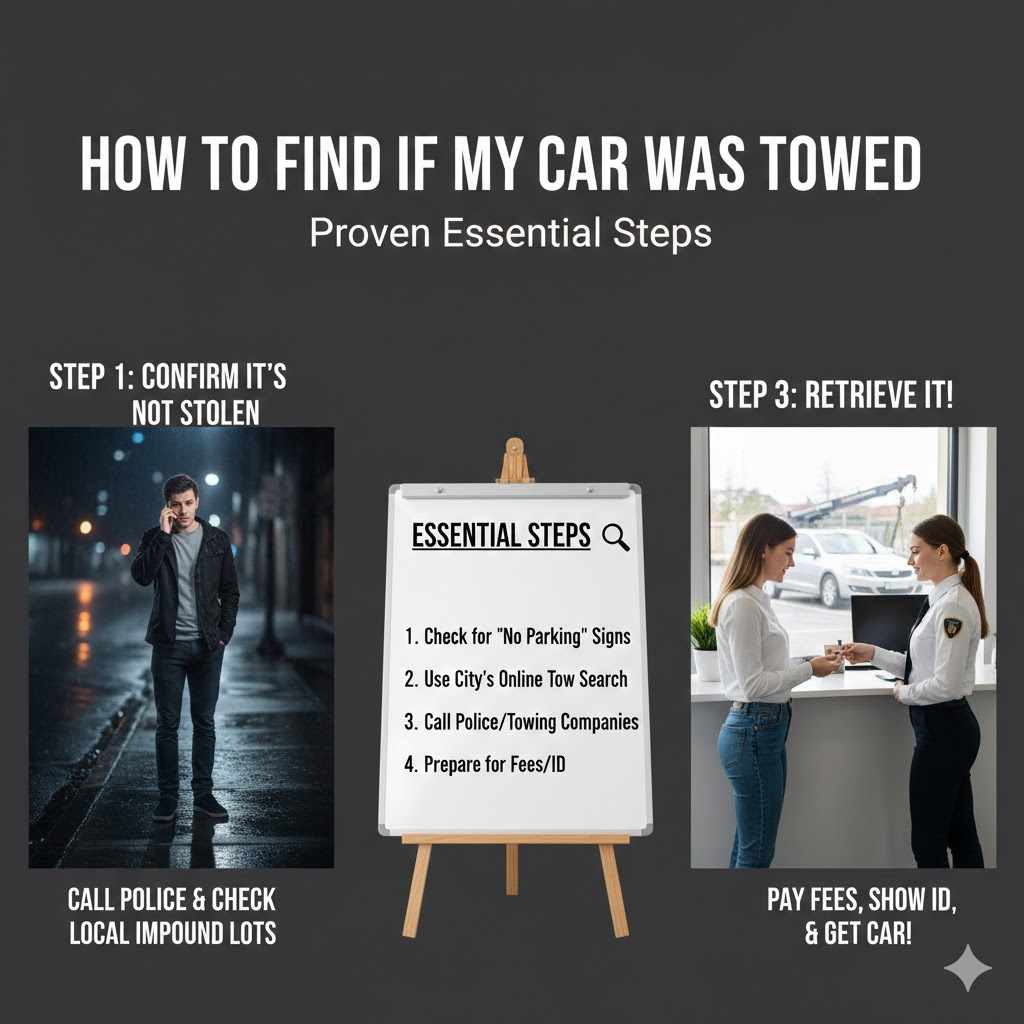
To find if your car was towed, first look for any posted signs in the area where you parked. Next, call the local police department’s non-emergency number; they keep records of towed vehicles. You can also contact nearby private towing companies or use your city’s online towed vehicle locator tool if one is available.
That sinking feeling in your stomach is unforgettable. You walk back to where you parked your car, and it’s just… gone. Your mind races. Was it stolen? Did I forget where I parked? Often, the answer is much simpler, though still frustrating: your car was towed. It’s a stressful situation, but don’t worry. You are not alone, and there is a clear path to finding your vehicle.
I’m Md Meraj, and I’m here to guide you through the exact steps to locate your car, understand why it was towed, and get it back safely. We’ll break down this overwhelming process into simple, manageable actions. Let’s get you back in the driver’s seat without the guesswork.
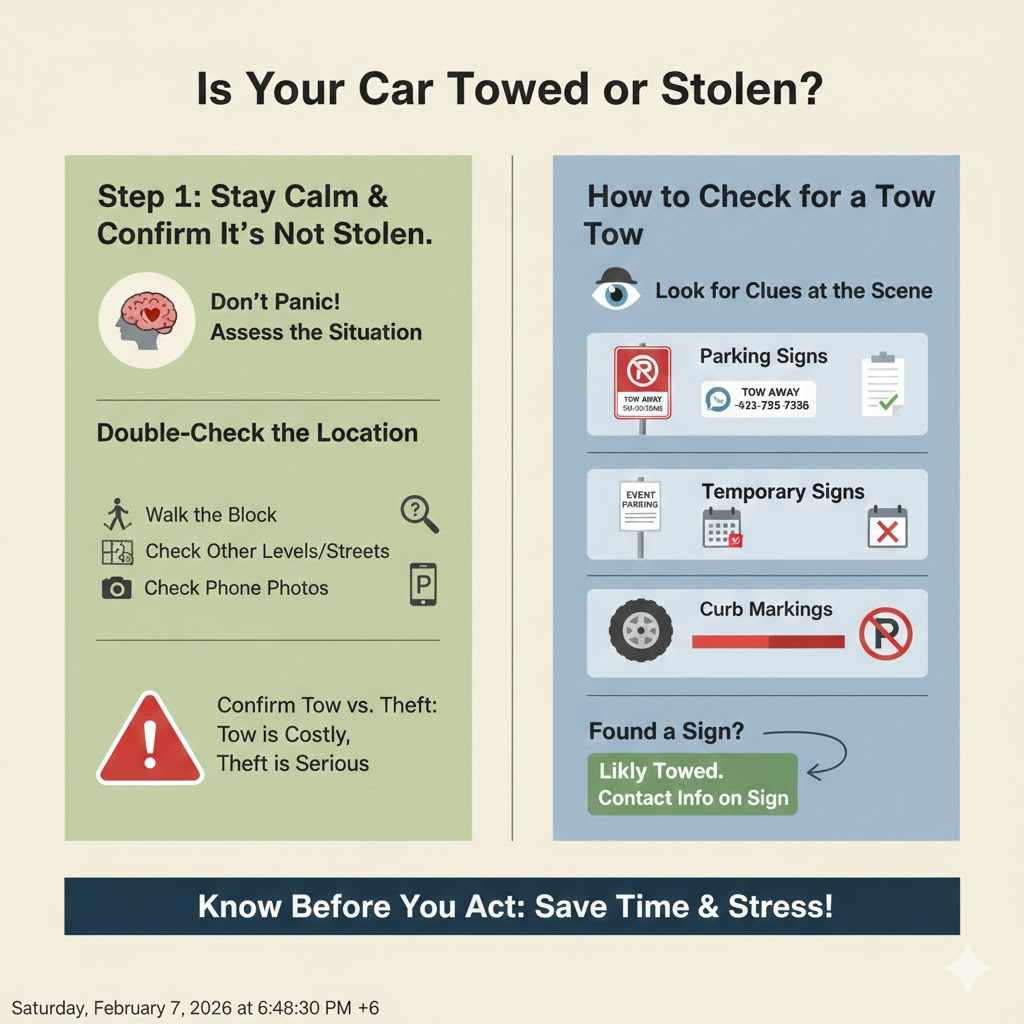
Step 1: Stay Calm and Confirm It’s Not Stolen
Before you jump to conclusions, take a deep breath. Panic can make the situation feel much worse than it is. The first thing to do is make sure your car wasn’t stolen, which is a different and more serious issue. Take a moment to think clearly and assess the situation.
Double-Check the Location
It sounds simple, but it happens to the best of us. Are you absolutely certain this is where you parked? In large parking lots, unfamiliar neighborhoods, or on long city streets, it’s easy to get turned around.
- Walk up and down the block one more time.
- Check the opposite side of the street.
- If you’re in a parking garage, check other levels.
- Think back: Did you move the car for street cleaning and forget?
Taking five minutes to retrace your steps can sometimes solve the mystery instantly and save you a lot of trouble. If you took a picture of your parking spot or a nearby landmark, check your phone.
Look for Clues at the Scene
Once you are 100% certain you’re in the right spot, look around for evidence of a tow. Towing companies, especially official city-sanctioned ones, are often required to leave some indication.
- Parking Signs: Read every sign nearby. Were you in a “No Parking” zone? Did you miss the time restrictions? Was it a designated tow-away zone? Signs often list the name and phone number of the towing company responsible for that area.
- Temporary Signs: Look for paper or temporary signs posted on poles or trees. Sometimes areas are cleared for construction, a special event, or a film shoot. These signs are easy to miss.
- Curb Markings: Check if the curb is painted a specific color. Red often means no stopping or parking at any time, while yellow can indicate a loading zone with time limits.
Finding a sign that explains a parking violation is a strong indicator that your car was towed rather than stolen. This is good news, as getting a towed car back is a straightforward, though costly, process.
Step 2: Start Making the Right Phone Calls
If you’ve confirmed your car is missing and you suspect it was towed, it’s time to start making calls. Having a clear plan of who to call first will get you answers much faster. Keep a pen and paper handy to write down information like report numbers, company names, and addresses.
Call the Local Police Department (Non-Emergency Line)
This should be your very first call. Do not call 911. Instead, find the non-emergency number for the local police department in the city or town where your car was parked. You can easily find this with a quick search online for “[City Name] Police non-emergency number.”
When you call, you’ll need to provide:
- Your car’s make, model, and color.
- The license plate number.
- The exact location where you last parked it.
Police departments maintain a log of all legally towed vehicles, whether by law enforcement or private companies. They can tell you if your car is in their system, which company towed it, and where it was taken. If they have no record of it being towed, they can help you file a stolen vehicle report. This call is crucial because it helps you determine which path to follow: retrieving a towed car or reporting a stolen one.
Contact the Local Parking Authority
In many larger cities, a dedicated Parking Authority or Department of Transportation handles parking enforcement and towing. If the police don’t have a record, or if you were parked in a public garage or metered spot, this is your next best call. They can look up your license plate and tell you if they authorized a tow for a parking violation. They will provide the same information as the police: the tow company and the impound lot location.
Call Private Towing Companies in the Area
If your car was towed from private property, like a shopping center, apartment complex, or restaurant parking lot, the property owner likely called a private towing company directly. Look for signs in the parking lot that state, “Unauthorized vehicles will be towed at owner’s expense by [Towing Company Name] at [Phone Number].”
If you find such a sign, call that company first. If there are no signs, you can try searching online for towing companies that operate in that specific area and call a few of them. It’s more work, but it can be effective. When you call, give them your vehicle information and ask if they have a record of towing it from that address.
Step 3: Use Online Towed Vehicle Locators
Technology can be your best friend in this situation. Many major cities have created online databases to help people find their towed cars quickly. These websites are often run by the city’s police department or transportation agency.
A quick web search for “[Your City Name] towed car locator” will tell you if such a service exists. For example, major cities like New York City have a Towed Vehicle Locator system. These tools are incredibly helpful and can save you from making multiple phone calls.
To use these online tools, you’ll typically need to enter your license plate number and the state it was issued in. The system will then search its database and tell you:
- If your car has been towed and logged.
- The name and address of the impound lot where it is being held.
- The phone number for the impound lot.
- Sometimes, it will even list the initial fees.
If you don’t live in a major city with a dedicated portal, don’t worry. The phone call method described in the previous step is the most reliable way to find your vehicle.
Step 4: Understand Why Your Car Was Towed
Knowing why your car was towed is key to preventing it from happening again. It also helps you understand the fees you’re about to face. Towing isn’t random; there’s always a reason. Below are some of the most common ones.
| Reason for Towing | How to Avoid It |
|---|---|
| Illegal Parking | This includes parking in a tow-away zone, blocking a driveway or fire hydrant, double-parking, or parking in a handicapped spot without a permit. Always read all posted signs carefully, even if you’re only parking for a few minutes. |
| Unpaid Parking Tickets | Accumulating multiple unpaid parking tickets can flag your vehicle for towing. Pay your tickets on time or set up a payment plan if needed. |
| Expired Registration or Plates | Driving or parking a car with expired registration is illegal. Keep track of your registration renewal date and update your tags as soon as they arrive. Many states offer online renewal and reminders. |
| Parking on Private Property | Parking in a lot designated for customers of a specific business or residents of an apartment building can lead to a quick tow. Look for signs and never assume it’s okay to park somewhere without permission. |
| Vehicle Abandonment | Leaving a car in one spot on a public street for an extended period (usually over 72 hours, but this varies by city) can result in it being towed as an abandoned vehicle. If you’re going on vacation, park your car in a garage or on private property. |
| Emergency Situations | Your car may be towed if it’s in the way during a parade, street festival, emergency, or major roadwork. Pay attention to news alerts and temporary signs for special events in your area. |
Understanding the specific reason will be important when you go to the impound lot, as you may need to resolve the underlying issue (like paying old tickets) before you can get your car back.
Step 5: Prepare to Reclaim Your Vehicle
Once you’ve located your car and know which impound lot has it, the next step is to retrieve it. This process requires some preparation. Showing up without the right documents or payment will only lead to more frustration and higher fees, as storage costs add up daily.
Gather the Necessary Documents
Impound lots are strict about releasing vehicles to ensure they are giving the car to its rightful owner. You will need to prove your identity and ownership. Make sure you have the following:
- A Valid Government-Issued Photo ID: Your driver’s license is perfect. Passports or state ID cards also work.
- Proof of Ownership: This can be the vehicle’s title or its current registration card. Make sure the name on the ownership document matches the name on your photo ID.
- Proof of Insurance: Most states require you to show proof of valid car insurance. Have your current insurance card or a digital copy on your phone ready.
- Keys to the Vehicle: You’ll need them to drive your car off the lot.
If the registered owner is not the person picking up the car, the impound lot may require a notarized letter of authorization from the owner. It’s best to call the lot ahead of time to confirm their policy on this.
Prepare for the Fees
Getting your car back is not free. Be prepared to pay several fees, which can add up quickly. Call the impound lot before you go to get the exact total amount owed and to confirm which forms of payment they accept. Many only accept cash, cashier’s checks, or major credit cards, while some do not accept personal checks.
| Type of Fee | Description | Typical Cost (Varies Greatly) |
|---|---|---|
| Towing Fee | This is the base cost for hooking up your vehicle and transporting it to the lot. | $100 – $350+ |
| Daily Storage Fee | The lot charges a fee for every day (or part of a day) your car is stored there. This is why retrieving it quickly is so important. | $40 – $100 per day |
| Administrative Fee / Release Fee | A flat fee for the paperwork and process of releasing the vehicle to you. | $50 – $150 |
| After-Hours Fee | If you pick up your car outside of normal business hours (nights or weekends), you may be charged an extra fee. | $50 – $100 |
In addition to these fees, you will still be responsible for paying the original parking ticket or fine that led to the tow.
Step 6: At the Impound Lot – The Final Steps
Going to the impound lot can be intimidating. They are often located in industrial areas and are not the most welcoming places. Stay calm, be polite, and follow the process to make it as smooth as possible.
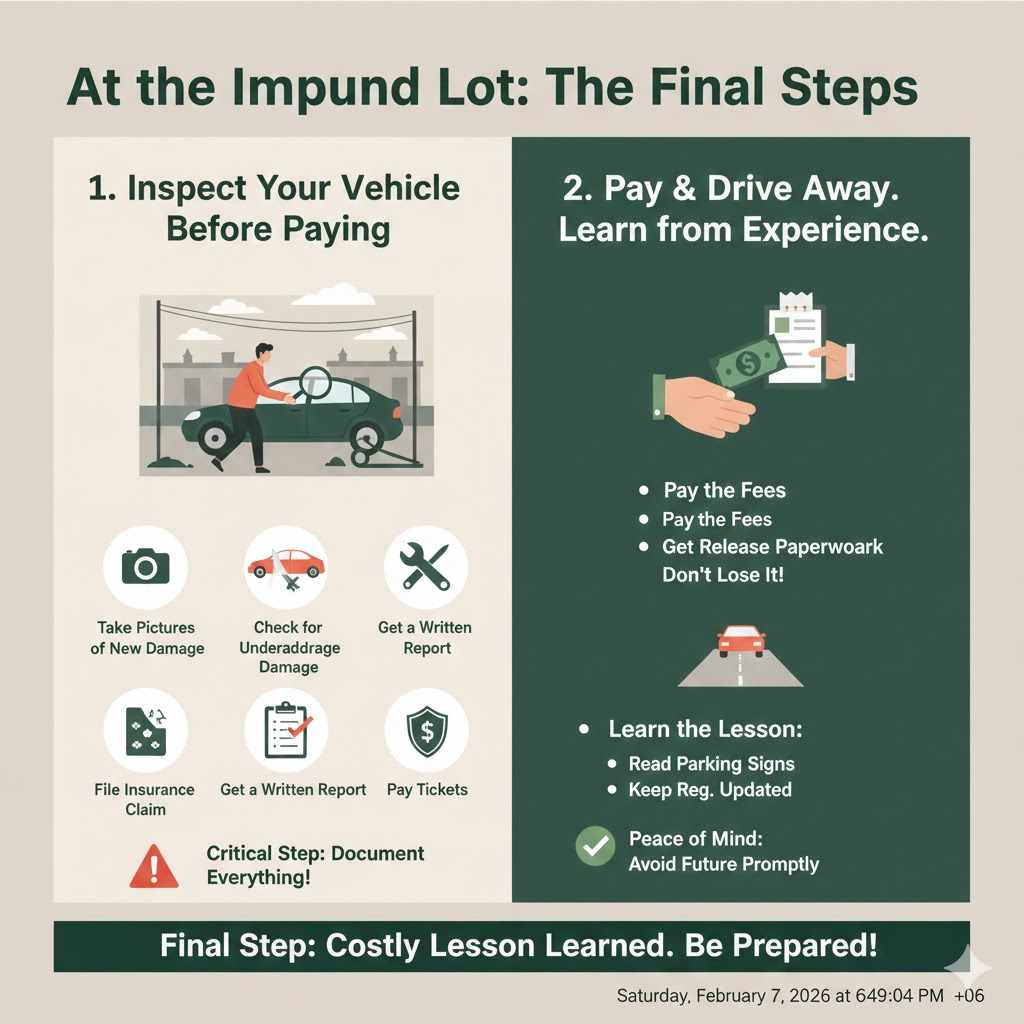
Inspect Your Vehicle Before Paying
This is a critical step. Before you hand over any money or sign any paperwork, ask to see your vehicle. The lot is required to let you inspect it. Do a thorough walk-around and check for any new damage that wasn’t there before it was towed.
- Look for new scratches, dings, or dents on the body.
- Check the bumpers for scuffs or cracks.
- If you have custom wheels, check them for curb rash.
- Look underneath the car for any damage to the exhaust or suspension.
Towing can sometimes cause damage if not done carefully. If you find new damage, document it immediately. Take clear pictures with your phone from multiple angles. Point out the damage to the impound lot employee and make sure they create a written report of it before you pay. This documentation is essential if you need to file a claim against the towing company’s insurance.
Pay the Fees and Get Your Paperwork
Once you are satisfied with your vehicle’s condition (or have documented any damage), you can proceed to pay the fees. After paying, you will receive a release form and a receipt. Do not lose this paperwork! It is your proof of payment and that you have legally reclaimed your vehicle.
Drive Away and Learn from the Experience
With your car back, take a moment to be relieved. It’s a stressful and expensive ordeal, but you got through it. Use this as a learning experience. Be more mindful of parking signs, keep your registration up to date, and pay any tickets promptly. A few minutes of caution can save you hundreds of dollars and a major headache in the future.
Frequently Asked Questions (FAQ)
1. What if I think my car was stolen, not towed?
If you’ve called the local police non-emergency line and they have no record of your car being towed, you should file a stolen vehicle report immediately. They will take your information and enter your car into a national database for law enforcement to be on the lookout for it.
2. How much does it typically cost to get a car out of impound?
The cost varies widely depending on your location and the reason for the tow. Generally, you can expect to pay anywhere from $200 to over $500. This includes the tow fee, daily storage fees, and administrative fees. The longer your car sits in the lot, the more expensive it will become.
3. Can I just get my personal belongings from my towed car?
Yes, in most states, you have the right to retrieve your personal property from an impounded vehicle, even if you can’t afford to pay the fees to get the car out. You will still need to show your ID and proof of ownership. However, you cannot take any items that are attached to the car, like the stereo or tires. Call the impound lot to confirm their policy and hours for property retrieval.
4. How long do I have to reclaim my car?
The time limit varies by state and local laws, but typically an impound lot will hold a vehicle for about 30 days. After that period, if the vehicle is not claimed and the fees are not paid, the lot can begin the process of selling your car at auction to recoup their costs. It is crucial to act as quickly as possible.
5. What happens if I can’t afford to get my car back?
This is a tough situation. First, call the impound lot and explain your situation; some may offer a payment plan, though this is rare. If you cannot pay, the lot will eventually sell your vehicle. You may still be held responsible for the difference between the sale price and the total fees you owed. For more specific advice, you can consult resources like the Consumer Financial Protection Bureau, which offers guidance on vehicle repossession and similar issues.
6. Can someone else pick up my towed car for me?
Yes, but it requires extra steps. The person picking up the car will need their own valid photo ID, plus the vehicle’s registration or title. Most importantly, they will likely need a signed and notarized letter from you (the registered owner) authorizing them to retrieve the vehicle on your behalf. Always call the impound lot beforehand to ask about their specific requirements for third-party pickups.
7. Will my car insurance cover towing and impound fees?
It depends on your policy. If you have roadside assistance coverage, it may cover towing, but usually only for breakdowns, not for towing due to a parking violation. Comprehensive coverage might apply if the car was towed after being stolen and then recovered. In most cases where a car is towed for illegal parking or expired registration, you will have to pay the costs out-of-pocket.
Conclusion: You’ve Got This
Discovering your car is missing is a moment of pure stress, but now you have a clear, step-by-step plan to follow. The key is to stay calm, be methodical, and act quickly. By confirming your car’s status with the police, gathering your documents, and understanding the process, you can navigate this difficult situation with confidence.
Remember to treat it as a lesson learned. A little extra attention to parking signs and vehicle paperwork can prevent this expensive headache from ever happening again. You’ve successfully turned a moment of panic into a problem solved, and that’s a skill every car owner needs. Drive safe, and park smart!