How To Get Urine Smell Out Of Leather Car Seats For Good
Oh, that smell. You know the one. It hits you the moment you open the car door.
Urine odor on leather car seats is one of those things that can make even the most seasoned driver wince. It’s embarrassing, it’s unpleasant, and it seems to linger forever. You’ve tried spraying air freshener, but that just masks it for a bit.
We’ve all been there, feeling that sinking feeling, wondering if your car will ever smell clean again. But take a deep breath, because getting that stubborn urine smell out of your leather car seats is absolutely possible. It takes a bit of effort and the right approach, but a fresh-smelling car is within reach.
Urine smell in leather car seats is a common but challenging issue. Effective removal requires immediate action and specialized cleaning methods to break down the odor-causing compounds, not just mask them. Understanding the nature of urine and leather is key to a successful and lasting fix.
Understanding the Urine Smell on Leather
So, why is urine smell so tough to get rid of, especially on leather? Urine isn’t just water. It contains urea, uric acid, and other organic compounds.
When these break down, they release that strong, pungent odor. Uric acid crystals are the real culprits. They don’t dissolve in water easily.
This means regular cleaning might miss them. They can stay put, waiting for humidity or warmth to reactivate the smell. It’s like a hidden trigger.
Leather is a natural material. It’s porous. This means it can absorb liquids and odors deeply.
Think of it like a sponge. The urine seeps into the leather’s tiny pores. It can even get into the padding underneath the leather.
This deep penetration makes it harder to reach and remove the odor entirely. Plus, leather has its own natural smell. Adding urine compounds can create a truly unpleasant mix.
It’s a double whammy of odor.
The longer urine sits on leather, the worse the situation becomes. The uric acid crystals start to bond with the leather fibers. This makes them much harder to dislodge.
So, timing is crucial. The sooner you can address a urine accident, the easier your job will be. Waiting too long means more effort and potentially less successful results.
It’s a race against time and the chemistry of the odor.
My Own “Oh No” Moment with a Furry Friend
I’ll never forget one road trip with my dog, Max. He’s usually so well-behaved. We were driving through some beautiful countryside, miles from anywhere. (These days I use a proper car seat cover and barrier so accidents like this stay off the upholstery entirely.)
Suddenly, Max got a bit sick. He threw up, and unfortunately, some of it landed right on the passenger seat. My heart sank.
It wasn’t just food. It was…well, you know. And it was on my nice leather seats.
I tried to clean it up quickly with some wet wipes I had. But even as I wiped, I could feel the stickiness. And I knew, with a dread that settled in my stomach, that the smell would be a problem later.
Once we got home, the faint smell was undeniable. It wasn’t just a quick cleanup job. Max had a sensitive stomach that day.
The contents were acidic and potent. The smell clung to the leather like a stubborn stain. I felt so guilty and frustrated.
I wanted my car to be a pleasant place again. I tried just spraying air freshener. It smelled weirdly floral and sickly sweet over the underlying odor.
It was a constant reminder of the incident. I knew I needed a better, deeper solution. This wasn’t just about a quick fix; it was about saving my car’s interior.
The thought of driving with that smell for weeks made me cringe.
That experience taught me a lot. It forced me to really research and understand how to tackle tough organic stains and odors in car interiors. I learned that a simple wipe-down isn’t enough.
You need to neutralize the source. And when it comes to leather, you have to be gentle but effective — the right stain remover for leather car seats makes the difference between lifting a stain and damaging the hide. It took a few tries with different products to finally get rid of the smell completely.
But the relief when that stale odor finally vanished was immense. My car felt like mine again, fresh and inviting.
Steps to Tackle the Urine Smell Head-On
Getting rid of urine smell from leather car seats requires a systematic approach. It’s not a single spray-and-wipe job. It’s about breaking down the odor-causing molecules.
Here’s a breakdown of how to do it effectively:
Initial Cleanup is Key
Act Fast: The moment you discover a urine accident, grab clean cloths or paper towels. Blot up as much liquid as possible. Don’t rub.
Rubbing pushes the urine deeper into the leather.
Soak It Up: Use absorbent cloths to soak up any remaining moisture. You want to remove as much of the liquid as you can before it fully soaks in. Several passes with dry cloths might be needed.
Choosing the Right Cleaning Solution
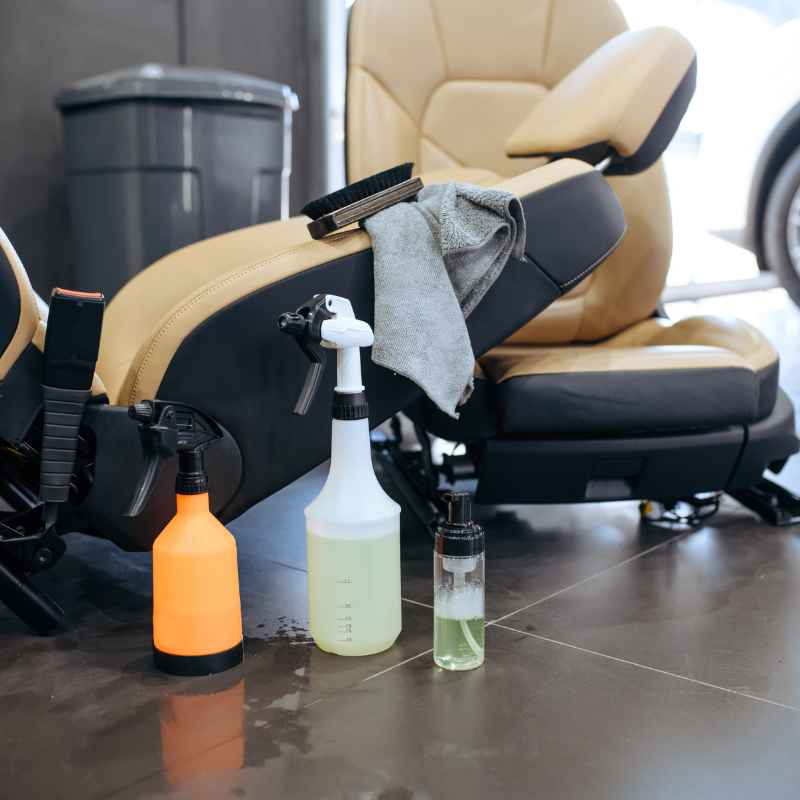
Enzyme Cleaners are Your Best Friend: These are specifically designed to break down organic matter like urine. Look for cleaners that mention “enzymes” or “bio-enzymes.” They consume the odor-causing molecules. Regular cleaners might just mask the smell.
DIY Vinegar Solution: A 1:1 mix of white vinegar and water can help. Vinegar is acidic and can help neutralize alkaline urine odors. Test this in an inconspicuous spot first.
Avoid Harsh Chemicals: Bleach or ammonia-based cleaners can damage leather. They can strip its natural oils, leading to cracking. Stick to products designed for leather or organic odor removal.
Applying the Cleaner Gently
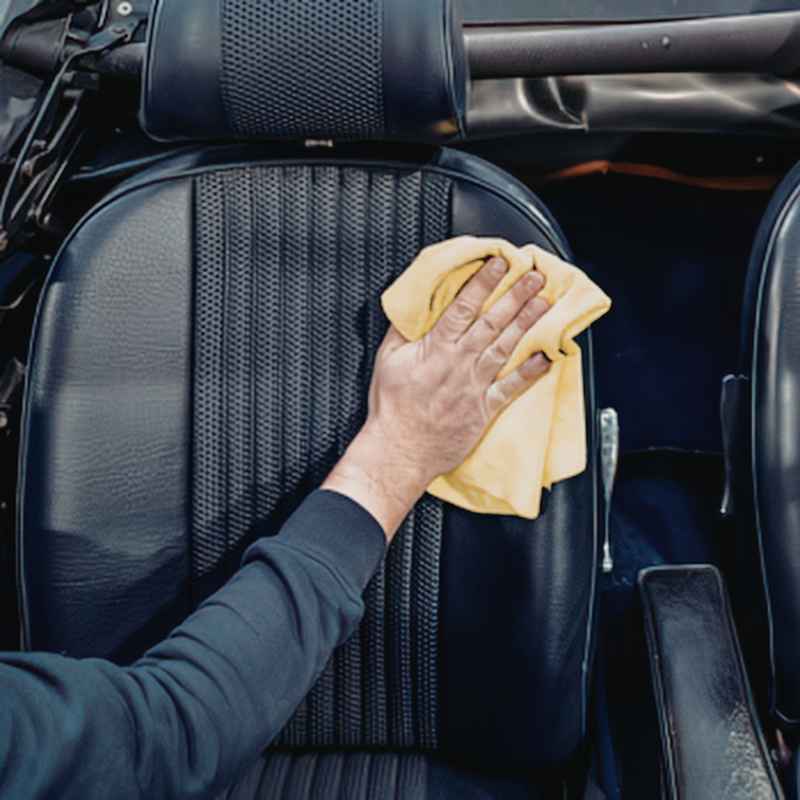
Dampen, Don’t Soak: Apply your chosen cleaner to a clean microfiber cloth. You want the cloth to be damp, not dripping wet. Too much liquid can also harm the leather.
Work It In: Gently dab and blot the affected area. Work from the outside of the stain inward to avoid spreading it. Allow the cleaner to sit for the time recommended on the product label.
This is when the enzymes get to work.
Rinse and Blot: After the dwell time, take a clean, damp cloth with plain water to gently wipe away any cleaner residue. Then, blot the area dry with another clean, dry cloth.
Drying and Conditioning for Leather Health
Air Dry: Let the seat air dry completely. Avoid using heat, like a hairdryer, as it can warp or damage the leather. Open car doors or windows to help with airflow.
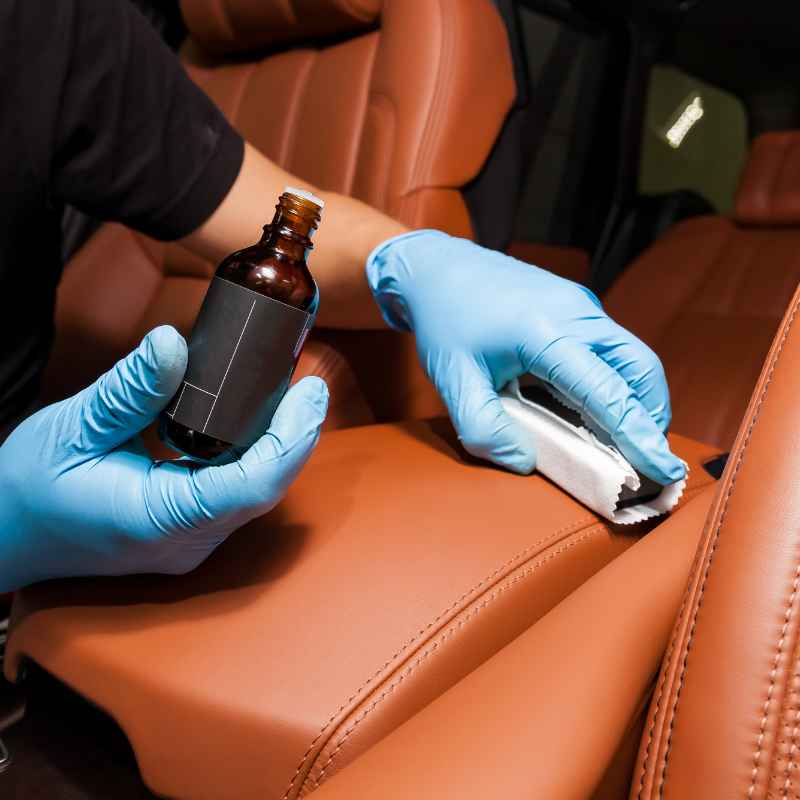
Leather Conditioner is Crucial: Once the leather is dry, apply a good quality leather conditioner. This replenishes the natural oils that cleaning might have stripped. It keeps the leather soft and prevents it from drying out or cracking.
It also helps seal the surface.
Dealing with Lingering Odors
Baking Soda Method: If the smell persists, sprinkle a generous amount of baking soda over the affected area. Let it sit for several hours or overnight. Baking soda is a natural odor absorber.
Vacuum it up thoroughly afterwards.
Activated Charcoal: Place bowls of activated charcoal inside the car. This is another excellent odor absorber. Leave them in the car for a few days, with windows closed, to soak up any residual smells.
Ozone Generator (Professional Use): For very stubborn odors, a professional might use an ozone generator. These machines create ozone gas that breaks down odor molecules. This should only be used with extreme caution and by professionals, as ozone can be harmful.
Why Enzyme Cleaners Are Your Secret Weapon
Let’s dive deeper into why enzyme cleaners are so effective. Think of enzymes as tiny biological workers. They are proteins that speed up chemical reactions.
In the case of urine, specific enzymes in the cleaner target the uric acid crystals and other organic compounds. They literally eat away at them. This process breaks down the odor-causing molecules into odorless components like carbon dioxide and water.
This is different from many air fresheners or typical cleaners. They often just cover up the smell with a stronger fragrance. Or they might chemically neutralize the odor temporarily.
But the uric acid crystals remain. They can reactivate later. Enzyme cleaners actually eliminate the source of the smell.
This is why they are so important for dealing with pet accidents, vomit, or other organic messes.
When using an enzyme cleaner, it’s important to follow the instructions. Most require you to apply the cleaner and let it sit for a specific amount of time. This “dwell time” is when the enzymes are active and working.
Some might need a light scrub, while others just need to air dry. Make sure the cleaner penetrates the stain. If the urine went deep, you might need to apply it multiple times.
Patience is key here. The enzymes need time to do their job thoroughly.
The Importance of Testing First
Before you go all-in with any cleaning solution, whether it’s a commercial product or a DIY mix, always test it. Leather is a sensitive material. Some dyes or finishes can react poorly to certain chemicals.
Find a small, hidden spot on your leather seat. This could be on the underside of the seat or a less visible seam.
Apply a small amount of your cleaner to this test spot. Let it sit for the recommended time. Then, gently wipe it away.
Check the spot for any discoloration, fading, or texture changes. If the test spot looks good, you can proceed with cleaning the main area. This small step can save you from a much bigger problem down the road.
Different types of leather might also require different care. For example, aniline and semi-aniline leathers are more delicate than pigmented or protected leathers. Always check your car’s manual or the manufacturer’s recommendations for leather care if you’re unsure.
This ensures you’re using the safest and most effective products for your specific car interior.
Real-World Scenarios and Prevention
Accidents happen, especially with pets or young children in the car. Understanding common scenarios can help you be better prepared.
Scenario: The “Road Trip Mishap”
Situation: A long drive with a dog who isn’t used to extended travel. They get car sick or have an accident due to anxiety or motion sickness.
Why it’s tough: The accident might go unnoticed for a while. It can soak deep into the seat before you can address it. The longer it sits, the harder it is to remove the odor.
Prevention/Mitigation: Use waterproof seat covers for pets. Take frequent breaks for pets to relieve themselves. Keep a pet-specific odor and stain remover kit in your car.
Scenario: The “Toddler’s Spill”
Situation: A toddler has a diaper leak or spills a drink that has traces of urine-like compounds (e.g., some formula spills).
Why it’s tough: Young children can be unpredictable. You might not realize the extent of the mess until much later. Leather can absorb even small amounts.
Prevention/Mitigation: Use car seat liners or waterproof covers for young children. Clean up spills immediately. Consider a quick wipe-down with a leather-safe cleaner after messy outings.
Scenario: The “Mystery Odor”
Situation: You notice a faint urine smell but can’t pinpoint the source. It seems to come and go.
Why it’s tough: The source is hidden. It could be a dried-up spot that reactivates with humidity. It might be in a seam or crack.
Prevention/Mitigation: Regular, thorough cleaning and conditioning of your leather seats. Be vigilant about any new smells and investigate them promptly. Consider using odor absorbers like baking soda or activated charcoal periodically.
Prevention is always better than cure. For pet owners, consider a durable, waterproof pet seat cover. These can save your leather from many potential accidents.
For parents, car seat liners can be a lifesaver. Make it a habit to do a quick visual check of your car seats after trips, especially with kids or pets. A quick wipe-down can prevent future headaches.
When to Call in the Professionals
Sometimes, despite your best efforts, the smell just won’t go away. Or maybe the accident was particularly bad, involving a large amount of urine or a very old stain. In these cases, it might be time to call a professional auto detailer.
They have specialized tools and products that you might not have at home.
Professionals have access to industrial-strength enzyme cleaners and professional-grade steam cleaners. They also know how to use equipment like ozone generators safely and effectively. If the urine has soaked through the leather into the foam padding beneath, a professional can often address that deeper issue.
They can also identify if there’s mold or mildew starting to grow, which can contribute to foul odors.
Don’t feel discouraged if you need professional help. Leather is a tricky material. Sometimes, an expert touch is required to get the best results.
It’s an investment in keeping your car looking and smelling its best. It can save you a lot of frustration in the long run if you’ve tried everything else.
What This Means for You and Your Car
Dealing with urine smell on leather seats can be stressful. But knowing the right steps can turn that stress into a successful cleanup. The key takeaways are:
Speed Matters: The sooner you address the spill, the easier it will be to remove the odor.
Enzymes are Essential: Use enzyme-based cleaners for organic odors. They break down the smell at its source.
Gentle Approach: Always test cleaners first and use them sparingly on leather. Avoid harsh chemicals.
Conditioning is Crucial: After cleaning, recondition the leather to keep it healthy.
Patience Pays Off: Some odors take time and multiple treatments to disappear completely.
Understanding that this is a process, not a quick fix, is important. It might take a few applications of cleaner. You might need to try a couple of different methods.
But by following these guidelines, you can restore your car’s interior to a fresh and pleasant state. You’ll feel so much better driving your car again. The relief from not having to smell that odor every time you get in is worth the effort.
Quick Fixes and Tips for Leather Odor
Here are some extra tips to keep in mind:
- Ventilation: Always ensure good airflow when cleaning. Open doors and windows.
- Microfiber is Best: Use soft microfiber cloths. They are gentle on leather and highly absorbent.
- Multiple Passes: Don’t be afraid to repeat the cleaning process if the smell is still present.
- Check Underneath: If possible, check the underside of the leather seat for any absorbed material or moisture.
- Regular Cleaning: Making regular interior cleaning a habit can prevent minor spills from becoming major odor problems.
Sometimes, a quick spot treatment with a leather-safe disinfectant wipe can handle minor accidents immediately. These wipes are designed to kill bacteria and help with initial odor control before a deeper treatment is needed. Always check that they are safe for automotive leather.
Frequently Asked Questions
Can I use regular household cleaners on leather car seats?
No, it’s best to avoid regular household cleaners. Many contain harsh chemicals like ammonia or bleach that can damage leather by stripping its natural oils and causing discoloration or cracking. Always opt for cleaners specifically designed for leather or for organic odor removal.
How long does it take for urine smell to disappear from leather?
The time it takes for urine smell to disappear can vary greatly. If you catch it immediately and use the right products, it might be gone in a day or two after cleaning and drying. For older or deeper stains, it could take several treatments over a week or more. Patience is key.
Will vinegar damage my leather car seats?
A diluted vinegar solution (1:1 with water) is generally safe for most types of leather if used carefully and tested first. However, overuse or using it undiluted can dry out the leather. Always test in an inconspicuous spot and follow up with a good leather conditioner.
What is the best way to prevent urine smell in my car?
Prevention is key. Use waterproof seat covers for pets and children. Take frequent breaks on long trips for potty needs. Clean up any spills or accidents immediately. Regular vacuuming and occasional wipe-downs with a leather-safe cleaner can also help.
Can I use baking soda on my leather car seats?
Yes, baking soda is an excellent natural odor absorber. You can sprinkle it over the affected area after cleaning and allow it to sit for several hours or overnight to soak up residual smells. Make sure to vacuum it up thoroughly afterwards. It is generally safe for leather.
My car still smells like urine after cleaning. What else can I do?
If the smell persists, the odor-causing molecules might still be present. Try using an activated charcoal odor absorber placed in the car for several days. Consider repeating the enzyme cleaner treatment, ensuring it penetrates deeply. For very stubborn odors, professional detailing services might be necessary.
Conclusion: A Fresh Start for Your Car
That urine smell on your leather car seats is a challenge, but it’s not an insurmountable one. With the right tools, a bit of patience, and a systematic approach, you can effectively remove it. Remember to act fast, use specialized cleaners, and always condition your leather.
Your car’s interior will feel fresh and inviting again, making every drive a pleasure.
Products related to this article
Sponsored / affiliate links. As an Amazon Associate I earn from qualifying purchases. I may earn additional commission from eligible campaigns.