How To Run Lithium Batteries For Car Audio (Full Setup)
Running lithium batteries for car audio can provide a powerful and stable energy source. This setup requires careful planning for voltage, capacity, and safety. It offers advantages like faster charging, lighter weight, and consistent power delivery, but demands attention to specific installation needs and protection circuits.
What is a Lithium Battery for Car Audio?
Think of your car’s battery as its energy bank. It stores power. This power then runs everything.
Your headlights, your engine starter, and yes, your car audio system. Traditional car batteries use lead-acid technology. This is a tried-and-true method.
But it has some limits.
Lithium batteries are newer for car audio. They use different materials inside. This gives them some cool benefits.
Lithium chemistries like Lithium Iron Phosphate (LiFePO4) are popular. They are known for being safe. They can also store a lot of energy.
They are lighter than old lead-acid types. This means less weight in your car. Less weight can help with performance.
The main job of any car battery is to supply steady power. Especially when your music is loud. Or when your car’s engine isn’t running.
A good battery keeps your voltage stable. This helps your amplifiers work well. It prevents sound from cutting out.
It can even make your sound clearer.
Why Consider Lithium for Car Audio?
So why would you switch from a regular battery to a lithium one? It’s mostly about performance and efficiency. Your car audio system needs a lot of power.
Especially the amplifiers. They draw a lot of amps when playing loud music. A weak battery can’t keep up.
This can cause problems.
One big issue is voltage sag. When your bass hits hard, your voltage can drop. This makes your music sound weaker.
It can even damage your equipment over time. Lithium batteries are much better at staying at a consistent voltage. They don’t sag as much under heavy load.
This means your amplifiers get the clean, stable power they need. Your sound quality stays high.
Lithium batteries are also much lighter. A typical lead-acid battery can weigh 40-60 pounds. Some high-performance ones are even heavier.
A lithium battery might weigh only 10-20 pounds. This weight saving can be significant. Especially if you’re building a competition car.
Or if you just want better gas mileage.
Another point is lifespan. Lithium batteries often last much longer. They can handle many more charge and discharge cycles.
This means you might not need to replace them as often. They also charge faster. This is great if you’re using your system a lot.
You won’t have to wait as long for the battery to get its power back.
Finally, safety is a big factor for lithium. While some older lithium types had issues, LiFePO4 batteries are very safe. They are less likely to overheat or catch fire.
They are designed to be stable. This is important in a car where things can get hot.
Understanding Car Audio Power Needs
To truly grasp why lithium batteries are great for car audio, we need to talk about power. Your car’s electrical system works on voltage. This is like the pressure of the electricity.
Most cars run on 12 volts. Your amplifiers and other gear are designed for this voltage.
But it’s not just the voltage. It’s also the amount of current. Current is measured in amps.
Your amplifier needs a lot of amps to make loud music. When the bass hits, it demands a huge surge of amps. Your battery must be able to supply this surge without its voltage dropping.
Let’s look at what happens. Your alternator charges your battery. It keeps the system running.
But when you play loud music, you often use more power than the alternator can supply. The extra power comes from the battery. If the battery can’t supply it quickly, the voltage drops.
This is voltage sag. It’s a common problem in powerful car audio systems.
A small battery might only be able to supply a certain amount of current for a short time. A larger, more powerful battery can supply more current for longer. This is where capacity matters.
Battery capacity is measured in amp-hours (Ah). A higher Ah rating means the battery can supply a certain amount of current for a longer time.
For car audio, you need a battery that can handle both high current spikes and provide steady voltage. This is where lithium batteries shine. They have a very low internal resistance.
This means they can deliver current very quickly. They also maintain a more stable voltage under load.
The Different Types of Lithium Batteries
When people talk about lithium batteries, they might be thinking of different kinds. For car audio, we usually focus on specific types. The most common and safest for this use is Lithium Iron Phosphate.
This is often called LiFePO4.
Other lithium types exist, like Lithium Cobalt Oxide (LiCoO2) or Lithium Manganese Oxide (LiMn2O4). These are common in electronics like laptops and phones. But they can be more prone to thermal runaway.
This means they can overheat. They aren’t ideal for the demanding environment of a car’s engine bay or trunk.
LiFePO4 batteries are different. They have a more stable chemical structure. This makes them much safer.
They can also handle more charge cycles. This means they last longer. They are also designed to work well in a wider temperature range.
This is important for a car.
You’ll find LiFePO4 batteries in different forms. Some look like regular car batteries. They have the same size and terminal type.
These are often called “drop-in replacements.” They are the easiest to install. Others are in smaller, modular “power cells.” These can be arranged to fit specific spaces.
When choosing a LiFePO4 battery for your car audio, consider its specifications. Look at the continuous discharge rate. This tells you how much current it can safely provide all the time.
Also, check the peak discharge rate. This is important for those bass notes. And, of course, look at the amp-hour rating.
Some LiFePO4 batteries come with a built-in Battery Management System (BMS). This is a very important safety feature. The BMS protects the battery.
It prevents overcharging, over-discharging, and short circuits. It can even balance the cells inside the battery. This ensures everything works correctly and safely.
Always choose a battery with a good BMS.
Setting Up Your Lithium Battery System
Installing a lithium battery for car audio is not quite the same as just swapping out your old lead-acid battery. It requires a bit more care. But with the right steps, it’s very doable.
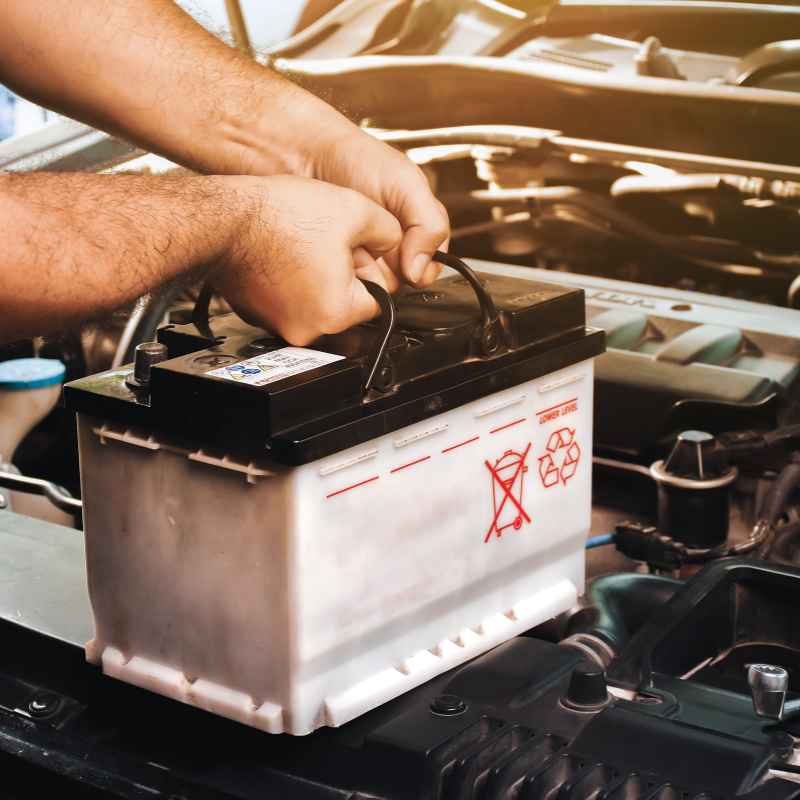
First, you need to decide where your battery will go. Many people use the stock location under the hood. This is convenient.
But some prefer to put it in the trunk. This can help with weight distribution. It also keeps the battery cooler.
Heat is not good for batteries. If you put it in the trunk, you’ll need longer battery cables.
Make sure the area where the battery will sit is secure. It shouldn’t move around. Use a strong battery box or bracket.
This prevents damage to the battery. It also keeps it safe in case of an accident.
You’ll need to connect your new lithium battery. Most LiFePO4 batteries for cars have standard terminals. They look like the ones on your old battery.
You’ll connect your main car positive and negative cables to these terminals. Use good quality cables. Make sure they are the right gauge for your system’s power needs.
A crucial part of a lithium setup is a main fuse. This fuse goes between the battery’s positive terminal and your amplifier’s power distribution block. It protects your entire system.
It should be rated appropriately for your amplifiers. If something goes wrong, this fuse will blow. It prevents a fire or damage.
If your lithium battery doesn’t have a built-in BMS, you might need an external one. Or you need to be very careful with charging. A BMS is highly recommended.
It adds a vital layer of safety. It protects the battery from damage and ensures its longevity.
Also, consider how you will charge your battery. Your car’s alternator will charge it when the engine is running. But it’s important that your alternator is compatible with lithium batteries.
Most modern alternators are fine. Older ones might need a check.
If you’re installing a very large system, you might need more than one lithium battery. In this case, you’ll wire them together. This is called wiring in parallel.
This increases the amp-hour capacity. It allows the batteries to share the load. Always follow the manufacturer’s instructions for wiring multiple batteries.
Here’s a handy list of things to consider when setting up:
- Battery Type: Always choose LiFePO4 for car audio safety and performance.
- Location: Decide if under the hood or in the trunk is best for your setup.
- Secure Mounting: Use a strong box or bracket to keep the battery firmly in place.
- Cables: Use thick, high-quality cables for all connections.
- Main Fuse: Install a properly rated fuse between the battery and your system.
- BMS: Ensure your battery has a Battery Management System for safety and longevity.
- Alternator Compatibility: Check if your car’s alternator works well with lithium charging.
- Multiple Batteries: If needed, wire them in parallel for more capacity, following guidelines.
Essential Components for Your Lithium Setup
Battery: The core LiFePO4 battery with a good BMS.
Wiring: High-gauge copper cables for positive and negative connections.
Terminals: Clean and secure battery terminal connectors.
Fuse Holder: A robust holder for your main system fuse.
Main Fuse: Sized to protect your amplifiers and wiring.
Mounting Kit: A secure way to hold the battery in place.
Optional: Capacitor (for extreme bass) or secondary batteries.
Understanding Capacity (Amp-Hours)
One of the most common questions people have is about battery capacity. This is usually measured in Amp-Hours (Ah). What does this number actually mean for your car audio?
Think of amp-hours like the fuel tank size of your battery. A higher number means a bigger tank. A battery with 100 Ah can theoretically supply 10 amps for 10 hours.
Or 1 amp for 100 hours. Of course, real-world use is more complex.
For car audio, it’s not just about how long the battery can last. It’s also about how much current it can deliver quickly. Lithium batteries are good at this.
Even a smaller Ah battery can often deliver high current. This is because of their low internal resistance.
How much capacity do you need? This depends heavily on your system. If you have a small system with a moderate amplifier, you might not need a huge battery.
A 30-50 Ah LiFePO4 battery could be enough. This is often similar to a stock battery’s capacity.
If you have multiple powerful amplifiers and subwoofers, you’ll need more capacity. For these systems, batteries in the 100 Ah to 200 Ah range are common. Some extreme setups might use even more.
Adding more batteries in parallel is how you increase total capacity.
It’s a balance. You don’t want a battery that’s too small. It will sag in voltage and won’t perform well.
But you also don’t want one that’s excessively large and heavy if you don’t need it. It adds cost and weight.
A good rule of thumb is to look at your amplifier’s power draw. Check its manual for “current draw at max power.” Your battery system should be able to supply that current. And it should have enough capacity to keep your voltage stable during loud passages.
Amp-Hour Rating Simplified
What it means:
Larger Amp-Hour = More Energy Storage.
Real-world impact:
How long your system can play at a certain volume without draining the battery.
Crucial for: Steady voltage during loud bass notes.
Choosing the right size:
Small System: 30-60 Ah might be fine.
Medium System: 60-100 Ah is a good start.
Large System: 100+ Ah often needed.
Always check amplifier draw and system needs.
Battery Management Systems (BMS) Explained
We’ve touched on the BMS before. It’s so important, let’s talk about it more. A Battery Management System is like the brain of your lithium battery.
It watches over everything happening inside.
Lithium batteries are powerful. But they need protection. A BMS does several key jobs.
First, it prevents overcharging. If you try to put too much charge into the battery, the BMS stops it. This prevents damage.
It also prevents overheating.
Second, it prevents over-discharging. Draining a lithium battery too much can permanently damage its cells. The BMS monitors the voltage.
If it gets too low, it disconnects the battery. This saves it from harm.
Third, it protects against short circuits. If there’s a direct connection between positive and negative, the BMS cuts power. This is a critical safety feature.
Fourth, many BMS units perform cell balancing. A battery is made of multiple cells. Sometimes, these cells don’t charge or discharge at exactly the same rate.
Cell balancing ensures all cells stay at a similar voltage. This maximizes the battery’s overall capacity and lifespan.
Finally, some BMS units also monitor temperature. If the battery gets too hot or too cold, it can shut down. This prevents damage.
It also helps maintain performance in extreme conditions.
When you buy a LiFePO4 battery for car audio, look for one with a robust BMS. This is your primary safety net. It ensures the battery performs as intended.
And it keeps you and your car safe. A good BMS is non-negotiable for car audio applications.
Some high-end systems use external BMS units. These are more complex. They offer advanced monitoring and control.
But for most car audio enthusiasts, a good built-in BMS is perfectly adequate and much simpler to install.
Connecting Your System: The Electrical Flow
Let’s trace the path of power from your new lithium battery to your speakers. Understanding this flow helps appreciate the system’s needs.
It starts at the lithium battery. The negative terminal connects directly to your car’s chassis. This is the ground.
All electrical systems need a good ground connection.
The positive terminal connects to your main power cable. This cable runs towards your amplifiers. Before it gets to the amplifiers, it passes through a main fuse or fuse holder.
This is your system’s primary safety device.
From the main fuse, the power goes to a power distribution block. This block splits the single power cable into multiple cables. Each of your amplifiers gets its own connection from this block.
Each amplifier also needs a ground connection. This is usually a thick cable running from the amplifier’s ground terminal back to the car’s chassis. A good ground is as important as a good positive connection.
The amplifier takes the power from the battery. It uses this power to boost the low-level audio signal from your head unit. The stronger the signal and the more power the amplifier has, the louder your speakers can play.
Your head unit also draws power. It needs a stable 12V source. It also needs a ground connection.
Think of it like a plumbing system. The battery is the main water tank. The cables are the pipes.
The amplifiers are the faucets. The fuse is like a safety valve. The BMS is the system that makes sure the tank doesn’t leak or overflow.
If any part of this chain is weak, the whole system suffers. A weak cable can heat up. A bad ground can cause noise.
An undersized fuse can blow unnecessarily. And an inadequate battery means your amplifiers won’t get enough clean power.
Power Flow Breakdown
1. Lithium Battery: Provides stable 12V power.
2. Main Power Cable: Carries power from the battery.
3. Main Fuse: Protects the entire system.
4. Power Distribution Block: Splits power for multiple amps.
5. Amplifier Power Inputs: Receives power to boost audio signals.
6. Amplifier Ground Cables: Connects amp to car chassis for a solid ground.
7. Speakers: Receive the amplified signal to produce sound.
Real-World Scenarios and Use Cases
Let’s paint some pictures of how lithium batteries change the car audio game. These are situations I’ve seen or experienced firsthand.
Scenario 1: The Weekend Warrior with a Big System
My friend, Mark, loves bass. He has two massive subwoofers in his trunk. They are powered by a 3000-watt amplifier.
For years, he struggled with his old lead-acid battery. Every time he played his favorite song with a deep bass drop, his headlights would dim. His sound would even cut out sometimes.
He was frustrated. He thought he needed a bigger alternator. But the real issue was his battery couldn’t supply the quick bursts of power needed.
We helped him install a 150 Ah LiFePO4 battery. The change was night and day. His voltage stayed rock solid.
The bass hit harder and cleaner than ever before. His headlights no longer dimmed. He was so happy he could finally hear his music as it was meant to be heard.
Scenario 2: The Daily Driver Who Wants Better Sound
Sarah drives a small SUV for her commute. She upgraded her front speakers and added a modest amplifier. She noticed that on longer drives, or when she played music at a decent volume, her sound would start to sound a bit distorted.
Her stock battery was old and tired. It wasn’t providing enough consistent power. We recommended a smaller LiFePO4 battery, about 50 Ah.
It was lighter than her old battery. More importantly, it kept the voltage steady. The clarity of her new speakers came through much better.
She didn’t have to worry about her battery dying on her. It was a simple upgrade that made a big difference in her daily listening experience.
Scenario 3: The Competition Build Focused on Weight
I worked on a car once that was built for sound quality competitions. Every ounce mattered. The owner had a top-of-the-line amplifier and speakers.
He was using a very expensive, heavy-duty lead-acid battery. We convinced him to switch to a specialized, ultra-lightweight LiFePO4 power cell. The battery weighed less than 15 pounds!
It still had more than enough capacity and discharge rate for his system. Not only did he save significant weight, but the stable voltage from the lithium battery also helped him achieve a more accurate and dynamic sound. The judges noticed the improvement.
These examples show that lithium batteries aren’t just for extreme systems. They offer benefits across the board. From daily drivers to show cars to competition vehicles.
Real-World Applications at a Glance
Daily Commuter Upgrade
Goal: Clearer sound, better reliability.
Solution: A smaller, lighter LiFePO4 battery (e.g., 50 Ah).
Benefit: Consistent voltage, improved speaker clarity, less strain on alternator.
Bass Enthusiast’s Dream
Goal: Deeper, cleaner bass, no voltage sag.
Solution: Larger capacity LiFePO4 battery (e.g., 100+ Ah) or multiple batteries.
Benefit: Rock-solid voltage under heavy load, powerful and dynamic bass response.
Competition Car Advantage
Goal: Maximum performance, weight reduction.
Solution: Lightweight, high-performance LiFePO4 power cells.
Benefit: Significant weight savings, stable power for ultimate sound quality.
Is a Lithium Battery Right for Your Car Audio?
So, after all this, is it worth it for you to switch to a lithium battery? The answer depends on your goals and your current setup.
You should consider a lithium battery if:
- You have a powerful amplifier or multiple amplifiers. These systems demand a lot of stable power. A lithium battery will perform much better.
- You experience voltage sag. If your lights dim or your sound cuts out when the bass drops, a lithium battery can fix this.
- You want better sound quality. Stable voltage means cleaner sound.
- You want to reduce weight. Lithium batteries are significantly lighter than lead-acid types.
- You want a longer-lasting battery. LiFePO4 batteries have a much longer cycle life.
- You are building a new system. It’s the perfect time to start with the best power source.
You might not need one if:
- You have a very basic factory system. Your stock battery is likely sufficient.
- You have a very small amplifier. The power demands might be low enough for a good quality lead-acid battery.
- Your budget is extremely tight. Lithium batteries are an investment.
It’s also important to remember that while LiFePO4 batteries are safe, proper installation is key. Always follow manufacturer guidelines. If you’re not comfortable with electrical work, get a professional to install it for you.
Safety first!
The benefits of a stable, powerful energy source are undeniable for car audio. Lithium batteries provide that. They are an investment in your sound system’s performance and longevity.
When is Voltage Sag a Problem?
Voltage sag is the enemy of good car audio. It’s that dip in power when your music gets intense. Understanding when it happens helps you know if you need an upgrade.
It happens when your amplifiers demand more current than your battery and alternator can supply. Think of it like trying to drink a thick milkshake through a thin straw. The flow gets restricted.
You’ll likely experience voltage sag if:
- Your car stereo distorts at higher volumes. This is often because the amp isn’t getting enough power.
- Your headlights dim when the bass hits. This is a direct sign of voltage dropping.
- Your sound system cuts out during loud passages. The amplifier might be shutting down due to low voltage.
- You have a large amplifier (e.g., 1000 watts or more). These draw significant current.
- You have multiple amplifiers or subwoofers. The combined power draw can be immense.
- Your battery is old or weak. It can no longer hold a charge or deliver current effectively.
A weak battery can also stress your alternator. It has to work harder to try and keep up. This can shorten its lifespan.
A good lithium battery helps your alternator too.
If you notice any of these signs, it’s a strong indicator that your current battery isn’t up to the task. Upgrading to a lithium battery, especially a LiFePO4 type, can resolve these issues. It ensures your amplifiers get the consistent power they need.
This results in cleaner sound and protection for your equipment.
Installation Tips and Safety Precautions
Installing any car battery involves some risk. Lithium batteries, while safe, still require careful handling. Here are some essential tips and precautions.
Always disconnect the negative terminal first. This prevents accidental shorts. When reconnecting, connect the negative terminal last. This is standard practice for all car electrical work.
Wear safety glasses. While LiFePO4 is safer, it’s always wise to protect your eyes.
Use the correct tools. Make sure your wrenches and sockets fit snugly on the terminals. Avoid using tools that might slip and short the terminals.
Ensure good connections. Clean the battery terminals and your cable ends. Loose connections can cause resistance, heat, and poor performance. Use a wire brush to clean them.
Properly fuse your system. The main fuse is critical. Make sure it’s rated correctly for your amplifiers. Install it as close to the battery as possible.
Secure the battery firmly. A loose battery can short out. It can also be a hazard in an accident. Use a battery hold-down kit.
If installing in the cabin or trunk, ensure proper ventilation. While LiFePO4 batteries are sealed, good airflow is always beneficial for battery health and safety.
Never try to charge a frozen lithium battery. Wait for it to warm up to above freezing temperatures before charging.
Read the manufacturer’s manual. Every battery is slightly different. The manual will have specific instructions for installation and maintenance.
If you are unsure about any part of the installation, consult a professional car audio installer. It’s better to pay for expert help than to risk damage or injury.
Quick Safety Checklist
- Disconnect Negative First: Always.
- Safety Glasses: Protect your eyes.
- Correct Tools: Avoid slips and shorts.
- Clean Connections: Ensure good electrical flow.
- Main Fuse is Essential: Protect your system.
- Secure Battery: Prevent movement and hazards.
- Ventilation: Important for batteries in enclosed spaces.
- Consult Manual: Follow specific product instructions.
- Seek Professional Help: If you’re not confident.
Maintenance and Longevity of Lithium Batteries
One of the great things about LiFePO4 batteries is their longevity. They are designed to last for many years. But a little bit of care can extend their life even further.
Keep them clean. Wipe down the battery terminals and casing periodically. Corrosion can build up over time. This hinders electrical connections.
Avoid extreme temperatures. While LiFePO4 is more tolerant than other types, prolonged exposure to very high heat or extreme cold can reduce performance and lifespan. If possible, keep the battery in a temperate location.
Do not over-discharge. This is where the BMS is crucial. It prevents you from draining the battery too low. If you notice your system cutting out frequently, it might be a sign that the battery is being pushed too hard or needs a charge.
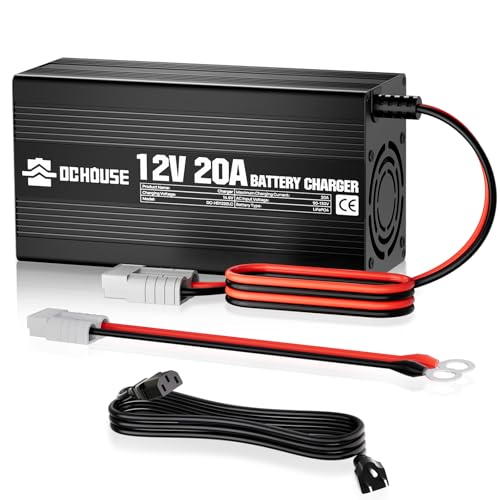
Ensure proper charging. Your car’s alternator should charge it properly. If you use an external charger, make sure it’s compatible with LiFePO4 batteries. Most modern chargers are.
Check your connections regularly. As mentioned in safety, ensure cables are tight and clean. This prevents issues before they start.
With proper care, a LiFePO4 battery can last 10-20 years. This is much longer than a typical lead-acid battery. This makes the initial investment worthwhile over time.
Comparing Lithium vs. Lead-Acid for Audio
Let’s do a quick comparison to really see the differences.
Lithium (LiFePO4) vs. Lead-Acid Battery Comparison
| Feature | Lithium (LiFePO4) | Lead-Acid |
|---|---|---|
| Weight | Much Lighter (e.g., 10-20 lbs) | Heavy (e.g., 40-60+ lbs) |
| Voltage Stability | Excellent, very little sag | Prone to sag under load |
| Lifespan (Cycles) | Very Long (2000-5000+ cycles) | Shorter (300-1000 cycles) |
| Charge Speed | Fast | Slower |
| Energy Density | Higher | Lower |
| Cost (Initial) | Higher | Lower |
| Maintenance | Minimal | Requires watering (if applicable), terminal cleaning |
| Safety | Very Safe (LiFePO4) | Corrosive acid, explosive gases possible |
As you can see, lithium batteries offer significant advantages for car audio. The higher initial cost is often offset by the longer lifespan and superior performance.
Advanced Setups: Multiple Batteries and Capacitors
For those pushing the limits of car audio, you might consider even more advanced setups. This often involves using multiple lithium batteries or adding a capacitor.
Multiple Lithium Batteries: If you have extremely high power demands, you might need more than one lithium battery. These are typically wired in parallel. Wiring in parallel connects all the positive terminals together and all the negative terminals together.
This increases the total amp-hour capacity. It allows the batteries to share the load. Always use identical batteries and follow the manufacturer’s wiring recommendations.
A good BMS is even more critical with multiple batteries.
Supercapacitors (Power Capacitors): Capacitors act as a temporary power buffer. They store a small amount of energy. When your amplifier needs a quick burst of power for a bass note, the capacitor can supply it instantly.
This can help reduce voltage sag, even with a good battery. However, capacitors are not a replacement for a good battery. They are a supplement.
They can be expensive and add complexity. For most users, a high-quality lithium battery is sufficient on its own.
The decision to add these advanced components depends on your specific system’s power draw and your goals. For most enthusiasts, a single, properly sized LiFePO4 battery will provide a massive improvement.
Frequently Asked Questions
What is the difference between a regular car battery and a lithium car battery?
Click to expand
Regular car batteries use lead-acid technology. They are heavy and prone to voltage sag. Lithium car batteries, specifically LiFePO4, are much lighter.
They offer superior voltage stability, faster charging, and a much longer lifespan. They are also generally safer with built-in protection.
Can I just swap my lead-acid battery for a lithium battery?
Click to expand
Yes, many LiFePO4 batteries are designed as “drop-in replacements” for lead-acid batteries. They use the same size and terminal configuration. However, it’s crucial to ensure your system’s charging (alternator) is compatible and that the lithium battery has a Battery Management System (BMS) for safety.
How long do lithium batteries last in a car audio system?
Click to expand
LiFePO4 batteries are designed for a very long life. They can typically last for 2,000 to 5,000 charge and discharge cycles. This can translate to 10-20 years of use in a car audio application, far exceeding the lifespan of most lead-acid batteries.
Will a lithium battery make my car audio louder?
Click to expand
A lithium battery itself doesn’t make your system louder. However, by providing stable, clean power and preventing voltage sag, it allows your amplifiers to perform at their best. This can result in clearer sound, better dynamics, and the perception of a more powerful system.
What is the main risk of using lithium batteries in cars?
Click to expand
The primary risk comes from using the wrong type of lithium chemistry or improper installation. Using LiFePO4 (Lithium Iron Phosphate) chemistry significantly reduces risks. Essential safety measures include using a Battery Management System (BMS) and ensuring proper fusing and secure mounting.
Do I need a special charger for a lithium car battery?
Click to expand
Your car’s alternator will charge the battery when the engine is running. Most modern alternators are compatible with LiFePO4 batteries. If you use an external battery charger, ensure it is specifically designed for LiFePO4 chemistry.
Using the wrong charger can damage the battery.
Do lithium batteries need a capacitor?
Click to expand
While a capacitor can help provide instantaneous power for bass notes and reduce voltage sag, it is not a
Final Thoughts on Powering Your Sound
Upgrading your car audio system with a lithium battery is a smart move. It provides the stable, powerful energy your amplifiers crave. This means cleaner sound, deeper bass, and a more reliable experience.
While the initial cost might be higher, the benefits in performance, longevity, and weight savings are substantial. Do your research, choose a quality LiFePO4 battery with a BMS, and install it safely. Your ears will thank you.
Products related to this article
Sponsored / affiliate links. As an Amazon Associate I earn from qualifying purchases. I may earn additional commission from eligible campaigns.