How to Heat a Car in Winter: Fast and Safe Ways to Stay Warm
Quick answer: The fastest way to heat a car is to start the engine, set the fan to defrost (fresh air, not recirculate) until the windshield clears, then switch to recirculate mode with the temperature on high once the cabin starts warming. Never run a car inside a closed garage to heat it — the exhaust builds up carbon monoxide even with the garage door partly open.
Winter mornings can turn a five-minute drive into a fifteen-minute wait for warm air and a clear windshield. Most of that time is wasted because people skip a couple of simple steps — or, worse, they try to shortcut the wait by warming the car up somewhere it shouldn’t be running at all. Here’s how to heat a car quickly and safely, plus the mistakes that either slow you down or put you at real risk.
How to Heat a Car Fast
WARMS THE CABIN WITHOUT IDLING THE ENGINE
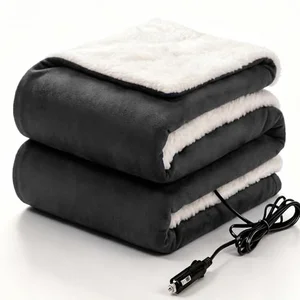 |
Sealy 12-Volt Electric Heated Car Blanket – $39.99 Plugs straight into any 12V outlet so you can stay warm on short trips or while parked without idling the engine at all.
|
Follow these steps in order for the quickest results:
- Start the engine. A modern engine doesn’t need to warm up while idling — it’s fine to start driving gently right away, and driving actually warms the engine (and cabin) faster than sitting still.
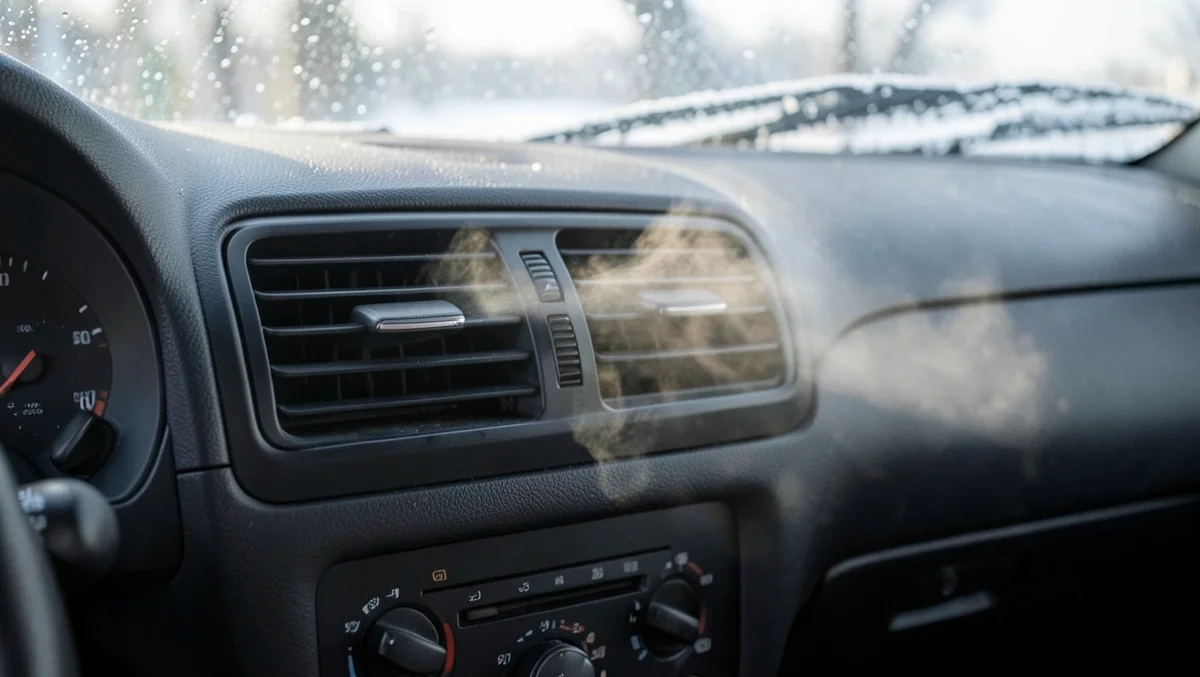
- Set the climate control to defrost/defog with fresh (outside) air, not recirculate. Fresh air is drier, so it clears the windshield faster instead of fogging it back up.
- Turn the temperature dial to full hot and the fan to a high setting.
- Once the windshield is clear and the cabin starts to feel warm, switch to recirculate mode. Recirculated cabin air heats up faster than pulling in cold outside air.
- Turn on the heated seats and heated steering wheel, if equipped — they warm you directly and much faster than waiting for the whole cabin to heat up.
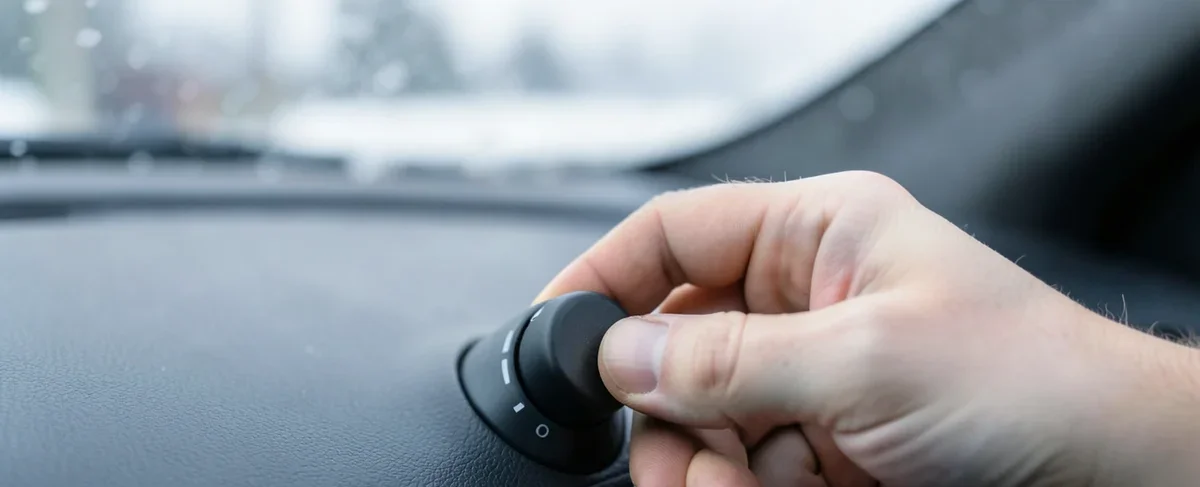
Defrost vs. Recirculate: Which One Actually Heats the Car Faster?
This is the part most car owners get backwards. Recirculate mode reuses the air already inside the car, so it heats up faster — but that same air is full of moisture from your breath, wet coats, and snowy boots, which is exactly what fogs up a cold windshield. Fresh (outside) air mode pulls in drier air from outside, which clears fog and frost faster but takes longer to heat because it keeps replacing warm cabin air with cold outside air.
The fix is to use both, in order: fresh air on defrost first to clear the glass, then recirculate once the windows are clear and you just need to hold the heat in. Leaving the car on recirculate the whole time is the single biggest reason people say their windshield “won’t clear” even with the heater cranked all the way up.
How to Heat a Car Without Running the Engine
Sometimes you want warmth without idling — a short errand, a parked car at a campsite, or simply not wanting to burn fuel sitting still. These are the electric, non-combustion options that actually work:
- 12V electric seat cushions or blankets — plug into the cigarette lighter/12V outlet and warm you directly in minutes, using far less power than running the whole climate system.
- Engine block heaters — an electric heating element plugged into a wall outlet overnight that warms the engine coolant before you start the car, so the heater blows warm air almost immediately once you do start it. Common in very cold climates.
- Remote start — if your car has it, remote start lets the engine (and heater) run for a few minutes before you get in, without you needing to be inside a closed space with it.
- Chemical hand and foot warmers, insulated blankets, and thermal layers — genuinely useful backups, especially for keeping kids or pets warm on a short cold-start drive.
What doesn’t work, and isn’t safe: any propane, kerosene, or other fuel-burning heater used inside the cabin. See the warning below — this is the same carbon monoxide risk as running the engine in an enclosed space, just from a different source of combustion.
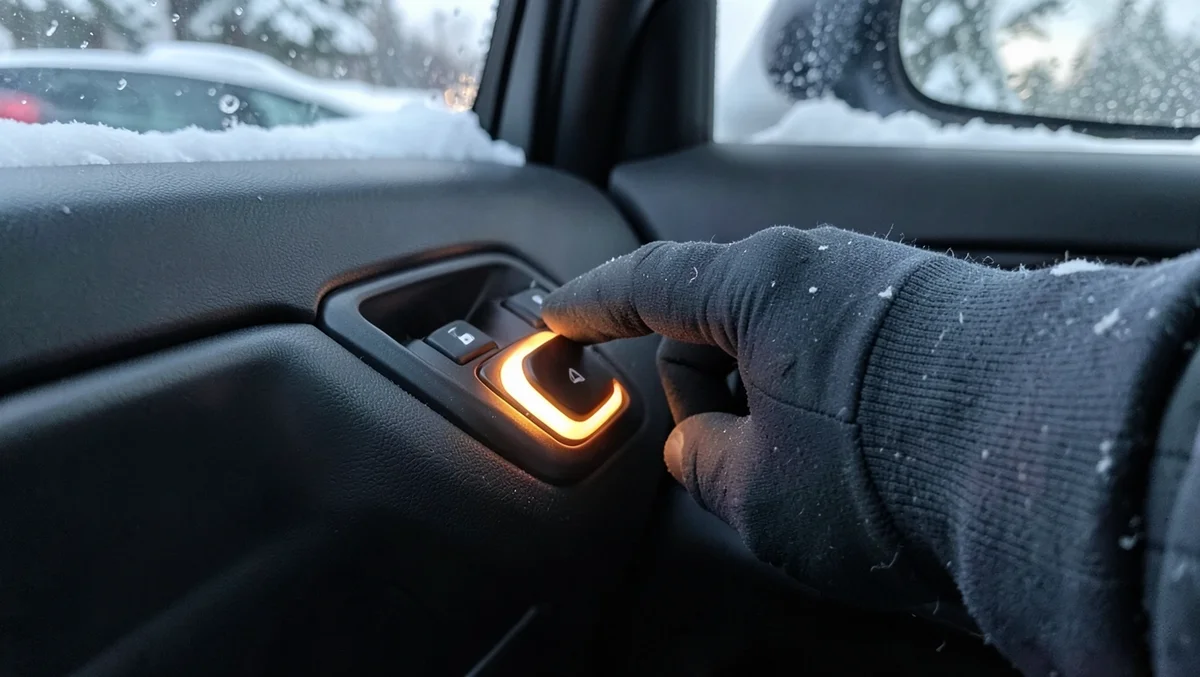
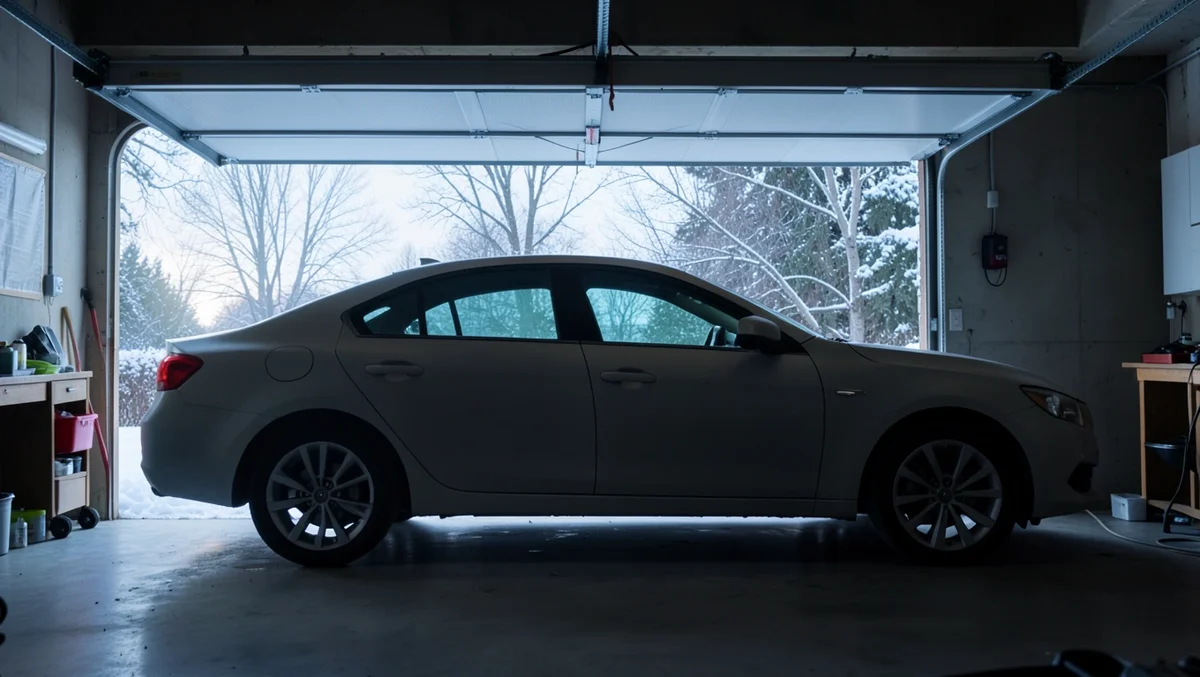
Carbon Monoxide Warning: Never Heat a Car This Way
⚠ Carbon Monoxide Poisoning Risk
Never run a car’s engine inside a closed or attached garage, even for a few minutes and even with the garage door partly open. A car’s exhaust contains carbon monoxide (CO), a colorless, odorless gas that builds up fast in any enclosed or semi-enclosed space and can be fatal within minutes. Cracking a window inside the car does not make it safe to idle in a garage — the garage itself, not the car’s cabin, is what needs open, unrestricted airflow to the outside.
Rules to follow every time:
- Only run the engine after backing the car fully out of the garage, or with the garage door completely open and no attached rooms above or beside it.
- Never use a propane, kerosene, charcoal, or other fuel-burning heater inside a car’s cabin or a closed garage — these produce carbon monoxide just like the engine does.
- Install a battery-powered carbon monoxide detector in your garage and near any attached living space; CO has no smell or color, so a detector is the only reliable early warning.
- If you or a passenger feels a sudden headache, dizziness, nausea, or confusion while the car is running in an enclosed space, get outside into fresh air immediately and seek medical help.
Preparing Your Car’s Heating System for Winter
If the heater is blowing cool or weak air even after the engine has fully warmed up, the problem is almost always one of these:
- Low coolant level. The heater works by circulating hot engine coolant through a small radiator (the heater core) and blowing air across it. If coolant is low, there isn’t enough hot liquid moving through the heater core to warm the air.
- A stuck-open thermostat. The thermostat controls how quickly the engine itself reaches operating temperature. A thermostat stuck open lets coolant circulate before it’s actually hot, so the engine (and the heater) takes far longer to warm up, and fuel economy drops too.
- A clogged or partially blocked heater core. Old, degraded coolant leaves rust and sludge that can restrict flow through the heater core specifically, even while the rest of the cooling system works fine.
- A dirty cabin air filter. This filter cleans the air before it reaches the heater vents. A clogged one restricts airflow, so even a fully working heater feels weak.
A quick pre-winter check — coolant level and condition, thermostat operation, and a fresh cabin air filter — catches most of these before the first cold snap.
How Long Should It Take to Heat a Car Up?
In most vehicles, the engine reaches a temperature where the heater blows genuinely warm air in about 5 to 10 minutes of driving, faster than idling in place. Full cabin warmth, especially in very cold climates, can take closer to 10 to 15 minutes. If your heater is still blowing cool air after 15 minutes of driving, that’s a sign of one of the issues above — low coolant, a stuck thermostat, or a blocked heater core — rather than something you can fix by just waiting longer.
Frequently Asked Questions
What is the best way to heat up a car?
Start the engine, set the climate control to defrost with fresh (outside) air until the windshield clears, then switch to recirculate mode with the temperature on high. Turning on heated seats or a heated steering wheel, if your car has them, warms you faster than waiting on the cabin air alone.
How can I heat my car without running the engine?
Use a 12V electric heated seat cushion or blanket that plugs into the car’s outlet, an engine block heater plugged in overnight, or remote start if your car has it. Avoid any propane, kerosene, or other fuel-burning heater inside the cabin — those create the same carbon monoxide risk as running the engine in an enclosed space.
Should I use recirculate or fresh air to heat my car?
Use fresh (outside) air on defrost first, since recirculated air holds moisture that fogs the windshield. Once the windows are clear, switch to recirculate — it heats the cabin faster because it’s reusing air that’s already warm instead of constantly pulling in cold outside air.
Is it safe to run a car’s engine in a closed garage to heat it?
No. Never run a car’s engine inside a closed or attached garage, even briefly. The exhaust contains carbon monoxide, a colorless and odorless gas that can build up to dangerous or fatal levels in an enclosed space within minutes. Only start the engine after the garage door is fully open or the car is outside, and install a carbon monoxide detector in any attached garage.
Why does my car take a long time to heat up?
A slow-heating car usually points to low coolant, a thermostat stuck open, a clogged heater core, or a dirty cabin air filter restricting airflow. If the heater is still blowing cool air after 15 minutes of driving, have the cooling system checked rather than waiting it out.
Conclusion
Heating a car quickly comes down to using defrost with fresh air first, then switching to recirculate once the windows clear, and letting heated seats do the fast work of actually warming you up. Keep the heating system in good shape with regular coolant and cabin filter checks so it works when you need it — and never, ever run the engine to heat the car inside a closed garage.
Products related to this article
Sponsored / affiliate links. As an Amazon Associate I earn from qualifying purchases. I may earn additional commission from eligible campaigns.