Is It Better to Paint or Wrap a Car? Cost, Durability & Resale
A full vinyl wrap costs $2,500–$5,000 and lasts 3–7 years, while a quality paint job runs $3,000–$10,000 but lasts 10+ years — wrap only if your factory paint is already in good shape underneath. Choosing wrong means paying to redo the job early or hiding rust that gets worse. This guide compares real costs, durability, resale impact, and when a partial wrap or paint protection film makes more sense than either option.
What Is Painting or Wrapping a Car?
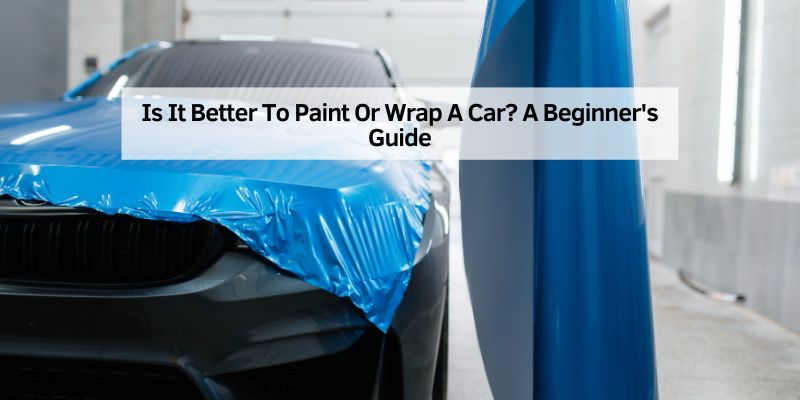
Painting a car means spraying a new layer of color onto its body. It’s like giving your car a permanent makeover. Wrapping a car is covering it with a sticky vinyl film that changes its look. Think of it like a giant sticker you can peel off later.
Both options make your car stand out. Painting is old-school and lasts longer. Wrapping is modern, quick, and flexible. They’re great for fixing dull paint, hiding scratches, or showing off your style. But each has pros and cons, so let’s dig in!
Why Choose Painting?
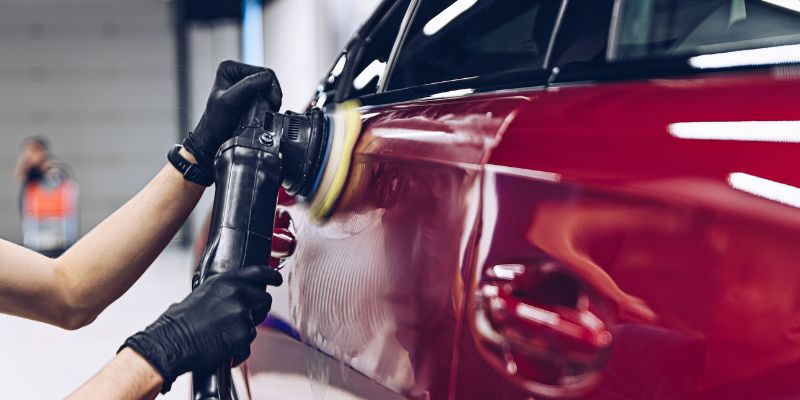
Painting your car is like picking a favorite color forever. It’s permanent and can shine for years if you take care of it. Here’s why people love it:
- Lasts a Long Time: A good paint job can last 10-20 years with regular washing and waxing.
- Smooth Look: Paint gives a sleek, factory-finish shine that’s hard to beat.
- Fixes Damage: It covers rust, dents, or scratches after proper prep work.
But painting isn’t perfect. It’s pricey and takes time. My friend Tom painted his truck red, and it was in the shop for two weeks! Plus, you’re stuck with the color unless you repaint.
Why Choose Wrapping?
Wrapping is like putting a cool skin on your phone—it’s temporary and fun. Vinyl wraps come in tons of colors, like matte black or shiny chrome. Here’s why wraps rock:
- Quick and Easy: Wrapping takes 1-3 days, so you’re back on the road fast.
- Change Anytime: Peel it off and try a new design without hurting the original paint.
- Protects Paint: Wraps shield your car from sun, scratches, and small dings.
The downside? Wraps last 3-7 years and can peel if not cared for. My first DIY wrap had bubbles because I didn’t clean the car well—big mistake!
Comparing Costs: Paint vs. Wrap
Money matters when you’re sprucing up your car. Here’s a quick look at costs based on my chats with shops and online research:
| Option | Average Cost | Notes |
|---|---|---|
| Paint Job | $3,000–$10,000 | High-end jobs with custom colors cost more. |
| Vinyl Wrap | $2,500–$5,000 | Bigger cars or fancy designs raise the price. |
Painting is pricier because it needs sanding, priming, and multiple coats. Wraps are cheaper but may need removal costs ($500–$600) later. For my sedan, a wrap saved me $2,000 compared to a paint job. See 3M’s official vehicle wrap page for material specs.
Paint Protection Film (PPF) vs. Vinyl Wrap: What’s the Difference?
Paint protection film (PPF) is a clear, self-healing urethane film applied over factory paint that guards against rock chips and abrasion but does not change the car’s color. Vinyl wrap is a colored or patterned film that changes the car’s appearance but offers thinner, less impact-resistant protection than PPF. Use PPF to protect an existing paint job you want to keep; use vinyl wrap when you want a new look.
| Feature | PPF | Vinyl Wrap |
|---|---|---|
| Purpose | Impact and chip protection | Color or design change |
| Cost (full car) | $1,500–$6,000 | $2,500–$5,000 |
| Lifespan | 5–10 years | 3–7 years |
| Appearance | Clear, near-invisible | Any color or finish |
Some owners combine both: PPF on the front bumper, hood, and mirrors where chips happen most, plus a color-change vinyl wrap over the rest of the car. This costs more upfront but protects the paint underneath the wrap at the same time.
📊 A 2026 dealership survey found 96% of respondents believe PPF applied to a new vehicle’s painted surfaces helps retain more of its resale value, with 70% citing value-retention gains of up to 15%. — Source: Dealership PPF resale survey, 2026
Can You Wrap Just Part of Your Car? Partial Wrap Costs and Options
Yes — a partial wrap covers only specific panels instead of the whole car, and it typically costs 30–50% of a full wrap. Common partial wraps include the roof, hood, mirror caps, or a set of racing stripes. Partial wraps are a good starting point if you’re not ready to commit to a full color change or you want to protect the highest-impact panels first.
- Roof wrap: $300–$600 — a popular way to add a two-tone look without repainting.
- Hood wrap: $400–$800 — protects the panel that takes the most rock chips at highway speed.
- Mirror caps: $100–$200 — a cheap way to test a wrap shop’s work before committing to more.
- Racing stripes or accents: $150–$400 — adds visual interest without a full re-color.
Best Vinyl Wrap Kit Pick
Spanno Vinyl Wrap Kit with Heat Gun
A complete kit with a heat gun, squeegee, and cutting tools — everything needed for a mirror cap, roof, or hood-sized partial wrap.
- Best for: DIY partial wraps like mirror caps and roof panels
- Why we picked it: Includes the heat gun and squeegee both mentioned in the partial-wrap steps above
- Main drawback: Full hood or body panels still take practice to avoid trapped bubbles
Compare more vinyl wrap tool kits
 Option 1 NEWISHTOOL Vinyl Wrap Tool Kit with Heat Gun
|
 Option 2 Gomake Vinyl Wrap Tool Window Tinting Kit
|
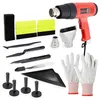 Option 3 EHDIS Window Tint Kit Vinyl Wrap Tool
|
As an Amazon Associate we earn from qualifying purchases.
If you’re tackling a mirror cap or roof wrap yourself, the tools above are the same ones pros use — a heat gun for shaping the film around curves and a squeegee for pushing out air bubbles. Full-panel wraps like a hood are still best left to a shop, since a single trapped bubble on a large panel is much harder to fix than on a small piece.
Step-by-Step: How Painting Works
Painting a car is a big job, but it’s straightforward. Here’s how pros do it:
- Clean the Car: Wash and degrease to remove dirt.
- Sand the Surface: Smooth out scratches or old paint.
- Apply Primer: This helps the paint stick.
- Spray Paint: Add 2-3 coats of color.
- Add Clear Coat: Protects the paint and adds shine.
- Let It Dry: Curing takes days or weeks.
It’s a long process, so plan ahead. My cousin’s Mustang looked amazing after a paint job, but he had to borrow a car for a week!
Step-by-Step: How Wrapping Works
Wrapping is faster and less messy. Here’s the process — see our full DIY vinyl wrap walkthrough if you want to try it yourself:
- Wash the Car: A clean surface is key for sticking.
- Cut Vinyl: Pros measure and cut vinyl sheets.
- Apply Wrap: Stick it on and use heat to shape it.
- Trim Edges: Cut off extra vinyl for a neat look.
- Check It Out: Inspect for bubbles or wrinkles.
I watched a shop wrap a Jeep in two days—it was like magic! Visit Avery Dennison’s wrap page for pro tips.
Pros and Cons: Paint vs. Wrap
Let’s break down the good and bad for both options:
| Feature | Paint | Wrap |
|---|---|---|
| Durability | Lasts 10+ years | Lasts 3-7 years |
| Cost | $3,000–$10,000 | $2,500–$5,000 |
| Customization | Limited to colors | Endless designs |
| Time | 1-3 weeks | 1-3 days |
| Reversibility | Permanent | Peel-off |
Painting is great for a long-term, classic look. Wrapping is perfect for trying bold designs, like a galaxy pattern I saw on a friend’s car. It was a total head-turner!
My Top Tips for Beginners
After my wrap mishap and talking to pros, here are my best tips:
- Check Your Car’s Paint: Wraps won’t stick to rusty or peeling paint. Fix it first!
- Pick Quality Vinyl: Cheap wraps fade fast. Go for brands like 3M or Avery.
- Wash Gently: Use mild soap for wraps, not power washers. Paint needs waxing twice a year.
- Avoid DIY for Wraps: My bubbly wrap taught me to leave it to pros unless you’re skilled.
“My first DIY wrap had bubbles because I didn’t clean the car well before applying the film — a mistake that taught me more than any guide could. Now I always do a full clay-bar decontamination wash first, and I leave full-panel wraps to a shop.”
— From my own first attempt at wrapping a car
These tips saved me time and money. A pro wrap job looks way better than my DIY flop!
Common Mistakes to Avoid
Don’t make these rookie errors:
- Skipping Prep: Dirty cars ruin wraps and paint jobs.
- Choosing Cheap Materials: Low-quality paint fades; cheap vinyl peels.
- Ignoring Maintenance: Wash wraps gently and wax painted cars to keep them shiny.
I learned the hard way when my wrap started peeling because I used a harsh car wash. Ouch!
Which Should You Choose?
It depends on your goals. Want a permanent, durable look? Paint is your pick. Love changing styles or protecting your car’s original paint? Go for a wrap. I chose a wrap for my sedan because I wanted a cool matte black look without breaking the bank. It’s been two years, and I still get compliments!
Think about your budget, how long you’ll keep the car, and if you like switching things up. Both options are awesome—it’s about what fits your vibe.
Frequently Asked Questions
Is It Better To Paint Or Wrap A Car?
It depends on your needs. Painting lasts longer (10+ years) but costs more ($3,000–$10,000) and takes weeks. Wrapping is cheaper ($2,500–$5,000), faster (1-3 days), and reversible, but lasts 3-7 years. Choose paint for durability, wraps for flexibility.
How Long Does a Car Wrap Last?
About 3-7 years. High-quality vinyl, like 3M or Avery, lasts longer with proper care. Wash gently with mild soap and avoid sun exposure to keep it looking fresh. Harsh weather or bad cleaning can shorten its life.
Can You Wrap a Car With Bad Paint?
Not really. Wraps need smooth, clean paint to stick well. Rust, peeling, or dents show through and ruin the look. Fix major damage before wrapping, or choose paint to cover flaws.
Does a Wrap Protect a Car’s Paint?
Yes, it helps. Vinyl wraps shield against UV rays, small scratches, and debris. They preserve the original paint, boosting resale value. Remove them carefully to avoid damage.
How Much Does Painting a Car Cost?
$3,000–$10,000 on average. Basic jobs start at $1,000, but high-end custom paint can hit $20,000. Costs depend on car size, paint quality, and prep work needed.
Can You Wash a Wrapped Car?
Yes, but be gentle. Use mild soap and hand-wash every 2-3 weeks. Avoid power washers or automatic car washes with brushes, as they can tear the vinyl.
Which Is Better for Resale Value?
Wraps and PPF often win. They protect the original paint, which buyers love — a 2026 dealership survey found up to 15% value-retention gains from paint protection. Paint is good for fixing damage but lowers value if it’s not the factory color.
Is PPF Better Than a Vinyl Wrap?
It depends on your goal. PPF is better for protecting an existing paint job you want to keep — it’s clear, lasts 5–10 years, and resists rock chips better than vinyl. Vinyl wrap is better if you want to change the car’s color or design. Many owners use both: PPF on the front end, vinyl wrap over the rest.
Deciding whether to paint or wrap your car is a fun choice! Painting gives a lasting, shiny finish but takes time and money. Wrapping is quick, affordable, and lets you try wild designs. Think about your budget, style, and how long you’ll keep your car. Try visiting a local shop to see samples—it helped me decide! For more customization ideas, see Car and Driver’s customization coverage. Your car’s new look is just around the corner!
Products related to this article
Sponsored / affiliate links. As an Amazon Associate I earn from qualifying purchases. I may earn additional commission from eligible campaigns.