Water Repellent for Car: Glass vs. Paint Protection Guide
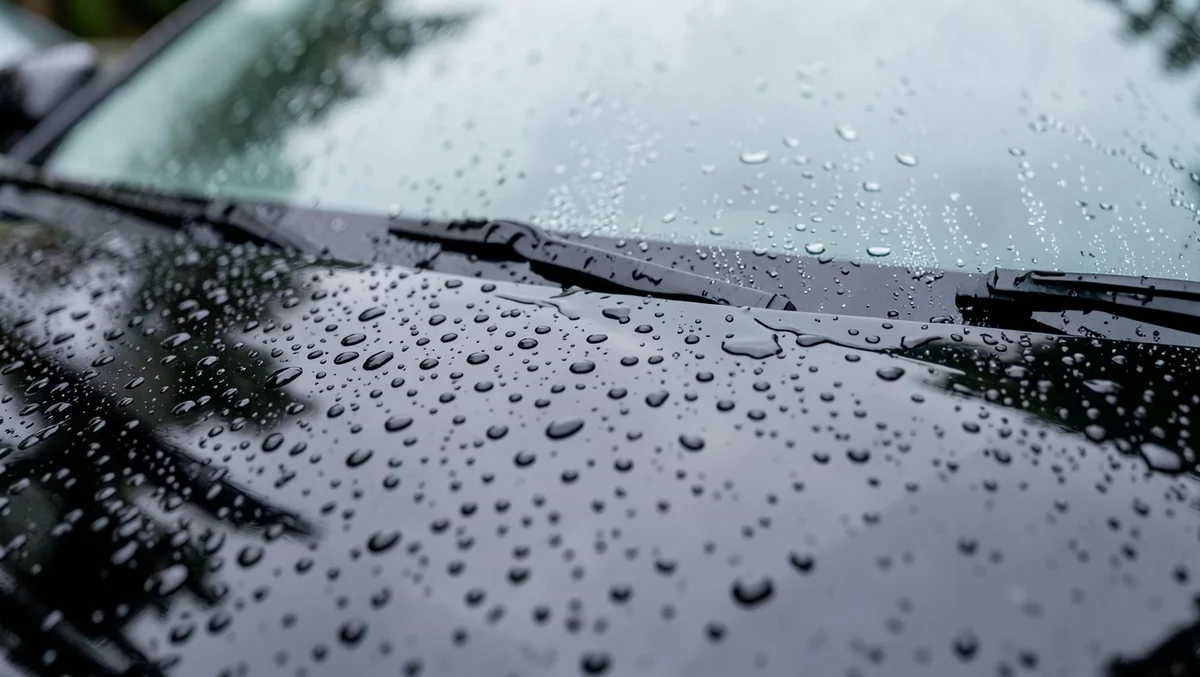
“Water repellent for car” actually covers two different products that solve two different problems. Glass rain repellent (the Rain-X-style spray) makes rain bead up and roll off your windshield so you can see better while driving. Paint ceramic coating makes water bead up and roll off your car’s painted body panels so dirt, grime, and water spots don’t stick. They use different chemistry, go on different surfaces, and last for very different amounts of time.
This guide breaks down how each type actually works, how long you can realistically expect it to last, and which one solves the problem you actually have. If you’re instead trying to seal a leaky seam, gap, or roof panel rather than repel rain, that’s a different product category entirely — see our guide on waterproof sealant for cars (silicone RTV and butyl tape) instead.
Glass Rain Repellent vs. Paint Ceramic Coating: Which One Do You Need?
OUR PICK FOR PAINT PROTECTION
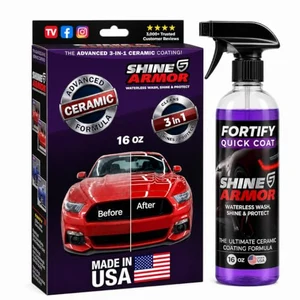 |
Shine Armor Fortify Quick Coat Ceramic Coating Spray – $17.99 If what you need is water beading on your car’s paint, not just the glass, this is the paint-specific product covered in this guide.
|
Both products are technically “water repellents,” but they’re not interchangeable, and using the wrong one in the wrong place can actually cause problems (more on that below). Here’s the quick breakdown:
| Product Type | Goes On | How It Works | Typical Durability |
|---|---|---|---|
| Glass rain repellent (Rain-X style) | Windshield & windows only | Silicone (polysiloxane) layer that beads and sheds rainwater | ~2-3 weeks per coat; up to a few months with careful reapplication |
| Ceramic-enhanced glass treatment | Windshield & windows only | Silicone formula bonded with ceramic (SiO2) additives | Roughly 6 weeks per application |
| Consumer ceramic coating spray | Painted body panels | Thin SiO2 nano-coating that raises the paint’s water contact angle | Roughly 2-6 months, depending on washing and weather exposure |
| Professionally applied ceramic coating | Painted body panels | Multi-layer SiO2/SiC coating, cured and buffed by an installer | 1-3+ years |
How Glass Rain Repellent Works (and How Long It Lasts)
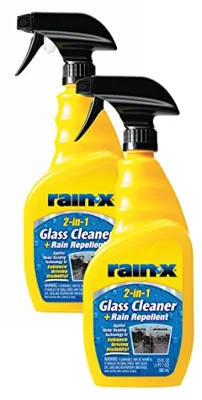
Glass rain repellent works by leaving behind a thin layer of polysiloxane, a type of silicone, on the surface of the glass. That layer is hydrophobic, meaning water can’t spread out and cling to it the way it clings to bare glass. Instead, rain forms into beads and gets pushed off by wind and your wipers, which keeps your view clearer in a downpour and reduces how often you need to run the wipers at all.
Standard glass repellent is not especially long-lasting. Expect a fresh coat to hold up for roughly two to three weeks of normal driving before it noticeably weakens, and every automatic car wash or windshield scrape strips some of it away faster. Applying it carefully to a completely clean, dry windshield can stretch that out to a couple of months in mild conditions. Ceramic-enhanced glass formulas (sold as “Cerami-X” or similar) add ceramic particles to the same silicone base and typically hold up for around six weeks per coat, which is why they cost a bit more per bottle.
If you specifically want a full comparison of the top windshield rain repellent products, our best rain repellents for windshields roundup covers the leading glass-only picks in more depth.
How Paint Ceramic Coating Sprays Work (and How Long They Last)
Ceramic coating sprays for paint use a different chemistry aimed at a different surface. Instead of silicone, the active ingredient is a liquid form of silicon dioxide (SiO2) that bonds to the clear coat and cures into a thin, glassy, semi-permanent layer. That layer raises the paint’s water contact angle, which is a fancy way of saying water forms tighter beads and rolls off more easily, taking loose dirt and road grime with it. The side effects most owners actually notice are less frequent washing, easier drying, and a glossier finish.
A consumer spray-on ceramic coating, applied by hand in an afternoon, typically holds up for two to six months depending on how often the car is washed and how much it sits outside in sun and weather. A professionally applied ceramic coating, which involves paint correction and a longer cure process, can last one to three years or more, which is the main reason professional installs cost hundreds of dollars while a spray bottle costs under $20.
For more on when reapplying wax on top of an existing ceramic coating makes sense, see should you wax a car after ceramic coating.
Why You Should Not Use Glass Repellent on Your Car’s Paint
Glass rain repellents contain solvents formulated for glass, not clear coat, and using them on paint can leave streaks, haze, and extra cleanup rather than any real protection. If you want the water-beading effect on your car’s body, use a product made for paint, like the ceramic coating spray above, not a windshield treatment. We cover this specific mix-up in full detail in is Rain-X bad for your car paint.
How to Apply Water Repellent to Your Car
The application steps differ slightly depending on which product you’re using, but the general process is the same for both categories:
- Wash and dry the surface completely first. Any dirt, film, or old wax left behind will trap under the new coating and cause streaking or uneven beading.
- For glass: spray a small section at a time and wipe it in a circular motion with a clean microfiber towel until the haze disappears. Avoid applying in direct sun, which can cause the product to dry too fast and streak.
- For paint: apply the ceramic spray to one panel at a time using an applicator pad, following the specific dwell time on the label, then buff off the residue with a separate clean microfiber towel before it fully hazes over.
- Let the coating cure for the time listed on the product (often a few hours) before it gets wet or the car goes back in the rain.
- Reapply on the schedule the durability numbers above suggest, rather than waiting until you notice it’s stopped working.
Frequently Asked Questions
What Is the Difference Between Glass Rain Repellent and Paint Ceramic Coating?
Glass rain repellent is a silicone-based formula made only for windshields and windows, causing rain to bead and roll off for better visibility. Paint ceramic coating is a silicon dioxide (SiO2) formula made for painted body panels, causing water and dirt to bead and slide off to keep the car cleaner and glossier. They use different chemistry and are not interchangeable between surfaces.
How Long Does Glass Rain Repellent Last on a Windshield?
A standard silicone-based glass repellent typically lasts about two to three weeks of normal driving before it needs reapplying, though careful application on a clean windshield can stretch that to a couple of months. Ceramic-enhanced glass formulas last longer, usually around six weeks per coat.
How Long Does a Ceramic Coating Spray Last on Car Paint?
A consumer, hand-applied ceramic coating spray generally lasts two to six months depending on wash frequency and weather exposure. A professionally applied ceramic coating, which includes paint correction and a proper cure, can last one to three years or longer.
Is It Safe to Use Glass Rain Repellent on Car Paint?
No. Glass rain repellents are formulated with solvents meant for glass, and applying them to painted panels can cause streaking, haze, and extra cleanup rather than real protection. Use a paint-specific product like a ceramic coating spray, wax, or sealant on your car’s body instead.
Can I Apply Water Repellent Myself, or Do I Need a Pro?
Both glass rain repellent and consumer ceramic coating sprays are designed for at-home application with just a clean surface, an applicator, and a microfiber towel. A professional installer is only necessary if you want the multi-year durability of a shop-applied ceramic coating, which requires paint correction equipment and controlled curing conditions.
Does Water Repellent Actually Improve Driving Safety in the Rain?
Yes, for the glass version specifically. By keeping rain beaded up and rolling instead of sheeting across the windshield, glass rain repellent improves visibility in heavy rain and reduces glare from oncoming headlights at night, which is a genuine safety benefit. Paint ceramic coating does not affect visibility or safety; its benefits are cosmetic and protective for the paint itself.
Conclusion
If your problem is rain blurring your view through the windshield, you want a glass rain repellent, and our windshield rain repellent picks can help you choose one. If your problem is water spots, dirt buildup, or dull-looking paint on the body of the car, you want a ceramic coating spray made for paint, like the Shine Armor pick above. Using the right product on the right surface, and reapplying it on schedule, gets you real results either way — mixing the two up just leaves you with streaks and a bottle you have to buy again sooner than expected.
Products related to this article
Sponsored / affiliate links. As an Amazon Associate I earn from qualifying purchases. I may earn additional commission from eligible campaigns.