How to Install Car Plates: A Step-by-Step Guide
Installing car plates might seem like a daunting task, but it doesn’t have to be. Imagine the satisfaction of knowing you’ve done it yourself, saving both time and money.
You’re in control, and that’s empowering! Whether you’re replacing old plates or setting up new ones, mastering this simple task will give you a sense of independence and confidence. Plus, who doesn’t love a well-done DIY project that enhances your car’s look and functionality?
Dive into this guide, and discover how easy it is to install car plates with just a few steps. Your vehicle deserves the perfect finishing touch, and you deserve to give it. Keep reading, and unlock the secret to hassle-free installation!

Credit: www.youtube.com
Choosing The Right Car Plates
Car plates come in many types. Each type has a different look. Some plates are for personal use. Others are for business cars. You can pick a style you like. Some plates have numbers only. Others can have letters too. Custom plates are also a choice. They let you add your own words.
Every car must have a plate. It is the law. Plates must be easy to read. They should be clean and clear. Some places need two plates. One at the front, one at the back. Make sure the size and color meet the rules. Check your state laws before buying.
Gathering Necessary Tools
Installing car plates needs some tools. A screwdriveris a must. Both flatheadand Phillipsscrewdrivers are good. You will need a wrenchtoo. A drillcan be helpful. It makes the job easy. Don’t forget the screws. They hold the plate in place. Having a measuring tapeis useful. It helps with alignment.
Safety is important. Use glovesto protect your hands. Wear gogglesto shield your eyes. Safety glasses are fine too. A dust maskcan help. It keeps you safe from dust. Make sure to work in a well-litarea. This way, you can see better. Always follow safety rules. Stay safe while working.
Preparing The Vehicle
Make sure the plate area is clean. Use a wet cloth to wipe it. Remove all the dirt. Dry it with a towel. A clean area helps the plate stick well. This prevents rust and damage. Inspect the area for any scratches. Fix them if needed.
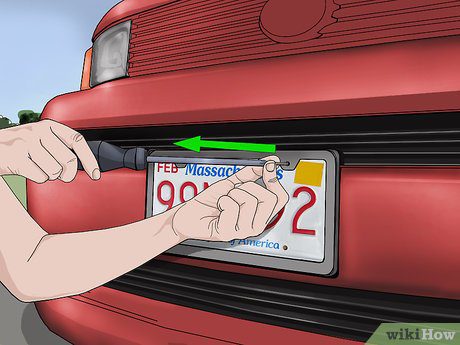
Start by taking out the screws. Use a screwdriver for this. Keep the screws safe. They might be useful later. Gently pull off the old plate. Check the back of the plate for any stickers. Remove them too. Dispose of the old plate properly. Make sure the holes are clean. This helps with the new plate.
Installing Front Car Plate
Place the plate in the center. Make sure it’s straight. Use a ruler if needed. Check both sides are equal. Aligning is important for looks.
Get the right screws. Use a screwdriver for this. Tighten each screw well. Make sure the plate doesn’t move. Secure all corners tightly. Test the plate by shaking. It should stay firm.
Installing Rear Car Plate
Carefully choose the spot for your rear car plate. The plate must be centered and not tilted. Check that it covers the previous holes. This makes it sit flat and look neat. Use a measuring tape to be sure.
Securely attach the plate with screws. Use a screwdriver to make them tight. The plate should not wiggle. Tighten each screw evenly. This helps the plate stay firm. Check by gently shaking the plate. It must not move. If it moves, tighten some more. A stable plate is a safe plate.

Credit: www.reddit.com
Verifying Installation
Make sure the car plate is straight. It should not lean to one side. Use a level toolfor accuracy. Look from different angles. This helps spot any tilt. A well-aligned plate looks professionaland neat.
Check if the screwsare tight. Loose screws can cause problems. Feel if the plate is firm. It should not move or shake. Consider using security screws. They make it hard for thieves to take the plate. This keeps your car safe.
Final Steps
Ensure car plates are securely fastened using the right tools. Align them properly for a neat appearance. Double-check that all screws are tight, and the plate is stable.
Documenting Installation
Take clear photos of the installed car plates. Photos help if there are questions later. Note the date and time of installation. Keep a record of the plate’s serial number. This helps if the plate is lost or stolen. Store these details in a safe place. Use a file or a digital document for easy access. Ensure all information is accurate and complete.
Legal Compliance Check
Verify the plates meet all legal requirements. Check the size and color of the plates. Make sure they are correctly positioned on the car. Ensure the plates are visible from a distance. Confirm compliance with local regulations. Double-check if any fees apply. Pay any required fees promptly. Keep all receipts and proofs of payment. Consult local authorities if unsure about rules.

Credit: www.camincusa.com
Frequently Asked Questions
Can I Install A License Plate Myself?
Yes, you can install a license plate yourself. Use a screwdriver to attach it securely. Ensure the plate is visible and follows local regulations. Check your vehicle’s manual for specific instructions. Regularly check the plate to ensure it remains tightly fastened.
Is It Best To Stick Or Screw Number Plates?
Screws provide a secure and durable attachment for number plates. Sticky pads offer a cleaner look but may not last long. Choose screws for longevity and stick pads for aesthetics. Always consider local regulations and vehicle type before deciding.
How To Properly Install A License Plate?
To install a license plate, align it with the pre-drilled holes on your vehicle. Use screws to secure it firmly. Ensure the plate is visible and not obstructed. Double-check for tightness to prevent it from falling off. Confirm local regulations for proper placement and visibility.
Do You Need A Drill To Put On A License Plate?
You usually don’t need a drill to install a license plate. Most cars have pre-drilled holes. Use a screwdriver to attach the plate securely. If your vehicle lacks holes, a drill might be necessary. Ensure you use correct screws and avoid damaging the car.
Always check your vehicle’s specific requirements.
Conclusion
Installing car plates is simple with the right steps. Gather your tools first. Ensure the plate is correct for your vehicle. Align it properly with the holes. Use screws to secure it tightly. Check that it doesn’t wobble or move.
Proper installation ensures safety on the road. This task saves time and a trip to the mechanic. Now, your car is ready and road-legal. Enjoy your drive with peace of mind. Always double-check your work for safety. Happy driving!