How to Keep Sap off Car: Easy Tips for a Spotless Shine
Have you ever stepped outside to find sticky sap stuck all over your car? It’s frustrating, messy, and can even damage your paint if left untreated.
You want your car to look its best, but dealing with sap can feel like a losing battle. What if you could quickly and easily remove sap without harming your car’s finish? You’ll discover simple, effective ways to keep sap off your car and protect your paint all year round.
Keep reading to learn the tricks that will save you time, money, and stress.
Sources Of Sap On Cars
Sap on cars is a common problem for many drivers. It sticks to the paint and can cause damage if not cleaned quickly. Knowing where sap comes from helps you prevent it. Sap mostly comes from trees and plants near parking spots or roads. Understanding the sources helps protect your vehicle better.
Common Trees That Produce Sap
Many trees release sticky sap. Pine trees are a major source. They produce resin that drips easily. Maple trees also produce sap, especially in spring. Cedar and fir trees can drip sap too. These trees often grow near streets or parking lots. Cars parked under these trees risk getting sap stains.
How Sap Lands On Vehicles
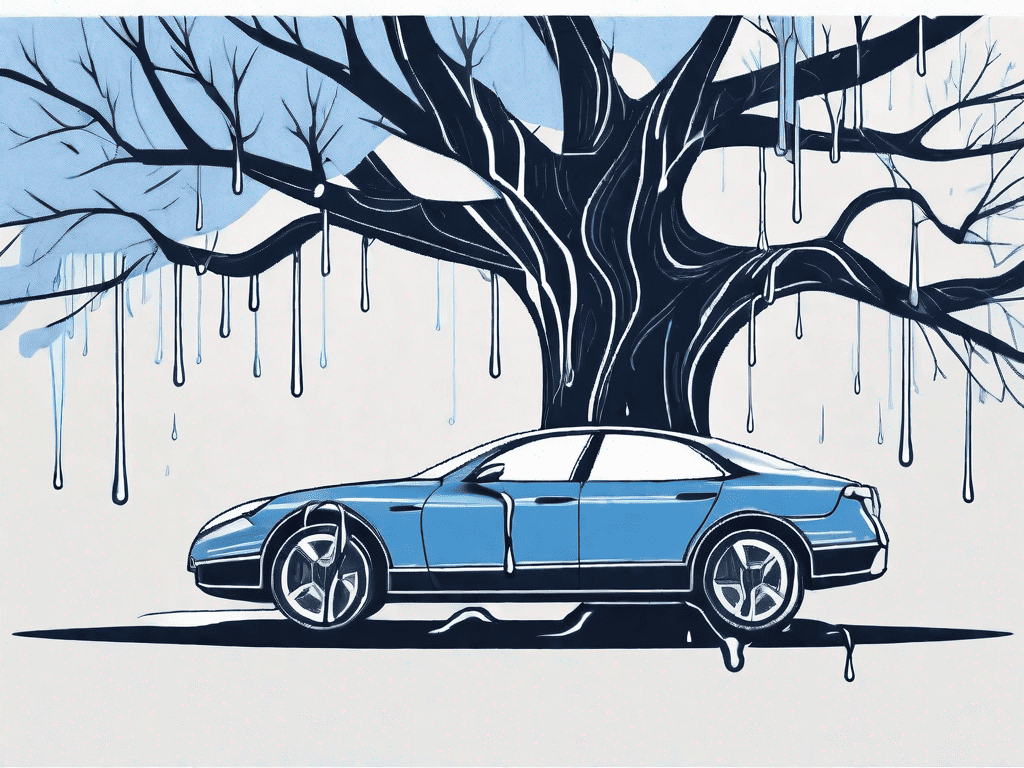
Sap falls naturally from tree branches. Wind can blow sap onto cars. Sometimes, sap drips directly onto a parked car. Insects near trees may also spread sap. Warm weather makes sap more runny and sticky. Cars parked for long periods have higher chances of sap drops.
Risks Of Sap On Car Paint
Car sap looks harmless, but it can harm your car’s paint. Sap is sticky and hard to remove. Leaving sap on your car paint can cause several problems. Understanding these risks helps you protect your car better.
Potential Paint Damage
Sap contains natural acids and chemicals. These substances can eat into the paint surface. The sticky sap traps dirt and dust. This makes the paint scratch easily. Removing sap roughly can cause scratches too. Over time, sap can dull the paint’s shine.
Effects Of Prolonged Exposure
When sap stays on paint for days, damage grows worse. The acids break down the clear coat layer. This layer protects the paint from sun and water. Without it, paint fades and peels quickly. Prolonged sap can create permanent stains. It may require costly paint repairs or a full repaint.
Preventive Measures
Preventive measures help protect your car from sticky sap damage. Taking steps before sap falls saves time and effort later. These simple habits keep your car looking clean and new. They reduce the risk of stains and costly repairs.
Parking Away From Trees
Park your car far from trees that drop sap. Sap falls mostly from pine, maple, and oak trees. Avoid parking under these trees, especially in warm weather. Find a clear open space or a covered lot instead. This simple choice lowers the chance of sap landing on your car.
Using Car Covers
Use a car cover to shield your vehicle from sap and dirt. Covers create a barrier that stops sap from sticking to paint. Choose a cover that fits your car well and is easy to use. Cover your car whenever it stays outside for long hours. This extra layer protects your car and keeps it clean.
Applying Protective Coatings
Apply a protective coating on your car’s paint. Coatings create a smooth surface that sap can’t stick to easily. Wax, sealants, or ceramic coatings work well for this. Reapply coatings regularly to keep protection strong. This method helps maintain your car’s shine and prevents sap stains.
Immediate Actions After Sap Contact
Tree sap can stick strongly to your car’s surface. Acting quickly helps stop damage. The longer sap stays, the harder it gets to remove. You must take careful steps right after sap touches your car. This prevents stains and paint damage.
Safe Removal Techniques
Start by washing the area with warm water and soap. Use a soft cloth to avoid scratches. Dab gently, do not rub hard. Rubbing spreads the sap or pushes it deeper. Use a plastic scraper or your fingernail carefully to lift thick sap. Avoid metal tools that can scratch paint. Always test any cleaning method on a small spot first.
Products That Work Best
Use rubbing alcohol or hand sanitizer with alcohol to dissolve sap. Apply it with a soft cloth and wait a few minutes. Then wipe gently. Commercial sap removers designed for cars work well too. Bug and tar removers also help remove sticky sap. Avoid harsh chemicals like acetone or nail polish remover. They can damage your car’s paint.
Regular Car Care Tips
Regular car care helps protect your vehicle from sap damage. Sap can stick to paint and cause stains or marks. Keeping your car clean and protected reduces this risk. Simple habits keep your car looking new and fresh.
Washing Frequency
Wash your car often to remove sap and dirt. Sap is easier to clean when fresh. Use mild soap and water for washing. Avoid harsh chemicals that can damage paint. Washing every two weeks helps keep sap away. Rinse well to remove all soap and sap.
Waxing Benefits
Waxing creates a strong barrier on your car’s paint. It stops sap from sticking tightly to the surface. Wax also protects from sun damage and rain. Apply wax every three months for best results. Use a soft cloth to apply and buff wax. Wax keeps your car shiny and easier to clean.
DIY Remedies For Sap Removal
Tree sap on a car can be sticky and hard to remove. Many people think removing sap needs special products. Actually, common household items work well. These DIY remedies save money and avoid harsh chemicals. Easy steps make the process simple and safe for your car’s paint.
Household Items That Help
Rubbing alcohol is a popular choice. It breaks down sap without damaging paint. Cooking oil or olive oil softens sap, making it easier to wipe away. Peanut butter also works because of its oils. Even nail polish remover can help but use it carefully. Warm soapy water helps clean off any leftover residue.
Step-by-step Removal Process
Start by washing the car area with soapy water. Dry the spot with a soft cloth. Apply rubbing alcohol or oil to a clean cloth. Gently rub the sap spot in small circles. Keep rubbing until the sap loosens and lifts off. Wipe the area with a wet cloth to remove any oil or alcohol. Dry the spot completely. Repeat the process if some sap remains. Finish by washing the area with soapy water again to clean any leftover residue.
Professional Cleaning Options
Professional cleaning options can help remove stubborn sap from your car. These services use special tools and products that protect your car’s paint. Experts know how to handle sap without causing damage. This option is useful when home remedies fail or sap covers large areas.
When To Seek Experts
Choose professional help if sap is thick or old. Avoid scrubbing hard, as this can scratch your paint. Experts can safely remove sap without harming the surface. Also consider professionals if you lack time or proper tools. They offer quick and effective cleaning for tough sap stains.
Cost Considerations
Professional sap removal costs vary by location and sap amount. Expect to pay more for extensive or repeated treatments. Some shops charge a flat fee, others by the hour. Compare prices and read reviews before selecting a service. Remember, paying for experts can save your car’s paint long-term.

Frequently Asked Questions
How Can I Safely Remove Sap From My Car?
Use a gentle sap remover or rubbing alcohol. Apply with a soft cloth and wipe gently. Avoid harsh scrubbing to protect paint.
What Household Items Help Remove Tree Sap?
Rubbing alcohol, hand sanitizer, or vegetable oil can dissolve sap. Apply carefully, then wash the area with soap and water.
How Do I Prevent Sap From Sticking To My Car?
Park away from trees that produce sap. Regularly wash and wax your car to create a protective barrier.
Is It Safe To Use Commercial Sap Removers On Cars?
Yes, if used as directed. Choose products made specifically for automotive paint to avoid damage.
Conclusion
Sap on your car can cause damage if left too long. Clean it off quickly using gentle methods. Regular washing helps keep your car’s surface safe. Avoid harsh chemicals that might harm the paint. Protect your car by parking away from trees when possible.
Small steps prevent big problems. Keep your car looking fresh and clean with simple care. Sap removal doesn’t have to be hard or expensive. Stay consistent, and your car will thank you.