How To Refill Antifreeze Coolant In Your Car The Right Way
Dealing with your car’s coolant can feel like a puzzle. You know it’s important, but getting it right matters a lot. If your car’s temperature gauge acts strange or you see a low coolant warning, it’s time to act.
Knowing how to refill your antifreeze coolant is a skill every car owner should have. It’s not just about topping it off; it’s about doing it the right way to protect your engine.
Refilling antifreeze coolant correctly involves checking your car’s manual, using the right type and mix of coolant, letting the engine cool down completely, safely opening the radiator or expansion tank cap, filling it to the correct level, and then properly disposing of old coolant. This ensures engine protection against overheating and freezing.
Understanding Antifreeze Coolant
Antifreeze coolant is more than just colored water. It’s a special mix that keeps your engine from getting too hot or freezing over. Think of it as your engine’s personal thermostat.
It circulates through the engine block and radiator. This flow helps carry away excess heat. In winter, it stops the water from freezing and expanding.
Frozen water can crack engine parts. That’s why coolant is vital all year round.
The primary job is heat transfer. Your engine creates a lot of heat when it runs. Without coolant, this heat would quickly cause damage.
The coolant absorbs this heat and then releases it in the radiator. The radiator uses airflow to cool the liquid down. Then, it goes back into the engine to pick up more heat.
This cycle is constant and keeps your engine at its best operating temperature.
Coolant also contains additives. These help prevent rust and corrosion inside the cooling system. Over time, these additives can break down.
This is why you need to check and replace your coolant periodically. Using the wrong type of coolant can actually cause problems. It might not protect your engine as well.
Or, it could even damage seals and hoses.
Why Refilling Coolant Matters
Keeping your coolant at the right level is super important. Low coolant means less fluid is circulating. This makes it harder for the engine to cool down.
The temperature gauge might start to climb. If it gets too high, you risk overheating. Overheating can cause serious and expensive engine damage.
We’re talking blown head gaskets or even a seized engine. That’s a big repair bill.
On the flip side, having too much coolant can also cause issues. It can create pressure problems in the system. This might force coolant out of the overflow or even damage hoses.
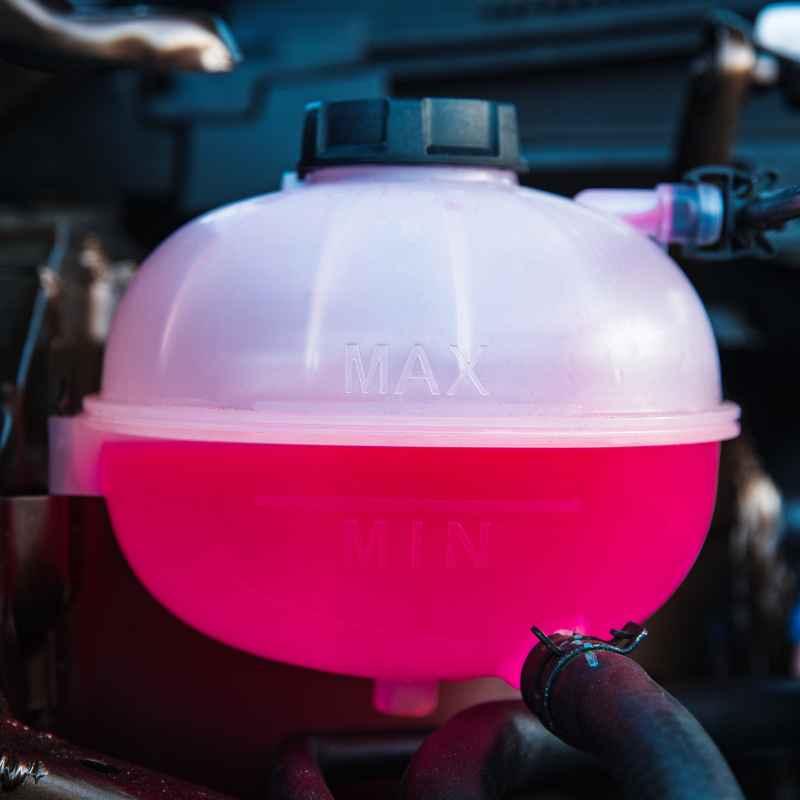
The goal is to keep the level right in the middle of the “cold fill” and “hot fill” marks on the expansion tank. This gives the coolant room to expand when hot. It also ensures enough is present when cold.
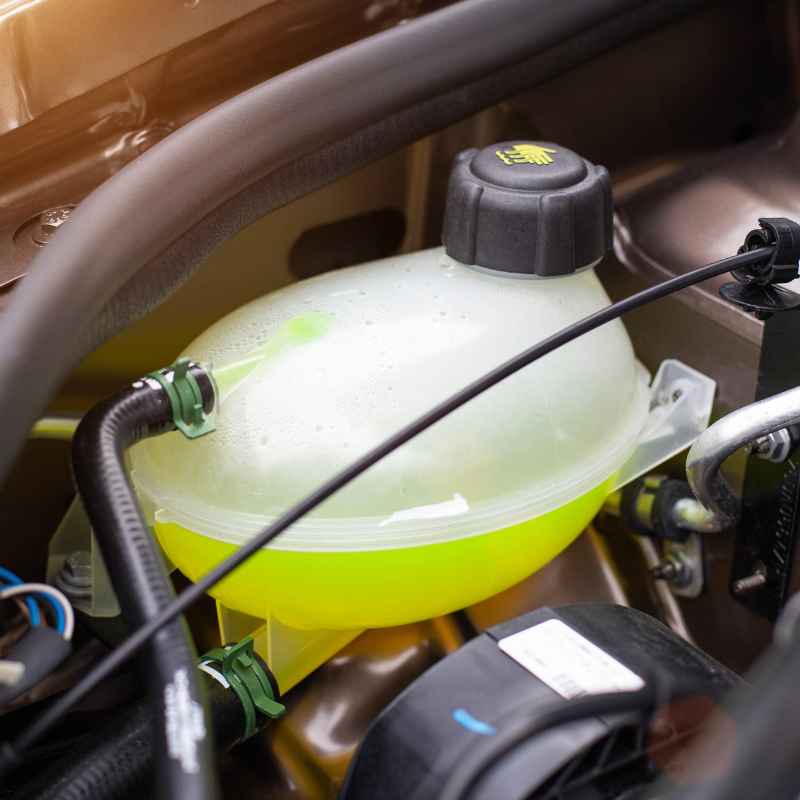
Regularly checking your coolant level is a simple step. It takes just a minute or two. You can often see the level through a translucent expansion tank.
If it looks low, it’s time to think about refilling it. This prevents bigger problems down the road. It also helps your car run more smoothly and efficiently.
Think of it as preventative maintenance.
The Dangers of Low Coolant
Low coolant is a warning sign. It means something is not right. The most direct danger is overheating.
When there isn’t enough fluid, heat builds up. This can happen fast, especially on a hot day or during heavy driving. The engine’s temperature warning light might come on.
Or, the gauge needle will creep into the red zone.
Beyond overheating, low coolant can affect other parts. The water pump might not get enough lubrication. This can shorten its lifespan.
Seals within the cooling system can dry out. This might lead to leaks. And as we know, leaks lead to even lower coolant levels.
It’s a bit of a cycle that you want to break early.
I remember one time, my old pickup truck started acting up on a long road trip. The heater wasn’t blowing hot air, and the temperature gauge seemed a little higher than usual. I ignored it for a while, thinking it was just a fluke.
Big mistake. By the time I pulled over, the engine was steaming. I had a cracked hose that had slowly leaked all my coolant.
The tow truck ride was expensive, and the repair took days. That taught me never to ignore low coolant signs again.
Types of Antifreeze Coolant
Not all antifreeze is the same. This is a really crucial point. There are different types, often called coolants, based on their chemical makeup and color.
The main types are inorganic additive technology (IAT), organic acid technology (OAT), and hybrid organic acid technology (HOAT). Each has a different lifespan and works best with specific engine materials.
For many years, green antifreeze was common. This is often IAT. It’s effective but doesn’t last as long.
Newer cars often use orange or pink coolants. These are usually OAT or HOAT. They are designed to last much longer, sometimes up to 100,000 miles or more.
They also offer better protection against corrosion for modern engine components, especially aluminum.
It’s vital to use the correct type for your car. Your car’s owner’s manual is your best friend here. It will tell you exactly what kind of coolant is recommended.
Mixing different types can cause chemical reactions. This can lead to gelling, clogging, and reduced cooling efficiency. Always check the label and your manual before buying.
If you’re unsure, a good auto parts store can help.
The Coolant Mix: Ethylene Glycol vs. Propylene Glycol
Antifreeze itself is usually made from either ethylene glycol or propylene glycol. Ethylene glycol is more common and often cheaper. It offers excellent freeze and boil-over protection.
However, it is quite toxic. It has a sweet taste, which can be dangerous for pets or children who might lick up a spill.
Propylene glycol is less toxic than ethylene glycol. It’s often used in applications where there’s a risk of accidental ingestion, like in RVs or some marine engines. It still provides good protection but might not offer quite the same level of performance as ethylene glycol in extreme temperatures.
It’s also usually more expensive.
Most antifreeze sold in auto parts stores is a 50/50 mix. This means it’s 50% antifreeze concentrate and 50% deionized water. This mix provides the best balance of freeze and boil-over protection for most climates.
In extremely cold areas, you might use a higher concentration of antifreeze, maybe 60% or 70%. Always follow the guidelines on the antifreeze bottle. And remember, always use deionized or distilled water.
Tap water has minerals that can cause buildup and corrosion in your cooling system.
Coolant Mix Ratios Explained
Ratio: 50% Antifreeze / 50% Water
Protection: Typically protects down to -34°F (-37°C) and up to 265°F (129°C).
Usage: Ideal for most climates in the U.S.
Ratio: 60% Antifreeze / 40% Water
Protection: Typically protects down to -62°F (-52°C) and up to 270°F (132°C).
Usage: Recommended for very cold climates.
Ratio: 70% Antifreeze / 30% Water
Protection: Typically protects down to -84°F (-64°C) and up to 275°F (135°C).
Usage: For extreme cold, but avoid over-concentrating.
Note: Always check the specific antifreeze product label for precise protection levels.
When to Refill or Top Off Coolant
The best time to check your coolant level is when the engine is cold. You can usually find a translucent plastic tank near the engine. This is the coolant expansion tank.
It has markings for “min” and “max” or “cold” and “hot” fill levels. If the coolant level is below the “cold” or “min” line, you need to add more.
Sometimes, you might notice your heater isn’t blowing warm air. This can be a sign of low coolant. If the level is okay, there might be air in the system.
Air pockets can block coolant flow. This prevents the heater core from getting hot. You might also see steam coming from under the hood, or smell a sweet odor.
These are all signals to check your coolant.
If you’re regularly needing to add coolant, that’s a bigger issue. It suggests a leak. A small leak might be hard to spot.
It could be a small crack in a hose, a bad radiator cap, or a failing water pump seal. You’ll want to get this checked out by a mechanic. Constant refilling isn’t a solution; it’s a symptom of a problem.
Safety First: Before You Start
Working with antifreeze requires caution. It’s toxic. Always wear safety glasses.
Gloves are also a good idea, especially if you have sensitive skin. Make sure the engine is completely cool. Never, ever open the radiator cap or expansion tank cap when the engine is hot.
The cooling system is under pressure. Opening it can spray superheated liquid. This can cause severe burns.
Have a clean container ready. You’ll need this to catch any old coolant if you’re draining and refilling. Also, have a funnel.
A funnel helps you pour the new coolant neatly. It prevents spills. If you do spill any coolant, clean it up thoroughly.
A rag soaked in water works well. This is important to protect pets and wildlife from the toxic liquid.
It’s also good to know where your car’s owner’s manual is. This is your ultimate guide. It has specific instructions for your make and model.
It will tell you the exact type of coolant and the correct amount. Don’t guess. If you’re unsure about any step, it’s better to ask a friend or a mechanic.
Safety is always the top priority.
Safety Checklist
- Engine Cool: ALWAYS wait for the engine to cool completely.
- Gloves & Glasses: Wear protective gear.
- Clean Area: Work on a flat, stable surface.
- Proper Container: Use a designated container for old coolant.
- Funnel Ready: Have a clean funnel for adding new coolant.
- Spill Cleanup: Be prepared to clean up any spills immediately.
Step-by-Step Guide to Refilling Antifreeze
Here’s how to refill your antifreeze coolant. Remember, this is for topping off or a partial refill. A full flush and refill is a bit more involved.
Always refer to your owner’s manual for model-specific details.
1. Park on a Level Surface
This is important so you get an accurate reading of the coolant level. Make sure the parking brake is engaged.
2. Let the Engine Cool Down
This is the most crucial safety step. It can take a couple of hours for the engine to cool down completely after driving. Be patient.
Feel the hood to check if it’s still warm. If it is, wait longer.
3. Locate the Coolant Reservoir
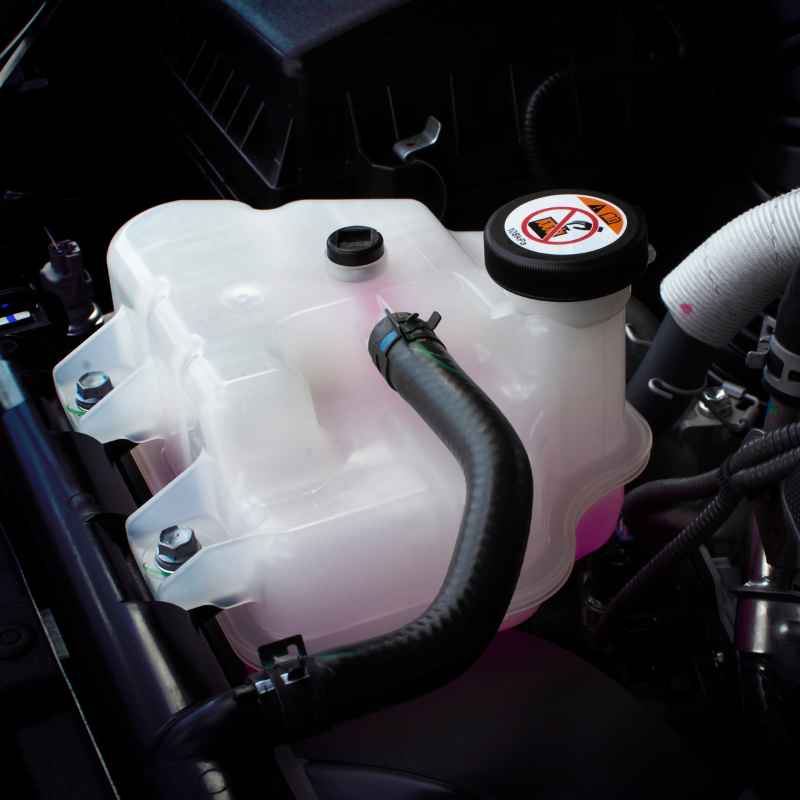
Pop your hood. Look for a translucent plastic tank, usually off to the side of the engine. It will have a cap.
This is the coolant expansion tank or reservoir. Some older cars might have a radiator cap instead of or in addition to a reservoir.
4. Check the Coolant Level
Look at the side of the reservoir. You should see markings for “MIN” and “MAX” or “COLD” and “HOT.” The current level should be between these marks, preferably closer to the “COLD” line if the engine is cold.
5. Prepare Your Coolant
Ensure you have the correct type and mix of antifreeze for your car. Check your owner’s manual. If you bought concentrate, you’ll need to mix it with deionized or distilled water.
A 50/50 ratio is standard for most areas. Stir it well.
6. Open the Cap (If Necessary)
If the level is low, you’ll need to add coolant. If it’s an expansion tank with a screw-off cap, use a rag to grip it. Turn it counter-clockwise.
If it’s a radiator cap, be extremely careful. These are under high pressure when hot. If the engine is cool, turn the radiator cap slowly counter-clockwise about a quarter turn to release any residual pressure.
Then, push down and continue turning counter-clockwise to remove it. Again, only do this when the engine is fully cool.
7. Add Coolant
Place a clean funnel into the reservoir opening or radiator neck. Slowly pour in the correct mixture of coolant. Don’t fill it all the way to the very top of the tank.
Stop when it reaches the “COLD” or “MAX” line. Avoid overfilling.
8. Replace the Cap
Once you’ve added the coolant, securely screw the cap back on. Make sure it’s tight. This prevents leaks and keeps debris out.
9. Start the Engine
Close the hood. Start the engine and let it run for a few minutes. Turn on the heater to its highest setting.
This helps circulate the new coolant throughout the system and clear any air pockets.
10. Re-check the Level
After the engine has run for a bit and is warming up, turn it off. Let it cool slightly. Then, re-check the coolant level in the reservoir.
The level might have dropped a bit as the coolant circulated and air escaped. If it’s still low, add a little more coolant, but again, don’t overfill. You may need to repeat this process a few times.
11. Clean Up
Wipe up any spilled coolant immediately. Dispose of any leftover coolant and empty containers properly. Many auto parts stores accept used coolant for recycling.
Check local regulations for proper disposal methods.
Coolant Reservoir vs. Radiator Cap
Coolant Reservoir: Most modern cars have this. It’s a separate plastic tank. The coolant level is checked and topped off here.
It has clear markings.
Radiator Cap: Older cars might only have this. It’s on top of the radiator. This system is under pressure when hot.
NEVER open a hot radiator cap.
When in Doubt: Consult your car’s owner’s manual.
What If You Need to Add a Lot of Coolant?
If you find you need to add a large amount of coolant, it’s a strong indicator of a leak. A slow drip might not be obvious. It could be coming from a hose connection, the radiator itself, or even the water pump.
Sometimes, a bad head gasket can cause coolant to leak into the cylinders or exhaust system.
If you’re adding more than a quart, it’s definitely time to investigate. Look under your car for puddles of green, orange, or pink liquid. Check hoses for cracks or bulges.
Inspect the radiator for any signs of damage or leaks. Pay attention to where the hoses connect to the engine and radiator.
The sweet smell of burning coolant can also point to a leak. It might be leaking onto hot engine parts and burning off. If you see white smoke from the exhaust and smell that sweet scent, it could be a head gasket issue.
This is a serious problem that needs immediate attention from a qualified mechanic. Driving with a blown head gasket can quickly destroy your engine.
What If You Accidentally Mix Coolant Types?
Mixing different types of coolant is a common mistake. It can lead to several problems. The most common issue is gelling.
The chemicals in different coolants can react. This creates a sludge or gel. This gel can clog passages in the radiator and heater core.
It can also block the small tubes in the water pump.
This clogging reduces cooling efficiency. Your engine might start to overheat. You might also notice poor heater performance.
In severe cases, the engine can overheat rapidly. This can cause serious damage. The only fix for mixed coolants is usually a complete system flush.
You’ll need to drain all the old coolant. Then, you’ll flush the system with water or a special flush chemical. Finally, you’ll refill with the correct type of coolant.
I learned this the hard way. My first car was a hand-me-down. I topped off the coolant with whatever was on sale.
A few months later, my car started overheating constantly. The mechanic showed me the radiator. It was completely clogged with a thick, jelly-like substance.
He told me I’d mixed two different types of coolant. He had to do a full flush and refill. It was a costly lesson in checking what’s in my car.
Common Coolant Mistakes
- Using tap water: Minerals can cause buildup.
- Mixing types: Can cause gelling and clogs.
- Opening a hot cap: Risk of severe burns.
- Ignoring leaks: Small leaks become big problems.
- Not checking the manual: Using the wrong coolant type.
Disposing of Old Antifreeze
Proper disposal of old antifreeze is critical for environmental safety. Antifreeze is toxic to humans, pets, and wildlife. Never pour it down a storm drain, into a sewer, or onto the ground.
It can contaminate water sources.
The best way to dispose of it is to take it to a recycling center. Many auto parts stores, service stations, and local waste management facilities accept used antifreeze. They often have special collection tanks.
If you drain your coolant into a container, make sure it’s sealed well for transport.
If you’re performing a full flush, you’ll have more old coolant to deal with. Some mechanics offer coolant disposal services. Always check with your local authorities or auto repair shops about their specific recycling programs.
Being responsible with disposal protects our environment.
Maintaining Your Cooling System
Refilling coolant is just one part of keeping your cooling system healthy. Here are other tips:
Check Hoses and Belts
Inspect radiator hoses regularly. Look for cracks, bulges, or soft spots. The same goes for heater hoses.
Check the serpentine belt that drives the water pump. A worn belt can slip and stop the pump from working correctly.
Inspect the Radiator
Keep the radiator fins clean. Debris like leaves and bugs can block airflow. This makes the radiator less effective.
Gently clean them with a soft brush or compressed air. Look for any signs of leaks or damage.
Test the Radiator Cap
A faulty radiator cap can cause pressure problems. It might not hold pressure correctly. This can lead to boiling over.
You can get radiator caps tested at most auto parts stores.
Flush and Refill Periodically
Even with regular checks, coolant additives break down over time. Your owner’s manual will specify recommended intervals for a coolant flush and refill. This is usually every 30,000 to 100,000 miles, depending on the coolant type.
Watch for Leaks
If you see puddles under your car, investigate immediately. Coolant leaks are a sign of trouble. Even a small leak can lead to bigger problems if left unaddressed.
Cooling System Health Snapshot
Hoses & Belts: Check for wear, cracks, or damage.
Radiator: Keep fins clean; inspect for leaks.
Radiator Cap: Ensure it holds pressure.
Coolant Level: Check when cold; top off as needed.
Coolant Type: Use only the recommended type.
Flush Schedule: Follow your manual’s recommendations.
When It’s Normal to Add Coolant
It’s normal to add a small amount of coolant every so often. Over weeks or months, a tiny bit might evaporate or be consumed. If the level drops just below the “cold” line on a cold engine, adding a bit is usually fine.
This is especially true if you haven’t had the system serviced in a while.
Think of it like checking the oil. You might add a bit between oil changes. Similarly, a small top-off of coolant is normal maintenance.
The key is the amount you’re adding and how often. If you’re adding more than a cup every few months, it’s time to look deeper.
When to Worry About Your Coolant Level
You should worry if:
- The coolant level drops significantly over a short period.
- You see obvious leaks or puddles of coolant under your car.
- The engine temperature gauge consistently reads high.
- You notice steam coming from the engine bay.
- The heater stops blowing hot air, and the coolant level is low.
- You have to add coolant very frequently (e.g., weekly or monthly).
- You see milky or foamy oil, or oily residue in the coolant. This can indicate a blown head gasket.
These are all signs that point to a problem that needs attention. Don’t ignore them. Getting a mechanic to check it out can save you from much larger repair bills later.
Quick Checks You Can Do
Here are a few easy checks you can do yourself:
- Visual Check: Look at the coolant level in the reservoir when the engine is cold. Is it within the marked range?
- Color Check: Is the coolant the correct color? Any rust or brown color could mean contamination or corrosion.
- Odor Check: Do you smell a sweet, syrupy odor? This might mean a small leak.
- Under Car Check: After the car has been parked for a while, check the ground for any puddles.
Frequently Asked Questions About Antifreeze Coolant
What happens if I don’t have enough antifreeze in my car?
If you don’t have enough antifreeze, your engine can overheat. This is because the coolant can’t carry away heat effectively. Overheating can lead to serious engine damage like warped cylinder heads or a blown head gasket.
In winter, it could freeze and crack engine components.
Can I use water instead of antifreeze to top off coolant?
For a very short time, in an emergency, you can add plain water. However, this is not a long-term solution. Water alone doesn’t have the same freeze and boil-over protection.
It also lacks the corrosion inhibitors.
How often should I flush my car’s cooling system?
The frequency of a coolant flush depends on the type of coolant used and your car’s make and model. Many modern coolants are long-life and can go 5 years or 100,000 miles. Older types might need flushing every 2 years or 30,000 miles.
Always check your owner’s manual for the recommended schedule.
Is it bad to mix different colors of antifreeze?
Yes, it is generally bad to mix different colors of antifreeze, especially if they are different types (like IAT and OAT). Mixing can cause chemical reactions that lead to gelling, clogging, and reduced cooling performance. It’s best to stick to the specific type recommended for your vehicle.
How do I know if my car has a coolant leak?
Signs of a coolant leak include finding puddles of colored liquid (green, orange, pink, etc.) under your car, a consistently dropping coolant level, a sweet smell from the engine, white steam from under the hood, or a recurring overheating issue. You might also see coolant stains on the engine or hoses.
What is the difference between antifreeze and coolant?
Antifreeze is the concentrated chemical additive (usually ethylene or propylene glycol). Coolant is the mixture of antifreeze and water. The term “coolant” is often used interchangeably with “antifreeze” when referring to the ready-to-use liquid in your car.
If your coolant has gotten old, dirty, or contaminated rather than just low, a simple top-off is not enough — see our full step-by-step guide to flushing your car’s coolant system for the complete drain, flush, and refill process.
Final Thoughts on Coolant Care
Taking care of your car’s coolant is a simple yet vital task. It protects your engine from extreme temperatures and corrosion. By understanding the different types, using the right mix, and following safe procedures, you can keep your engine running smoothly.
Regular checks and prompt attention to any issues will prevent costly repairs. Your car will thank you with reliable performance.
Products related to this article
Sponsored / affiliate links. As an Amazon Associate I earn from qualifying purchases. I may earn additional commission from eligible campaigns.