How To Make Car Seat Go Back Further Safely
Sometimes, when you’re getting into your car, you wish your car seat could just slide back a little more. Maybe you’re a taller person, or maybe you just like a bit more legroom. Figuring out How to Make Your Car Seat Go Back Further Safely can seem tricky at first, especially if you’re not used to adjusting car seats.
But don’t worry, it’s actually pretty simple once you know what to do. We’ll walk you through it step by step so you can get comfortable without any worries. Let’s get started on making your drive much more pleasant.
Adjusting Your Car Seat For Better Legroom
Getting your car seat just right is super important for a comfortable and safe drive. When your seat is in the perfect position, you can reach the pedals easily and see everything clearly. This makes driving much less tiring and helps you react faster if you need to.
Many car seats have ways to move them back further than you might think, and doing it the right way keeps you safe.
Manual Seat Adjustment Levers
Most cars have a lever or bar under your car seat that controls its forward and backward movement. This is the most common way to adjust your seat. The lever usually pops up or moves when you lift or push it.
Once you lift or push the lever, you can then slide the seat forward or backward with your body weight.
- Locate the lever. It’s typically found near the front of the seat, under the seat cushion.
- Lift or push the lever to unlock the seat’s movement.
- Gently push or pull the seat to your desired position.
- Release the lever to lock the seat in place. Test it by trying to move the seat to make sure it’s secure.
Sometimes, this lever might feel a bit stiff, especially if it hasn’t been used in a while. A little bit of gentle wiggling can help it move more freely. Always make sure the seat is firmly locked before you start driving.
You don’t want it sliding unexpectedly.
Understanding Seat Rails
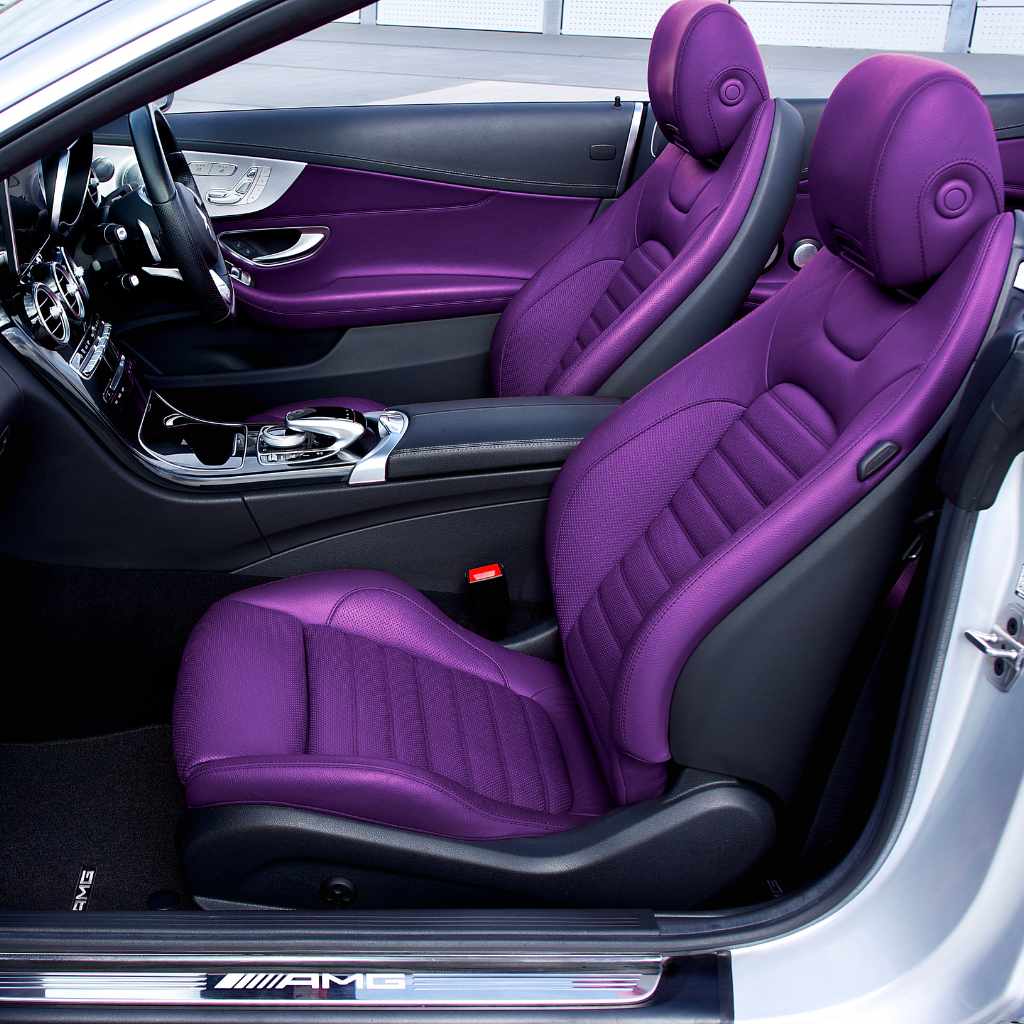
The seat rails are the metal tracks that your car seat slides on. They are connected to the floor of your car. The lever you use actually engages with these rails to allow or prevent movement.
Keeping these rails clean and free of debris is a good idea. Dirt or small objects can sometimes get stuck in them and make it harder to adjust the seat.
If you’re finding it really hard to move the seat, check the rails for anything that might be blocking them. You might be able to clear it by hand or with a small tool. Just be careful not to damage the rails or the seat mechanism.
Power Seat Controls
If your car has power seats, the adjustment is even easier. These seats have buttons or a joystick, usually on the side of the seat or on the door panel. These controls let you move the seat in many directions, including forward and backward.
- Find the power seat controls.
- Use the buttons that are clearly marked for forward and backward movement.
- Press and hold the button in the direction you want the seat to move until it reaches your preferred position.
- Release the button to stop the seat.
Power seats offer more fine-tuning. You can move them just a tiny bit or a lot, making it easier to find that perfect spot. Just like with manual seats, ensure the seat is in a secure position before driving.
Common Issues with Power Seats
Sometimes, power seat motors can get a bit slow or stop working. This could be due to a fuse, a wiring issue, or the motor itself. If your power seat isn’t moving, check your car’s manual to see if there’s a fuse related to the power seats that might have blown.
If it’s more than a simple fix, it might be best to have a mechanic look at it.
Important Safety Checks After Adjustment
No matter if you have manual or power seats, the most important thing is to make sure the seat is locked in place and you can safely operate the vehicle. You need to be able to press the pedals all the way down without your knees hitting the dashboard or steering wheel. Also, your arms should be comfortably bent when holding the steering wheel.
Pedal Reach
Sit in your adjusted seat and place your feet on the pedals. Your leg should have a comfortable bend at the knee when the pedal is fully depressed. If your leg is too straight, you might not have enough control.
If your knee is hitting the steering wheel, the seat is likely too close.
Steering Wheel Clearance
With your hands at the comfortable driving position (usually 9 and 3 o’clock on the steering wheel), there should be enough space between your chest and the steering wheel. This is important for airbag deployment safety. If the seat is too close, the airbag might not deploy correctly in an accident, or it could injure you.
Visibility
Ensure your adjusted seat position gives you a clear view of the road, mirrors, and any potential hazards. You should be able to see the front of your car and the area around it without straining or having to lean excessively.
Making the Seat Go Back Further Than Expected
Some cars have limits on how far back the seat can go to ensure safety. If you’re a very tall person, you might find that even at its furthest setting, the seat isn’t quite far enough back. While there aren’t usually simple “hacks” to make a seat go further than its design allows, there are a few things to consider.
- Check the full range of motion: Sometimes, the lever needs to be pulled or pushed to its absolute limit to allow the full range of backward movement.
- Ensure no obstructions: Make sure nothing is physically blocking the seat from sliding further back on its rails. This could be a dropped item or something in the car’s floor mat.
- Review your vehicle’s manual: Your car’s owner’s manual will detail how the seat adjustments are supposed to work for your specific model.
It’s crucial to remember that car seats are designed with safety in mind. Exceeding the designed range of motion could compromise the seat’s stability or its ability to function correctly in an accident. If you consistently find your car seat doesn’t go back far enough for comfortable and safe driving, you might want to explore vehicles known for having more generous interior space or adjustable seating options.
Ergonomic Considerations for Tall Drivers
For taller individuals, finding a comfortable driving position is a common concern. Beyond just moving the seat back, other adjustments can significantly improve comfort and safety.
- Steering wheel adjustment: Many steering wheels can be adjusted for tilt and reach. Extend the steering wheel as far away from you as possible while still maintaining comfortable control.
- Seatback angle: Adjust the seatback to a comfortable angle that supports your back without forcing you to lean too far forward or backward. A slightly reclined position is often best.
- Headrest position: Ensure the headrest is at the correct height to support your head and neck, helping to prevent whiplash in a rear-end collision.
These combined adjustments can create a much better driving experience, even in cars that might otherwise feel a bit cramped.
Troubleshooting Difficult Seat Adjustments
If your manual seat is stuck or very hard to move, there are a few things you can try.
Cleaning the Rails
Dirt, dust, and small debris can accumulate on the seat rails over time, causing friction and making movement difficult. Use a vacuum cleaner with a crevice tool to thoroughly clean the rails. You can also use a brush to dislodge any stubborn dirt.
Lubrication
Once the rails are clean, a small amount of lubricant can help them slide more smoothly. A silicone-based spray or a dry lubricant is usually recommended. Avoid using greasy lubricants, as they can attract more dirt.
Apply the lubricant sparingly to the rails and then move the seat back and forth several times to distribute it.
Checking for Damage
Inspect the seat rails and the lever mechanism for any signs of damage, bending, or wear. If you notice any issues, it might be a sign of a more serious problem that requires professional attention. Trying to force a damaged mechanism can lead to further breakage.
When to Seek Professional Help
If you’ve tried cleaning, lubricating, and checking for obstructions, and your seat is still difficult to adjust, or if you suspect any damage to the mechanism, it’s best to consult a professional. Your car dealership or a qualified auto repair shop can diagnose and fix any issues with your seat adjustment system.
Frequently Asked Questions
Question: Can I make my car seat go back further than it normally does?
Answer: Generally, car seats are designed to move within a safe range. While you can usually maximize its backward movement by ensuring levers are fully engaged and rails are clear, trying to force it beyond its intended limits is not recommended for safety reasons.
Question: My car seat lever is stuck, what should I do?
Answer: First, try cleaning the seat rails thoroughly for any debris. Then, ensure you are lifting or pushing the lever to its full range of motion. If it remains stuck, a small amount of silicone lubricant on the rails might help, but if it’s still resistant, it might require professional inspection.
Question: How far back should my car seat be for safe driving?
Answer: Your car seat should be positioned so that you can comfortably press the pedals with a slight bend in your knees and maintain a comfortable reach to the steering wheel with your arms slightly bent. You should also have clear visibility of the road.
Question: Are there different types of seat adjustment mechanisms?
Answer: Yes, the most common are manual levers that lock the seat onto rails, and power seat controls which use electric motors and buttons for adjustment. Some luxury vehicles might offer even more advanced, electronically controlled adjustments.
Question: What if I’m too tall for my current car’s seat adjustment?
Answer: If even at its furthest setting, the seat doesn’t offer enough legroom, consider adjusting the steering wheel to its furthest out position and tilt, and the seatback angle for maximum comfort. If this still isn’t enough, you might need to consider vehicles known for larger interiors or more extensive seat adjustability.
Final Thoughts
Getting your car seat positioned correctly is a key part of safe and enjoyable driving. Whether you have a simple manual lever or advanced power controls, the goal is the same: find that sweet spot where you feel comfortable, in control, and can see everything around you clearly. Remember to always check that your seat is locked securely after any adjustments before you hit the road.
For taller drivers or those who simply prefer more legroom, exploring all the adjustment options your seat and steering wheel offer can make a big difference. If you run into stubborn mechanisms or persistent issues, don’t hesitate to seek out professional help to ensure your car’s safety features work as they should. A little attention to seat comfort can really improve your daily commute.