How to Dye Car Carpet: Full Step-by-Step DIY Guide
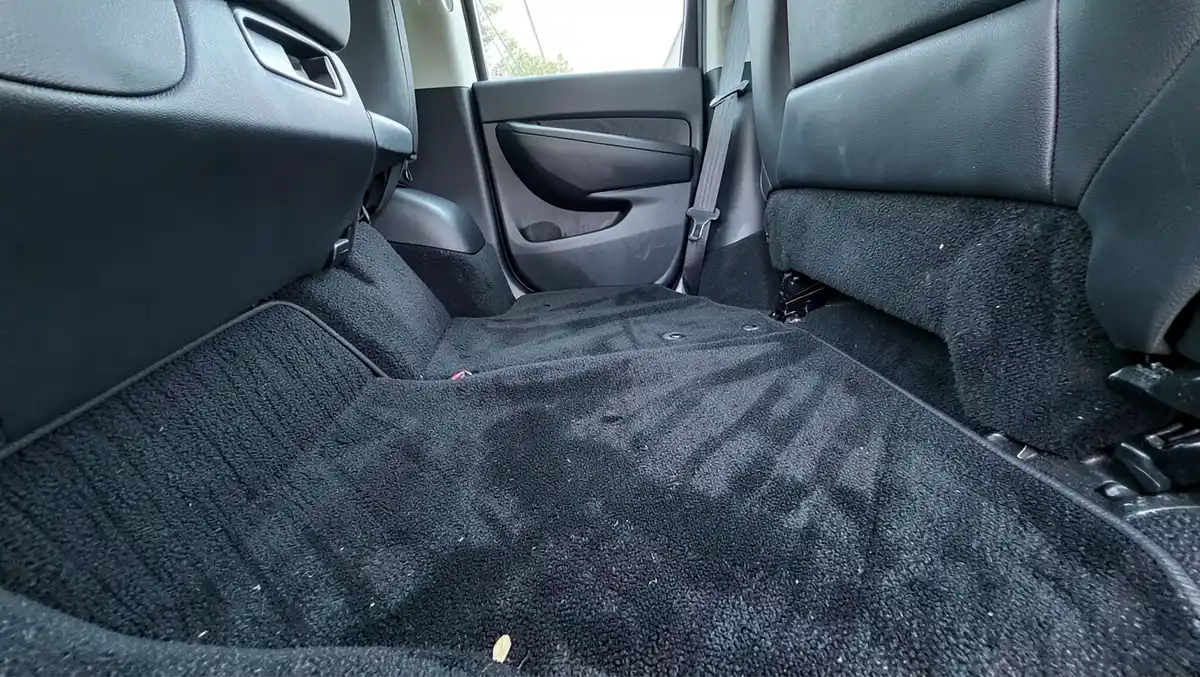
Faded, sun-bleached car carpet usually costs $200 to $500 to replace, but you can dye it back to a rich, even color for under $50 in a weekend. The key is using a UV-stable automotive dye (not a household fabric dye), cleaning the carpet completely first, and testing the color on a hidden spot before committing to the whole floor. Dye can only darken your existing color, not lighten it, so plan your new shade with that in mind. Below is the full process: what to buy, how to apply it step by step, and the mistakes that ruin most first attempts.
Why Dye Your Car Carpet?
BEST FOR DIY CARPET DYEING
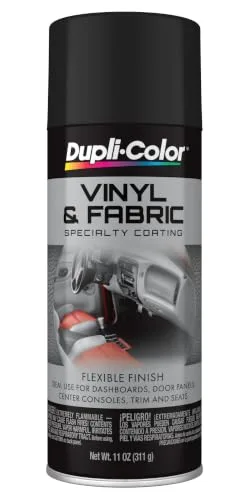 |
Dupli-Color Vinyl & Fabric Spray, Flat Black, 11 oz – $14.99 A flexible, flat-finish spray dye made for automotive carpet, vinyl, and fabric — matches the factory look better than a glossy household dye.
|
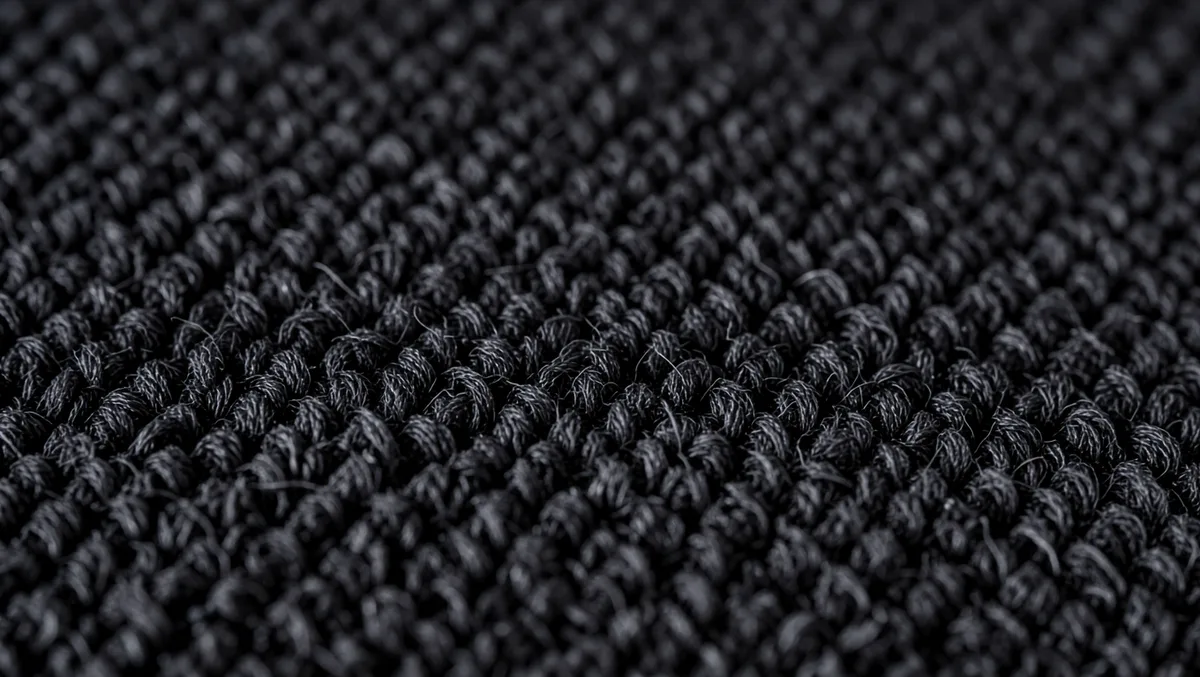
Dyeing a car carpet is one of the cheapest ways to fix a faded, sun-bleached, or stained interior without buying a full replacement. Most factory car carpet is nylon, which takes color extremely well; some aftermarket mats and older or budget vehicles use polyester, which is far more resistant to standard dye kits (more on that below). Dyeing works best when you’re restoring a shade or going darker, and it’s a straightforward weekend project for anyone comfortable with basic hand tools.
Benefits of Car Carpet Dyeing
- Saves Cash: New carpets cost $200–$500, but dyeing is under $50.
- Custom Look: Pick a color that matches your car’s style.
- Eco-Friendly: Reuse your existing carpet instead of tossing it.
Drawbacks to Consider
- It takes time and patience to do it right.
- Some dyes and coatings can stiffen the carpet slightly.
- Color changes from light to dark work far better than the reverse.
What You’ll Need to Dye Your Car Carpet
Before you start, gather these tools and materials — most are available at auto parts stores or online. Complete dye kits from suppliers like Detail King typically run $20 to $40 and include the dye, an applicator, and sometimes a topcoat.
Tools and Materials
- Carpet Dye Kit: Look for products made specifically for automotive fabric, vinyl, and carpet, such as SEM Color Coat (technically a flexible protective coating rather than a traditional dye, but formulated for carpet and velour), Dupli-Color Vinyl & Fabric Spray, or an Americolor automotive dye kit.
- Spray Bottle or Sponge: For applying dye evenly.
- Vacuum Cleaner: To remove dirt before dyeing.
- Stain Remover: Automotive-specific cleaners work best.
- Scrub Brush: A soft-bristled brush to work in the dye.
- Gloves and Mask: To protect your hands and lungs.
- Newspaper or Plastic Sheets: To cover your workspace.
Here’s a quick comparison of dye types:
| Dye Type | Pros | Cons | Cost |
|---|---|---|---|
| Liquid Dye | Deep color, long-lasting | Needs mixing, messy | $15–$30 |
| Aerosol Dye | Easy to apply, precise | May need multiple cans | $10–$20 |
| Powder Dye | Customizable strength | Requires hot water, less common for auto use | $10–$25 |
Table 1: Comparing Car Carpet Dye Types
Does Your Carpet’s Material Matter? (Nylon vs. Polyester)
Most factory automotive carpet is nylon, and nylon takes standard automotive dyes very well — the dye bonds into the fiber and resists fading and abrasion once cured. Polyester carpet, more common in some aftermarket mats and a handful of older or budget vehicles, is much harder to dye at home: it really needs a disperse dye and heat to bond properly, and most off-the-shelf automotive dye kits won’t hold up on it long-term. A quick way to check: snip a hidden thread and hold a lighter near it — nylon melts into a hard round bead, while polyester tends to melt and drip with a slightly sweeter smell. If you’re not sure, the hidden-spot test in Step 2 below will tell you before you commit to the whole carpet.
Step-by-Step Guide to Dyeing Your Car Carpet
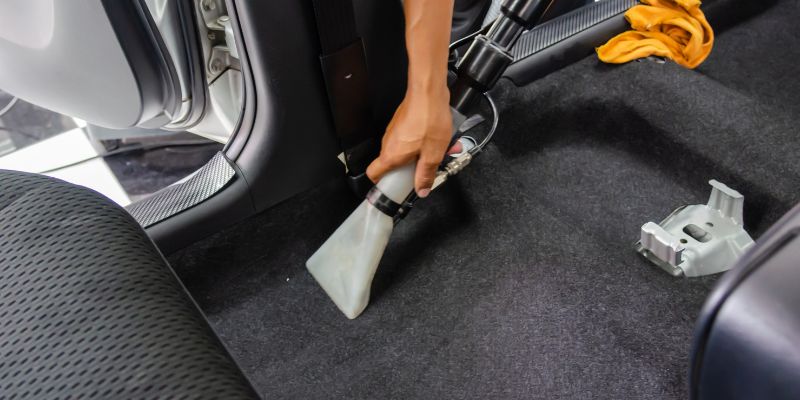
Here’s the full process, from prep to reinstalling the carpet. Work in a garage or driveway with good ventilation, and don’t rush any step — most bad dye jobs come down to skipped prep or too much dye applied at once.
Step 1: Prep Your Carpet
Remove the carpet if you can — most factory carpet lifts out after removing the seats (usually four bolts each) and a handful of trim clips. Vacuum thoroughly, then treat any spots with an automotive-specific stain remover. Let the carpet dry completely before dyeing; a damp carpet won’t take dye evenly, and if it’s still wet from a recent shampoo or extraction, dry it out fully first (our guide on drying wet car carpet fast covers that).
Step 2: Test the Dye
Pick a small, hidden spot — under a seat or inside a door sill — and apply a bit of dye there first. Wait at least 10 minutes (some kits recommend up to 24 hours) to see the true, cured color before committing to the whole carpet. This step also tells you whether your carpet takes the dye evenly; a blotchy or resistant patch can mean you’re dealing with polyester rather than nylon.
Step 3: Apply the Dye
Mix the dye according to the kit’s instructions. Apply with a spray bottle or sponge in small sections, working it into the fibers with a soft-bristled brush as you go. Thin, even coats work better than one heavy coat — most manufacturers recommend two to three light passes with drying time between them rather than soaking the carpet in one go.
Step 4: Let It Dry
Let the carpet dry fully — usually 24 hours in a well-ventilated area — before handling it again. Hanging it flat over a clothesline or a pair of sawhorses speeds up even drying. Wet dye will transfer onto shoes, clothes, or anything else that touches it, so keep the area blocked off until it’s completely cured.
Step 5: Seal the Color
Many all-in-one dye kits already include a built-in protective topcoat, so check your kit’s instructions before buying a separate one. If yours doesn’t, apply a clear automotive vinyl/fabric sealer afterward; it protects the color against UV fading and keeps dye from rubbing off on shoes or clothing once the carpet is back in daily use.
Step 6: Reinstall the Carpet
Fit the carpet carefully around the pedals, seat mounts, and trim pieces, then bolt the seats back down snugly. Double-check that seatbelt anchors and any factory clips are torqued back to spec before driving — those are safety-related fasteners, not just cosmetic ones.
Tips for a Great Dye Job
A few lessons that separate a good dye job from a patchy one:
- Choose a Darker Shade: Going from tan to black is easier than lightening.
- Work Slowly: Rushing leads to uneven color.
- Ventilate Well: Dye fumes are strong, so open windows or work outside.
- Brush Both Ways: Work the dye in from different directions for even coverage.
Common Mistakes to Avoid
- Skipping Cleaning: Dirt and oil block the dye, leaving patchy or dull spots — vacuum and clean thoroughly first (our full car detailing walkthrough covers the right cleaning order).
- Using Household Fabric Dyes: General-purpose dyes like RIT aren’t formulated for automotive UV exposure or the vinyl backing on most car carpet, so they tend to fade fast and can rub off onto clothing.
- Overloading Dye: Too much dye in one pass makes the carpet stiff or crusty; several light coats hold up better than one heavy one.
Here’s a cost comparison to help you decide:
| Option | Cost | Time | Durability |
|---|---|---|---|
| Dyeing Carpet | $30–$50 | 1–2 days | 2–5 years |
| New Carpet | $200–$500 | 1–2 days | 5–10 years |
| Professional Dyeing | $100–$200 | 1 day | 3–7 years |
Table 2: Dyeing vs. Replacing Car Carpet
Alternatives to Dyeing
Not sure dyeing is right for your carpet? A few other options:
- Replace the Carpet: Pre-cut kits from AutoZone fit specific car models but cost more.
- Use Floor Mats: Cover stains with custom mats for a quick fix.
- Hire a Pro: Detail shops can dye or clean carpet for you — see our breakdown of typical interior detailing costs before calling around.
What Results to Expect (and the Trade-Offs)
A good dye job can look genuinely close to factory-new, but it’s worth knowing the trade-offs before you start. Flexible coatings like SEM Color Coat can leave carpet feeling slightly crunchy or stiff when they first dry; brushing and vacuuming the carpet between coats, and again once it’s fully cured, softens the texture back up. Dupli-Color’s Vinyl & Fabric spray tends to stay softer straight out of the can, which is one reason it’s a popular pick for carpet specifically rather than hard trim. Even with a sealer, expect some gradual fading over years of sun exposure; parking in shade or using a windshield sunshade slows that down. None of this changes the core trade-off: dye restores or darkens color, it doesn’t repair worn-through or matted fibers, so a carpet that’s more damaged than faded is a better candidate for replacement (see the alternatives above).
Frequently Asked Questions
What Is the Best Dye for Car Carpets?
UV-stable automotive-specific products work best — Dupli-Color Vinyl & Fabric Spray, SEM Color Coat, and Americolor’s automotive dye kit are all made to handle heat and sunlight inside a car. General household dyes like RIT aren’t formulated for that and tend to fade or rub off.
Can I Dye My Carpet Without Removing It?
Yes, but it’s trickier. Mask off seats and trim, and work in small sections. Removing the carpet gives better results and avoids dye landing on other surfaces.
How Long Does Car Carpet Dye Last?
With proper application and sealing, dye typically lasts 2 to 5 years. UV-stable dyes and sealers extend that, especially in sunny climates.
Will Dyeing Make My Carpet Stiff?
Some coatings, like SEM Color Coat, can leave carpet feeling stiff or crunchy right after it dries; brushing and vacuuming between coats softens it back up. Thin, even coats reduce stiffness more than one heavy coat, and softer-drying dyes like Dupli-Color’s fabric spray are less prone to this.
Can I Change My Carpet Color Completely?
Darkening (for example, tan to black) works best. Lightening is hard because the old color shows through. Stick close to or darker than the original shade for even results.
How Do I Clean My Carpet Before Dyeing?
Vacuum thoroughly, then use an automotive stain remover on any spots. Scrub stains with a damp cloth and let the carpet dry completely before dyeing.
Is Dyeing Safe for My Car?
Yes, if you use automotive-specific dyes and ventilate well. Wear gloves and a mask to avoid fumes, and torque seatbelt anchors and other hardware back to spec when you reinstall the carpet. Don’t use household dyes — they aren’t formulated for automotive use.
Conclusion
Dyeing your car carpet is one of the most budget-friendly ways to refresh a tired interior — a weekend project for around $30 to $50 versus $200 or more for new carpet. Clean thoroughly, test the color first, apply thin coats, and seal it, and the result should hold up for a few years of normal use. If your carpet turns out to be more worn or torn than faded, replacement or a pro detail shop is the better call (see the alternatives above).
Products related to this article
Sponsored / affiliate links. As an Amazon Associate I earn from qualifying purchases. I may earn additional commission from eligible campaigns.
 nekhfs Car Carpet Cleaner Scrub Tool, Automotive Carpet Cleaning Brush for Interior Detailing, Floor Mat Dirt Remover, Deep Cleaning Accessory for Cars, Trucks, SUVs and RVs
 Polcatay 4 PCS Car Carpet Fixing Clips, Plastic Non-Slip Floor Mat Buckle, Interior Floor Mat Safety Non-Slip Fasteners Accessories, Universal for Cars Portable Fixing Device (Black)