Car Coolant Flush: DIY Steps, Cost & Interval Chart
Flushing your car’s coolant means draining old antifreeze, running distilled water through the system to clear rust and gunk, then refilling with the correct coolant type — usually every 30,000 to 100,000 miles depending on your manufacturer. Skipping it lets mineral deposits clog the radiator and water pump, which can cause overheating and a $500+ repair bill. This guide covers the full drain-and-flush process, how to bleed air pockets afterward, and how DIY costs ($20–$50) compare to a shop visit ($100–$200).
Quick Answer
To flush a car coolant system: let the engine cool, drain old coolant from the radiator petcock, flush 2–3 times with distilled water until it runs clear, refill with the manufacturer-specified coolant mix, then run the engine with the heater on to bleed trapped air pockets. Most cars need this every 30,000–100,000 miles.
Why Flushing Coolant Matters
Best Coolant Flush Kit Pick
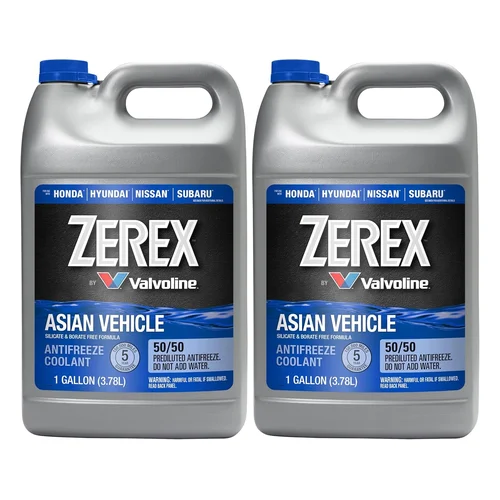 |
Prestone All Vehicles 50/50 Prediluted Antifreeze/Coolant A universal, pre-mixed coolant compatible with every make and model, no guessing on OAT vs. HOAT formulas.
|
Coolant, or antifreeze, keeps your engine from overheating or freezing. Over time, it gets dirty, picking up rust and gunk. A flush replaces old fluid with fresh, helping your car last longer. Think of it like changing the oil in your engine—it’s regular upkeep that saves money on repairs.
What Happens If You Skip It?
Dirty coolant can clog your radiator or harm the water pump. Left too long, it can cause the engine to overheat mid-drive. Flushing every 30,000 miles or two years (check your manual) prevents breakdowns and keeps things running smoothly.
Engine Coolant vs. Radiator Fluid: What’s the Difference?
Engine coolant is a mixture of antifreeze concentrate (ethylene glycol or propylene glycol) and water that circulates through the engine block, radiator, and heater core to regulate temperature. “Radiator fluid” is just informal shorthand for the same liquid once it’s in the system — there’s no separate fluid. The concentrate lowers the freezing point and raises the boiling point of the water it’s mixed with, which is why straight water alone is never used.
Tools and Materials You’ll Need
You don’t need a fancy garage to flush coolant. Here’s what to grab before starting:
- Coolant (Antifreeze): Check your car’s manual for the right type (usually 50/50 mix with distilled water).
- Distilled Water: Tap water can leave deposits, so stick with distilled.
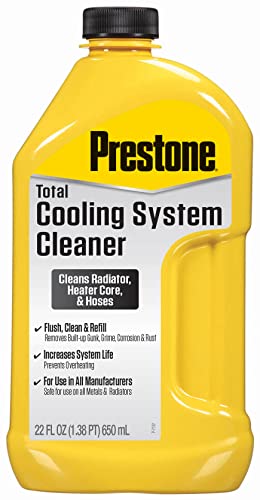
- Cooling System Flush Cleaner: Optional, but it helps clean gunk.
- Drain Pan: To catch old coolant (a 5-gallon bucket works).
- Wrench or Screwdriver: For the radiator petcock (drain plug).
- Funnel: For clean pouring.
- Gloves and Safety Glasses: Coolant is toxic, so stay safe.
- Rags: For spills.
Cost-Saving Tip
Buy coolant in bulk at auto stores like AutoZone for about $10–$15 per gallon. Mix it with distilled water (under $2/gallon) to save versus pre-mixed. Total DIY cost runs $20–$50 for most cars — compared to $100–$200 at an independent shop or $200–$400 at a dealer for OEM-spec coolant.
How to Do a Car Coolant Flush (Step-by-Step)
Here’s the full method for a proper coolant flush. It’s straightforward even for beginners and takes about an hour, plus cooling time.
- Park and cool the car: Park on a flat surface and let the engine cool completely. Hot coolant is pressurized and can cause burns, so wait a few hours after driving.
- Prep the area: Place a drain pan under the radiator. Pop the hood and find the petcock (usually a small plug at the radiator’s bottom).
- Drain the old coolant: Open the radiator cap to release pressure, then turn the petcock to drain fluid into the pan.
- Close the petcock: Tighten it back up to avoid leaks before refilling.
- Flush with distilled water: Fill the system with distilled water (add flush cleaner here if using one), run the engine with the heater on high for 10–15 minutes, then drain again. Repeat two to three times until the water runs clear.
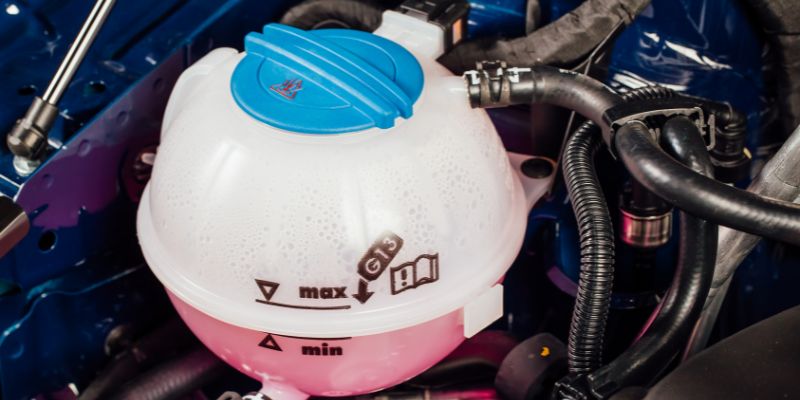
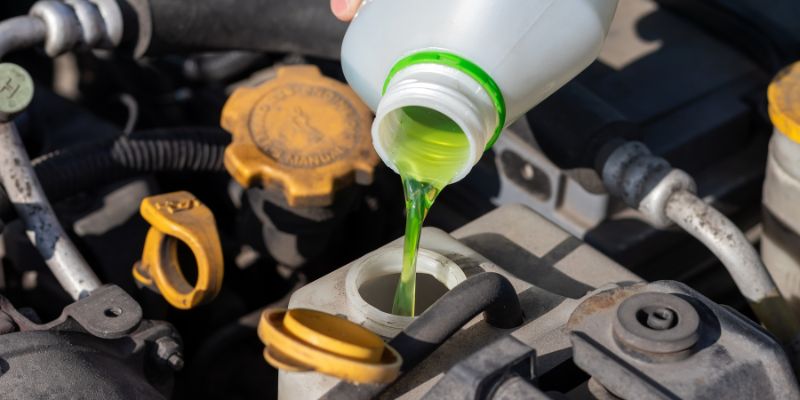
- Refill with new coolant: Use a funnel to pour in the manufacturer-specified coolant mix. Fill to the “F” line on the reservoir.
- Bleed air pockets: Locate any bleeder screws on the engine or hoses and open them briefly to release trapped air — an air pocket left in the system is a common cause of a car that overheats right after a flush.
- Check for leaks: Start the car and let it run for a few minutes. Check under the car for drips and top off the radiator if the level drops.
Benefits and Drawbacks of Flushing Coolant
| Aspect | Benefits | Drawbacks |
|---|---|---|
| Engine Health | Prevents overheating and corrosion | Can be messy if not careful |
| Cost | Saves money on repairs (e.g., $500+ for a new radiator) | Costs $20–$50 for DIY supplies |
| Time | Takes about an hour | Needs cooling time between steps |
Alternative Approach: Hiring a Mechanic
If you don’t want to flush it yourself, a shop will do a full coolant flush for $100–$200 (independent shops) or $200–$400 (dealers, especially for European vehicles needing OEM-spec coolant). A basic drain-and-fill without a machine flush often runs $80–$150 — cheaper, but it won’t clean the system as thoroughly.
My Top Tips for a Smooth Coolant Flush
- Don’t rush: Let the engine cool fully to avoid burns.
- Dispose properly: Coolant is toxic to pets and kids. Take it to an auto shop or recycling center — many accept it free.
- Check the thermostat: If your car still overheats after a flush, the thermostat might need replacing (about $10 and 30 minutes).
- Use distilled water: Tap water can leave minerals that clog your system, according to OnAllCylinders.
Common Mistakes to Avoid
- Mixing coolant types: Stick to what your manual says (e.g., OAT or HOAT). Mixing can cause sludge.
- Skipping the flush cleaner: It’s optional but helps remove rust, especially in older cars.
- Dumping coolant on the ground: It’s illegal and harmful. Always recycle it properly.
- Forgetting to bleed air pockets: Trapped air causes the temperature gauge to spike even with fresh coolant in the system.
Comparing Coolant Types
| Coolant Type | Best For | Pros | Cons | Cost |
|---|---|---|---|---|
| IAT (Green) | Older cars (pre-2000) | Cheap, widely available | Shorter lifespan (2 years) | $10/gallon |
| OAT (Orange) | Newer cars (GM, Ford) | Long-lasting (5 years) | More expensive | $15/gallon |
| HOAT (Yellow) | Hybrids, Asian cars | Balances cost and durability | Hard to find | $12/gallon |
Use your car’s manual to pick the right coolant — mixing types can cause sludge and engine issues.
How Often Should You Flush Your Cooling System?
Manufacturer intervals for a full cooling system flush typically fall between 30,000 and 100,000 miles, or two to five years, depending on the coolant type and vehicle age. Older vehicles with conventional (IAT) coolant usually need a flush every 2–3 years or around 30,000–60,000 miles. Modern vehicles using extended-life OAT or HOAT coolant can often go 5 years or 100,000 miles between flushes. Vehicles used for towing or frequent short trips in extreme heat should be flushed on the shorter end of that range.
📊 Coolant flush intervals range from 30,000 miles (older/conventional coolant) up to 100,000 miles (modern extended-life coolant). — Source: AutoZone, Cars.com maintenance guides, 2026
Safety First: Handling Coolant Properly
Coolant is toxic, so wear gloves and keep it away from pets or kids. If you spill, clean it up with rags and water. Never pour it down the drain — recycle it at a local auto shop or city facility, per Prestone’s flush guide.
Frequently Asked Questions
How often should I flush my car’s coolant?
Most manufacturers recommend a flush every 30,000 to 100,000 miles, or two to five years, depending on your coolant type. Conventional green (IAT) coolant needs flushing more often than extended-life orange (OAT) or yellow (HOAT) coolant. Check your owner’s manual for the exact interval.
Can I use tap water instead of distilled water?
No. Tap water contains minerals that can leave deposits and clog your cooling system over time. Always use distilled water for flushing and for mixing concentrated coolant.
What happens if I mix different coolant types?
Mixing coolant types (like IAT with OAT) can create a thick sludge that clogs the radiator and heater core. Stick to the type recommended in your car’s manual, and fully flush the old coolant before switching types.
Where can I dispose of old coolant?
Take used coolant to an auto parts store, repair shop, or a household hazardous waste recycling center — many accept it for free. Never dump it on the ground or down a drain; it is toxic to pets, wildlife, and groundwater.
Do I need a cooling system flush cleaner?
It’s optional but helpful, especially on older vehicles. A flush cleaner breaks down rust and scale that plain distilled water alone won’t fully remove — see our best coolant flush products roundup for picks matched to routine maintenance vs. rust removal.
Can I flush coolant without a jack?
Yes. Most radiator petcocks are accessible from underneath without lifting the car. A low-profile drain pan makes it easy to catch the fluid without jacking up the vehicle.
Why is my coolant still dirty after flushing?
Heavy rust or long-neglected systems sometimes need two or three flush cycles. Keep running distilled water (with a flush cleaner if needed) through the system until it drains clear before refilling.
Flushing your car’s coolant is regular maintenance, not a repair — drain the old fluid, flush with distilled water until it runs clear, refill with the correct type, and bleed the air pockets before you call it done. Budget an hour and $20–$50 in supplies, or $100–$200 to have a shop do it. If you’re also topping off between flushes, see our guide on how to refill antifreeze the right way. For more on choosing fluid, check whether coolant is the same for all cars, how to spot a coolant leak, and how much coolant your car actually needs.
Products related to this article
Sponsored / affiliate links. As an Amazon Associate I earn from qualifying purchases. I may earn additional commission from eligible campaigns.