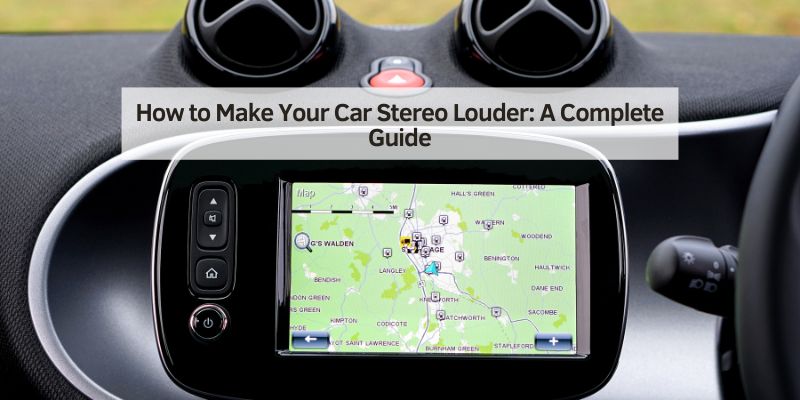
How to Make Your Car Stereo Louder: A Complete Guide
Hey there! If you’ve ever cranked up your car stereo only to feel like the sound is just not loud enough, I get it. I’ve been there, tapping the volume button, wishing my music could hit harder and fill the car with that concert-like vibe. Over the years, I’ve tinkered with my car audio system, trying everything from simple tweaks to major upgrades to make my stereo louder and clearer. I’m excited to share what I’ve learned with you in a way that’s easy to follow, whether you’re a car audio newbie or a seasoned gearhead.
Making your car stereo louder doesn’t have to be complicated or expensive, and I’ll walk you through the steps to get those tunes pumping. Let’s dive in and turn your car into a rolling sound machine!
Why Isn’t Your Car Stereo Loud Enough?
Before we get to the fixes, let’s talk about why your stereo might not be loud enough. I’ve found a few common reasons in my cars. Factory stereos are often designed for basic sound, not booming bass or crystal-clear highs. They lack the power to drive big speakers or handle heavy music genres. I noticed this with my old sedan—stock speakers sounded flat, especially with hip-hop tracks.
Other issues could be poor speaker placement, low-quality components, or even a weak head unit. Sometimes, it’s as simple as bad wiring or settings that aren’t optimized. When I first started upgrading my system, I realized my speakers were underpowered, and that was holding me back. Understanding the problem helps you choose the right solution, so let’s explore how to make your stereo louder.
Assessing Your Current Audio System
I always start by checking what I’m working with. Pop the hood, check the trunk, or peek behind door panels to see your setup. Here’s what I look for:
- Head Unit: The radio or receiver controls your audio. My stock head unit was basic, with limited power output. Aftermarket ones often have better wattage and features.
- Speakers: Factory speakers are usually cheap and small. I found 6.5-inch speakers in my doors, but they lacked bass.
- Amplifier: Most stock systems don’t have one. I added an amp to boost power, and it made a huge difference.
- Wiring: Thin or old wires can weaken sound. I replaced mine with thicker gauge wires for better performance.
- Subwoofer: If you want deep bass, a subwoofer is key. My first car didn’t have one, and the sound felt flat without it.
Take note of what you have. I used a flashlight to check my speaker sizes and wiring, and it helped me plan upgrades. If you’re not sure, your car’s manual or a quick online search can tell you about your stock system.
Ways to Make Your Car Stereo Louder
There are several ways to boost your stereo’s volume, from quick tweaks to full upgrades. I’ve tried most of these, and they all have their place depending on your budget and goals. Let’s break them down.
Adjust Your Head Unit Settings
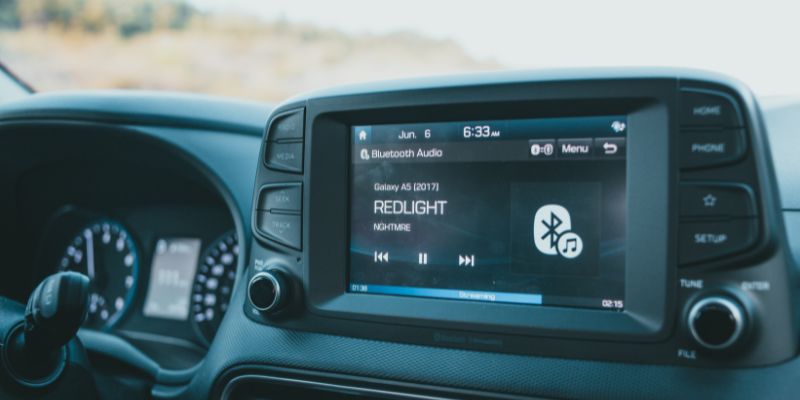
The easiest fix is tweaking your head unit. I spent an afternoon playing with my radio’s settings, and it made a noticeable difference. Here’s what I do:
- Increase Volume and Bass: I turn up the bass and treble in the equalizer settings. Most head units have presets like “Rock” or “Pop” that boost certain frequencies.
- Balance and Fade: I adjust the balance (left-right) and fade (front-back) to center the sound. My car sounded better when I shifted more sound to the front speakers.
- Turn Off Limiters: Some head units have volume limiters. I found one in my settings and disabled it for a louder output.
- Check Audio Sources: Bluetooth or AUX inputs can sound quieter than CDs or USB. I switched to a USB drive for clearer, louder sound.
These tweaks are free and take minutes. I was surprised how much louder my system sounded just by adjusting the equalizer.
Upgrade Your Speakers
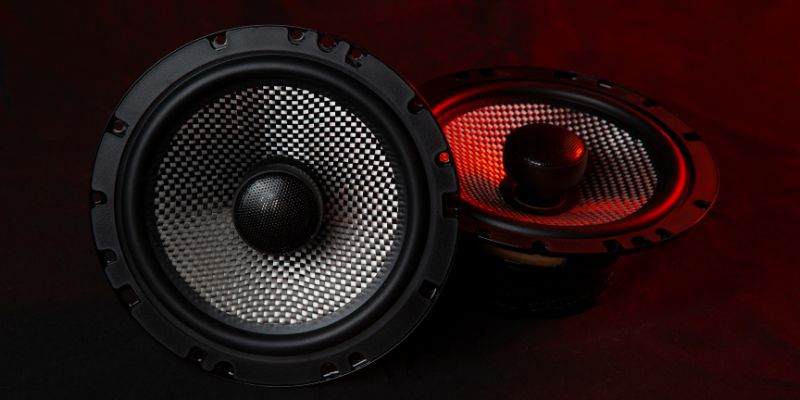
If your speakers are weak, like my old factory ones, upgrading them is a game-changer. I swapped mine out for aftermarket speakers, and the sound got louder and clearer. Here’s what I learned:
- Choose the Right Size: Match the speaker size to your car’s openings (like 6.5-inch or 6×9). I checked my manual to confirm sizes.
- Look for Power Handling: Speakers with higher RMS wattage handle more power. My new speakers are rated at 60W RMS, way better than the stock 20W.
- Pick Quality Brands: I went with brands like Pioneer and JBL for crisp sound. My $100 speaker upgrade was worth every penny.
- Consider Component Speakers: These have separate tweeters for better highs. I installed them in my front doors for a sharper sound.
Swapping speakers took me a Saturday afternoon with basic tools like a screwdriver and panel remover. It’s a moderate DIY job, but a shop can do it for $50–$150.
Add an Amplifier
An amplifier was the biggest boost for my system. It gives speakers the power they need to get loud without distortion. I added a 4-channel amp to my setup, and it was like night and day. Here’s what to know:
- Match Amp to Speakers: My amp delivers 75W per channel to match my speakers’ RMS rating. Overpowering can damage speakers, so check the specs.
- Choose a Compact Amp: I tucked mine under the passenger seat to save space. Some fit in the trunk or glovebox.
- Wiring Is Key: I used 8-gauge power and ground cables for my amp. Thin wires can cause power loss.
- Professional Help: I wired my amp myself, but it’s tricky. A shop charged me $100 to install one in my friend’s car.
My amp cost $150, but prices range from $100 to $500. It’s a must for loud, clear sound.
Install a Subwoofer
If you love bass, a subwoofer is the way to go. I added a 10-inch sub to my trunk, and it made my music feel alive. Here’s what I did:
- Pick the Right Size: 10-inch or 12-inch subs are common. My 10-inch fits my small trunk and delivers deep bass.
- Choose Powered or Passive: Powered subs have built-in amps, which are easier to install. I went with a passive sub and paired it with my amp.
- Enclosure Matters: I used a sealed box for tight bass. Ported boxes are louder but need more space.
- Secure the Sub: I bolted my sub box to the trunk to keep it from sliding. It’s also safer in a crash.
My sub and enclosure cost $200, and installation took a few hours. A shop can install one for $50–$200.
Improve Wiring and Connections
Bad wiring can choke your system’s power. I learned this when my old wires caused crackling sounds. Here’s how I fixed it:
- Use Thick Wires: I upgraded to 8-gauge power and ground wires for my amp and 16-gauge for speakers.
- Check Connections: Loose or corroded connections can weaken sound. I cleaned my terminals with a wire brush.
- Add a Capacitor (Optional): For big systems, a capacitor stabilizes power. I added a 1-farad capacitor for $50 to prevent dimming lights.
Better wiring made my system louder and clearer. It’s a small investment for big results.
Sound Deadening
I was surprised how much road noise drowned out my music. Adding sound-deadening material to my doors and trunk made my stereo sound louder and cleaner. Here’s what I did:
- Apply to Doors: I put sound-deadening mats inside my door panels. It reduced road noise and made my speakers punchier.
- Cover the Trunk: I added mats around my subwoofer to stop rattles. It tightened the bass.
- Use Quality Material: I used brands like Dynamat, which cost $100 for my car. Cheaper options work but aren’t as effective.
This took a weekend but made my car feel like a concert hall. A shop can do it for $200–$500.
Tools and Materials You’ll Need
Here’s what I used for my upgrades:
| Item | Purpose |
|---|---|
| Screwdrivers/Panel Removers | Removes door panels and head unit for speaker or amp installation. |
| Wire Cutters/Crimpers | Cuts and connects wires securely. |
| Speaker Wire (16-gauge) | Sends an audio signal to the amp. |
| Power/Ground Cable (8-gauge) | Powers the amplifier. |
| RCA Cables | Checks the voltage and connections. |
| Fuse and Fuse Holder | Protects the system from electrical faults. |
| Sound-Deadening Mats | Reduces noise for clearer sound. |
| Multimeter | Checks voltage and connections. |
| Zip Ties/Electrical Tape | Secures and insulates wiring. |
I spent about $50 on tools and $200–$300 on materials, depending on the upgrade.
Common Mistakes to Avoid
I’ve made some blunders upgrading my system. Here’s what to watch out for:
- Overpowering Speakers: Too much amp power can blow speakers. I matched my amp to my speakers’ RMS rating.
- Poor Wiring: Thin or cheap wires caused power loss in my first setup. I upgraded to thicker gauge wires.
- Ignoring Sound Deadening: I skipped this at first, and road noise drowned out my music. Mats made a big difference.
- Wrong Settings: Incorrect equalizer settings made my system sound muddy. I tweaked them for balance.
- Skipping Fuses: A fuse protects your system. I forgot one once and risked a fire.
Avoiding these mistakes keeps your system safe and loud.
Maintaining Your Upgraded Audio System
Once my system was loud, I learned to keep it in top shape:
- Check wiring connections monthly for corrosion or looseness.
- Clean speakers and subwoofers with a soft cloth to remove dust.
- Test battery voltage to ensure it’s handling the extra load.
- Adjust equalizer settings when switching music genres.
- Inspect sound-deadening mats for wear over time.
These habits keep my music booming without issues.
When to Call a Professional
I love DIY, but some upgrades are tricky. If you’re wiring an amp or installing a complex subwoofer system, a pro might be worth it. I paid $100 for a shop to wire my amp cleanly. Professional installation costs $50–$300, depending on the job. If you’re not comfortable with electrical work, it’s safer to let experts handle it.
Cost of Making Your Car Stereo Louder
Here’s what I spent on my upgrades:
- Speakers: $50–$200
- Amplifier: $100–$500
- Subwoofer and Enclosure: $100–$400
- Wiring and Accessories: $50–$150
- Sound Deadening: $50–$200
- Professional Installation (optional): $50–$300
My total was around $500 for speakers, an amp, and sound deadening. You can start small with just speakers for $100 or go all out for $1,000+.
My Personal Experience
Let me share my story. A few years ago, my car’s stock stereo sounded weak, especially with bass-heavy music. I started with new speakers, which helped, but it wasn’t enough. Adding an amp and a subwoofer was a game-changer—my music hit so hard I could feel it in my chest! I spent a weekend installing everything, made a few wiring mistakes, and learned as I went. Now, my car’s a rolling concert, and I get compliments at every car meet. It was work, but the loud, clear sound is worth it.
Conclusion
Making your car stereo louder is totally achievable, whether you’re tweaking settings or adding a full-blown subwoofer system. I’ve learned through trial and error that small changes like better speakers or sound deadening can make a big difference, while amps and subs take it to the next level. With the right tools, a bit of patience, and my tips, you can turn your car into a sound powerhouse without breaking the bank. I hope my experience inspires you to crank up the volume and enjoy your music like never before. Grab a screwdriver, pick your upgrades, and let’s make your car stereo sing!
Frequently Asked Questions
How can I make my car stereo louder for free?
I tweaked my head unit’s equalizer and balance settings. It boosted volume without spending a dime.
Do I need an amplifier to make my stereo louder?
Not always, but it helps a lot. My amp made my speakers way louder and clearer.
Can I install new speakers myself?
Yes, I did it with a screwdriver and panel remover. It took a few hours, but it’s doable.
How much does it cost to make my stereo louder?
I spent $500 on speakers, an amp, and sound deadening. You can start with $50–$100 for speakers alone.
Will a louder stereo drain my battery?
It can. My lights dimmed until I added a capacitor. A second battery or upgraded alternator helps for big systems.
Does sound deadening help?
Absolutely. I added mats to my doors and trunk, and my music sounds louder and cleaner with less road noise.