How to Measure Leg Room in a Car: Easy Steps for Perfect Fit
When you’re shopping for a car, comfort matters more than you might think. One key factor that often gets overlooked is leg room.
How do you know if a car will give you enough space to stretch out and drive comfortably? Measuring leg room isn’t as tricky as it sounds, and doing it yourself can save you from surprises later. You’ll learn simple steps to measure leg room accurately, so you can find the perfect fit for your body and enjoy every trip without discomfort.
Keep reading to discover how to make your next car purchase truly comfortable.
Why Leg Room Matters
Leg room in a car is more important than many people think. It affects how comfortable and safe you feel during a drive. Small space can make long trips hard and tiring. Enough leg room helps you sit properly and avoid pain. This section explains why leg room matters for every driver and passenger.
Comfort And Safety
Good leg room lets you stretch your legs easily. It stops your knees from hitting the dashboard or seat. This reduces discomfort and helps blood flow well. Proper leg space also means you sit in a safe position. It lowers the risk of injury in case of sudden stops or crashes. Comfort and safety go hand in hand with enough leg room.
Impact On Driving Experience
Enough leg room improves your control over the car. You can move your legs freely to use pedals smoothly. Tight spaces may cause cramps or slow reactions. This can make driving stressful and unsafe. More leg space makes driving relaxed and less tiring. It helps keep focus on the road for a better drive.
Tools Needed For Measurement
Measuring leg room in a car needs the right tools. Accurate tools help get the exact space available for legs. This section covers the basic tools you need for this task. Having these tools makes measuring easy and precise.
Measuring Tape Or Ruler
A measuring tape is the best tool for leg room. It stretches easily and measures long distances. Use a flexible tape that can bend around seats. A ruler works too but is less flexible. Choose a tool that shows both inches and centimeters. This helps if you prefer metric or imperial units.
Additional Accessories
Extra items can help you measure more clearly. A notebook and pen help record your numbers. A flashlight is useful for darker car interiors. You might also use a small level to check seat angles. These accessories make measuring smoother and more accurate.
Preparing The Car For Measurement
Preparing your car for leg room measurement is an important step. It helps you get accurate results. Proper preparation makes the process smooth and clear. Start by setting the seat and clearing space around your legs.
Adjusting The Seat Position
Move the seat to a normal driving position. Sit comfortably with your back against the seat. Keep your feet on the pedals as you would while driving. This position shows the actual leg space available to the driver or passenger. Avoid placing the seat too far forward or backward.
Clearing The Footwell Area
Remove any objects from the footwell area. Items like bags, floor mats, or loose items can block the space. Clear space allows an accurate measure of leg room. It also prevents any false readings caused by obstacles. Make sure the floor is clean and free from debris.
Measuring Front Leg Room
Start by sitting in the driver’s seat and adjust it to your normal driving position. Measure from the back of the seat to the front of the pedals to find the front leg room. This helps you understand how much space you have for comfort.
Finding Reference Points
Start by identifying clear points inside the car. Check where the front seat cushion begins. Look at the pedal area for space in front. The dashboard edge helps as a fixed point too. These spots create a frame to measure leg room.
Use the seat base and the footrest area. These are easy spots to see and measure. The goal is to find points that don’t move. This ensures your measurements stay accurate.
Taking Accurate Measurements
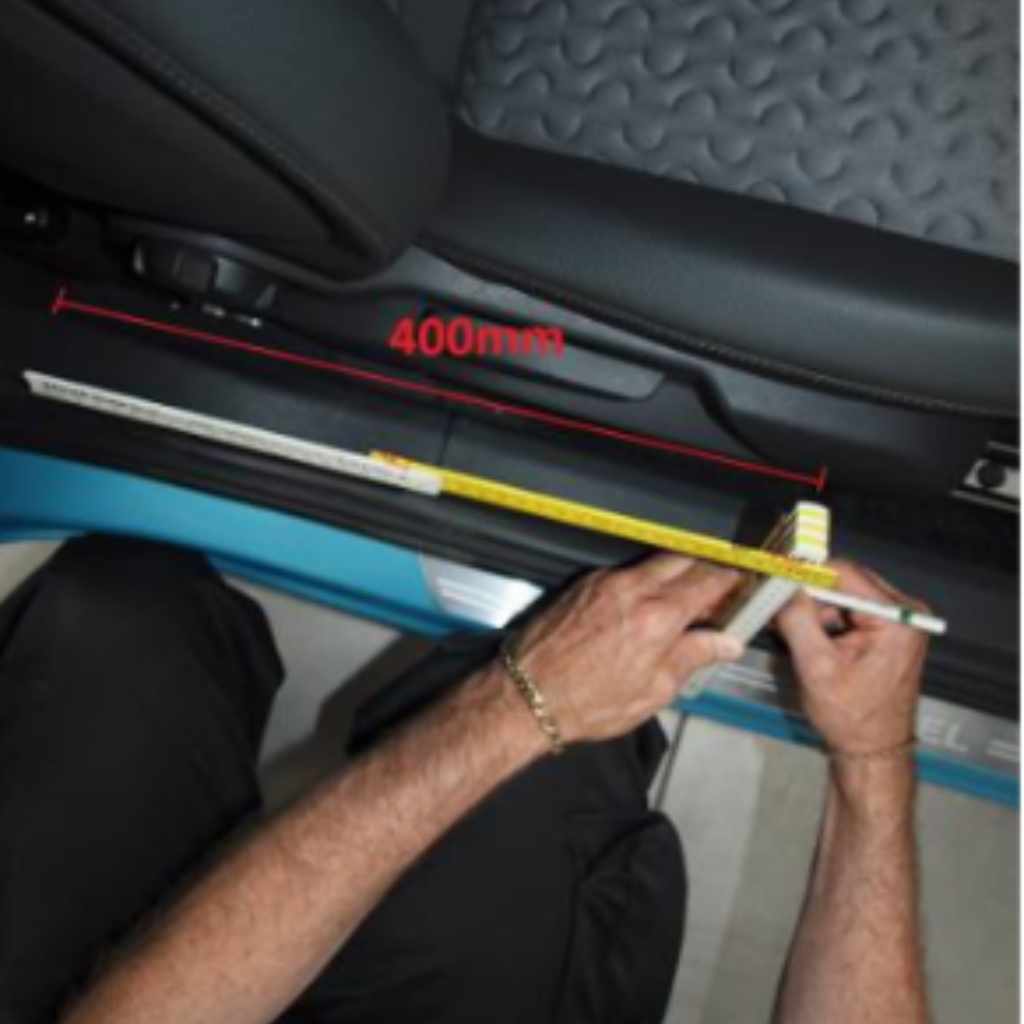
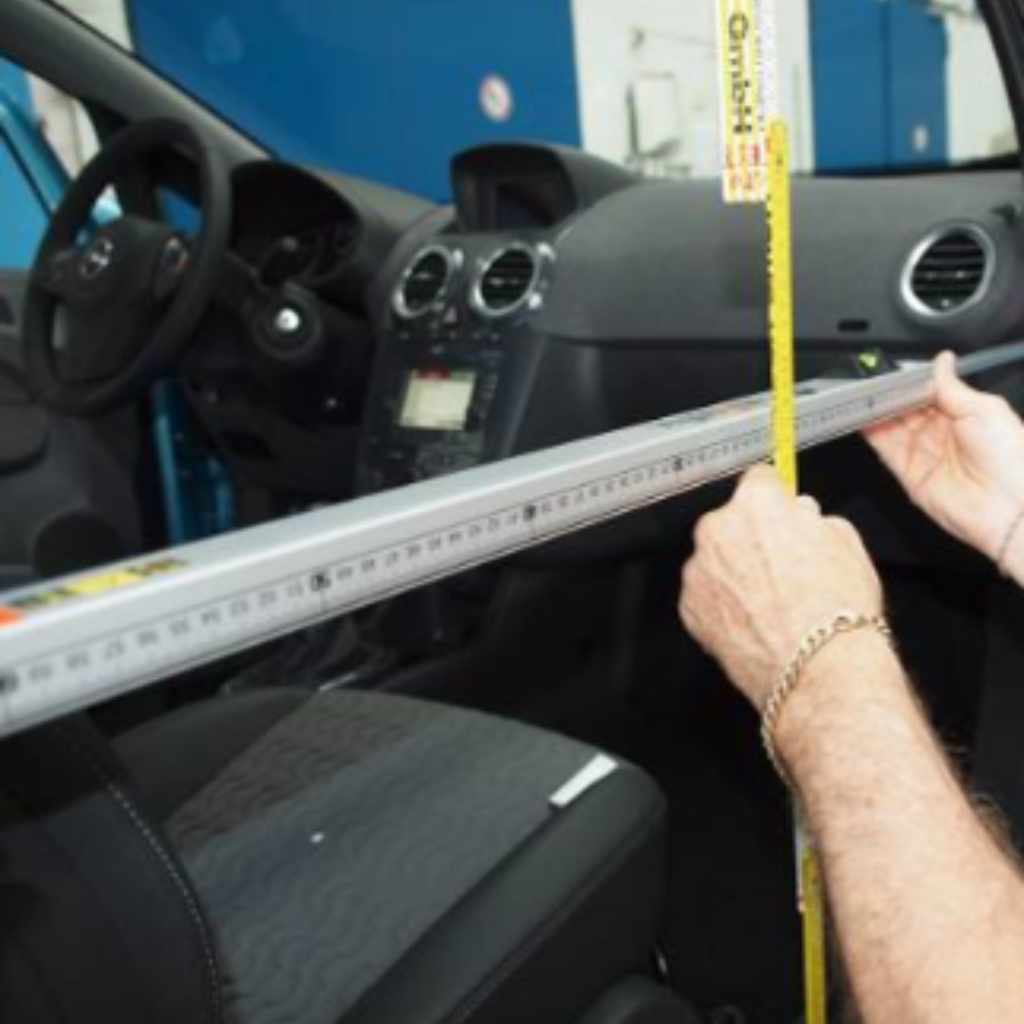
Use a tape measure or a ruler for best results. Measure from the back of the front seat cushion. Stretch the tape to the pedal or footrest area. Keep the tape straight and level. Note the number in inches or centimeters.
Repeat the measurement a few times. Make sure the seat is in a normal driving position. Record the smallest number for safety. This shows the tightest leg room space.
Measuring Rear Leg Room
Measuring rear leg room in a car helps you understand passenger comfort. It shows how much space passengers have for their legs. This is important for long trips and daily rides. Accurate measurement ensures enough room for tall passengers too.
Accessing Rear Seats
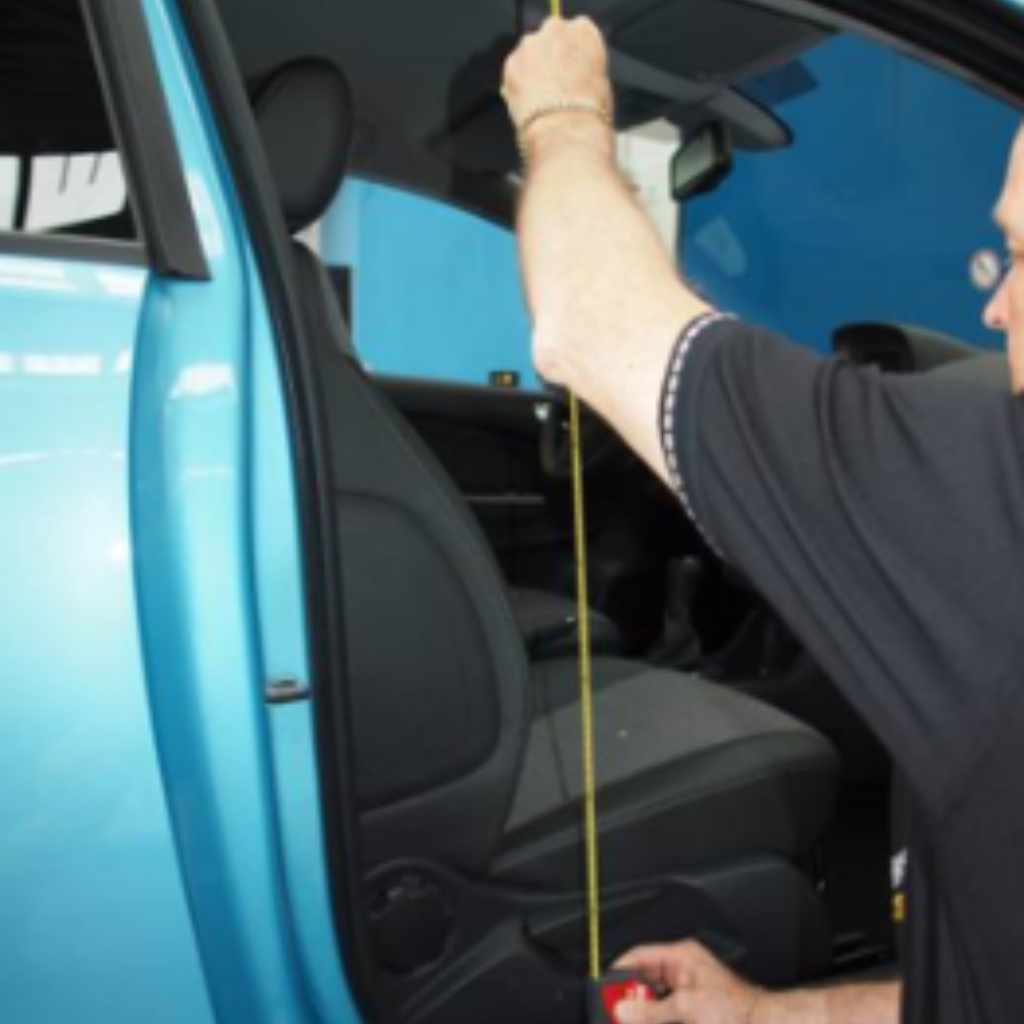
First, open the rear door fully. Make sure the front seat is in a normal position. Ask someone to sit in the rear seat. This helps check real space available. Clear any objects that block measuring. A tape measure or ruler will be needed.
Measuring Seat To Seat Distance
Measure from the back of the front seat to the front edge of the rear seat. Keep the tape measure straight and parallel to the floor. Record the distance in inches or centimeters. This number shows the leg room space. Repeat on both sides for accuracy.
Interpreting Leg Room Measurements
Understanding leg room measurements helps you find comfort in any car. These numbers show how much space you have for your legs inside the vehicle. But numbers alone do not tell the full story. You need to interpret these measurements to decide if a car suits your needs.
Comparing With Manufacturer Specs
Car makers list leg room in inches or centimeters. These figures usually come from the front seat to the back of the pedal or seat track. Check the specs for both front and rear seats. Use these numbers to compare different models. Remember, specs might vary slightly due to seat adjustments or trim levels. Always consider the exact seat position used for the measurement.
Assessing Personal Comfort Needs
Your body size affects how much leg room you need. Taller people need more space to avoid discomfort. Shorter drivers may find too much space awkward. Think about your usual seating posture. Test the space by sitting in the car and moving the seat. Notice if your legs feel cramped or stretched. Personal comfort matters more than just numbers on paper.
Tips For Maximizing Leg Room
Maximizing leg room in your car makes every drive more comfortable. Small changes can create noticeable space. Focus on seat positions and smart additions. These tips help you enjoy more room without costly upgrades.
Seat Adjustments
Start by moving your seat backward. This gives your legs more space to stretch. Adjust the seat height to avoid knee strain. Tilt the seat cushion slightly for better comfort. Check the backrest angle and keep it upright. Use the lumbar support to improve posture. These simple moves change how much leg room you have.
Aftermarket Solutions
Consider adding seat sliders for extra reach. These let you slide the seat further back. Look for thinner seat cushions to free up inches. Install pedal extenders if you move the seat back far. Use floor mats that don’t take up space. These small upgrades improve leg room without major changes.
Frequently Asked Questions
How Do You Measure Front Leg Room In A Car?
Measure from the front seat back to the pedals or footrest. Ensure the seat is adjusted for a typical driving position. This gives an accurate front leg room measurement.
What Tool Is Best For Measuring Car Leg Room?
A tape measure is ideal for measuring leg room. It’s flexible and can easily measure from seat to pedal area. Use it while seated for precise results.
Why Is Measuring Leg Room Important Before Buying?
Leg room affects comfort and driving safety. Insufficient space can cause discomfort on long trips. Measuring ensures the car fits your body size and driving habits.
How Does Leg Room Affect Passenger Comfort?
More leg room means passengers can stretch and sit comfortably. Less leg room can cause cramped seating and fatigue. It’s crucial for long journeys and taller passengers.
Conclusion
Measuring leg room in a car helps you choose the right vehicle. It ensures comfort during drives. Use a tape measure from the seat back to the pedals or floor. Check both front and rear seats for full comfort. Remember, more leg room means less fatigue on long trips.
Always measure before you buy. This simple step makes a big difference in your driving experience.