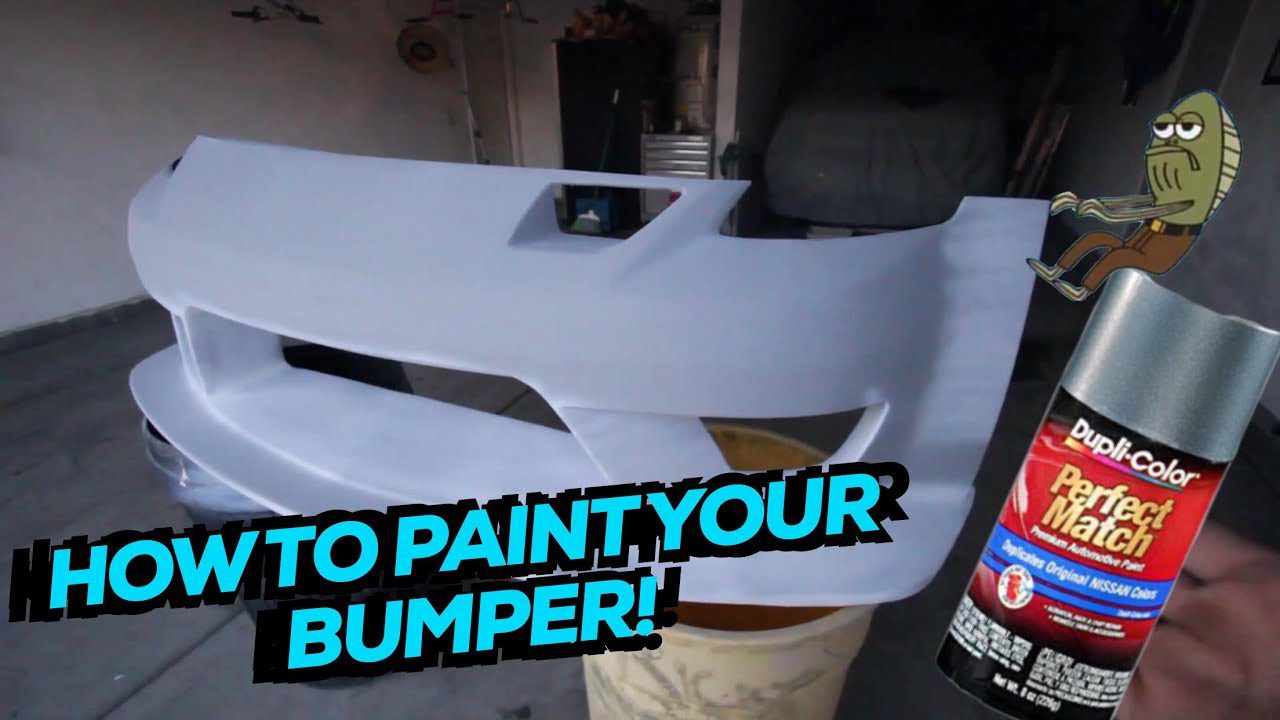
How to Paint Car Bumper Like a Pro: Easy Steps
Painting a car bumper is simpler than you might think. First, clean and prep the surface.
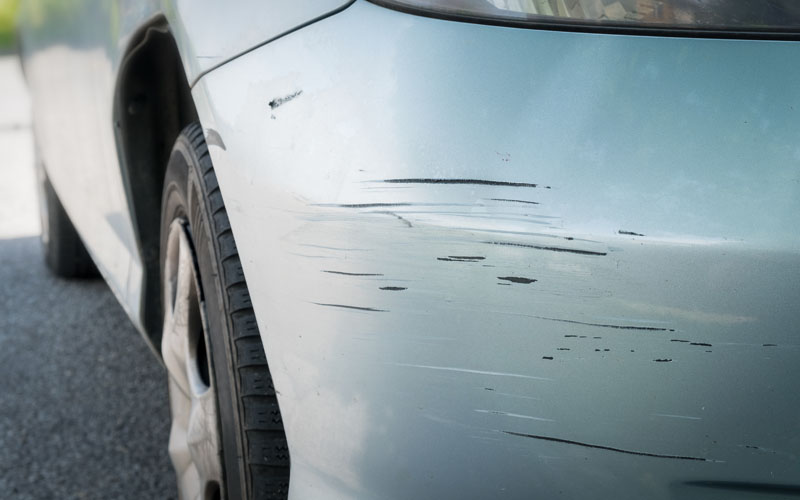
Then, apply primer and paint evenly. A car’s bumper often shows signs of wear and tear. Scratches, dents, and fading paint can make it look old. Refreshing your bumper with a new coat of paint can transform your car’s appearance.
Whether you want to fix damage or just change the color, painting a bumper is a cost-effective solution. With the right tools and a bit of patience, you can achieve a professional look. This guide will help you through the process step-by-step. You don’t need to be an expert to get great results. Let’s dive into the basics of painting your car bumper.
Preparation Essentials
Start with a list of needed items. A can of car paint is essential. You will also need sandpaper and a clean cloth. Buy a primer for better paint sticking. Get a mask and gloves for safety. Tape is needed to cover areas not to be painted. A paintbrush or spray is required too. Check your garage for these items first. Buy missing tools from a local store.
Safety is very important. Always wear a mask to protect from fumes. Use gloves to keep your hands clean. Work in a place with fresh air. Keep your painting area clean and tidy. Ensure there are no open flames nearby. Paint fumes can be dangerous. Store paints in a cool, dry place. Dispose of waste properly. Never leave tools lying around.

Credit: www.youtube.com
Removing The Bumper
Begin by gathering all the necessary tools. Screwdrivers and wrenches are usually needed. Make sure the car is parked safely. Look for the screws that hold the bumper. They are often at the sides and bottom. Use a screwdriver to remove them carefully. Keep the screws in a safe place. You will need them later. Gently pull the bumper away from the car. Avoid force to prevent damage. If it feels stuck, check for missed screws.
Once the bumper is off, inspect it closely. Look for any cracks or dents. Small cracks can be fixed easily. Big dents might need expert help. Check the mounting points. They should be strong. If they are broken, you will need new ones. Cleaning the bumper helps spot damage. Use a clean cloth to wipe it. This makes sure the paint will stick well later.
Cleaning And Sanding
Start by washing the car bumper. Use soap and water. Make sure it’s clean. Any dirt can ruin the paint. Use a sponge for scrubbing. Rinse with clean water. Dry the bumper completely. A dry cloth is useful here. Now it’s ready for sanding.
Use sandpaper to smooth the surface. Start with coarse sandpaper. This removes rough spots. Switch to fine sandpaper next. It makes the bumper very smooth. Smooth surfaces help paint stick better. Always sand in one direction. Wipe the dust away after sanding. A clean surface is needed for painting.
Credit: thetrackahead.com
Priming The Surface
Choosing the right primer is important for painting a car bumper. The primer helps paint stick well. Use a primer made for metal or plastic surfaces. This ensures a smooth finish. Always check the product label before buying.
Applying the primer evenly helps the paint look smooth. Hold the spray can about six inches away. Use short bursts to cover the surface. Avoid applying too much at once. Multiple light coats work best. Let each coat dry before adding the next.
Painting Techniques
Picking the right paint is very important. Quality paint sticks well to the bumper. It also lasts longer. Check for paints made for cars. These paints are weather-resistant. They won’t fade quickly.
Read the label on the paint can. Look for durability and finish. Choose a color that matches your car. You want the bumper to look nice.
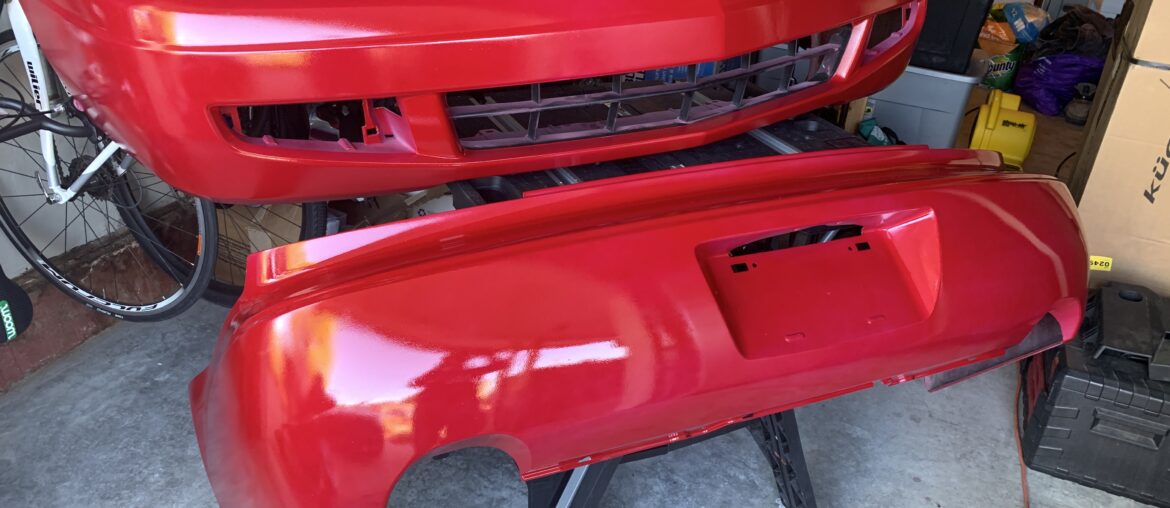
Painting in layers makes the bumper look smooth. Start with a thin layer. Let it dry before adding more. Thin layers dry faster. They also stick better.
Three to four layers are often enough. Each layer builds on the last. This makes the color deep and even. Don’t rush. Be patient for the best results.
Credit: academy.sinnek.com
Finishing Touches
Achieve a flawless car bumper finish with these steps. Start by cleaning the surface thoroughly. Apply primer evenly, followed by smooth sanding. Finish with a coat of high-quality paint for a durable shine.
Buffing And Polishing
After painting, buffing makes the bumper shine. Use a clean cloth. Apply light pressure. Circular motions work best. This removes any rough spots. The bumper will look smooth. Polishing adds a glossy finish. Apply polish with a soft pad. Spread evenly. Let it sit for a few minutes. Then, buff again. The bumper will sparkle. Regular care keeps it shiny longer. Avoid harsh chemicals. Gentle cleaning keeps the polish intact.
Sealant Application
Sealant protects the paint. It prevents fading. Choose a high-quality sealant. Apply in thin layers. Use a sponge or brush. Let it dry completely. This forms a shield. The sealant keeps the paint fresh. Repeat every few months. This ensures long-lasting protection. Weather can affect the sealant. Keep the bumper dry for best results. Proper application is key. Follow instructions carefully. Avoid applying too thickly. This can cause uneven spots.
Reattaching The Bumper
Reattaching a bumper after painting involves careful alignment and secure fastening. Begin by ensuring the paint is dry and smooth. Align the bumper with the car frame, then fasten it using clips or screws for a snug fit.
Align Properly
Place the bumper carefully near its original spot. Check that it lines up with the car’s edges. This step helps the bumper fit perfectly. Look at gaps and adjust if needed. Ensure both sides match the car’s body. Alignment is key for a secure fit.
Secure Fasteners
Use the screws or clips that came with the bumper. Tighten them until secure. Do not force them too much; they might break. Ensure each fastener is in its right place. Secure fastening prevents the bumper from falling off. Double-check each fastener to ensure they hold tight.
Maintaining The Paint Job
Clean your car bumper every week. Use gentle soap and water. Avoid harsh chemicals. They can damage the paint. A soft cloth works best. Rinse with clean water. Dry with a soft towel. This keeps the paint shiny and new.
Wax the bumper every month. Wax adds a protective layer. It helps against sun and rain. Park your car in the shade. Sunlight can fade the paint. Use a car cover when possible. It shields from dust and scratches.
Frequently Asked Questions
Can I Paint A Car Bumper Myself?
Yes, you can paint a car bumper yourself. Ensure you use quality materials and follow proper preparation steps. Start by cleaning, sanding, and applying primer. Use even strokes when spraying paint. Finish with a clear coat for protection. This DIY project requires patience and attention to detail.
What Kind Of Paint Do You Use On A Plastic Bumper?
Use automotive spray paint designed for plastic surfaces. Clean and sand the bumper before application. Apply a plastic adhesion promoter for better results. Choose a high-quality clear coat for durability and finish. Ensure proper drying time between coats to achieve a professional look.
Do I Need To Sand A Bumper Before Painting?
Yes, sanding the bumper before painting is essential. It ensures better paint adhesion and a smooth finish. Clean the surface thoroughly after sanding to remove dust and debris. Proper preparation prevents peeling and extends the paint’s lifespan, providing a professional appearance to your vehicle’s bumper.
How Much Does It Cost To Paint A Car Bumper?
Painting a car bumper costs between $150 and $300. Prices vary by location, paint type, and labor. For premium finishes, costs may increase. Getting multiple quotes ensures the best deal.
Conclusion
Painting a car bumper is easier than you think. Follow the steps outlined, and you’ll achieve professional results. Make sure to prep the surface well. Use high-quality paint and tools. Take your time for the best finish. Enjoy the satisfaction of a job well done.
Your car will look great and your bumper will be protected. Happy painting!