How to Protect Your Car from Hail: Covers, Blankets & No-Garage Options
To protect your car from hail, get it under a garage, parking structure or other solid roof before the storm arrives. If you must park outside, a padded hail cover is the next-best option, and your own safety comes before either. The National Weather Service treats hail of 1 inch (quarter size) as severe and says to take cover once a warning is issued. This guide covers hail sizes and damage, no-garage options, covers, blankets, insurance and what to do afterward.
Quick Answer
Best: covered parking reached before the storm. No garage: a padded hail cover, fitted and strapped down while the weather is calm. Once hail is falling, stay inside and away from windows; do not go out to move or cover the car. Hail damage falls under comprehensive insurance, not collision.
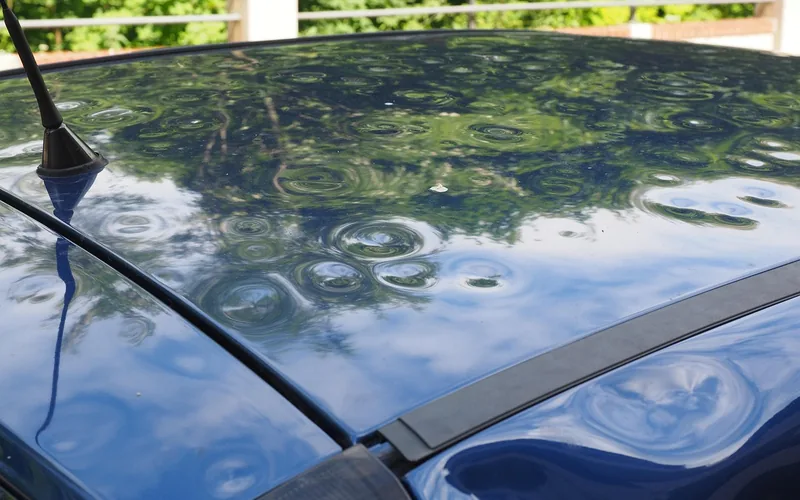
Hail Damage Threats
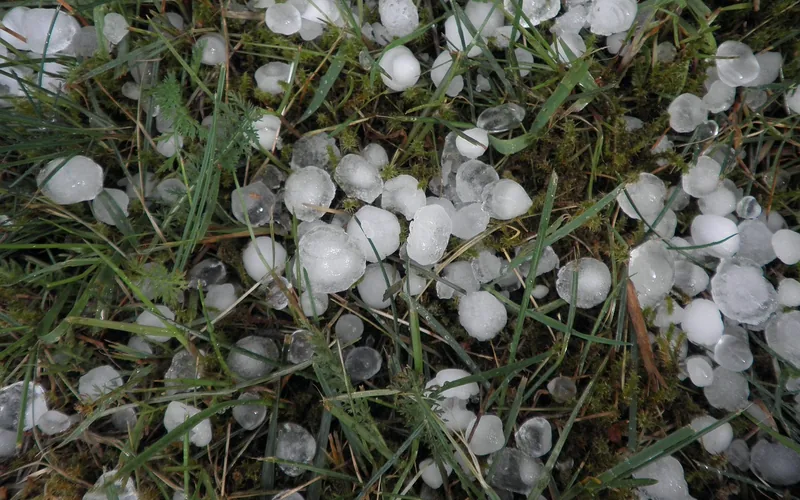
Hail damages a car in three main ways: dents and dimples in the roof, hood and trunk lid, damage to the paint finish, and cracked or broken glass. Size is the deciding factor. The National Weather Service (NWS) impact guide says hail under 1 inch is expected to cause little if any damage to people or property, although a long burst can pile up on roads and make driving hazardous. At 1 to 1.5 inches it may dimple or dent metal surfaces such as automobiles and will crack glass, especially glass with jagged edges. At 1.75 inches (golf ball) and larger, NWS lists significant damage to the finish of automobiles and says it will crack vehicle windows.
Speed adds to the problem. NWS notes that a 3-inch hailstone can fall as fast as 107 mph, and its Paducah guide puts hail damage to crops and property at more than $1 billion every year.
What Size Hail Damages a Car?
The table pairs the NWS Grand Junction size chart with the impact tiers from the NWS guide above.
| Hail comparison | Diameter | What NWS says about this size |
|---|---|---|
| Pea | 1/4 in | Under 1 inch: little if any damage expected |
| Penny | 3/4 in | Under 1 inch: little if any damage expected |
| Quarter | 1 in | Severe threshold; may dimple or dent automobiles and crack glass |
| Half dollar | 1 1/4 in | Same tier as 1 to 1.5 inches: may dent metal, crack glass |
| Ping pong ball | 1 1/2 in | Same tier as 1 to 1.5 inches: may dent metal, crack glass |
| Golf ball | 1 3/4 in | Significant damage to the finish of automobiles; will crack vehicle windows |
| Tennis ball | 2 1/2 in | Grouped with the 1.75 inch and larger tier |
| Baseball | 2 3/4 in | Grouped with the 1.75 inch and larger tier |
How Much Does Hail Cost Drivers?
The Highway Loss Data Institute (HLDI) matched comprehensive claims to NOAA hail records for 2008 through 2011. Across 748,037 hail-only claims, the average payment was $3,118 and the national frequency was 3.4 claims per 1,000 insured vehicle years. These are 2008 to 2011 figures, so today’s bills will differ, but the pattern by state is the useful part.
| State | Claims per 1,000 insured vehicle years | Average claim |
|---|---|---|
| South Dakota | 21.8 | $3,642 |
| Oklahoma | 20.4 | $3,410 |
| Kansas | 19.7 | $2,853 |
| Texas | 7.4 | $2,971 |
| Florida | 0.2 | $4,667 |
| National | 3.4 | $3,118 |
Source: HLDI Bulletin Vol. 29, No. 3 (April 2012). HLDI also found that hail claims occur almost everywhere, so a low-frequency state is not a hail-free one. If you park outside in a high-frequency area, a padded hail cover is the product category worth considering; one example is below.
Best Padded Hail Cover Pick for SUVs | |
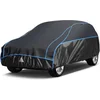 |
Holthly Hail Protector Car Cover for SUV (fits 191 to 201 inch length) Padded EVA at the roof and window positions, 300D Oxford cloth sides, three windproof straps and an elastic hem, per the Amazon listing. Listed at $209.96 on 2026-10-15; prices change.
|
As an Amazon Associate we earn from qualifying purchases. Spec-based pick from the listing, not a hands-on test.
Weather Monitoring
Hail protection depends on warning time. NWS advises setting up weather warnings on your phone because thunderstorms can escalate quickly; NWS Paducah adds that apps should have location access on, and that NOAA Weather Radio, local radio and TV also carry forecasts. Darkening skies, increasing wind, lightning and thunder are signs of an approaching storm.
The two alert types mean different things, and the difference decides what you do with the car. A severe thunderstorm watch means severe storms are possible in your area. A severe thunderstorm warning means a severe storm has been detected on radar or reported, and NWS says to take immediate action and take cover. A practical way to use this: treat a watch as the window for moving or covering the car if you can do it quickly and safely, and treat a warning as the moment to stop and shelter yourself. The NWS Paducah severe thunderstorm guide lays out both alerts.
Parking Strategies
The best spot is under a real roof: a garage, a multi-story parking structure or an underground lot. Move the car when the watch is issued, not when the warning is already out, and do not walk or drive into an active storm to do it. NWS says the best place to be during any thunderstorm is inside a sturdy building, away from windows, which can break from large hail or wind-blown objects. If you are out when a warning is issued, get inside a sturdy building immediately; if none is nearby, NWS says to get inside a vehicle. Do not leave shelter to protect the car.
Be careful with roofs that only look convenient. Severe thunderstorm winds of 58 mph or more, which NWS says can reach 100 mph, can topple trees and destroy small buildings such as sheds, carports and barns. A tree is a poor roof, and a light carport may fail in the same storm that brings the hail; if you rely on one, make sure it is anchored and wind-rated.
Protective Car Covers
Not every car cover is a hail cover. Covercraft states that its covers are engineered to protect against rain, snow, dust and UV rays but that hail protection is not guaranteed, and that damage can still occur because hailstorms vary greatly in size and severity. Its own advice is to park in a garage or covered area whenever possible and to consider specialized hail protection products for extra safety. Padded hail covers add a cushioning layer, but even then the outcome depends on stone size and wind.
Selecting The Right Cover
Start with fit, because a loose cover is a wind problem. Hail covers are usually sold by body length; the example above fits SUVs from 191 to 201 inches, so measure your vehicle first. Then compare these listing details:
- Where the padding is: the example listing puts EVA padding at the roof and window positions, which are the largest flat panels and the glass.
- Wind control: look for multiple straps and an elastic hem. The example lists three independent windproof straps.
- Outer fabric: the example uses 300D waterproof Oxford cloth on the sides.
- The seller’s hail claim: read what size of hail the listing says it handles. This listing says cherry-sized stones, far below the 1.75 inch tier where NWS expects window and finish damage.
The example listing also advises cleaning dust off the paint before fitting the cover to avoid scratches. For hail-specific options by vehicle type, see our best car covers for hail guide; for freezing weather, a winter car cover solves a different problem.
Installation Tips
Fit the cover during the watch stage or earlier, in calm weather, never once hail is falling. Fasten every strap and the elastic hem so wind cannot lift the edges, and check the fabric for holes or worn seams when you take it off.
Garage Utilization
A garage only protects the car if the car fits in it. Move boxes and tools to the sides, use wall shelves and hooks for bikes and ladders, and keep the floor clear so you can pull in quickly when a watch is issued.
DIY Protection Methods
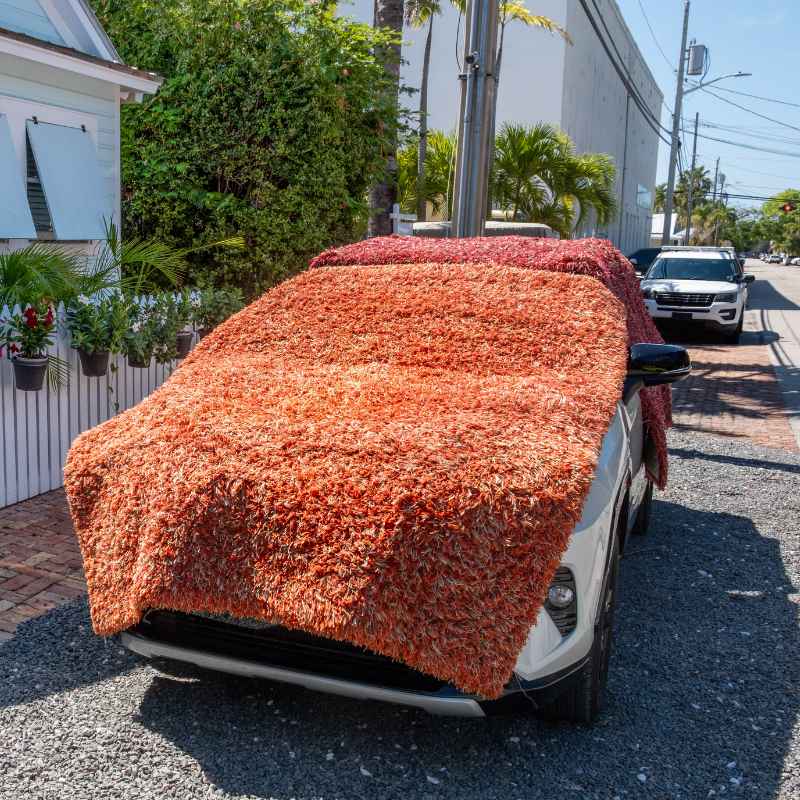
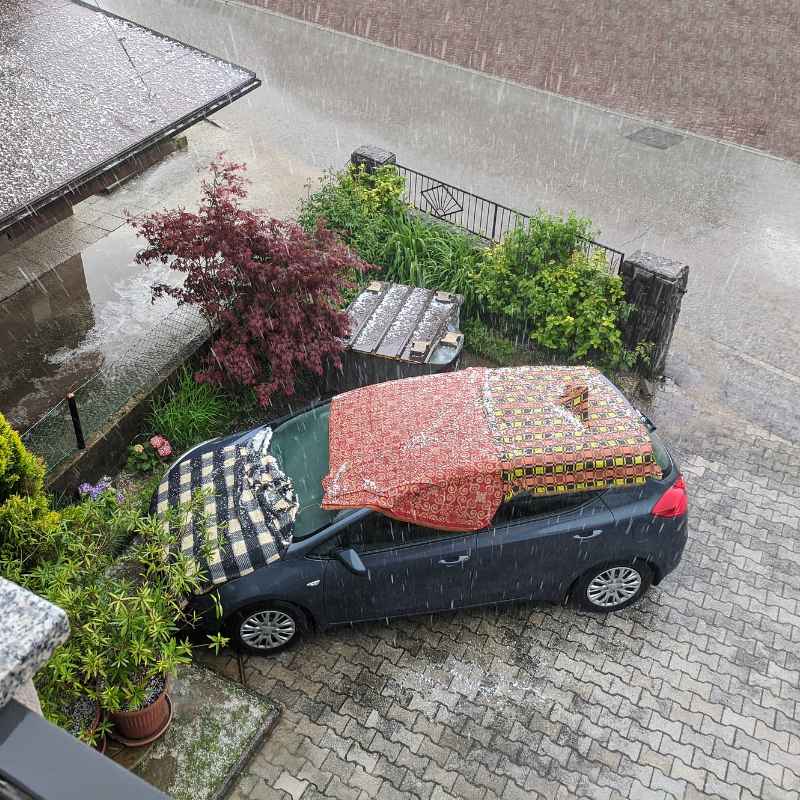
Blankets are the most common improvised cover. Household blankets, moving blankets and towels carry no hail rating, so how much they help depends on stone size and wind. For stones in the 1.75 inch and larger tier, do not expect a blanket to prevent finish damage or broken glass. They also blow off easily, so place and tie them down only while the weather is calm.
Never go outside to place, hold or fix a cover once hail is falling. NWS says people caught in 1.75 inch or larger hail face certain injury. If you cannot cover the car safely in advance, leave it and take cover yourself.
Glass is the weak point in big hail, and comprehensive coverage may reimburse a cracked windshield; some insurers sell glass coverage separately, per Triple-I.
Step-by-Step: How to Protect Your Car from Hail
- Turn on weather warnings: Set up phone alerts and learn the difference between a severe thunderstorm watch (possible) and a warning (take cover).
- Move to covered parking on a watch: Park in a garage, parking structure or underground lot if you can reach it quickly and safely before the storm arrives.
- No covered parking: fit a padded hail cover: Fit it in calm weather, fasten every strap and the elastic hem, and park away from trees.
- Fold in mirrors and close windows: Fold mirrors per your owner’s manual and make sure all windows and the sunroof are closed.
- Take cover yourself when a warning is issued: Stay in a sturdy building away from windows. Do not go out to adjust the car.
- Inspect and document after the storm: Wait until the storm has fully passed, then photograph or film all damage before any repairs and contact your insurer.
Insurance Considerations
Hail is a comprehensive-coverage loss. Triple-I lists hail among the perils comprehensive reimburses, along with fire, falling objects, windstorms, flood and vandalism, and says comprehensive is usually sold with a $100 to $300 deductible, though a higher deductible can lower the premium. Collision coverage pays for crashes, not hail. States do not require comprehensive, but lenders may insist on it until a car loan is paid off.
The Texas Department of Insurance (March 2025) advises: file a claim quickly, take photos or video of the damage, keep damaged items until the insurer gives permission to discard them, prevent more damage by covering broken windows and keeping receipts, be available for the adjuster, and keep a list of everyone you speak with at the insurance company. Read our guide on whether you can claim hail damage twice on a car if the car already has old dents. This is general information, not insurance advice; your policy terms decide what is paid.
Aftermath Actions
Wait until the storm has fully passed before going out. NWS notes that a thunderstorm in its dissipating stage can still produce a burst of strong winds, and lightning remains a danger. Then check the hood, roof and trunk lid in good light, followed by every window and the mirrors.
Photograph or film everything before any repair, as the Texas Department of Insurance advises. If a window is broken, cover it to keep rain out, keep the receipts, and have glass replaced soon. If paint is chipped down to bare metal, get it sealed; our guides on small rust spots and stopping rust from spreading explain why. For dents, see our paintless dent repair for hail damage guide.
Frequently Asked Questions
What Is The Fastest Way To Protect A Car From Hail?
Get the car into a garage, parking structure or under another solid roof before the storm arrives. If you cannot, fit a padded hail cover and fasten every strap while the weather is still calm. Do not go outside to move or cover a car once hail is falling.
How Do I Protect My Car From Hail If I Don’t Have A Garage?
On a severe thunderstorm watch, move the car to the nearest solid covered parking, such as a parking structure. If none is reachable, use a padded hail cover with wind straps and park away from trees. Comprehensive insurance covers what a cover cannot stop.
How Likely Is Hail To Damage A Car?
It depends heavily on where you live. HLDI counted 3.4 hail claims per 1,000 insured vehicle years nationally for 2008 to 2011, but 21.8 in South Dakota and 0.2 in Florida. Stones of 1 inch and larger are the ones NWS links to dents.
Will Towels Protect A Car From Hail?
Towels are not a hail product and carry no hail rating, so expect little protection from stones of 1 inch or larger. Never go outside to place them during a storm. A garage, covered parking or a padded hail cover is a better plan.
Does a Car Cover Protect From Hail?
A padded cover made for hail can reduce the impact, but nothing is guaranteed. Covercraft states that its ordinary covers protect against rain, snow, dust and UV rays and that hail protection is not guaranteed. Stone size and wind decide the outcome.
Should I Fold In My Side Mirrors During a Hailstorm?
Folding mirrors in before you park outside is a quick, low-cost precaution because folded mirrors stick out less. It will not stop panel dents. Do it while the weather is calm, follow your owner’s manual for power-fold mirrors, and never step outside once hail has started.
Is It Safe To Go Outside To Cover My Car During Hail?
No. NWS says to get inside a sturdy building, stay away from windows and take cover when a severe thunderstorm warning is issued, and its impact guide says people caught in hail of 1.75 inches or larger face certain injury. A car can be repaired; you cannot.
This guide does not cover repair prices at a body shop or cover sizing for specific models. Ask a collision shop for an estimate and check your owner’s manual for your vehicle.
Conclusion
The order of priority is simple: your safety, then a solid roof for the car, then a padded cover with wind straps, then insurance for whatever gets through. Set up weather warnings, move the car on a watch, and leave it alone once a warning is issued.
Products related to this article
Sponsored / affiliate links. As an Amazon Associate I earn from qualifying purchases. I may earn additional commission from eligible campaigns.