How to Tow a Car with a Tow Strap
Hey there! If you’ve ever found yourself stuck on the side of the road with a broken-down car, you know how stressful it can be. I’ve been there myself, staring at my car, wondering how I’m going to get it home. That’s when I learned how to tow a car with a tow strap. It’s a handy skill that can save the day, whether you’re helping a friend or dealing with your own vehicle. In this guide, I’m going to walk you through everything I’ve learned about towing a car safely and effectively using a tow strap. From picking the right equipment to executing the tow, I’ve got you covered with practical tips and insights. Let’s dive in and make sure you’re ready to handle this task like a pro!
What Is a Tow Strap and Why Use It?
A tow strap is a strong, flexible piece of equipment designed to pull a vehicle from one place to another. Unlike tow ropes, which might stretch, or tow chains, which are heavy and rigid, tow straps are lightweight and made from durable materials like nylon or polyester. I remember the first time I held one; it felt sturdy yet easy to handle, which gave me confidence.
Why use a tow strap? It’s affordable, portable, and perfect for short-distance towing. When my buddy’s car wouldn’t start at a campsite last summer, a tow strap was our go-to solution to get his car to the nearest mechanic. It’s ideal for situations where a tow truck isn’t available or you need a quick fix. Plus, it’s something you can keep in your trunk for emergencies.
Choosing the Right Tow Strap
Not all tow straps are created equal, and picking the right one is crucial. When I started researching, I was surprised by how many options there are. Here’s what you need to know to make a smart choice.
First, check the weight capacity. The strap needs to handle at least twice the weight of the vehicle you’re towing. For example, if your car weighs 3,000 pounds, go for a strap rated for at least 6,000 pounds. I learned this the hard way when I tried using a cheap strap that wasn’t strong enough—it frayed halfway through the tow!
Next, look at the length. A strap between 14 and 20 feet is ideal. Too short, and the cars are too close for safety; too long, and it’s hard to control. I prefer straps with heavy-duty hooks or loops at the ends for secure attachment. Also, consider a strap with reflective stitching for visibility if you’re towing at night.
Here’s a quick guide to help you choose:
| Feature | What to Look For |
|---|---|
| Weight Capacity | At least 2x the weight of the vehicle (e.g., 6,000 lbs for a 3,000-lb car) |
| Length | 14–20 feet for safe distance between vehicles |
| Material | Nylon or polyester for durability and slight stretch |
| Attachment Points | Metal hooks or sewn loops for secure connection |
| Extras | Reflective stitching, storage bag for convenience |
Preparing for the Tow
Preparation is everything when towing a car. I can’t stress this enough—rushing into it without a plan can lead to accidents or damage. Here’s how I get ready.
First, assess the situation. Make sure both vehicles are in a safe spot, away from traffic. I once had to tow a car on a busy road, and moving it to a quieter side street made all the difference. Check that the disabled car can roll freely—its gear should be in neutral, and the parking brake should be off.
Next, inspect both vehicles for proper tow points. These are usually metal loops or hooks under the bumper, designed for towing. My old SUV had a hidden tow point I didn’t notice at first, so check your owner’s manual if you’re unsure. Never attach the strap to bumpers or axles; they can break.
Finally, communicate with the driver of the disabled car. I always make sure we’re on the same page about signals and speed. A quick chat can prevent confusion during the tow.
Attaching the Tow Strap Correctly
Attaching the tow strap properly is where things get real. I’ve seen people mess this up, and it’s not pretty—loose straps can snap off or cause accidents. Here’s how I do it step by step.
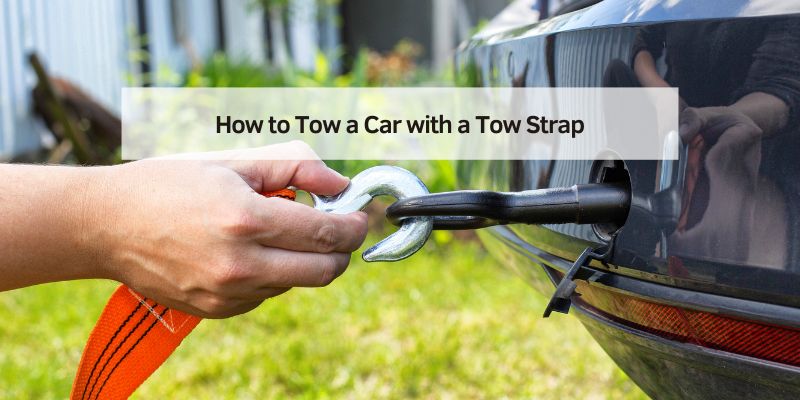
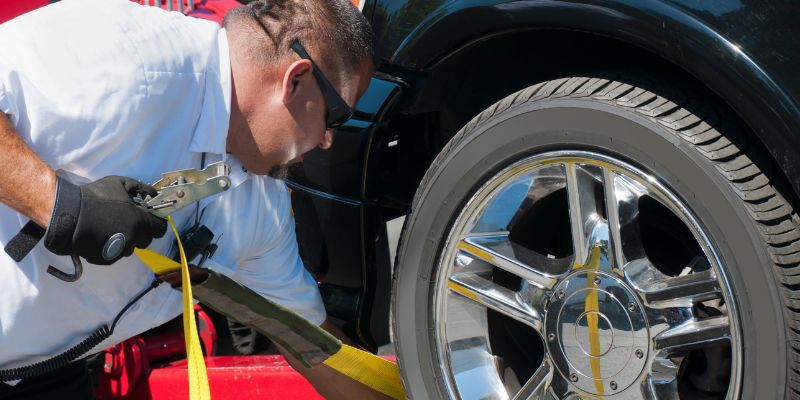
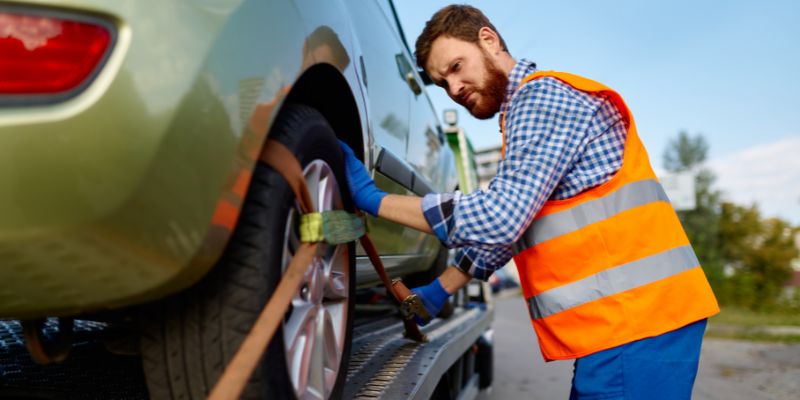
Start with the towing vehicle. Find its rear tow point and secure one end of the strap. If it has a hook, loop the strap through and pull it tight. For the disabled car, attach the other end to its front tow point. Double-check that the connections are secure. I always give the strap a good tug to make sure it’s not going anywhere.
Make sure the strap is straight and not twisted. A twisted strap can weaken and break under pressure. I learned this when I rushed a tow job and noticed the strap fraying mid-pull—not a good feeling! Also, keep the strap off the ground to avoid wear and tear.
Driving Techniques for Safe Towing
Now comes the actual towing. This part can feel intimidating, but with the right approach, it’s manageable. I’ve towed cars a few times, and these driving tips have kept me out of trouble.
Start slow. I mean really slow—like 5 mph to test the setup. Accelerate gently to avoid jerking the strap, which can damage both vehicles. I once got too eager and floored it, only to hear a loud snap as the strap strained. Lesson learned: patience is key.
Keep the strap taut but not overly tight. The disabled car’s driver should steer and brake lightly to maintain tension. I usually agree on hand signals or use walkie-talkies for communication. If you’re towing alone, go even slower and check your mirrors often.
Stick to a speed of 15–20 mph, especially on public roads. Faster speeds are risky and illegal in many places. I stick to back roads when possible to avoid traffic. Also, avoid sharp turns or sudden stops—the disabled car needs time to react.
Safety Tips to Keep in Mind
Safety is non-negotiable when towing. I’ve had a few close calls that taught me to prioritize caution. Here are my top safety tips.
Always use warning signals. Turn on hazard lights for both vehicles, and if you have warning triangles or cones, set them up behind the disabled car. I carry a reflective vest in my trunk for extra visibility, especially at night.
Check local laws. Some states have strict rules about towing with a strap, like speed limits or requiring a spotter. I once got pulled over for towing without checking local regulations—not fun. A quick Google search can save you a ticket.
Never let anyone ride in the disabled car unless they’re steering. I’ve heard horror stories of people sitting in towed cars and getting injured. Also, keep bystanders clear of the tow path in case the strap snaps.
Common Mistakes to Avoid
I’ve made my share of mistakes while towing, and I want you to avoid them. Here are the big ones.
Don’t use a strap that’s too weak. I already mentioned my frayed strap disaster—always check the weight rating. Another mistake is towing a car with a locked steering wheel or engaged parking brake. It sounds obvious, but I’ve seen it happen, and it can damage the vehicle or strap.
Don’t ignore communication. If the drivers aren’t in sync, you’re asking for trouble. I once towed a friend’s car without clear signals, and he braked suddenly, nearly causing a collision. Also, avoid towing in bad weather if possible—rain or snow makes it harder to control both vehicles.
When to Call a Professional
Sometimes, a tow strap isn’t the right tool. I’ve learned to recognize when it’s time to call a tow truck. If the disabled car has major damage, like a broken axle or flat tires, a strap won’t cut it. I tried towing a car with a busted wheel once, and it was a nightmare—the car veered everywhere.
Steep hills or long distances are also red flags. Tow straps are best for short, flat tows. If you’re going more than a few miles or dealing with tricky terrain, a professional is worth the cost. Same goes if you’re not confident in your setup—better safe than sorry.
Maintaining Your Tow Strap
A good tow strap can last years if you take care of it. After my first tow, I tossed my strap in the trunk without thinking, and it got tangled and dirty. Now, I’m more careful.
After each use, inspect the strap for fraying, cuts, or weak spots. If it’s damaged, replace it—don’t take chances. Clean it with mild soap and water if it’s dirty, and let it air dry. I store mine in a dry, shaded spot to avoid UV damage. A storage bag keeps it neat and ready for next time.
My Personal Experience and Tips
Towing a car with a strap has been a game-changer for me. Last year, my sister’s car died in a parking lot, and I was able to tow it home using a strap I’d bought for emergencies. It felt empowering to solve the problem myself. But it wasn’t always smooth sailing—I’ve had straps slip, cars swerve, and even a cop stop me to check my setup.
My biggest tip? Practice in a safe, empty lot first. I did this with a friend, and it helped me get the hang of attaching the strap and coordinating with the other driver. Also, invest in a quality strap—it’s worth the extra cost for peace of mind. And always have a backup plan, like a tow truck’s number on speed dial.
Conclusion
Towing a car with a tow strap might seem daunting, but with the right knowledge and tools, it’s a skill anyone can master. I’ve shared everything I’ve learned from my own experiences—choosing the right strap, attaching it securely, driving safely, and avoiding common pitfalls. It’s all about preparation, caution, and communication. Whether you’re helping a friend or dealing with your own car trouble, a tow strap can be a lifesaver. So, grab a quality strap, practice the steps, and keep this guide handy. You’ll be ready to tackle any towing challenge with confidence. Stay safe out there, and happy towing!
FAQs
Can I tow any car with a tow strap?
Not every car is suitable for towing with a strap. Check the vehicle’s weight and ensure your strap’s capacity is at least double that. Also, make sure the car can roll freely—locked wheels or major damage mean you should call a professional.
How fast can I drive while towing with a strap?
Stick to 15–20 mph for safety. Some states have specific speed limits for towing, so check local laws. Going too fast can strain the strap or make the towed car hard to control.
Do I need someone in the towed car?
Yes, someone should steer and brake the towed car to keep it aligned and maintain strap tension. Never let anyone just ride along without controlling the vehicle—it’s unsafe.
What if my tow strap breaks during towing?
If the strap breaks, stop immediately in a safe spot. Inspect both vehicles for damage and use a new, properly rated strap. This is why I always carry a spare strap in my trunk.
Can I tow a car in the rain or at night?
It’s best to avoid towing in bad weather or low visibility, as it’s harder to control both vehicles. If you must, use hazard lights, reflective gear, and go extra slow to stay safe.