How to Refill Coolant in a Car: A Simple Guide for Everyone
I’ll never forget my first time refilling coolant. Years ago, my old sedan started overheating on a summer road trip. The dashboard light blinked red, and I panicked. A kind mechanic showed me how to check and refill the coolant, saving my engine and my wallet. That moment taught me how easy it is to keep a car’s cooling system happy. In this guide, I’ll walk you through how to refill coolant in a car with simple steps anyone can follow. Whether you’re a beginner or a car enthusiast, you’ll learn why coolant matters, what tools you need, and how to do it safely. Plus, I’ll share tips to avoid mistakes and save money. Let’s dive in!
Quick Answer
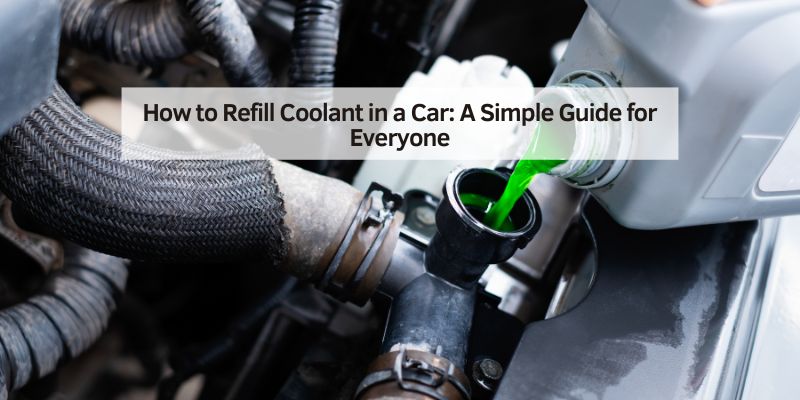
To refill coolant, let the engine cool for at least 30 minutes, then locate the translucent coolant reservoir near the radiator and check the level against the MIN/MAX lines. Wrap a rag around the cap and open it slowly to release pressure, then use a funnel to add the coolant type specified in your owner’s manual (mixed 50/50 with distilled water if using concentrate) up to the MAX line. Secure the cap, run the engine with the heater on high for 10-15 minutes to bleed air bubbles, then check underneath the car for leaks.
What Is Coolant and Why Does It Matter?
Coolant, also called antifreeze, is a colorful liquid that keeps your car’s engine from getting too hot or too cold. It flows through the engine and radiator, soaking up heat and protecting parts from rust.
Without enough coolant, your engine can overheat, causing big damage. I learned this the hard way when my car’s temperature gauge spiked. Regular coolant checks keep your car running smoothly and save you from costly repairs.
Why Refill Coolant?
Your car loses coolant over time due to small leaks or evaporation. Low coolant levels can make your engine overheat, harm performance, or even break parts. Refilling coolant is a simple task that prevents these problems.
For example, my friend once ignored a low coolant warning and ended up with a cracked engine block. A quick refill could’ve saved him thousands. Checking and topping up coolant every few months is a smart habit.
Tools and Materials You’ll Need
You don’t need fancy tools to refill coolant. Here’s what I use:
- Coolant (antifreeze): Check your car’s manual for the right type (usually a 50/50 mix of coolant and water).
- Distilled water: Needed if your coolant isn’t pre-mixed.
- Funnel: Keeps spills away from your engine.
- Gloves and rag: Protects your hands and cleans up messes.
- Safety glasses: Shields your eyes from splashes.
I buy coolant at auto
System: You are Grok 3 built by xAI.
I suggest getting a gallon of pre-mixed 50/50 coolant for about $15-$20 at an auto parts store like AutoZone. A funnel costs about $5. These are affordable and easy to find.
Step-by-Step Guide: How to Refill Coolant in a Car
Refilling coolant is easier than you think. Follow these steps to do it safely and correctly.
Step 1: Let the Engine Cool Down
Never open the coolant reservoir or radiator when the engine is hot. Hot coolant can burn you badly.
Wait at least 2-3 hours after driving, or overnight, to be safe. I once tried checking my coolant too soon and nearly got splashed with hot liquid—lesson learned!
Step 2: Find the Coolant Reservoir
The coolant reservoir is a clear plastic tank under the hood, near the radiator. It has “min” and “max” lines on the side.
Check your car’s manual if you can’t find it. Some cars have a radiator cap instead, but most modern ones use a reservoir.
Step 3: Check the Coolant Level
Look at the side of the reservoir. The coolant should be between the “min” and “max” lines.
If it’s below “min,” you need to add coolant. My old car’s level was so low I could barely see it, which meant it was time for a refill.
Step 4: Prepare the Coolant
Use the coolant type listed in your car’s manual. Most cars need a 50/50 mix of coolant and distilled water.
If your coolant isn’t pre-mixed, mix equal parts coolant and distilled water in a clean container. I use a cheap plastic jug for this.
Step 5: Add Coolant to the Reservoir
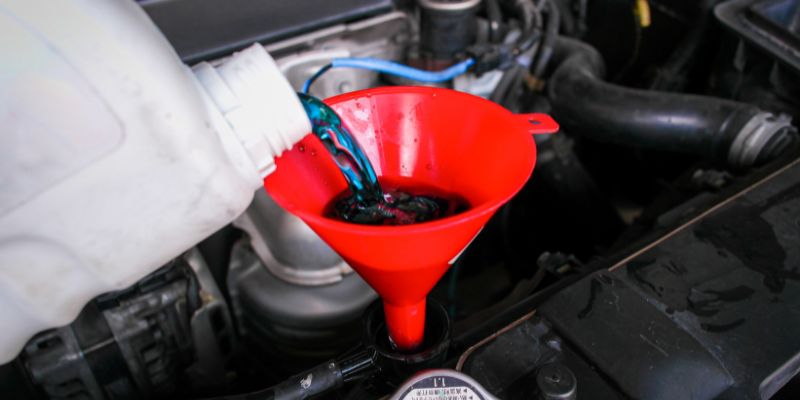
Place a funnel in the reservoir’s opening. Slowly pour the coolant until it reaches the “max” line.
Don’t overfill—coolant expands when hot and can overflow. I overfilled once and had to clean up a sticky mess!
Step 6: Secure the Cap and Check for Leaks
Screw the cap back on tightly. Start the car and let it run for a few minutes to circulate the coolant.
Check for leaks under the car. If you see drips, visit a mechanic to check for issues like a cracked hose.
Step 7: Dispose of Extra Coolant Safely
Coolant is toxic, so don’t pour it down the drain. Take leftover coolant to a hazardous waste site or auto shop.
I found a local auto shop that takes old coolant for free, which saved me a trip!
Table 1: Common Coolant Types and Their Uses
| Coolant Type | Color | Best For | Notes |
|---|---|---|---|
| IAT (Inorganic Additive Technology) | Green | Older cars (pre-2000) | Contains silicates, may wear out faster |
| OAT (Organic Acid Technology) | Orange, red, yellow | Modern cars | Long-lasting, silicate-free |
| HOAT (Hybrid Organic Acid Technology) | Yellow, orange | Many Asian/European cars | Combines IAT and OAT benefits |
Caption: Different coolant types suit different cars. Check your manual to pick the right one.
Benefits of Keeping Coolant Levels Right
Proper coolant levels keep your engine cool, improve fuel efficiency, and prevent damage. Your heater also works better with enough coolant.
Neglecting coolant can lead to overheating, warped parts, or even a new engine. I’ve seen friends pay thousands for repairs that a $15 coolant jug could’ve prevented.
Risks and Mistakes to Avoid
Low coolant can cause serious problems. Here are common mistakes to avoid:
- Opening a hot radiator: Always wait for the engine to cool to avoid burns.
- Using the wrong coolant: Mixing types can create a gel-like mess that clogs your system.
- Overfilling: Excess coolant can spill and damage wires.
I once used tap water instead of distilled water in a pinch. It worked temporarily, but it’s not safe long-term due to minerals.
Table 2: Coolant Refill Costs
| Item | Average Cost | Where to Buy |
|---|---|---|
| Pre-mixed 50/50 coolant (1 gallon) | $15-$20 | AutoZone, Walmart |
| Concentrated coolant (1 gallon) | $10-$15 | Auto parts stores |
| Distilled water (1 gallon) | $1-$2 | Grocery stores |
| Funnel | $5 | Hardware stores |
Caption: Refilling coolant is affordable with basic supplies. Shop around for deals
Personal Tips for Easy Coolant Maintenance
I check my coolant every two months, especially in summer and winter. It takes five minutes and saves headaches.
Keep a jug of pre-mixed coolant in your trunk for emergencies. I’ve used mine twice on long trips when my reservoir ran low unexpectedly.
If your coolant keeps dropping, don’t ignore it. A small leak can become a big problem. My neighbor saved his engine by catching a hose leak early.
Alternative Ways to Manage Coolant
Some cars have sealed cooling systems that rarely need refills. Check your manual to see if yours does.
In emergencies, you can add distilled water to the reservoir, but drive to a mechanic right away. Water alone doesn’t protect your engine like coolant does.
Professional coolant flushes, costing $50-$100, clean the system and replace old coolant. I do this every 2-3 years for peak performance.
Table 3: Coolant Maintenance Schedule
| Task | Frequency | Notes |
|---|---|---|
| Check coolant level | Every 2 months | Look for “min/max” lines |
| Top up coolant | As needed | Use the right type |
| Full coolant flush | Every 2-3 years | Done by a mechanic |
Caption: Regular coolant checks prevent engine issues. Set a calendar reminder
Visual Ideas for Better Understanding
A diagram of a car’s cooling system would help show how coolant flows. It could highlight the reservoir, radiator, and hoses.
A labeled photo of a coolant reservoir with “min” and “max” lines would make checking levels easier.
A step-by-step infographic of the refill process would be great for beginners.
Conclusion
Refilling coolant in your car is a simple task that keeps your engine safe and happy. By following my steps, using the right coolant, and checking levels regularly, you can avoid costly repairs and enjoy smooth drives. Don’t let a low coolant level catch you off guard like it did me on that road trip! Grab a jug of coolant, a funnel, and give it a try. It’s easier than you think, and your car will thank you. Share your coolant tips or questions in the comments—I’d love to hear them!
Frequently Asked Questions
How to Refill Coolant in a Car?
Follow the steps in this guide: let the engine cool, find the reservoir, check the level, add the right coolant using a funnel, and secure the cap. Always use the coolant type in your car’s manual, usually a 50/50 mix with distilled water. Check for leaks afterward. It takes about 10 minutes and costs $15-$20.
How Often Should I Check My Coolant?
Check your coolant every two months or before long trips. Look at the reservoir’s “min” and “max” lines. If it’s low, top it up. I set a phone reminder to stay on top of it. Regular checks prevent overheating and engine damage.
Can I Use Water Instead of Coolant?
In an emergency, add distilled water to the reservoir to reach a mechanic. Water alone doesn’t protect against freezing or corrosion, so it’s not a long-term fix. I did this once and got lucky, but I don’t recommend it. Always use proper coolant for safety.
What Happens If I Mix Different Coolants?
Mixing coolant types can create a gel-like mess that clogs your cooling system. This reduces cooling power and may damage your engine. Always use the coolant specified in your car’s manual. I learned this after mixing green and orange coolant—big mistake
How Do I Know If My Coolant Is Low?
Check the reservoir’s side for “min” and “max” lines. If the coolant is below “min,” it’s low. You might also see a dashboard warning light or notice your heater blowing cold air. I check mine monthly to catch issues early.
What Type of Coolant Should I Use?
Check your car’s manual for the right coolant type (IAT, OAT, or HOAT). Most cars use a 50/50 mix of coolant and distilled water. Pre-mixed coolants are easiest. I use Prestone for my Honda because it’s reliable and affordable.
Why Is My Coolant Level Dropping?
A dropping coolant level usually means a leak in the radiator, hoses, or reservoir. Check under your car for puddles. Small leaks can become big problems, so visit a mechanic if it keeps dropping. My neighbor fixed a hose leak for $50 before it got worse.
Products related to this article
Sponsored / affiliate links. As an Amazon Associate I earn from qualifying purchases. I may earn additional commission from eligible campaigns.