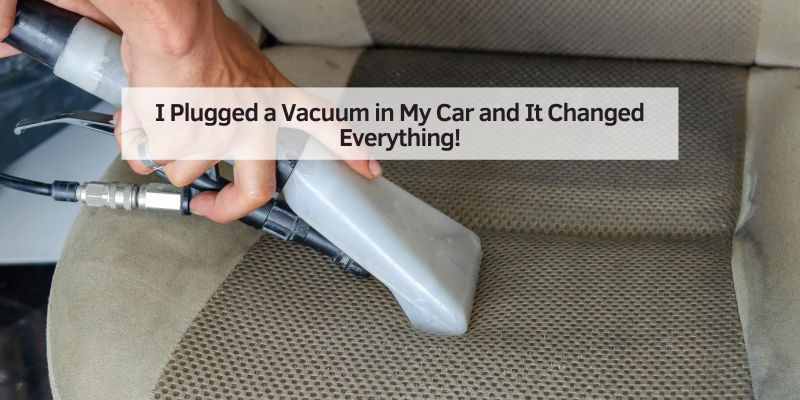
I Plugged a Vacuum in My Car and It Changed Everything!
I spilled coffee grounds all over my car’s floor mats last week. What a mess! I wanted to use my powerful home vacuum, but my car doesn’t have a regular outlet. That’s when I learned how to plug a vacuum cleaner in a car. This article will show you simple ways to do it, with easy steps and tips from my own experience. Whether you’re cleaning crumbs or pet hair, I’ll make it fun and clear for everyone!
What Does “Plug a Vacuum Cleaner in a Car” Mean?
Plugging a vacuum cleaner into a car means using your car’s power to run a vacuum. Cars don’t have normal outlets, so you need special tools like a power inverter or a car-specific vacuum. This is great for keeping your car clean without a garage outlet. I love a spotless car, and this trick makes it easy!
Why Use a Vacuum in Your Car?
A clean car feels amazing. Vacuums remove dirt, crumbs, and pet hair from seats and floors. Using a home vacuum in your car gives you strong suction, but you need to connect it safely. I’ve cleaned my SUV after beach trips, and it’s a game-changer!
Tools You Need to Plug a Vacuum in a Car
You’ll need a few simple items to make this work. Here’s what I use:
- Power Inverter: Turns your car’s 12V power into a regular outlet.
- Car Vacuum or Home Vacuum: Pick one that fits your needs.
- Extension Cord (Optional): For extra reach if using a home vacuum.
- Car Charger Port: Most cars have a cigarette lighter or 12V port.
I bought a small inverter for $20, and it works great. Check your vacuum’s wattage to match it with the inverter.
Table 1: Common Tools for Plugging a Vacuum in a Car
| Tool | Purpose | Cost |
|---|---|---|
| Power Inverter | Converts car power to household power | $15-$50 |
| Car Vacuum | Plugs directly into 12V port | $20-$100 |
| Extension Cord | Extends reach for home vacuums | $5-$20 |
Caption: This table compares tools to help you choose the best for your car cleaning.
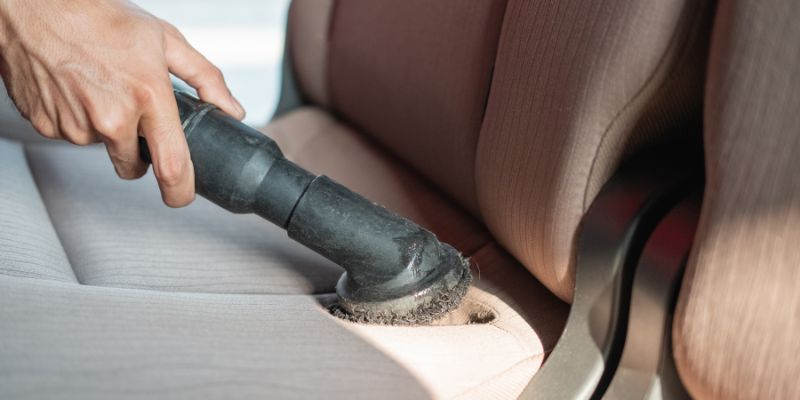
Step-by-Step Guide: How to Plug a Vacuum Cleaner in a Car
Here’s how I plug my vacuum into my car. Follow these steps:
- Check Your Vacuum’s Wattage: Look at the label. My home vacuum is 800 watts.
- Get a Power Inverter: Buy one that matches or exceeds your vacuum’s wattage. I use a 1000W inverter.
- Plug the Inverter into Your Car: Use the cigarette lighter or 12V port.
- Connect the Vacuum: Plug your vacuum into the inverter’s outlet.
- Start the Car: This prevents battery drain. I learned this the hard way!
- Vacuum Away: Clean seats, floors, and tight spots.
Safety Tip: Don’t run the vacuum too long. It can drain your car’s battery if the engine is off.
Visual Idea 1
A simple diagram showing a car’s 12V port connected to an inverter, with a vacuum plugged in. This helps beginners see the setup clearly.
Benefits of Plugging a Vacuum in a Car
Using a vacuum in your car has big perks:
- Strong Suction: Home vacuums are more powerful than most car vacuums.
- Convenience: Clean anywhere, no outlet needed.
- Cost-Saving: Use your home vacuum instead of buying a new one.
I cleaned my car at a park once, and it felt so freeing!
Drawbacks to Watch Out For
There are some challenges:
- Battery Drain: Running a vacuum without the engine on can kill your battery.
- Inverter Limits: Some inverters can’t handle high-wattage vacuums.
- Cord Clutter: Home vacuums have long cords that can tangle.
I once forgot to start my car and had to jump-start it. Oops!
Table 2: Comparing Car Vacuum Options
| Option | Pros | Cons |
|---|---|---|
| Home Vacuum + Inverter | Strong suction, versatile | Needs inverter, possible battery drain |
| 12V Car Vacuum | Easy to use, portable | Weaker suction, small dustbin |
| Cordless Car Vacuum | No cords, lightweight | Short battery life, costly |
Caption: This table helps you pick the best vacuum setup for your car.
Other Ways to Clean Your Car
You don’t always need a home vacuum. Here are alternatives:
- 12V Car Vacuum: Plugs directly into the cigarette lighter. I have a $30 one for quick cleanups.
- Cordless Vacuum: Battery-powered, no cords. Great for small messes.
- Shop Vac: If you have a garage outlet, these are super powerful.
I keep a 12V vacuum in my trunk for emergencies. It’s a lifesaver!
Visual Idea 2
A chart comparing suction power of a home vacuum, 12V car vacuum, and cordless vacuum. This shows which is best for different messes.
My Top Tips for Car Vacuuming
Here’s what I’ve learned from cleaning my car:
- Start the Engine: Always run your car to avoid battery issues.
- Use Short Bursts: Vacuum in 5-10 minute sessions to save power.
- Check Inverter Heat: If it gets hot, give it a break.
- Clean the Dustbin Often: A full dustbin weakens suction.
These tips save me time and keep my car sparkling!
Common Mistakes to Avoid
I’ve made some goofs. Don’t do these:
- Using a Weak Inverter: A 150W inverter won’t run an 800W vacuum.
- Forgetting to Start the Car: Your battery will thank you.
- Ignoring Cord Safety: Keep cords away from pedals.
Once, I tripped over a cord and nearly fell. Be careful!
Table 3: Cost Comparison of Vacuum Solutions
| Method | Initial Cost | Ongoing Cost |
|---|---|---|
| Home Vacuum + Inverter | $15-$50 (inverter) | None |
| 12V Car Vacuum | $20-$100 | None |
| Cordless Vacuum | $50-$200 | Battery replacement |
Caption: This table shows costs to help you budget for car cleaning.
Personal Story: My Car Cleaning Adventure
Last summer, my dog left fur all over my car seats. I tried a 12V vacuum, but it was too weak. I bought a power inverter and used my home vacuum. Wow, what a difference! The seats were fur-free in minutes. Now, I keep an inverter in my trunk for big cleanups. It’s like having a cleaning superpower!
Visual Idea 3
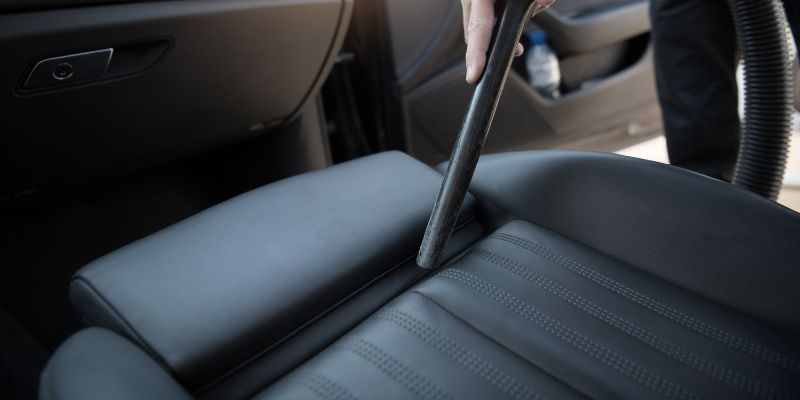
A photo of a car’s interior before and after vacuuming, showing the difference a powerful vacuum makes. This inspires readers to try it.
Conclusion
Plugging a vacuum cleaner into a car is easy with the right tools. A power inverter or 12V vacuum can make your car spotless. I love how simple it is to keep my car clean now! Try it yourself, and see how fun it is to have a tidy car. Share your cleaning tips in the comments, or tell me about your favorite car vacuum!
Frequently Asked Questions
How to Plug a Vacuum Cleaner in a Car Safely?
Use a power inverter that matches your vacuum’s wattage. Start your car to avoid draining the battery. Plug the inverter into the 12V port, then connect your vacuum. Check cords to avoid tripping. I always double-check my inverter’s wattage to stay safe.
Can Any Vacuum Work in a Car?
Not all vacuums work easily. Home vacuums need a power inverter. Car vacuums plug directly into the 12V port. Check your vacuum’s wattage and get an inverter that supports it. My 800W vacuum needed a 1000W inverter.
What’s the Best Inverter for a Car Vacuum?
Choose an inverter with wattage higher than your vacuum’s. A 1000W inverter works for most home vacuums. Brands like BESTEK are reliable and cost $20-$40. I use a BESTEK inverter, and it’s never failed me.
Are 12V Car Vacuums Better Than Home Vacuums?
12V car vacuums are portable but have weaker suction. Home vacuums with an inverter are stronger but less convenient. I use a 12V vacuum for quick jobs and a home vacuum for deep cleaning. Pick what fits your needs

How Do I Avoid Draining My Car Battery?
Always start your car when using a vacuum with an inverter. Vacuum in short bursts to save power. If using a 12V vacuum, don’t run it too long with the engine off. I learned this after a dead battery scare
Can I Use a Cordless Vacuum Instead?
Yes, cordless vacuums are great for cars. They don’t need a plug or inverter, but batteries last 10-30 minutes. I keep a cordless vacuum for small messes. It’s perfect for quick cleanups.
Where Can I Learn More About Car Vacuums?
Check trusted sites for reviews. Consumer Reports, Car and Driver, and Wirecutter have great tips. They test vacuums for power and ease. I read Wirecutter before buying my 12V vacuum, and it helped a lot