How to Remove Door Dings From Car: 3 DIY Methods and Limits
To remove a door ding from a car at home, clean the panel and pull the shallow dent out with a vacuum puller or a glue-tab kit; both are only worth trying when the paint is intact. This guide gives the glue-pull timings from a kit manual and from collision-repair trainers, explains why the popular hair dryer and compressed air trick clashes with the duster maker’s safety data sheet, and lists the cases that belong with a paintless dent repair (PDR) technician.
First, Let’s Understand That Pesky Door Ding
Best DIY Door Ding Kit Pick
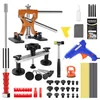 |
DentWiz Dent Puller Kit with 100W Hot Glue Gun, 10 Glue Sticks and 2-in-1 Slide Hammer T-Bar
|
As an Amazon Associate we earn from qualifying purchases. Spec-based pick from the listing, not a hands-on test.
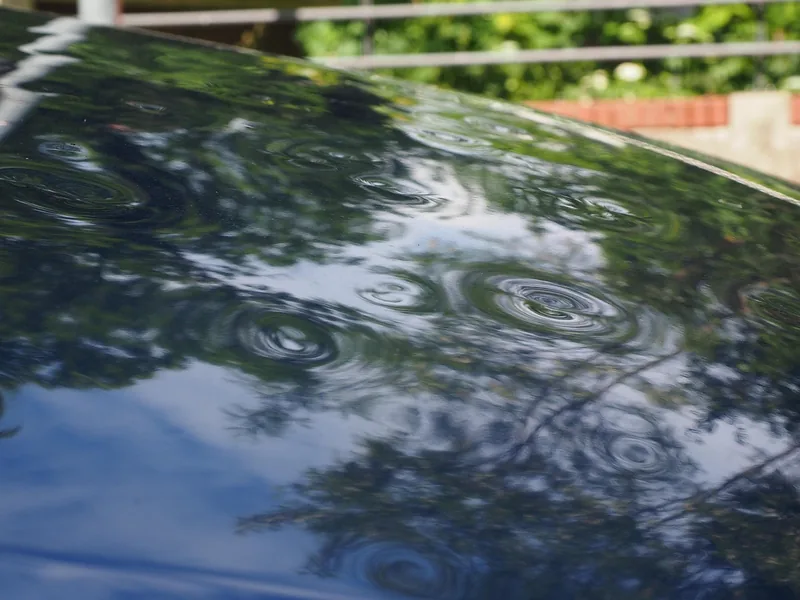
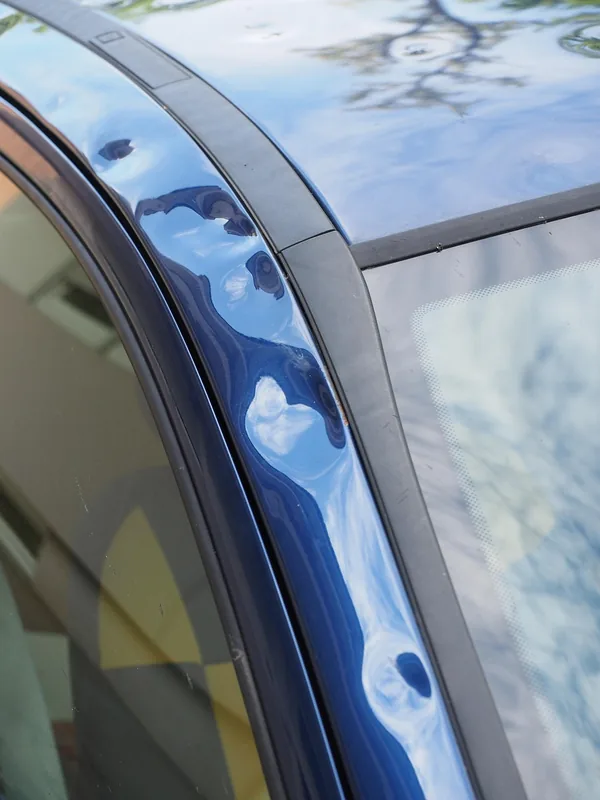
A door ding is a small dent in a body panel, the kind a neighboring car door or a parking-lot bump leaves behind. Wikipedia’s entry on paintless dent repair lists door dings among the damage PDR handles and says a wide range of damage can be repaired as long as the paint surface is intact. That condition is the dividing line for everything below: intact paint means the home options are worth considering, and cracked or chipped paint changes the job.
The same entry names three things that can inhibit a paintless repair: paint damage, stretched metal and an already repainted panel. Stretched metal means the impact pushed the metal past the form it was stamped into, so the panel has more surface area than before, much like pressing a finger into plastic film without puncturing it. Technicians push dents out from behind with rods and body picks, or pull from the outside with glue and tabs; the home kits here copy the second approach.
Should You Fix It Yourself? A Quick Assessment
Check the ding against this table before buying anything.
| Check | A home pull is reasonable | See a PDR technician or body shop | Source |
|---|---|---|---|
| Paint | Intact, with no cracks or chips | Cracked, chipped or missing paint | Wikipedia, Paintless dent repair |
| Panel finish | Factory finish | A repainted panel: a repainted surface is more likely to crack, and glue pulling has a greater chance of pulling the paint | Wikipedia, Paintless dent repair |
| Metal | Steel panel | Aluminum panel: the Harbor Freight kit states it will not work on aluminum | Harbor Freight 58450 manual |
| Metal condition | Dent where the metal has not been stretched | Stretched metal from a hard impact | Wikipedia, Paintless dent repair |
If your ding lands in the third column, a PDR technician or body shop is the safer call. Our guide to auto repair vs body shop explains who handles what, and paintless dent repair on a hood shows how the professional version works.
Gathering Your Tools: What You’ll Need for the Job
Cleaning supplies come first, because both documented pull methods start from a clean, dry panel. Per the Harbor Freight manual, the prep is:
- Non-wax car wash soap or dishwashing soap, then rinse and let the panel dry completely.
- Isopropyl or denatured alcohol for the second cleaning pass. The manual warns against detergent-type cleaners because they leave remnants that reduce glue adhesion, and says to remove any semi-permanent ceramic coating from the area.
- A repair-industry trainer’s guide reported by Repairer Driven News calls for isopropyl alcohol of at least 90 percent on the tabs and the repair area
For the Suction Cup Method
A vacuum puller such as the Toledo 313028 is listed with three suction pads, a hook, a 2.5 kg slide hammer and a manual vacuum pump. Its instructions say to choose a cup suited to the dent size.
For the Hot Glue Puller Method
The Harbor Freight 58450 kit manual lists a 40 W hot glue gun, glue sticks (it says not to use crafting glue sticks), round, oval and rectangular pull tabs from 0.6 inch round up to 1.92 by 1.28 inch rectangles , a slide hammer, a T-puller, a lever puller, a knockdown tool, shape sticks, a scraper and a surface cleaner.
For the Hair Dryer & Compressed Air Method
This variant needs a hair dryer or heat gun and a can of compressed gas duster. The duster is the part with documented hazards. The MG Chemicals Super Duster 152 safety data sheet lists its contents as more than 99 percent 1,1-difluoroethane (HFC-152a), classes it as a flammable aerosol and says the liquid form is flammable. It warns that skin contact with the liquid or the aerosol jet may lead to frostbite and recommends cold-insulating gloves and eye protection when exposure is likely.
How to Remove Door Dings From Car: 3 Genius DIY Methods
Start every method the same way. The Harbor Freight manual says to wash the dent and the area around it with non-wax soap, rinse, let it dry completely, then clean with isopropyl or denatured alcohol.
Method 1: The Simple Suction Cup Puller
These steps follow the instructions for the Toledo 313028 pump-style vacuum puller. A hand-lever cup has its own manual, so follow the instructions that came with yours.
- Make sure the panel is clean, dry and free of grease or other particles.
- Choose a suction cup suited to the size of the dent and screw it onto the slide hammer.
- Check that the pressure relief valve is closed. The instructions say to tighten it finger tight only, because over-tightening may cause damage.
- Place the cup over the dent and press it in gently.
- Pump the vacuum plunger with the palm of your hand until the cup grips the panel in a strong vacuum.
- Pull the dent out with the slide hammer. The force needed varies with the dent size; keep your fingers inside the handle so they are not caught against the anvil.
- Release the vacuum by turning the pressure relief valve anticlockwise, then remove the slide hammer assembly.
Method 2: The Hot Glue Dent Puller Kit
These steps follow the Harbor Freight 58450 manual. Wear goggles and heavy-duty gloves, keep skin away from the glue gun tip and melted glue, and work in a ventilated area. The manual also says not to smoke or be near a spark when using or opening the release agent.
- Insert a glue stick and let the glue gun warm up for ten to fifteen minutes before use.
- Clean the surface as described above: soap wash, rinse, dry, then alcohol.
- Choose a pull tab slightly smaller than the dent.
- Apply glue to the tab, place it on the dent and hold it for ten seconds.
- Wait two to three minutes for the glue to set before attaching a puller.
- Work in small areas and pull a small amount at a time. The manual says pulling the dent all at once will likely not be successful.
- With a lever puller, squeeze the handles slowly until there is a pop, and stop when the dent returns to the normal surface level. With a slide hammer or T-puller, pull until the dent is raised.
- Spray alcohol around the tab to soften the glue and lift the tab off with the scraper, then clean the area thoroughly to remove cleaner residue.
- For a raised high spot, lightly tap it down with a knockdown tool or shape stick and a hammer, which is sold separately.
The collision-repair trainer guidance adds a temperature step the consumer manual does not have. After cleaning, a heat gun warms the tabs to 90 to 100 degrees F and the panel to 120 to 140 degrees F, then the panel is allowed to drop to 80 degrees F before pulling, checked with a noncontact thermometer. That is professional-system advice, not part of the Harbor Freight instructions, so treat it as extra.
Method 3: The Temperature Trick (Hair Dryer & Compressed Air)
The trick heats the panel, then chills it with a can of duster held upside down. This is the one method here with a documented safety conflict. The Super Duster 152 data sheet lists spraying the can inverted under uses advised against, says to hold the can upright so liquid is not ejected, and says not to spray when the container is more than 45 degrees off vertical or inverted. The liquid is flammable, and contact can cause frostbite. If frostbite occurs, the sheet says to thaw the area with lukewarm water, not hot water, not to rub it and to get immediate medical attention. The sheet also says not to expose the can to temperatures above 50 degrees C (122 degrees F).
Neither the Harbor Freight glue-pull manual nor the Toledo vacuum puller instructions include a heat-then-chill step. Wikipedia says technicians use heat to avoid cracking or chipping, which is the role heat plays in the glue-pull preparation above. If you want heat in your repair, use it there, with a thermometer, rather than with an inverted duster can.
Comparing Your DIY Options
| Method | What does the pulling | Documented prep and timing | Documented hazard | Source |
|---|---|---|---|---|
| Vacuum puller (pump style) | Suction cup plus slide hammer | Clean, dry, grease-free panel; cup sized to the dent; valve finger tight only | Keep fingers inside the handle, away from the anvil | Toledo 313028 instructions |
| Glue-tab kit (consumer) | Glue-bonded tab plus lever puller, T-puller or slide hammer | Warm-up 10 to 15 min; tab held 10 s; 2 to 3 min set | Hot glue tip, flammable release agent; goggles and heavy-duty gloves | Harbor Freight 58450 manual |
| Glue-tab system (professional) | Same idea with heated tabs and panel | Tabs 90 to 100 degrees F, panel 120 to 140 degrees F, wait for 80 degrees F; 90 percent or stronger isopropyl | Not stated in the source | Repairer Driven News, Oct. 29, 2020 |
| Heat then inverted duster can | Temperature change | Not part of the kit or puller instructions above | Maker advises against inverted use; liquid is flammable and can cause frostbite | Super Duster 152 data sheet |
What If the Paint Is Scratched or Chipped?
When the paint is cracked or chipped, a pull is not the whole job. Wikipedia lists paint damage among the things that inhibit a paintless repair, so a damaged-paint ding needs a body shop assessment or at least a proper touch-up after the dent is dealt with. For touch-up, the Dupli-Color guide gives a clear order of work: putty the chip, apply primer, apply color, apply a clear top coat where the vehicle maker requires one, wet sand the clear coat, then polish.
Dupli-Color’s primer chart pairs gray primer with light or medium colors, red oxide with medium-dark colors, white with white or pastel colors and black with dark colors, and says to use the maker’s paint code rather than the color name, since several names can be assigned to the same color.
The paint code sits on a vehicle identification plate or sticker, and Dupli-Color says its location varies by year and manufacturer; if you cannot find it, contact a local dealership. For example, it says Ford, Lincoln and Mercury cars carry the plate on the rear of the left front door. Our guides on paint codes for cars and applying touch-up paint the right way go deeper on matching and applying it.
Know Your Limits: When to Call a Professional PDR Technician
Stop and book a professional if any of these apply:
- The paint is cracked, chipped or missing.
- The panel has been repainted: Wikipedia says a repainted surface is more likely to crack and that glue pulling is more likely to pull paint off a non-factory finish.
- The panel is aluminum, which the Harbor Freight kit says it will not repair.
- The metal looks stretched, as in the impact pushed it past its stamped shape.
- A tab pulls paint away with it, or the dent stays put after careful small pulls.
PDR is not a replacement for the body shop. Wikipedia says it does not replace traditional repair, though it can prepare a panel for repainting with less body filler. This guide does not cover repair prices; ask a PDR technician for a written quote for your car.
Frequently Asked Questions (FAQ)
Can I really fix a door ding myself?
Sometimes. Harbor Freight’s manual for its glue-pull kit says the kit will not repair all dents, regardless of size, and will not work on aluminum. Wikipedia says paint damage, stretched metal or an already repainted panel can inhibit a paintless repair. A ding with intact paint on a steel panel is the best case.
Will these methods damage my car’s paint?
Any pull can hurt weak paint. Wikipedia notes a greater chance of pulling paint when glue pulling a panel that does not have its factory finish, and a repainted surface is more likely to crack. Stop if you see paint lifting.
How much does professional door ding repair cost?
Prices depend on the shop, the size of the dent and where it sits on the panel, so ask two or three PDR technicians for a written quote and compare it with a body shop estimate before you decide.
What’s the difference between a ding and a dent?
In everyday use a ding is a small dent, usually from a bump rather than a collision. What matters for the repair is the paint condition, whether the metal is stretched and where on the panel the damage sits, not the word used.
Does a household plunger work for car dings?
The instructions cited in this guide cover purpose-made pullers only. A vacuum dent puller such as the Toledo 313028 comes with a set of suction pads in different sizes and starts from a clean, dry, grease-free panel. A sink plunger offers none of that, so it is not a documented method.
Can I use a heat gun instead of a hair dryer?
A heat gun is what collision-repair trainer Toby Chess’s glue-pull guidance uses, but only to hit set temperatures: tabs at 90 to 100 degrees F and the panel at 120 to 140 degrees F, checked with a noncontact thermometer. That guidance does not describe a heat-then-chill dent method, so skip the heat gun unless you can measure panel temperature.
How do I prevent door dings in the first place?
Parking at the end of a row or farther from neighboring cars means fewer doors swinging next to yours. Door edge guards add a layer on the edge itself; see our roundup of car door protectors.
Your Next Step: A Ding-Free Door and a Proud Owner
Check the paint first, clean and degrease the panel, follow the glue timings from your kit’s manual, and pull in small steps. Skip the inverted duster can, and hand anything with damaged paint, stretched metal or aluminum to a technician. Harbor Freight’s own manual says its kit will not repair all dents.
Products related to this article
Sponsored / affiliate links. As an Amazon Associate I earn from qualifying purchases. I may earn additional commission from eligible campaigns.