How to Plug a Vacuum Cleaner Into a Car (What Actually Works)
Plugging a full-size household vacuum into your car’s cigarette lighter socket through an inverter usually blows the accessory fuse before the vacuum even turns on – that socket is fused for roughly 120 to 240 watts, not the 700 to 1,500 watts most home vacuums draw. To actually run one, the inverter has to be wired straight to the battery with heavy-gauge cable and its own fuse, with the engine running. If that is more wiring than you want to deal with, a dedicated 12V car vacuum or a cordless handheld does the same job with none of it.
What “Plugging a Vacuum Into a Car” Actually Means
BEST FOR PLUGGING STRAIGHT INTO YOUR CAR
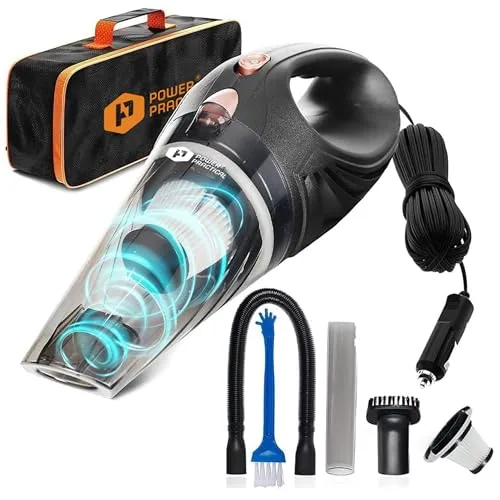 |
ThisWorx Handheld Car Vacuum – $20.99 Plugs straight into the 12V accessory socket with no inverter, no wiring, and no risk of blowing a fuse.
|
Cars do not have a household 120V outlet, so “plugging a vacuum in” always means routing power through something else first. There are two real paths: run a power inverter that turns the car’s 12V DC into 120V AC for a normal household vacuum, or skip the inverter entirely and use a vacuum built to run on 12V directly, like a handheld car vacuum. Which one makes sense depends almost entirely on how much power the vacuum draws, which is the part most guides skip.
Why the Cigarette Lighter Socket Usually Cannot Run a Full-Size Vacuum
The 12V accessory socket (what most people still call the cigarette lighter) is protected by its own fuse in the car’s fuse box, and that fuse is almost always rated at 10, 15, or 20 amps. At 12 volts, that works out to roughly 120 to 240 watts of continuous draw before the fuse trips. A typical corded household vacuum pulls 700 to 1,500 watts, which through an inverter translates to 60 to 125+ amps on the 12V side – five to ten times what the socket’s fuse can handle. That is why so many people plug in a 1000W inverter, connect their home vacuum, and the fuse blows almost the instant the motor spins up.
This is not a defect in the inverter or the vacuum – it is just Ohm’s law. A bigger inverter does not fix it, because the bottleneck is the socket’s wiring and fuse, not the inverter itself. There are only two ways around it: use a vacuum that draws less than the socket can supply, or bypass the socket and wire the inverter directly to the battery.
Table 1: What a Typical 12V Accessory Socket Can Actually Supply
| Fuse Rating | Max Continuous Wattage | Can It Run a Home Vacuum? |
|---|---|---|
| 10A | ~120W | No – handheld/12V vacuums only |
| 15A | ~180W | No – still too low for most home vacuums |
| 20A | ~240W | No – a 700W+ vacuum still trips it |
Tools You Need to Plug a Vacuum in a Car
The tools depend on which vacuum you are using:
- Power Inverter: Converts the car’s 12V DC into a household AC outlet. Only useful for a full-size vacuum if it is wired to the battery, not the socket.
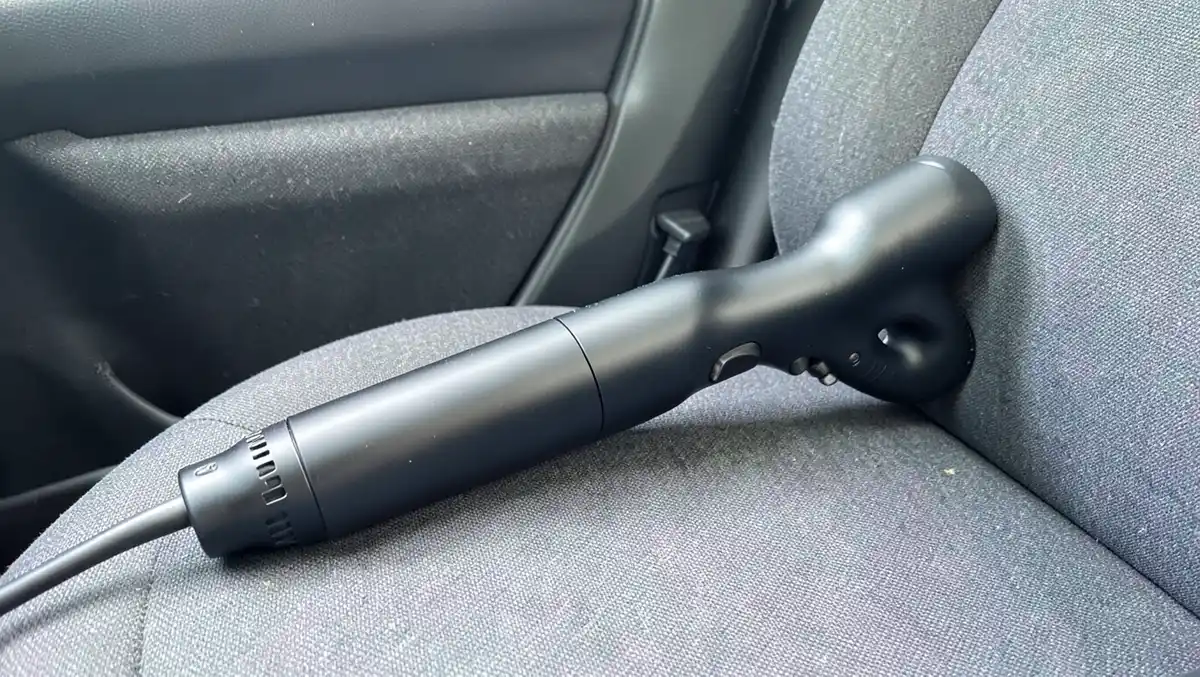
- 12V Car Vacuum or Cordless Handheld: Skips the inverter problem entirely by running on the car’s own voltage or a battery.
- Heavy-Gauge Battery Cable and Inline Fuse: Needed only if you are hardwiring an inverter for a full-size vacuum.
- Car’s 12V Accessory Socket: Fine for a 12V vacuum or a small inverter under about 150W – not for a full-size household vacuum.
Check the vacuum’s wattage label before buying anything else – it decides which of the two methods below actually applies to you.
Two Ways to Actually Power a Vacuum in Your Car
Pick the method based on your vacuum’s wattage, not on how big your inverter is.
Method 1: A Low-Wattage Vacuum Through the Accessory Socket
- Confirm the draw: A 12V car vacuum or a small inverter under roughly 100-150W will stay inside the socket’s fuse rating.
- Plug it into the 12V socket: No engine required for most 12V handhelds, though the battery drains faster with the engine off.
- Vacuum in short sessions: 10-15 minutes at a time keeps the motor and the socket from overheating.
Method 2: A Hardwired Inverter for a Full-Size Vacuum
- Check your vacuum’s wattage: Most home vacuums list it on a label near the cord – commonly 700-1,500W.
- Buy an inverter rated above that wattage: A 1,500-2,000W inverter with continuous (not just peak/surge) rated headroom is typical for a full-size vacuum.
- Wire it directly to the battery: Heavy-gauge cable straight to the terminals, with an inline fuse close to the battery – not through the accessory socket.
- Start the engine before vacuuming: A full-size vacuum pulling 60-125 amps will drain a battery in minutes with the engine off.
- Connect the vacuum and clean in short bursts: Give the inverter a break if it feels hot to the touch.
Safety note: Route cables away from the pedals, and never leave a vacuum running unattended with the engine on. If your inverter setup keeps draining your car’s battery even with the engine running, the wiring gauge or connection is usually the problem, not the battery.
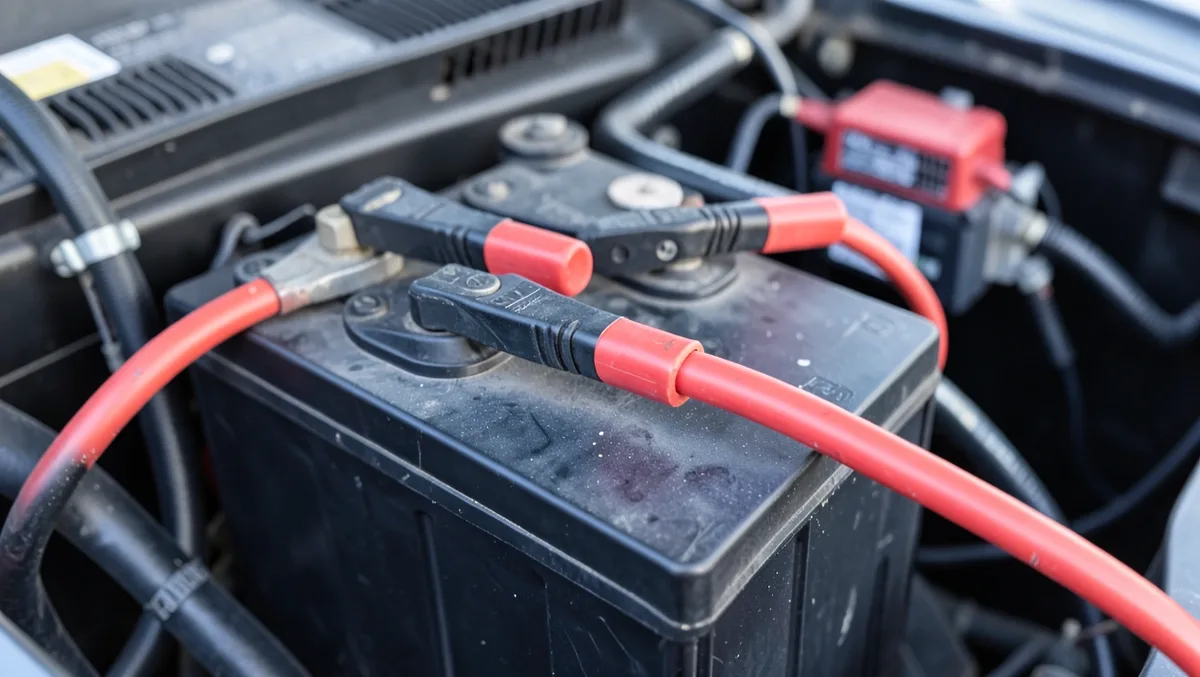
Benefits of Vacuuming Your Car This Way
Once the power side is set up correctly, running a home vacuum in the car has real advantages:
- Stronger suction: A full-size home vacuum pulls noticeably more suction than most battery-powered car vacuums.
- No new purchase needed: You already own the vacuum – just the inverter and wiring add cost.
- Works anywhere the car can park: No garage outlet required once the inverter is wired in.
Drawbacks to Watch Out For
There are real tradeoffs on the inverter route:
- Battery drain: A full-size vacuum pulling 60+ amps will drain a battery quickly if the engine is off.
- Wiring work upfront: A hardwired inverter is a real install, not a plug-and-go job.
- Cord clutter: Home vacuum cords are long and can tangle around pedals or the console.
Table 2: Comparing Car Vacuum Options
| Option | Pros | Cons |
|---|---|---|
| Home Vacuum + Hardwired Inverter | Strongest suction, no new vacuum needed | Needs real wiring work, drains battery fast if engine is off |
| 12V Car Vacuum | Plugs straight into the socket, no inverter math | Weaker suction, small dustbin |
| Cordless Car Vacuum | No cords or sockets at all, fully portable | Shorter runtime, usually costs more |
Other Ways to Clean Your Car
A home vacuum and inverter is not the only option:
- 12V Car Vacuum: Plugs directly into the accessory socket, no inverter needed, good for regular quick cleanups.
- Cordless Vacuum: Battery-powered with no cords at all, best for small messes and short sessions.
- Shop Vac: If you have a garage outlet, a corded shop vac skips the car’s electrical system entirely.
For a full interior deep clean beyond just vacuuming, see how to detail your car interior like a professional.
Tips for Vacuuming Your Car
- Keep the engine running whenever a hardwired inverter is powering a full-size vacuum.
- Work in short sessions, roughly 5-10 minutes at a time, to keep the motor and inverter from overheating.
- Check the inverter’s temperature periodically – if it feels hot to the touch, let it rest.
- Empty the dustbin often – a full bin weakens suction on any vacuum type.
Common Mistakes to Avoid
- Plugging a big inverter into the 12V socket: The socket’s fuse, not the inverter’s wattage rating, is what actually limits you.
- Forgetting to start the engine: A hardwired inverter running a full-size vacuum can flatten a battery in minutes.
- Ignoring cord placement: Keep cords well clear of the pedals and floor controls while vacuuming.
Table 3: Cost Comparison of Vacuum Solutions
| Method | Initial Cost | Ongoing Cost |
|---|---|---|
| Home Vacuum + Hardwired Inverter | $60-$150 (inverter + wiring) | None |
| 12V Car Vacuum | $20-$100 | None |
| Cordless Vacuum | $50-$200 | Battery replacement over time |
Conclusion
Plugging a vacuum into a car comes down to matching the vacuum’s wattage to what the power source can actually deliver. A 12V handheld or a small inverter works fine straight from the accessory socket. A full-size household vacuum needs an inverter wired directly to the battery, with the engine running – the socket alone will blow its fuse. Pick the setup that matches your vacuum, and you get a clean car without a dead battery or a tripped fuse.
Frequently Asked Questions
How do I safely plug a vacuum into my car?
Match the vacuum’s wattage to the power source first. A 12V vacuum can plug straight into the accessory socket. A full-size household vacuum needs an inverter wired directly to the battery, not the socket, with the engine running and cords kept clear of the pedals.
Can any vacuum work in a car?
Not through the accessory socket. The socket’s fuse caps out around 120-240 watts, so only 12V vacuums or small inverters under that limit can run from it. A 700W+ home vacuum needs the inverter hardwired to the battery instead.
What size inverter do I need for a car vacuum?
Choose a continuous-rated inverter above your vacuum’s wattage – a 1,500-2,000W inverter covers most full-size vacuums. Just remember that an inverter this size has to be wired to the battery directly; it will overload the accessory socket’s fuse if plugged in there.
Are 12V car vacuums better than home vacuums for cars?
12V car vacuums are weaker but plug in with zero wiring or inverter setup. Home vacuums have stronger suction but only work in a car once an inverter is properly wired to the battery. Most people are better served by a 12V or cordless vacuum for routine cleanups, and save the home-vacuum-plus-inverter route for a deep clean.
How do I avoid draining my car’s battery?
Always run the engine when a hardwired inverter is powering a full-size vacuum – it can pull 60 or more amps, enough to drain a battery in minutes with the engine off. A 12V handheld draws far less current, but it will still drain the battery faster with the engine off than on.
Can I use a cordless vacuum instead?
Yes. A cordless vacuum skips the socket and inverter question entirely since it runs on its own battery, typically for 10-30 minutes per charge. It is a good option for quick cleanups when you would rather not deal with wiring at all.
Why does the inverter blow a fuse the moment I turn the vacuum on?
This almost always means the inverter is plugged into the 12V accessory socket instead of being wired to the battery. The socket’s own fuse is rated for roughly 120-240 watts, and a 700W+ vacuum draws far more than that through the inverter, so the fuse trips immediately. The fix is wiring the inverter’s cables straight to the battery terminals with a fuse sized for that wiring, not the socket’s fuse.
Products related to this article
Sponsored / affiliate links. As an Amazon Associate I earn from qualifying purchases. I may earn additional commission from eligible campaigns.