How Much Does It Cost to Wash a Car by Hand?
Expect to pay about $20 to $60 for a professional hand wash, plus roughly $5 to $20 for tire shine, wax, or interior add-ons; DIY supplies usually cost about $1 to $4 per wash after the initial kit. Skip proper washing, and you can leave swirl marks, water spots, and pay again for fixes or re-dos. This guide breaks down shop prices, DIY per-car costs, tips, and the size-and-frequency break-even point.
Typical cost range


A professional hand car wash usually falls in the $20 to $60 range. The lower end covers a basic exterior service, while the higher end reflects more labor, hand drying, and light interior work. Larger vehicles, heavy grime, bug buildup, and winter salt push the bill up fast.
Basic exterior wash price range
A basic exterior wash is the cheapest attended hand service, but it still costs more than a tunnel wash because people do the cleaning, rinsing, and drying. A useful reference point: a basic exterior wash can run $8 to $12 at express tunnel washes, while a mid-range exterior wash can cost $15 to $25. A true hand wash often sits above that once labor is added.
That gap matters. A hand wash usually means a person touches the paint, wheels, and glass, which raises labor cost and lowers throughput. The bill rises again if the shop removes bugs, pre-soaks salt, or spends extra time on truck beds and wheel wells.
What hand-dry service adds to the bill
Hand drying adds time and usually adds cost. It also often brings a tip expectation, because the work is visible, manual, and commonly done after the wash is finished. That is one reason a hand wash costs more than an automated bay that blow-dries the car or leaves drying to you.
When interior vacuuming changes the price
Vacuuming usually moves the service into a fuller package. Interior services typically run $30 to $60, and vacuuming or wipe-downs often show up in that tier. The jump is not only for the extra minutes inside the car; it also reflects labor, debris disposal, and the cleaner finish people expect.
What does a hand wash include?
A hand wash usually includes an exterior soap, rinse, and manual drying step. Many shops also clean the wheels, wipe door jambs, and offer vacuuming or a light interior wipe-down for more money. Wax, water repellent, and other protectants are often separate add-ons.
Exterior wash and rinse steps
The core service starts with a pre-rinse or pre-soak, then soap applied by mitt, sponge, or soft brush, followed by a rinse. That reduces loose grit before anyone touches the paint. On dirtier cars, staff may spend more time on lower panels, badges, mirrors, and wheel faces.
Hand dry versus air dry
Hand dry means someone towels the vehicle by hand after rinsing. Air dry is faster and cheaper, but it can leave spots if the water is hard or if the car sits in the sun. A hand dry costs more because it adds labor and lowers the chance of visible drip marks.
Picture a midsize sedan coated in winter road film. A basic wash can remove the loose grime, but if the lower doors and rear bumper are packed with salt, the attendant will spend longer rinsing and drying those panels, which can move the price toward the upper end of the range.
Vacuuming, wipe-downs, and wheel cleaning
Vacuuming is one of the most common interior add-ons, and it is a major driver of tip expectations. Wheel cleaning is another labor-heavy step because brake dust and road film cling to spoke faces, lug areas, and barrels. A full-service wash often includes both, along with a quick interior wipe-down.
Add-ons: wax and water-repellent products
Protective products change the bill and the finish. Common add-ons include wax, ceramic shield wax, graphene protectant, and Rain-X water repellent. These are not part of a basic wash unless the menu says so, and the price rises because the shop is adding product and labor, not just soap and water.
DIY hand wash cost breakdown
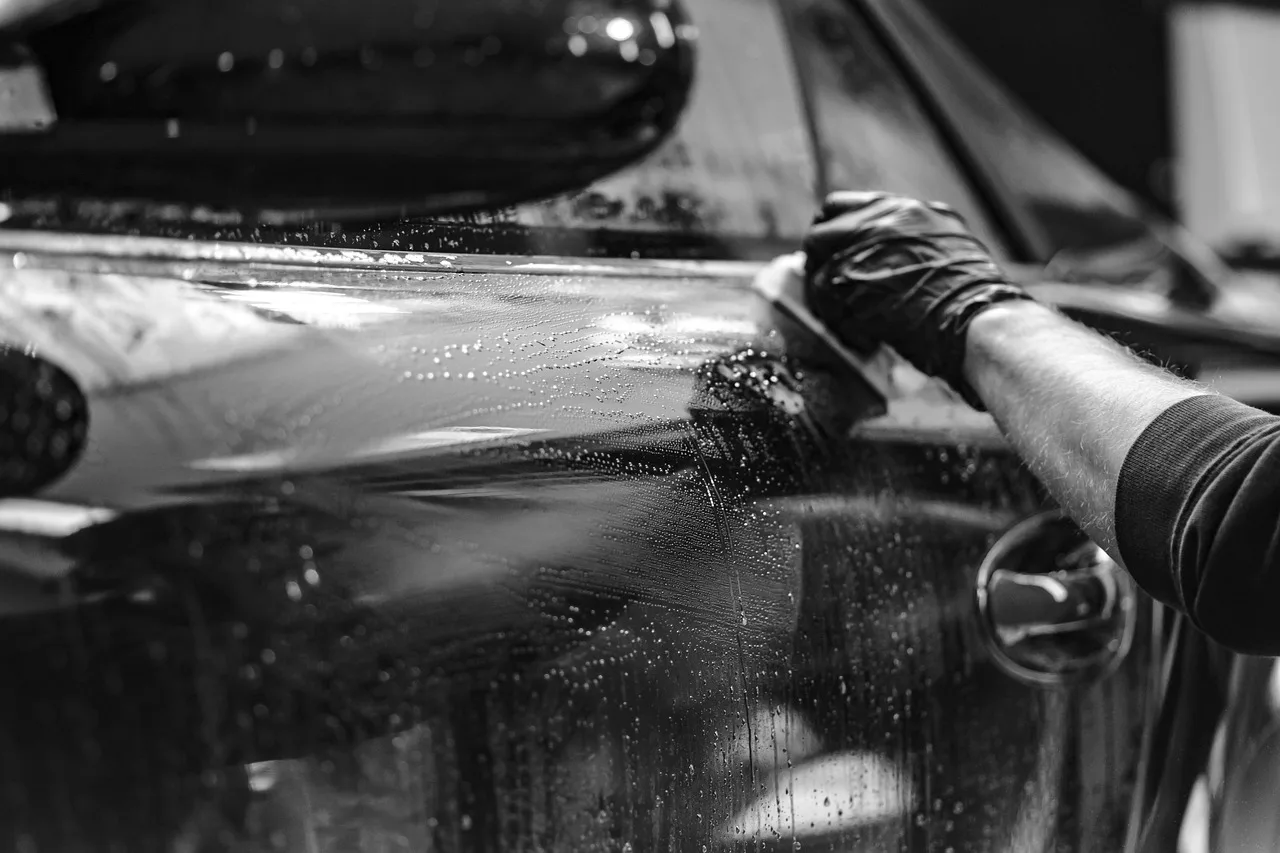
DIY hand washing is cheaper per car after you buy the kit, but the first trip to the store can make it look expensive. Once you already have the mitts, buckets, towels, and soap, the per-wash cost usually lands around $1 to $4, depending on vehicle size, water use, and whether protectant is added.
Soap, mitts, towels, water, and electricity
For a single wash, the recurring cost stack is usually small. Soap may cost only a few cents per wash, while a wash mitt and microfiber drying towels are spread across many uses. Water and electricity for a hose, pressure washer, or heated water source add a little more, especially if the wash lasts longer than planned.
A common first-timer mistake is using too little drying towel capacity on a dark vehicle. That can leave streaks or spots, which often leads to a second drying pass and more towel wear. For an all-in DIY estimate, the bigger cost is usually your time, not the materials.
Optional protectant costs
Optional protectants move DIY costs upward. A bottle of spray wax, ceramic shield wax, graphene protectant, or Rain-X water repellent is not expensive per use once opened, but it can add enough to shift a wash from the low end of the DIY range to the upper end. The more frequent the use, the more that product cost matters.
Vehicle size and dirt level
Vehicle size changes how much soap, towel surface area, and drying time you use. An SUV or pickup usually needs more product than a compact sedan. Heavy dirt, bugs, pollen, and winter salt also add time, which matters because extra passes mean more towels, more water, and more product loss.
- Rinse off loose grit first.
- Wash from the top down.
- Rinse thoroughly before drying.
- Use separate towels for paint and wheels.
- Add protectant only after the surface is clean.
Car wash cost table
This table separates DIY hand washing from professional hand wash pricing and shows where weekly frequency changes the math. The membership comparison uses the Elite Club membership at $37.95 per month and a leading chain competitor’s unlimited membership at $59.98 a month.
| Scenario | Per-car line items | Estimated per-car cost | Weekly washer monthly total |
|---|---|---|---|
| DIY hand wash at home | Soap $0.25; mitt amortized $0.50; drying towels $0.75; water and electricity $0.50; optional protectant $0.25 to $1.00 | $1.50 to $3.00 before optional add-ons; about $1 to $4 with add-ons | $6 to $16 for 4 washes, after the kit is already owned |
| Basic professional hand wash | Exterior wash, rinse, hand dry; sometimes wheel cleaning; tip often expected if staff dries by hand | $20 to $35, plus $2 to $5 tip | $88 to $160 for 4 washes with tip |
| Full-service hand wash | Exterior wash, hand dry, vacuuming, interior wipe-down, wheel cleaning; tip often expected | $30 to $60, plus $5 to $10 tip | $140 to $280 for 4 washes with tip |
| Weekly break-even comparison | 4 washes per month versus monthly membership | Basic pro hand wash: $80 to $240 before tips; memberships: $37.95 or $59.98 | At 4 washes, both memberships beat pay-per-wash if the wash price is above the membership fee |
That table shows the break point clearly. If you wash weekly, a membership can pay off quickly. At four visits a month, the $37.95 plan is cheaper than almost any pay-per-wash hand service, and the $59.98 plan also beats most recurring hand wash bills unless your shop stays near the very bottom of the range.
Is a hand wash more expensive than other washes?
Yes. A hand wash is usually more expensive than an automated tunnel wash because manual labor costs more than machine time. Automated washes are usually cheaper than full hand services, while detailing sits well above both because it takes longer and includes deeper cleaning.
Why manual labor costs more than automation
Automation moves more cars per hour with fewer workers. Hand washing slows the process down, and that labor has to be paid for somewhere. If the shop hand dries, vacuums, or wipes interiors, the price goes up again because those tasks are easy to see and hard to rush.
Where detailing sits on the price ladder
Professional detailing can range from $100 to $500+, so it belongs in a different category from washing. A hand wash is meant to remove dirt and road film. Detailing is deeper, slower, and more labor-heavy, with prices that reflect stain removal, surface correction, and restoration work.
When a membership makes sense
Memberships make sense when you wash often enough that the monthly fee beats repeated pay-per-wash visits. The Elite Club membership is $37.95 per month, and the leading chain competitor’s unlimited membership costs $59.98 a month. If you wash every week, either one can beat individual hand wash pricing fast.
Say your SUV gets salted every week in winter. If you are paying for a hand wash with a hand dry and occasional wheel cleaning, the monthly total can outrun a membership after only a few visits, especially once tips are included.
How much should you tip?
Tip more when staff hand dry, vacuum, or do interior wipe-downs. A common car wash tip range is $2 to $5 for a standard wash with hand drying, and a fuller service wash with vacuuming or interior wipe-downs often gets $5 to $10. A purely automated wash with no hand labor usually does not need a tip.
Hand dry tipping
Hand drying is the clearest tipping trigger because it is visible labor at the end of the wash. If the attendant towels the paint, glass, and door edges, a small tip is normal. The more time spent chasing water from creases and mirrors, the more the tip tends to move toward the top of the usual range.
Vacuuming and interior work
Vacuuming is another tip-driving service element. It requires more effort than a quick exterior rinse, and it often includes trunk edges, floor mats, and seat tracks. Interior wipe-downs, crumbs removal, and light debris cleanup can justify a larger tip than an exterior-only wash.
What changes the tip amount
Vehicle size, heavy dirt, pet hair, and winter salt can all raise the tip. A small sedan with light dust is one thing. A three-row SUV with muddy floor mats and packed cargo space is another. If the staff spends real time on it, the tip usually rises with the labor.
When does detailing cost more than washing?
Detailing costs more than washing as soon as the job moves beyond dirt removal and into restoration-level labor. Exterior detail pricing starts above a normal wash, interior detailing starts higher still, and paint correction or deep cleanup can move the ticket far above a basic hand wash or full-service wash.
Exterior detail pricing
Exterior detailing can include clay work, trim cleaning, tar removal, and paint protectant application. The price floor is higher than washing because the process takes longer and uses more product. That is why a hand wash and an exterior detail are not interchangeable, even if both happen outside the car.
Interior detail pricing
Interior detailing starts around $150 at Unlimited Auto Wash, and a complete detail at Unlimited Auto Wash starts at $250. At Rose Hill, a mini detail is priced at $145, and a full detail costs $450. Those figures sit far above a standard wash because the labor is deeper and more time-consuming.
Restoration work and correction services
Restoration work is where the bill can climb quickly. That can include stain removal, odor treatment, deep extraction, or paint correction. These are not wash add-ons in the normal sense. They are separate labor categories, which is why a car that needs correction can cost many times more than a simple hand wash.
Frequently asked questions
How much to wash a car
For a professional wash, a basic exterior service can run $8 to $12 at express tunnel washes, while a fuller exterior wash can cost $15 to $25. A hand wash generally costs more because the labor is manual, and interior add-ons can move the total into the $30 to $60 range.
How much does a car wash cost?
The cost depends on service level. If you want hand drying or vacuuming, expect the ticket to climb above a basic exterior wash.
How much is a regular car wash?
A regular car wash is often a basic exterior wash, and a common low-end range is $8 to $12 at express tunnel washes. If the wash includes hand drying, interior vacuuming, or a wipe-down, it is no longer the cheapest version and the price usually rises.
How much does hand car wash cost?
A professional hand car wash usually costs about $20 to $60, depending on location, wash type, vehicle size, and how much labor is included. A hand-dry service and interior vacuuming can push the total higher. Add-ons such as wax or water repellent can add another $5 to $20.
What does a hand car wash include?
A hand car wash usually includes an exterior soap and rinse, manual drying, and sometimes wheel cleaning. Some shops also add vacuuming or a light interior wipe-down. Protective products such as wax, ceramic shield wax, graphene protectant, and Rain-X water repellent are often extra.
How much should I tip at a hand car wash?
A common car wash tip range is $2 to $5 for a standard wash with hand drying. If the service includes vacuuming or interior wipe-downs, $5 to $10 is more typical. If the wash is purely automated and no one touches the car by hand, a tip usually is not needed.
Products related to this article
Sponsored / affiliate links. As an Amazon Associate I earn from qualifying purchases. I may earn additional commission from eligible campaigns.
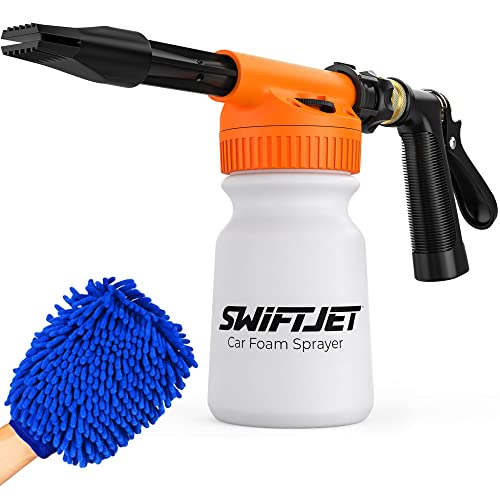 SwiftJet Car Wash Foam Gun + Microfiber Wash Mitt - Foam Cannon Works with Any Soap - Garden Hose Car Foam Sprayer - Car Wash Kit - Car Accessories Foam Blaster (Orange Foam Gun with Mitt)
 1/4" Pressure Washer Foam, 1L Car Wash Soap Bottle with Adjustable Spray Lance, High Pressure Jet Dispenser for Vehicle Cleaning