Best Leather Brush for Deep Cleaning Car Seats 2026: We Compared
The best leather brush for deep-cleaning car seats depends on the contamination: use a soft horsehair brush for general soil, a narrow detailing brush for seams, and an ultra-soft brush for perforated leather. A stiff nylon brush, or heavy scrubbing, can scar the finish, drive dirt deeper, and leave shiny wear marks. This guide compares leather-safe brush types by seat construction and grime type, so you can clean deeply without damaging stitching, holes, or the topcoat.
Quick comparison
| Product | Badge | Best for | Price | ||
|---|---|---|---|---|---|
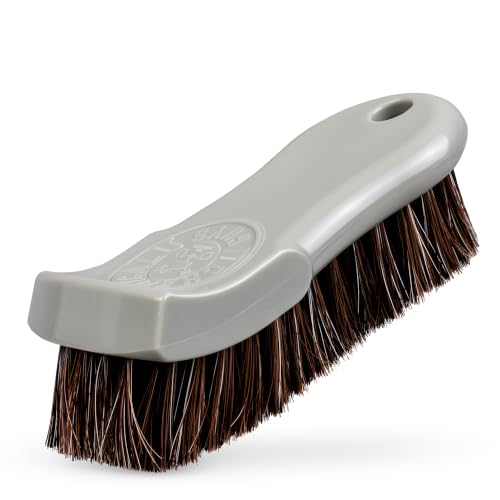 |
Chemical Guys, Long Bristle Horsehair Leather CleaningChemical Guys | Our pick | Long bristle · leather brush · interior | $17.99
Price as of 27 Oct 2026
|
View |
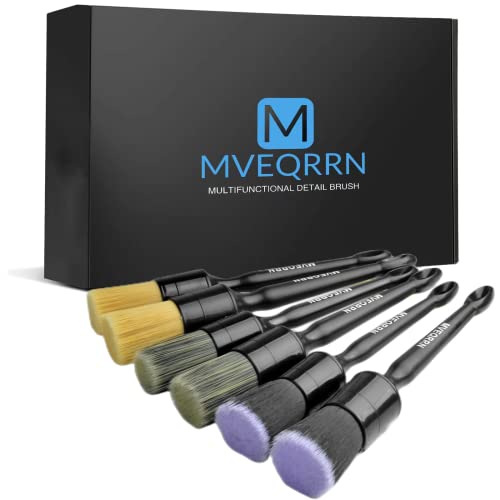 |
MVEQRRN 6 Pcs Car Detailing Brush Set, Boars Hair & SoftMVEQRRN | Also great | 6-piece · boars hair · detailing set | $16.53
Price as of 27 Oct 2026
|
View |
 |
Blackline Car Detailing Brush Set, 2 Pack – Ultra SoftBlackline | Upgrade pick | 2-pack · ultra-soft · interior | $25.99
Price as of 27 Oct 2026
|
View |
Use this section to match the brush to the job before you buy. The right choice changes with seam grime, perforations, and how much hand fatigue you want to avoid.
How we chose
The picks below are based on bristle softness, reach into seams and creases, handle comfort, and how well each design fits leather-seat cleaning without overworking the surface.
We also separated true leather brushes from general interior brushes, because a brush that works on vents or trim is not automatically the right tool for seat leather.
When a brush is best for conditioning, that gets called out too. Cleaning and conditioning are not the same job.
Horsehair brush: best for regular leather care
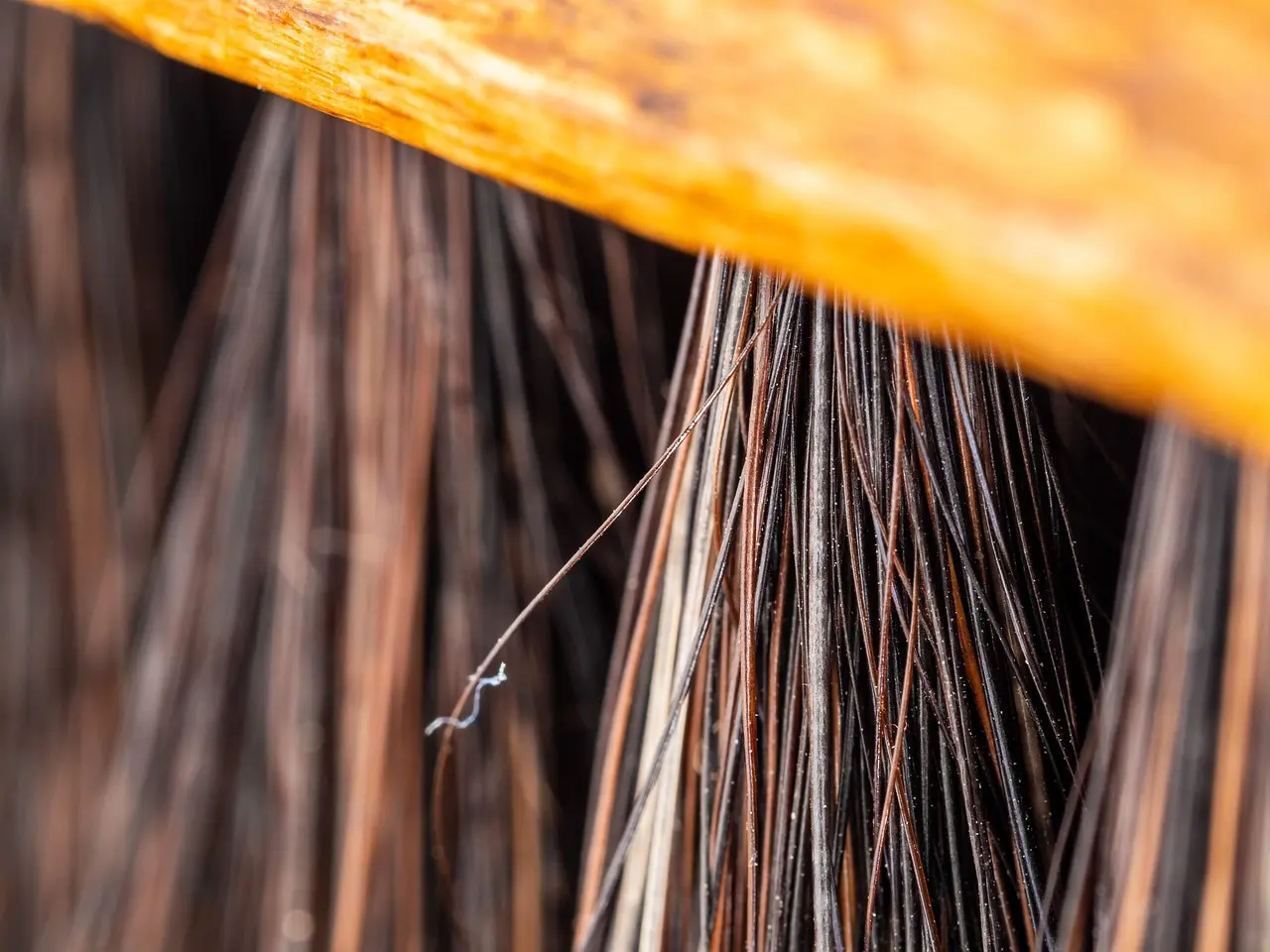
This is the safest default for most leather seats. The Chemical Guys brush uses long natural horsehair bristles, and it is described as gentle enough for leather seats, with an ergonomically designed handle for longer cleaning sessions.
Choose this style when the seat has light dust, body oils, or everyday grime on smooth or sealed leather upholstery. Soft horsehair can move cleaner through pores and light texture without the harsh bite of a stiff nylon brush.
The drawback is reach. On deep stitching, tight creases, or heavily textured panels, a general horsehair brush may clean the surface well but leave packed dirt in the fold line. That is where a narrower brush earns its keep.
Why soft horsehair is the safe default
Soft horsehair is a sensible first choice because it gives you enough agitation to loosen dirt while staying gentle on the topcoat. That matters on modern sealed leather, where the finish is durable but still easy to mar with aggressive scrubbing.
Brush guides consistently warn that hard bristles can scratch leather. That warning matters most when the contamination is light enough to lift with mild pressure and a leather cleaner.
Where it works best on seats and bolsters
Use it on seat centers, bolsters, armrests, and other broad sections with light soiling. It also works well for routine maintenance, especially when you want to clean a seat before applying conditioner.
A common first-timer mistake is pressing harder when dirt does not move right away. On leather, more pressure is rarely better.
When a horsehair brush is not enough
If the grime sits in a stitched seam, a perforation line, or a textured grain pattern, a softer general brush may not reach deeply enough. In that case, switch to a long-bristle brush or a two-brush kit with a smaller head for detail work.
Long-bristle brush: best for seams and creases
A long-bristle brush is the better pick for packed dirt in seams, folds, and textured panels. Chemical Guys describes this brush as using long natural horsehair bristles for leather cleaning, which gives it better reach than short, dense pads.
This style is useful when the seat looks clean at a glance but still feels gritty at the stitching. It is also a strong option for older interiors where creases collect sunscreen, body oils, and fine debris.
The drawback is moisture control. Long bristles can carry more solution into tight areas, so you need a light touch and quick wipe-downs.
Deep cleaning stitched seams
Use short, controlled strokes along the seam, then wipe the loosened residue with microfiber. Web2Carz advises cleaning with a brush in small sections, which is the right pace here because it keeps cleaner from drying before you wipe it away.
For heavily soiled seam lines, apply cleaner to the cloth or lightly to the brush, not directly into the stitching. That reduces the chance of over-wetting the thread and the adjacent leather.
Textured leather and tight folds
Long bristles help on embossed or textured leather because the tips can move into low spots that a flat cloth skips. They also work well around bolsters where the leather curves and tightens.
Keep pressure low. Let the bristle length do the work.
Pressure level and cleaner pairing
Use light to moderate pressure with a leather cleaner, then wipe residue with microfiber. If the dirt is stubborn, repeat the process rather than scrubbing harder. That is the safer way to deal with grime that sits below the surface.
Two-brush set: best for mixed jobs
A two-brush set is the most practical choice when you clean broad panels and tight areas in the same session. Alpine Dream Clean’s ecocstm set includes two brush sizes, including a 4.3-inch large brush and a 6.7-inch long-handled brush.
This type fits owners who want one brush for the seat face and a smaller one for seams, switches, and stitching. It also helps detailers separate heavy-soil work from fine work without changing tools mid-job.
The drawback is overlap. Not every set is equally soft across both sizes, so check that both brushes are leather-safe before buying. A mixed-purpose set can be useful, but only if the bristles stay gentle.
Large brush for broad panels
The larger brush is the faster tool for the center of the seat, the outer bolster, and other open surfaces. It covers more area with each pass and keeps the workflow moving.
Use it where the contamination is spread out rather than trapped in a narrow fold.
Small brush for tight areas
The smaller brush is the one to reach for near seams, seat controls, headrest posts, and trim gaps. It gives you better control around edge details and helps reduce accidental contact with adjacent surfaces.
That matters on perforated seats, where you want the brush working beside the holes, not forcing liquid into them.
Why two-piece packs are common
Two-piece packs are common because leather interiors rarely need one brush size for every surface. A larger head speeds up open-panel cleaning, while a smaller one handles the grime that hides in folds and stitch lines.
For mixed interiors, that split is more useful than a single general-purpose brush.
Leather seat matrix
This matrix maps seat problems to brush style, pressure, cleaner pairing, and the mistake to avoid. It is the quickest way to match the tool to the contamination instead of buying by label alone.
| Problem symptom | Seat construction | Recommended brush style | Pressure level | Cleaner pairing | Common mistake to avoid |
|---|---|---|---|---|---|
| Light dust and haze | Sealed leather upholstery | Soft horsehair brush | Light | Cleaner on microfiber or lightly on bristles | Pressing harder instead of wiping sooner |
| Dark seam grime | Stitched seams and creases | Long-bristle detailing brush | Light to moderate | Cleaner on brush in small sections | Flooding the seam with liquid |
| Body-oil buildup | Smooth bolsters and side supports | Soft horsehair brush | Light | Leather cleaner, then microfiber wipe | Scrubbing in one spot until the finish turns shiny |
| Trapped dirt around perforations | Perforated leather seat | Ultra-soft or very gentle brush | Very light | Cleaner on cloth first | Over-wetting the holes |
| Mixed dust and crease grime | Broad panels plus tight edges | Two-brush set | Light | Cleaner matched to the section | Using one oversized brush everywhere |
| Routine maintenance before conditioning | Sealed leather upholstery | Conditioner-compatible soft brush | Light | Cleaner first, conditioner after wipe-down | Applying conditioner over residue |
What brush type fits your seats?
Seat construction changes the right brush more than brand name does. Sealed leather can tolerate gentle scrubbing, while perforated leather needs more moisture control and a softer touch.
Sealed leather versus perforated leather
Sealed leather upholstery is common in modern cars, and it usually tolerates soft scrubbing if you test a small hidden spot first. Perforated leather needs extra caution because liquid can sit in the holes and create moisture-trapping problems.
On perforated seats, cleaner should go on a cloth first whenever possible. If you use a brush, keep it barely damp and wipe residue quickly.
Smooth leather versus textured leather
Smooth leather often needs a soft horsehair brush for general cleaning. Textured leather and grained panels benefit from longer bristles that can enter the surface pattern instead of skating over it.
That is why a long-bristle brush is not just a gentler version of a standard brush. It solves a different problem.
When to choose a cloth over a brush
If the seat only has light dust, a microfiber cloth may be enough. Use the brush when contamination sits in pores, stitching, or texture. That avoids unnecessary abrasion on low-soil areas.
For cleaner residue, a microfiber wipe is still the final step after brushing.
Say your driver’s seat has a shiny patch on the outer bolster and gray grime in one seam. Use a soft horsehair brush on the bolster, then switch to a narrow long-bristle brush for the seam. One tool can do both jobs only if it reaches the fold without forcing liquid into it.
How to choose
Start with bristle softness. For leather, soft natural or similarly gentle synthetic bristles are the default. Car Detailing Planet recommends only soft brushes for leather seats, and that is the right baseline for most buyers.
Bristle softness and material
Horsehair works well for regular care because it balances cleaning power and restraint. Mothers’ brush uses triple-flagged soft bristles, another sign that soft tips are preferred when the finish matters more than brute force.
Only choose a firmer brush if the manufacturer explicitly calls it leather-safe and the bristles are still soft enough for the finish.
Handle shape and fatigue
An ergonomic wooden handle can improve grip and reduce fatigue during longer cleaning sessions. That matters when you are working across multiple seats or cleaning a full interior.
Better control also means less chance of the brush sliding onto adjacent trim.
Brush size and reach
Large heads are better for open panels. Smaller heads are better for stitching, badge edges, and narrow recesses. If the seat has both, a two-brush set is usually more efficient than forcing one brush to do everything.
That is why a 2-piece pack often makes more sense than a single oversized brush.
Compatibility with cleaner and conditioner
Apply leather cleaner to the cloth or brush, scrub lightly, then wipe residue with microfiber. If the seat needs conditioning, do that after the surface is clean and dry to the touch. Web2Carz notes that newer cars usually do not require conditioner, so use it when the leather actually needs replenishment, not by habit.
A conditioner-compatible brush is most useful for spreading product evenly on the cleaned surface, not for grinding product into grime.
Suppose a new SUV has perforated front seats with light sunscreen residue near the shoulder area. Start with a barely damp microfiber cloth and a very soft brush only for the stitched edge. The risk is not the stain alone; it is pushing moisture into the perforations.
Can you use a stiff brush on leather seats?
No. A stiff brush is a poor choice for leather seats because it can scratch the topcoat, leave shiny wear marks, and push dirt deeper into seams. If a brush feels scratchy on your hand, it is usually too aggressive for automotive leather.
Why stiff bristles are risky
Hard bristles can cut into the finish, especially on high-contact zones like the driver’s bolster. They also increase the chance of uneven gloss, which can make the cleaned area look worn even when the dirt is gone.
What damage to watch
Look for scuffed grain, a glazed patch, or discoloration around stitching. Those are signs that the brush or the pressure was too harsh. Perforated leather is even less forgiving because the holes can collect both cleaner and debris.
Safer alternatives for heavy soil
Use a soft horsehair brush, a narrower detailing brush, or a two-brush set with a smaller head for the dirty lines. If soil is stubborn, repeat a gentle clean-and-wipe cycle rather than increasing pressure.
Which one should you buy?
Buy the Chemical Guys horsehair brush if you want the safest single-tool choice for most leather seats. It is the best default for regular care, and its ergonomic handle helps during longer sessions.
Choose the Alpine Dream Clean two-brush set if you clean both broad panels and tight seams. The two sizes make it easier to separate open-surface work from detail work.
Pick the Blackline 2-pack if you want a soft, interior-focused set that can handle delicate surfaces and different cabin materials without moving to harsher tools. Based on specs and reviews, it is the most obvious fit when you want a compact pair for mixed interior work. Its drawback is that it is broader in use than a dedicated leather brush, so leather-first buyers may still prefer a purpose-built horsehair design.
For budget buyers, a soft single brush is enough if the seats are smooth and the grime is light. For detailers, a two-brush setup is more efficient because it separates wide-panel cleaning from seam work. For perforated seats, prioritize the softest bristles you can find and keep cleaner off the holes as much as possible.
- Test any brush-cleaner combination on an inconspicuous area first.
- Apply cleaner to a microfiber cloth or lightly to the brush.
- Work one small section at a time.
- Use light pressure and short strokes.
- Wipe loosened residue with microfiber before it dries.
- Condition only if the leather needs it.
Buy the brush that matches the seat problem first. Brand can help narrow the field, but construction and contamination type should decide the final pick.
Frequently asked questions
What is the best leather brush for deep cleaning car seats?
The best choice is usually a soft horsehair brush for general cleaning, paired with a narrow detailing brush for seams and creases. That combination handles most leather-seat grime without forcing you into a stiff, scratchy tool that can damage the finish.
Are horsehair brushes safe for leather car seats?
Yes, soft horsehair brushes are generally safe for leather car seats when used with light pressure. They are a strong default for regular cleaning because they can lift dirt from pores and seams without the harsher bite of stiff nylon bristles.
How do I clean perforated leather seats without damaging them?
Use very light pressure and keep moisture under control. Put cleaner on a microfiber cloth first when possible, then use a very soft brush only around the seams or edges. Avoid soaking the holes, because trapped liquid can create staining and drying issues.
What brush works best for seams and creases in leather seats?
A long-bristle detailing brush is the better choice for seams and creases because it can reach into narrow folds and textured areas. Use short strokes, small sections, and quick microfiber wipes so dirt comes out without flooding the stitching.
Should I use a brush or microfiber cloth on leather car seats?
Use microfiber for light dust, cleaner removal, and the final wipe. Use a brush when dirt sits in pores, seams, or texture. The safest workflow is usually cleaner on cloth or brush, light scrubbing, then a microfiber wipe to finish.
How often should leather car seats be deep cleaned?
That depends on use, climate, and how quickly the seats collect body oils and dirt. For many daily-driven cars, deep cleaning a few times a year is reasonable, with lighter wipe-downs in between. High-use seats may need attention more often.
What brush do professional detailers use on leather interiors?
Professional detailers usually choose soft leather-safe brushes rather than one hard interior brush for everything. A horsehair brush is a common default, while a smaller detailing brush handles seams and creases. The exact pick depends on the seat material and the soil pattern.
Products related to this article
Sponsored / affiliate links. As an Amazon Associate I earn from qualifying purchases. I may earn additional commission from eligible campaigns.
 2 PCS Leather & Upholstery Cleaning Brush for Car Detailing, Leather Cleaning Brush Set with Horsehair Bristles, Soft Interior Brush for Car Seats, Carpet, Upholstery, Furniture, Shoes and Bags
 Polishing Cleaner, Deep Cleaning Car Polish Spray, Multipurpose Car Interior Polishing Cleaner, Waterless Car Interior Detailer Spray, for Automotive Rubber, Leather& More(3)