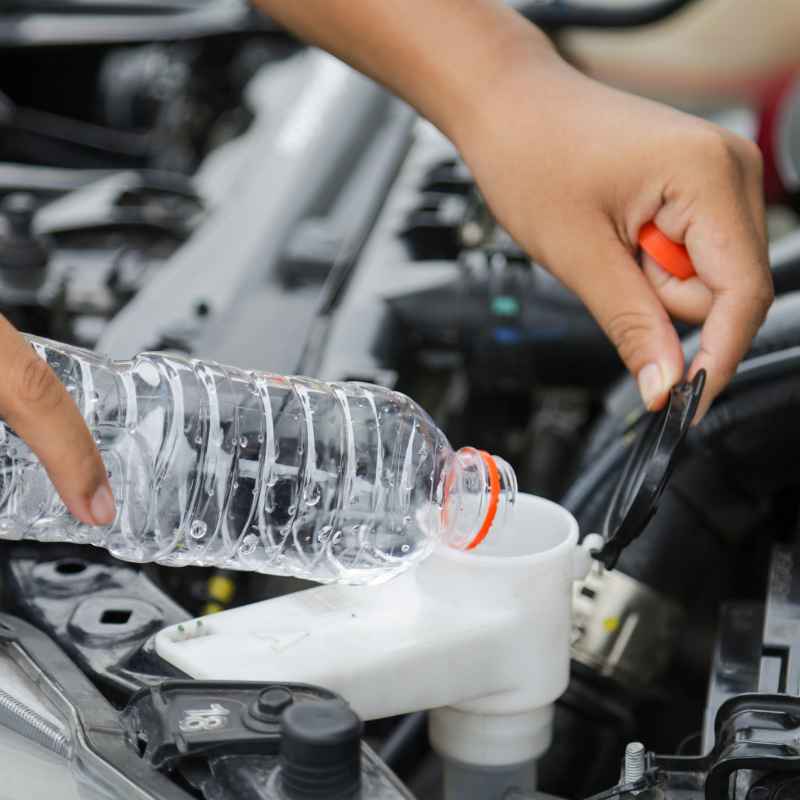
How to Fill Up Wiper Water in Your Car the Right Way
Filling up wiper water in your car is a quick maintenance task that keeps your windshield clean and your visibility sharp. This guide walks you through the correct method, the best fluids to use, and common pitfalls to avoid.
Simply put, always use a dedicated windshield washer fluid instead of plain water. Locate the reservoir under the hood, open the cap, and pour the fluid without overfilling. Check levels monthly and switch to a winter blend before the cold season.
Key Takeaways
- Filling up wiper water with the right fluid prevents freezing, streaking, and damage to your washer system.
- Use only automotive windshield washer fluid — tap water can cause mineral deposits and frozen lines.
- Locate the reservoir by its windshield icon or blue cap and fill to the indicated “MAX” line.
- Change fluid seasonally: use a summer formula in warm weather and a winter blend with antifreeze protection.
- Proper wiper water maintenance extends the life of your pump and nozzles, saving you costly repairs.
What You Need to Fill Up Wiper Water
Before you start, gather the right supplies. It only takes a few minutes, and having everything handy keeps the process smooth.
- Windshield washer fluid – buy a commercial product (summer or winter blend).
- A funnel – helps avoid spills, especially if the reservoir neck is narrow.
- Clean rag or paper towel – wipe up drips and check the dipstick afterwards.
- Gloves (optional) – washer fluid contains methanol and detergents that can irritate skin.
- Owner’s manual – confirms reservoir capacity and any specific fluid recommendations for your car.
| Tool / Material | Why You Need It |
|---|---|
| Windshield washer fluid | Cleans dirt, bugs, and road grime; resists freezing in winter |
| Funnel | Prevents spills that can drip onto the engine or paint |
| Rag | Cleans up accidental spills and checks for reservoir cap debris |
| Owner’s manual | Gives exact reservoir location and capacity (usually 1–2 quarts) |
These items are inexpensive and widely available at auto parts stores, gas stations, or online. Keep a bottle in your trunk for top-ups between oil changes.
How to Locate the Windshield Washer Reservoir
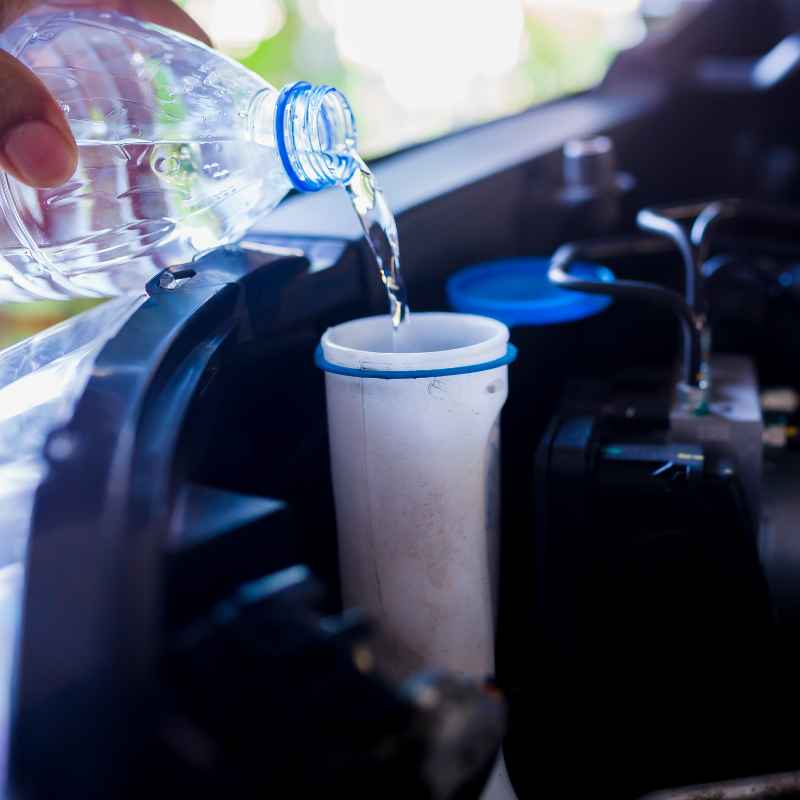
The reservoir is easy to find once you know what to look for. In most cars, it sits under the hood near the front or side of the engine bay.
- Open the hood – use the interior release lever, then the safety latch under the hood.
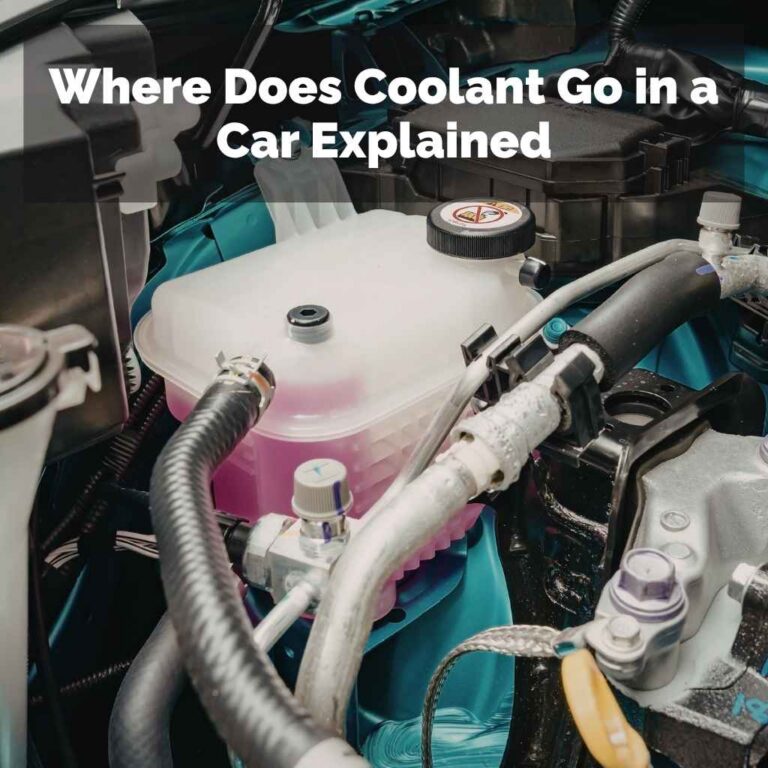
- Look for a white or translucent plastic container – it is usually rectangular or cylindrical, about the size of a milk carton.
- Check the cap – it often has a windshield icon (a spray of water) or the words “WASHER FLUID” printed on it. The cap is commonly blue or black.
- Read the markings – the reservoir will have “MAX” and “MIN” lines on the side to show the correct fluid level.
- Trace the hoses – small rubber lines run from the reservoir to the hood nozzles. This confirms you have the right container.
Tip: If the reservoir is dirty or the markings are faded, use a flashlight to see the level. Some newer cars have a low-fluid warning light on the dashboard.
If you still can’t find it, consult your owner’s manual. In some models, the reservoir is tucked behind the headlight assembly or near the firewall. Once located, you are ready to fill.
Step-by-Step Guide to Filling Wiper Water
Follow these steps to fill the reservoir correctly every time. The whole process takes less than five minutes.
- Park on a level surface – this helps you read the fluid level accurately.
- Turn off the engine – allow the engine to cool if it has been running.
- Open the reservoir cap – twist counter‑clockwise. Set the cap aside on a clean rag.
- Insert a funnel – if the neck is narrow, this prevents spills.
- Pour the washer fluid – pour slowly until the fluid reaches the “MAX” line. Overfilling can cause leakage when the cap is closed.
- Replace the cap – tighten it securely to prevent contamination and evaporation.
- Test the system – get in the car, turn the ignition on, and spray the windshield. Check that both nozzles work and the fluid is distributed evenly.
Warning: Never mix washer fluid with engine coolant or antifreeze. Coolant is not designed for the washer system and can damage paint, seals, and the environment.
Repeat this process whenever the fluid level drops near the “MIN” line. For most vehicles, a full reservoir holds about 1–2 quarts, so you may need to add a few cups each time.
| Step | Common Mistake | Correct Action |
|---|---|---|
| Pouring fluid | Pouring too fast causes overflow | Pour slowly in a steady stream; stop at the “MAX” line |
| Testing | Testing before closing the cap fully | Secure the cap first to avoid leakage during operation |
| Refilling | Topping off with plain water | Always use proper washer fluid, even for a quick top‑up |
What Kind of Fluid Should You Use?
Choosing the right washer fluid is critical for performance and safety. The market offers several types, each designed for specific climates and conditions.
- All‑season washer fluid – works down to about 20°F (‑7°C). Suitable for mild winters and year‑round use in most regions.
- Winter formula with antifreeze – rated to ‑20°F (‑29°C) or lower. Contains methanol or ethanol to prevent freezing in the reservoir and lines.
- Bug‑removing fluid – has extra detergents and enzymes that dissolve insect residue. Ideal for summer driving.
- Rain‑repellent fluid – includes hydrophobic polymers that cause water to bead and roll off the windshield.
- Concentrate (need to dilute) – usually a few ounces mixed with water. Cheaper but requires correct mixing to avoid freezing issues.
| Fluid Type | Best For | Freeze Point |
|---|---|---|
| All‑season | Moderate climates, year‑round | 20°F (‑7°C) |
| Winter blend | Cold winters, freezing temperatures | ‑20°F to ‑30°F |
| Bug remover | Summer, heavy insect impact | 32°F (0°C) – avoid in winter |
| Rain repellent | Wet conditions, highway driving | 20°F (‑7°C) typically |
Important: Do not use household glass cleaner, dish soap, or vinegar in your washer reservoir. These can leave streaks, clog the nozzles, and degrade the rubber seals over time. Stick to purpose‑made automotive fluids.
According to the Car Care Council, using the correct washer fluid improves visibility by up to 40% compared to plain water. That difference is crucial during heavy rain or salty winter roads.
Common Mistakes When Filling Wiper Water
Even experienced drivers make errors that can lead to poor performance or damage. Avoid these frequent slip‑ups.
- Using plain tap water – water alone freezes in cold weather, creates mineral deposits that clog nozzles, and lacks cleaning agents. A Consumer Reports study found that 30% of drivers use water instead of fluid, reducing cleaning effectiveness by 60%.
- Overfilling the reservoir – fluid can spill onto hot engine parts, causing a mild odor or attracting dirt. Always stop at the “MAX” line.
- Mixing different fluids – blending brands or types can cause chemical reactions that create sludge or reduce freeze protection. Stick to one product.
- Ignoring the winter switch – if you live where temperatures drop below freezing, summer fluid will freeze in the lines. Switch to a winter blend before the first frost.
- Forgetting to test after filling – a clogged nozzle or air bubble can prevent the fluid from reaching the windshield. Always spray to confirm.
- Using the wrong funnel or container – a dirty funnel can introduce debris. Use a clean one reserved for washer fluid only.
Warning: Never put washer fluid in the coolant reservoir (overflow tank) or the oil filler. Each system has a different fluid; mixing them can cause severe engine damage and costly repairs.
By steering clear of these mistakes, you ensure your wiper system works reliably in all conditions and lasts for many seasons.
How Often Should You Top Up Wiper Fluid?
Frequency depends on your driving habits and environment. A general rule is to check the reservoir every time you fill your gas tank.
Here are typical scenarios that affect how quickly you go through wiper fluid:
- Daily highway driving – you may need a top‑up every 2–3 weeks due to dust and bugs.
- City driving in rain – frequent use of wipers and fluid can empty the reservoir faster. Check weekly.
- Winter driving – road salt and slush force you to spray more often. Top up every week and keep a spare bottle in the trunk.
- Off‑road or gravel roads – heavy dust and mud can deplete the fluid in a single trip. Fill before and after.
| Driving Condition | Recommended Check Interval | Typical Fluid Usage per Month |
|---|---|---|
| Light urban | Every 2–3 weeks | 0.5–1 quart |
| Highway / rural | Weekly | 1–2 quarts |
| Winter / salt | Every 3–4 days | 2–3 quarts |
| Off‑road / dusty | After each trip | Varies widely |
Tip: If you notice the fluid spray is weak or only comes from one nozzle, you may have a clog. Try cleaning the nozzle with a pin and performing a thorough flush of the system.
Keeping an eye on the level not only ensures you always have fluid when needed but also helps you catch small issues before they become big repairs.
Why Proper Wiper Fluid Matters for Safety and Longevity
Beyond just cleaning the windshield, the right wiper fluid plays a key role in overall driving safety and vehicle maintenance.
Visibility in adverse conditions – a clean windshield reduces glare and improves reaction time. The National Highway Traffic Safety Administration (NHTSA) reports that poor visibility is a factor in about 5% of all crashes. Using high‑quality washer fluid can help you see clearly during rain, snow, and dawn/dusk.
Protecting your wiper blades – cheap fluid or plain water can dry out rubber blades, causing cracks and streaks. Good fluid contains lubricants that keep the blades supple and extend their life by up to 50%.
Preventing system damage – frozen fluid expands and can crack the reservoir, break the pump, or blow a hose. Winter‑grade fluid with a freeze point of ‑20°F keeps the system intact even on the coldest mornings.
Environmental considerations – many washer fluids today are biodegradable and phosphate‑free. Avoid pouring leftover fluid down drains; dispose of it at an auto parts store.
Important: Check your owner’s manual for any specific fluid recommendations. Some European and luxury cars require a particular type of concentrate to avoid interfering with rain‑sensor systems.
Regularly filling up wiper water with the right product is a small habit that pays off in fewer repairs, safer drives, and better overall car care.
Frequently Asked Questions
Can I use water instead of windshield washer fluid?
You can in an emergency, but it is not recommended. Water freezes in cold weather, does not remove dirt effectively, and can leave mineral deposits that clog spray nozzles. Always replace it with proper washer fluid as soon as possible.
What happens if I overfill the wiper fluid reservoir?
Excess fluid may spill out through the cap or overflow tube, especially when the car is in motion. This can create a mess under the hood and attract grime. It will not damage the system, but it wastes fluid.
Fill only to the “MAX” line.
How do I know if my wiper fluid is frozen?
If you press the washer button and nothing sprays, but you hear the pump clicking, the fluid may be frozen. Park in a warm garage or pour a bottle of de‑icer into the reservoir. Switching to a ‑20°F winter blend prevents this.
Is it okay to mix different brands of windshield washer fluid?
Mixing is generally safe as long as both are standard automotive fluids. However, mixing a concentrate with a ready‑to‑use fluid can alter the freeze point. To be safe, use one brand and type for the entire reservoir.
How do I clean a clogged windshield washer nozzle?
Use a thin pin or needle to gently insert into the spray nozzle orifice. Move it around to dislodge debris. Then run the washer pump to flush the system.
If the clog persists, the entire nozzle assembly may need replacement.
Final Thoughts
Filling up wiper water in your car is a simple habit that takes minutes but delivers big safety benefits. Always use the correct fluid for your climate, keep the reservoir topped off, and avoid common mistakes like using plain water. With these steps, you’ll enjoy a clear windshield and a reliable washer system year‑round.
Make it part of your regular car maintenance routine.
Sponsored / affiliate links. As an Amazon Associate I earn from qualifying purchases. I may earn additional commission from eligible campaigns.
Products related to this article