How To Prevent Your Car From Sliding On Ice This Winter
To prevent your car from sliding on ice, focus on slow, steady driving. Maintain a large following distance, brake and accelerate gently, and avoid sudden steering changes. Ensure your tires have good tread and consider using winter tires or chains for extra grip on slick surfaces.
Proper vehicle maintenance and understanding your car’s limits are key.
Understanding How Ice Affects Your Car
Ice is a silent road hazard. It happens when temperatures drop below freezing. Water on the road turns into a slippery sheet.
This sheet drastically reduces the friction between your tires and the pavement. Think of it like trying to walk on a polished floor in socks.
Friction is what helps your car grip the road. It’s what allows you to steer, brake, and speed up. When ice forms, this grip is nearly gone.
Your tires might spin or slide even at low speeds. This loss of control is what makes winter driving so dangerous.
Different types of ice exist too. Black ice is almost invisible. It looks like a wet road.
This is extra tricky because you might not know it’s there. Freezing rain can coat everything in a glassy layer. Snow can pile up, making roads uneven and also slick.
My First Real Scare on Ice
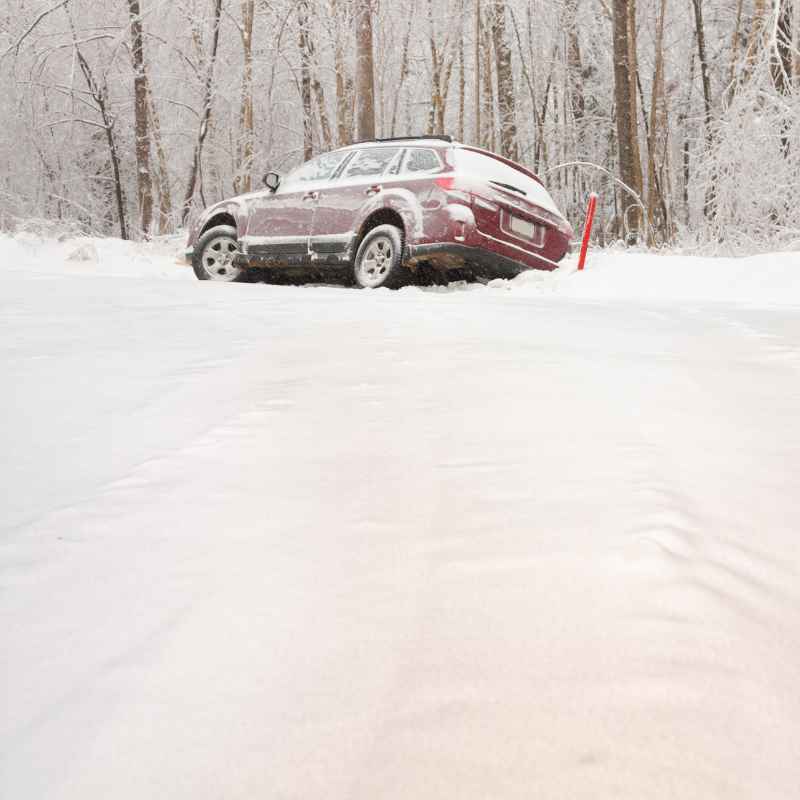
I remember one winter evening very clearly. I was driving home from a friend’s house. The sun had set, and the temperature had dropped fast.
I’d heard the weather report, but I thought I knew my car. I felt confident on the road. Then, I came up to a gentle curve.
I eased off the gas a bit, like I always did.
Suddenly, the steering wheel felt light. The back end of my car started to drift out. My heart leaped into my throat.
I could see a ditch to my right. My mind raced. Should I brake?
Should I steer into the skid? I instinctively eased off the gas more and made small steering corrections. It felt like an eternity, but the car slowly straightened out.
I pulled over, hands shaking. That moment taught me a huge lesson about respecting winter conditions.
Why Tires Matter Most
Good Tread Depth: Tires need deep grooves to push water and slush away. Shallow tread means water can get trapped under the tire. This reduces your grip.
Tire Pressure: Keep tires inflated correctly. Under-inflated tires don’t grip well. Over-inflated tires can lead to a harsher ride and less contact with the road.
Tire Type: All-season tires work okay in mild winter. Winter tires are made with special rubber that stays soft in cold. They have more biting edges for snow and ice.
Safe Driving Habits for Icy Roads
The best way to avoid sliding is to drive differently. Your usual habits won’t work on ice. Think about moving like a turtle.
Slow and steady wins the race. This means slowing down your speed significantly. What feels normal on dry roads can be too fast on ice.
Keep a big space between you and the car in front. Imagine a big bubble around your car. If the car ahead stops suddenly, you need lots of room to slow down.
On ice, braking takes much longer. Doubling or tripling your normal following distance is a good idea.
Be super gentle with your controls. This includes the gas pedal, the brake pedal, and the steering wheel. Every action should be smooth and gradual.
Jerky movements can easily break the tire’s grip. This causes a slide.
When you need to slow down, ease off the gas first. If you must brake, do it very softly. Feel how the car responds.
If you feel any hint of sliding, ease up on the brake. For steering, make small, slow turns. Avoid turning the wheel sharply or quickly.
Understanding Your Car’s Anti-Lock Braking System (ABS)
Many modern cars have ABS. This system helps prevent your wheels from locking up when you brake hard. When you brake hard, ABS pulses the brakes very quickly.
This allows you to keep some steering control. It also helps you stop in a shorter distance on slippery surfaces.
If your car has ABS, you’ll feel a pulsing or vibrating sensation in the brake pedal when it engages. You might also hear a grinding noise. This is normal.
Do not pump the brakes like you might have heard in older advice. Just press the brake pedal firmly and hold it down.
Keep your foot on the brake pedal. Steer around obstacles if you can. The ABS will help you maintain control.
It’s a crucial safety feature for winter driving. Knowing how it works and how it feels can save you in a bad situation.
Quick Checks Before You Go
Wiper Blades: Ensure they clear the windshield well. You need to see!
Headlights: Keep them clean. Winter days are dark. Poor visibility increases risk.
Fuel Level: Always keep your gas tank at least half full. You don’t want to run out on a cold road.
Fluid Levels: Check antifreeze and windshield washer fluid. Make sure they are full and appropriate for freezing temperatures.
When to Consider Winter Tires
Winter tires are a game-changer for ice and snow. They are designed for cold temperatures. Their rubber compound stays flexible when it’s very cold.
This gives them better grip than all-season tires.
The tread pattern is also different. Winter tires have deeper, wider grooves. They also have more small cuts, called sipes.
These sipes act like tiny teeth on the ice. They bite into the surface for extra traction. This can make a huge difference in stopping distance and control.
Most experts recommend switching to winter tires when the temperature consistently stays below 45 degrees Fahrenheit (about 7 degrees Celsius). They are particularly useful in areas with heavy snow or frequent ice. The investment in winter tires can be well worth it for peace of mind and safety.
The “Skid” and How to Counteract It
A skid happens when your tires lose their grip. There are a few types. A front-wheel skid means your front tires lose traction.
Your car will tend to go straight, even if you turn the wheel. A rear-wheel skid is when your back end slides out. This is what happened to me.
If your car starts to skid, the most important thing is not to panic. Resist the urge to slam on the brakes. This will only make the situation worse.
Instead, take your foot off the gas pedal. You want to let the car slow down naturally.
Now, steer gently in the direction you want the car to go. This is called steering into the skid. If your rear end is sliding to the left, gently steer to the left.
If it’s sliding to the right, steer to the right. As the car begins to straighten out, you’ll need to gently steer back to your original direction.
This takes practice. Many drivers never experience a true skid. Some driving schools offer skid control courses.
These can be very helpful. They teach you how to feel the skid and react correctly in a safe, controlled environment. It’s a valuable skill for anyone who drives in winter.
Myth vs. Reality: Winter Driving
Myth: Four-wheel drive (4WD) or all-wheel drive (AWD) means you can drive faster.
Reality: 4WD and AWD help you accelerate better and get moving from a stop. They do NOT help you steer or brake any better. Your stopping distance is still the same.
You can still slide easily.
Myth: Driving slowly is enough to stay safe.
Reality: Driving slowly is crucial. But you also need to be gentle with your controls. Sudden braking or steering can still cause a slide, even at low speeds.
Using Your Car’s Traction Control System
Traction control is another electronic helper. It works with ABS. If it detects a wheel is spinning too fast, it will reduce engine power.
It might also lightly apply the brake to that wheel. This helps regain traction.
Most cars have traction control turned on by default. You’ll often see a small light on your dashboard that looks like a car with wavy lines behind it. This light will flash when the system is working.
In some very deep snow or icy situations, you might want to turn traction control off. This is because the system tries to prevent wheel spin. Sometimes, a little bit of wheel spin is needed to get the car moving forward in deep snow.
Consult your car’s owner’s manual for specific advice on when and how to use your traction control system.
Dealing with Hills and Inclines
Hills are a major challenge on icy roads. Going uphill requires enough power to fight gravity and the slick surface. Going downhill requires control to prevent gaining too much speed.
When going uphill, maintain a steady, slow speed. Avoid stopping if you can. If you do have to stop, give yourself plenty of space before you restart.
You’ll need a gentle application of the gas to get moving again without spinning your wheels.
Going downhill on ice is much scarier. Use your brakes very lightly. Often, it’s better to downshift to a lower gear.
This uses engine braking to help control your speed. If your car has manual transmission, downshift. For automatic cars, there’s usually a “L” (low) or “2” or “1” setting on the gear shifter.
This keeps the car in a lower gear.
If you start to slide downhill, try to steer gently to keep the car pointed straight. Avoid braking hard. If you have ABS, apply firm pressure to the brake pedal.
Remember that the car behind you might also be struggling. Keep a very, very large distance from vehicles ahead of you on hills.
Scenarios Where Sliding is More Likely
Bridges and Overpasses: These freeze first and thaw last. They have cold air on both sides.
Shaded Areas: Spots that don’t get much sun stay colder. Ice forms and lingers longer there.
Intersections: Tires from many cars can leave behind moisture. When it freezes, it creates a slick patch.
Highways: Cars travel faster on highways. Even small slips can quickly turn into major accidents.
What to Do if Your Car Gets Stuck
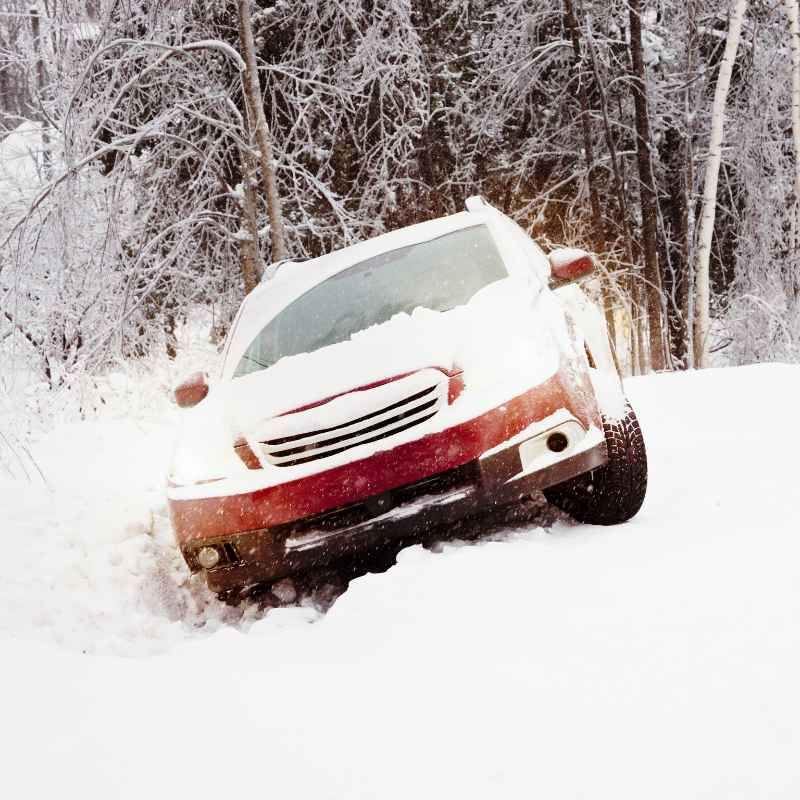
If you find yourself stuck in snow or ice, don’t panic. First, try to gently rock your car back and forth. Shift into a low gear (like “1” or “R” for reverse).
Gently apply gas. If it doesn’t move, try the other gear. This can sometimes break the wheels free.
If rocking doesn’t work, you can try putting something under your drive wheels for traction. Sand, salt, or even floor mats can help. Place them in front of the tires that are spinning.
Then, try to drive slowly onto them.
If you’re in a dangerous spot, turn on your hazard lights. Call for roadside assistance. Stay in your car if it’s safe to do so.
If you need to get out, be aware of traffic. Make sure you can be seen.
Checking Your Car’s Condition
Regular car maintenance is key to winter safety. Before winter arrives, get a thorough check-up. This includes checking your battery.
Cold weather drains batteries faster.
Your brakes should be in perfect working order. Have them inspected for wear and tear. Worn brake pads or rotors will give you less stopping power, which is dangerous on ice.
Your engine coolant should be topped up and have the correct antifreeze mix. This prevents your engine from freezing. Check your exhaust system too.
Snow and ice can block it, causing carbon monoxide to build up.
When Sliding is Concerning
Frequent Skids: If your car slides often, even at low speeds, it’s a problem.
Noisy Brakes: Grinding or squealing sounds mean your brakes need attention.
Poor Steering Response: If your car feels loose or unresponsive, have it checked.
ABS or Traction Control Lights: If these warning lights stay on, your systems aren’t working right.
Quick Tips for Preventing Slides
Slow Down: This is the single most important rule. Speed is your enemy on ice.
Increase Following Distance: Give yourself much more room to stop.
Be Gentle: Smooth acceleration, braking, and steering are vital.
Look Ahead: Scan the road for icy patches or other hazards.
Avoid Cruise Control: You need to be in full control of your speed.
Test Brakes Gently: After driving through water or slush, tap your brakes lightly to dry them out.
Know Your Car: Understand how your ABS and traction control systems work.
Frequently Asked Questions About Winter Car Slides
What is the most dangerous type of ice on roads?
Black ice is often considered the most dangerous. It’s very hard to see. It looks like a wet road surface, so drivers may not realize how slick it is.
This can lead to sudden loss of control.
Do I really need winter tires if I have a 4WD or AWD car?
Yes, you still need winter tires. 4WD and AWD help your car accelerate and get moving. They do NOT help with steering or braking.
Winter tires are designed to provide better grip in cold, icy, and snowy conditions, which is crucial for stopping safely and maintaining control.
How can I tell if my car is starting to slide?
You might feel a lightness in the steering wheel. The car might not respond as it normally does to your steering input. You could also hear your tires making a squealing or scraping sound.
The back end of the car might feel like it’s drifting out.
What should I do if my car starts to slide backwards down a hill?
If your car slides backwards down a hill, try to gently steer it so it’s facing downhill as much as possible. Avoid slamming on the brakes, as this can cause you to lose control completely. Use your engine to help slow down if you have a manual transmission by downshifting.
If you have ABS, apply steady pressure to the brake pedal.
Can I use sand or salt on my own driveway to help my car get traction?
Yes, using sand or salt on your driveway can help your car get traction. Sand provides a gritty surface for your tires to grip. Salt melts ice, but it works best when it’s not too cold.
For very icy conditions, sand is often more effective.
How often should I check my tire pressure in winter?
You should check your tire pressure at least once a month in winter. For every 10-degree Fahrenheit drop in temperature, tire pressure can decrease by about 1 PSI. Cold weather can cause tires to lose pressure faster.
Final Thoughts on Winter Safety
Winter driving demands respect. By understanding how ice affects your car and adopting safe driving habits, you can greatly reduce the risk of sliding. Always prioritize slow, smooth movements.
Maintain plenty of space. Keep your car in good condition. These steps work together to help you navigate winter roads more confidently.
Products related to this article
Sponsored / affiliate links. As an Amazon Associate I earn from qualifying purchases. I may earn additional commission from eligible campaigns.