Car Service Tips That Actually Save You Money
You know that moment. You’re sitting at a red light, and the check engine light pops on. Your stomach drops. Is it something minor, or are you looking at a four-figure repair bill? Most drivers react in one of two ways: they ignore it and hope it goes away, or they panic and book the first shop they can find. Both approaches cost money.
The truth is, car maintenance doesn’t have to be a guessing game. With a few solid habits and a basic understanding of what your car needs and when, you can avoid most breakdowns, extend your vehicle’s life, and keep more cash in your pocket. This guide walks you through a practical service strategy, not just a chore list.
ANCEL
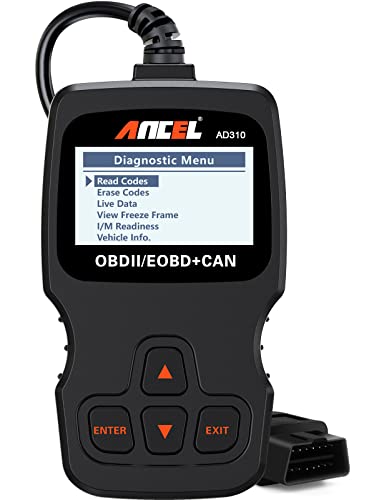
ANCEL AD310 Classic Enhanced Universal OBD II…
- CEL Doctor: The ANCEL AD310 is one of the best-selling OBD II scanners on the market and is recommended by Scotty Kilmer, a YouTub…
- Sturdy and Compact: Equipped with a 2.5 foot cable made of very thick, flexible insulation. It is important to have a sturdy scann…
- Accurate Fast and Easy to Use: The AD310 scanner can help you or your mechanic understand if your car is in good condition, provid…
You’ll learn what to check monthly, quarterly, and annually. You’ll understand what those dashboard warning lights actually mean. You’ll know when to DIY and when to call a pro. And you’ll see how to build a simple service log that pays off when you sell the car. Let’s get into it.
One tool that makes this whole process easier is a basic OBD2 scanner. The ANCEL AD310 OBD II scanner plugs into your car’s diagnostic port and reads the exact trouble code that triggered the check engine light. It’s a compact, sturdy device that connects directly to your vehicle, so you don’t need batteries or a charger. You can read and clear emission-related codes in seconds, which means you’ll walk into a repair shop knowing exactly what’s wrong instead of relying on their diagnosis alone.
Why Smart Car Service Saves You Money and Stress
Think about car service as an investment, not an expense. A $30 oil change today can prevent a $4,000 engine failure down the road. That’s not an exaggeration. Skipping routine maintenance is the single biggest factor in premature vehicle breakdowns.
Consider the math. A typical timing belt replacement costs between $500 and $1,000. If that belt snaps while you’re driving, it can destroy the engine’s internal components. A replacement engine easily runs $3,000 to $5,000. The difference between those numbers is a scheduled service you ignored.
Reliability isn’t just about avoiding breakdowns, though. A well-maintained car gets better fuel economy. Clean air filters, properly inflated tires, and fresh oil all reduce engine strain. Over a year, those small improvements can add up to hundreds of dollars in fuel savings.
There’s also the stress factor. Knowing your car is in good shape means you don’t dread long trips. You don’t worry about being stranded on the highway. That peace of mind is worth something, even if you can’t put a dollar figure on it.
Your driving habits change what your car needs. City driving with constant stop-and-go traffic wears brakes faster and puts more strain on the transmission. Highway driving at steady speeds is actually easier on most components. If you mostly drive in the city, you’ll need service more frequently than the owner’s manual suggests. If you’re mostly on the highway, you can often stretch intervals slightly.
The Essential Car Service Checklist (Grouped by Frequency)
Most owner’s manuals list service intervals in miles or months, whichever comes first. But life gets busy, and those schedules are easy to forget. Here’s a practical breakdown grouped by how often you should actually check things.
Monthly Checks: Fluids, Tires, and Lights
These are quick checks you can do in your driveway in under fifteen minutes. No tools required beyond maybe a rag.
Engine oil. Pull the dipstick, wipe it clean, reinsert it, and pull it out again. The oil should be between the two marks. It should look amber or light brown, not black and gritty. If it’s low, top it off. If it’s dirty, schedule an oil change. Most modern cars need an oil change every 5,000 to 7,500 miles, but check your manual.
Coolant level. Look at the overflow reservoir. The fluid should be between the minimum and maximum lines. Never open the radiator cap while the engine is hot, you’ll get a face full of boiling liquid. If the coolant is consistently low, you have a leak that needs attention.
Tire pressure. This is the one people skip most often, and it matters more than you think. Underinflated tires wear out faster, hurt fuel economy, and can overheat at highway speeds. The correct pressure is listed on a sticker inside the driver’s door frame, not on the tire sidewall. Check pressure when the tires are cold, meaning the car hasn’t been driven for at least three hours. A $10 digital gauge is worth owning.
Lights. Walk around the car and check every exterior light. Headlights, taillights, brake lights, turn signals, and reverse lights. Have a friend help with the brake lights, or back up to a wall and use the reflection. A burned-out bulb is a cheap fix and a ticket magnet if ignored.
Quarterly Checks: Filters, Belts, and Battery
Every three months or 3,000 miles, whichever comes first, spend a little more time under the hood.
Air filter. The engine air filter is usually in a black plastic box near the top of the engine. Open the clips, pull the filter out, and hold it up to the light. If you can’t see light through it, replace it. A clogged air filter reduces power and fuel economy. This is a five-minute job and a filter costs around $15 to $25.
Cabin air filter. This one filters the air coming into your cabin through the HVAC system. It’s behind the glove box or under the dashboard. If your vents smell musty or airflow seems weak, check it. Replacing it is a bit fiddly the first time, but it’s still a DIY job for most people.
Belts and hoses. Look at the serpentine belt for cracks, fraying, or glazing. Squeeze the hoses. They should feel firm, not soft or spongy. A broken belt leaves you stranded with a dead battery and an overheating engine. Hoses that are bulging or leaking need immediate replacement.
Battery terminals. Corrosion on the battery terminals looks like white or blue fuzzy powder. It can prevent the battery from charging properly. Clean it off with a wire brush and a mixture of baking soda and water. Make sure the connections are tight. A loose terminal can cause intermittent electrical problems that are hard to diagnose.
Annual or Mileage-Based Services: Brakes, Coolant, and Transmission
These are bigger jobs that happen once a year or at specific mileage intervals.
Brake inspection. You should have a professional check your brakes at least once a year. They’ll measure the thickness of the brake pads and inspect the rotors. Most front brake pads last 30,000 to 50,000 miles, but your driving habits matter. If you hear squealing or grinding, don’t wait for an inspection, get them checked now.
Coolant flush. Coolant doesn’t last forever. Over time, it becomes acidic and can corrode the cooling system from the inside. Most manufacturers recommend a flush every 30,000 to 50,000 miles or every 2 to 5 years. Check your owner’s manual for the specific interval. It’s a messy job, so many people leave this to a shop.
Transmission fluid. This is one of the most debated maintenance items. Some manufacturers say the fluid is “lifetime” and never needs changing. Others recommend a service every 30,000 to 60,000 miles. If you tow, drive in stop-and-go traffic, or have high mileage, err on the side of changing it. A transmission replacement costs thousands, while a fluid change is a few hundred at most.
How to Read Your Dashboard Warning Lights (Without Panicking)
Dashboard lights are color-coded for a reason. Green or blue lights are informational. Yellow or amber lights mean something needs attention soon. Red lights mean stop driving now.
Here’s what the most common ones actually mean:
- Check Engine Light (solid): Something is wrong with the engine or emissions system. It could be as simple as a loose gas cap or as serious as a failing catalytic converter. Get the code read and go from there.
- Check Engine Light (flashing): This is urgent. A flashing check engine light means the engine is misfiring badly, and unburned fuel is damaging the catalytic converter. Pull over and turn the car off.
- Oil Pressure Warning: This red light means oil pressure is dangerously low. Stop the car immediately and check the oil level. Driving with low oil pressure can destroy the engine in minutes.
- Battery/Charging Warning: The alternator isn’t charging the battery properly. You can usually drive for a while, but the car will eventually die. Get to a shop before that happens.
- Temperature Warning: The engine is overheating. Pull over safely, turn off the engine, and let it cool down. Check the coolant level once it’s safe to open the hood.
- Brake Warning: This could mean the parking brake is engaged, or the hydraulic brake system has a problem. If the light stays on with the parking brake released, get the brakes checked immediately.
- Tire Pressure Monitoring System (TPMS): One or more tires is significantly underinflated. Check the pressures and inflate to spec. The light will reset after you drive for a bit.
When you get a check engine light, the smartest move is to pull the code yourself. A basic OBD2 scanner like the ANCEL AD310 plugs into the port under the dashboard and tells you the exact code. That information lets you research the problem before you talk to a mechanic. It also prevents a dishonest shop from inventing a problem you don’t have.
Seasonal Car Care: Preparing for Winter and Summer
Extreme temperatures are hard on cars. A little seasonal preparation goes a long way.
Winter Prep
Cold weather is brutal on batteries. A battery’s cranking power drops significantly in freezing temperatures, and if it’s already weak, it’ll leave you stranded. Have the battery tested before winter hits. Most auto parts stores do this for free.
Check your antifreeze concentration. A 50/50 mix of coolant and water provides protection down to about -34 degrees Fahrenheit. If the concentration is off, the coolant can freeze and crack your engine block.
Switch to winter wiper blades. They have a rubber boot that prevents ice buildup. Also, use winter-grade washer fluid that won’t freeze on the windshield.
Check your tires. If you live in an area with snow, consider winter tires. They use a different rubber compound that stays flexible in cold weather, providing much better traction. At minimum, make sure your all-season tires have adequate tread depth.
Summer Prep
Heat is hard on the cooling system. Check the radiator and hoses for leaks or cracks before summer road trips. Make sure the cooling fan kicks on when the engine gets hot.
Your air conditioning system works harder in summer. If it’s blowing warm air, it might just need a refrigerant recharge, or it could have a leak. A professional can diagnose it. Don’t use those DIY recharge kits from the auto parts store, they can overpressurize the system and cause more damage.
Hot asphalt is tough on tires. Check pressure more frequently in summer, and inspect the sidewalls for bulges or cracks. Underinflated tires generate more heat and are more prone to blowouts.
DIY vs. Professional Mechanic: What to Tackle Yourself
Not every car service task requires a mechanic. Some jobs are easy, safe, and save you real money. Others are best left to professionals with the right tools and experience.
| Task | DIY Difficulty | Tools Needed | Cost Savings (DIY vs. Shop) | Risk If Done Wrong |
|---|---|---|---|---|
| Oil and filter change | Easy | Wrench, oil filter wrench, drain pan, jack stands | $30-$60 per change | Low. Overtightening the drain plug can strip threads. |
| Air filter replacement | Very Easy | Screwdriver or no tools | $10-$20 | Very Low. Hard to mess up. |
| Wiper blade replacement | Very Easy | None | $10-$15 | Very Low. |
| Battery replacement | Moderate | Wrench, battery terminal cleaner | $50-$100 | Moderate. Connecting cables in the wrong order can cause sparks or damage electronics. |
| Brake pad replacement | Hard | Jack, jack stands, socket set, caliper tool, torque wrench | $150-$300 per axle | High. Brake failure is a safety risk. |
| Coolant flush | Moderate | Drain pan, funnel, new coolant | $50-$100 | Moderate. Improper disposal of old coolant is illegal in many areas. |
| Transmission fluid change | Hard | Special tools, lift or ramps, precise fluid knowledge | $100-$200 | High. Using the wrong fluid can destroy the transmission. |
| Timing belt replacement | Very Hard | Extensive toolset, engine knowledge | $400-$800 | Extreme. A mistake means engine failure. |
Here’s my honest take. If you’re new to working on cars, start with the easy stuff. Oil changes, air filters, wiper blades, and battery swaps are great confidence builders. They’re hard to mess up, and the savings add up quickly.
Brakes and anything involving the cooling system or transmission are different. The tools alone cost more than the labor savings. Plus, a mistake in these areas can leave you stranded or cause an accident. That’s not worth saving a hundred bucks.
One more thing: when you do take your car to a shop, don’t just pick the cheapest place. Ask friends and family for recommendations. Check online reviews. Look for a shop that’s been in business for a while and has certified technicians. A good mechanic will explain what’s wrong, show you the worn parts, and give you a written estimate before doing any work.
How to Build a Simple Service Log That Boosts Resale Value
You don’t need a fancy app or a spreadsheet to track your car’s service history. A simple notebook in the glove box works fine. But if you want to maximize resale value, you need to be consistent.
Here’s what to record every time you do any maintenance:
- Date and odometer reading
- What service was performed
- Parts used (including part numbers)
- Who did the work (you or a shop)
- Cost
- Any receipts or invoices
Why does this matter? When you sell your car, a documented service history is gold. It proves to the buyer that the car was cared for. It shows that the oil was changed on time, the brakes were replaced, the coolant was flushed. That documentation can add hundreds, sometimes thousands, to your asking price.
It also helps you. When something goes wrong, you can look back and see when the last service was done. You’ll know if the part is still under warranty or if it’s time for a scheduled replacement.
There are also digital options. Apps like Fuelly or Car Minder let you track service and fuel costs on your phone. Many of them send reminders when maintenance is due. But a paper log works just as well. The key is consistency, not the format.
Frequently Asked Questions About Car Service
How often should I actually get an oil change?
It depends on your car and how you drive. Modern synthetic oil can easily go 7,500 to 10,000 miles between changes. Older cars with conventional oil need changes every 3,000 to 5,000 miles. Check your owner’s manual. If you do a lot of short trips, towing, or driving in extreme temperatures, change it more often.
Is it worth buying a cheap OBD2 scanner?
Yes, absolutely. A basic scanner like the ANCEL AD310 costs less than a single trip to a mechanic for a diagnostic. It pays for itself the first time you use it. You’ll know exactly what code is triggering the check engine light, and you can clear the code after you fix the problem.
Can I negotiate car service charges?
Sometimes. Independent shops are more flexible than dealerships. Ask for a discount on labor or ask if they can match a competitor’s quote. It never hurts to ask politely. You can also save money by supplying your own parts, though some shops won’t install customer-supplied parts. For more on this, check out this negotiation guide.
What’s the difference between a tune-up and a full service?
A tune-up traditionally meant replacing spark plugs, wires, and the distributor cap. Modern cars don’t need that as often. A full service usually includes an oil change, filter replacements, fluid top-offs, and a multi-point inspection. It’s a more comprehensive check of the vehicle’s major systems.
How do I know if a mechanic is ripping me off?
Ask questions. A reputable mechanic will explain the problem in plain language and show you the worn parts. Get a second opinion on any repair over $300. Check the shop’s reputation on Google and Yelp. And always get a written estimate before authorizing work.
Your Next Step: Create Your Personalized Service Schedule
You don’t need to memorize every interval or become a backyard mechanic. You just need a system. Here’s a simple way to build one:
- Open your owner’s manual and find the maintenance schedule. Write down the key intervals for oil, filters, coolant, transmission fluid, and brakes.
- Adjust those intervals based on your driving habits. City drivers and those who tow need service more often.
- Set reminders on your phone. Calendar alerts work fine. The goal is to never miss a scheduled service.
- Keep a log of everything you do. A paper notebook or a free app both work.
- Buy a basic OBD2 scanner and keep it in your glove box. It’ll save you money and stress the first time that check engine light comes on.
- Find a trustworthy mechanic before you need one. Ask around, read reviews, and visit the shop. A good relationship with a mechanic is worth its weight in gold.
- Don’t ignore warning lights. A small problem today is a big repair bill tomorrow.
Car maintenance is about consistency, not perfection. You don’t have to be an expert. You just have to be attentive. Do the simple checks on time, address problems when they’re small, and keep records. Your car will last longer, run better, and cost you less in the long run.
For more guidance on building a routine, take a look at these simple maintenance tips. And if you’re wondering about the best places to get your car serviced, this trusted service spots guide covers your options.
Products related to this article
Sponsored / affiliate links. As an Amazon Associate I earn from qualifying purchases. I may earn additional commission from eligible campaigns.