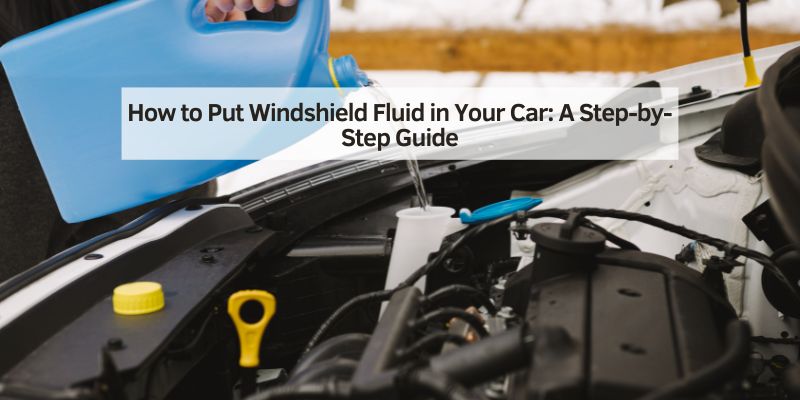
How to Put Windshield Fluid in Your Car: A Step-by-Step Guide
Hey there! If you’ve ever wondered, “How do I put windshield fluid in my car?” you’re in the right place. I’ve been there, staring under the hood, trying to figure out where that blue liquid goes to keep my windshield clean. It’s one of those simple car maintenance tasks that can make a big difference, especially when you’re driving through rain, snow, or a bug-filled summer evening.
I’ve learned the ins and outs of windshield fluid through years of topping off my cars, and I’m excited to share my experience with you. Whether you’re a new driver or just want to brush up on the basics, this guide will walk you through everything you need to know about adding windshield fluid, keeping your visibility clear, and avoiding common mistakes. Let’s get started and make sure your windshield stays spotless!
What Is Windshield Fluid and Why Does It Matter?
Windshield fluid, also called washer fluid, is a special liquid that cleans your car’s windshield when you press that little button on your steering column. It’s usually a mix of water, detergent, and sometimes antifreeze to handle tough grime, bugs, and ice. I remember the first time I ran out of fluid on a muddy road trip—my windshield was a mess, and I couldn’t see a thing! That’s when I realized how important it is to keep the reservoir full.
This fluid isn’t just about keeping things clean. It helps you see clearly in bad weather, which is crucial for safe driving. Whether it’s rain, snow, or a swarm of bugs, windshield fluid ensures you can clear your windshield fast. Running out can be a real hassle, and in some cases, it can even be dangerous. Plus, it’s super easy to add, so there’s no excuse for letting it run low. Let’s dive into when and how to check and fill it.
When Should You Add Windshield Fluid?
I’ve learned to keep an eye on my windshield fluid to avoid getting caught with a dirty windshield. Here’s when I know it’s time to add more:
- Low Fluid Warning Light: Many cars have a dashboard light that looks like a windshield with a spray. When mine lit up, I knew the reservoir was low.
- Weak or No Spray: If you press the washer button and get a weak spray or nothing at all, like I did on a dusty road, you need to refill.
- Dirty Windshield That Won’t Clear: If your wipers smear dirt instead of cleaning it, low fluid might be the issue.
- Seasonal Changes: I top off before winter to ensure I have fluid that won’t freeze. Summer bugs also mean I use more fluid, so I check it often.
- Routine Maintenance: I check my fluid every time I fill up my gas tank or change my oil. It’s a quick habit that keeps me prepared.
If you notice any of these signs, it’s time to add windshield fluid. I keep a jug in my trunk so I’m never caught off guard.
How to Check Your Windshield Fluid Level
Checking your windshield fluid is one of the easiest car maintenance tasks, and I do it regularly to stay ahead of problems. Here’s how I check mine:
- Park Your Car Safely: I park on a flat surface and make sure the engine is off. It’s safe to check fluid even if the engine’s warm, unlike coolant.
- Pop the Hood: I pull the hood release lever inside my car and lift the hood. Most cars have a latch under the front of the hood to secure it.
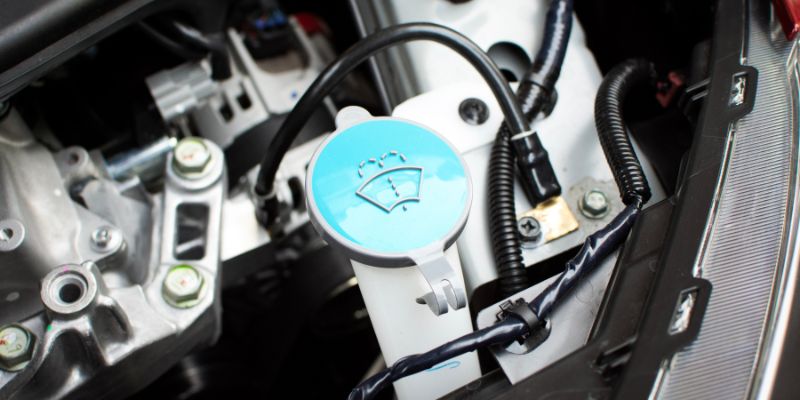
- Find the Reservoir: The windshield fluid reservoir is usually a clear plastic tank with a cap that has a windshield or spray symbol. Mine’s near the front of the engine bay, but check your owner’s manual if you’re unsure.
- Look at the Level: The reservoir has “min” and “max” lines. If the fluid is below the “min” line, it’s time to add more. I’ve found mine low a few times after heavy rain.
- Check the Fluid’s Condition: Good fluid is usually blue and clear. If it looks dirty or has debris, consider draining and refilling the reservoir.
It takes less than a minute to check, and it’s a habit that’s saved me from blurry windshields on long drives.
Choosing the Right Windshield Fluid
Not all windshield fluids are the same, and I’ve learned to pick the right one for my needs. Here’s a breakdown of the types I’ve come across:
| Fluid Type | Description | Best For |
|---|---|---|
| All-Season Fluid | Basic fluid for general cleaning. Usually blue and affordable. | Mild climates, everyday driving. |
| Winter/De-Icing Fluid | Contains antifreeze (like methanol) to prevent freezing and melt ice. | Cold climates, winter driving. |
| Bug-Removal Fluid | Formulated to dissolve bug splatter and tough grime. | Summer driving, rural areas. |
| Concentrated Fluid | Needs to be diluted with water. Offers flexibility for different conditions. | Budget-conscious drivers, custom mixing. |
I live in a place with cold winters, so I use winter fluid from November to March to prevent freezing. In summer, I switch to bug-removal fluid because those splattered bugs can be stubborn. Always check your car’s manual to make sure the fluid is compatible, but most vehicles can use any standard windshield fluid. I buy mine at auto stores or even gas stations for $3–$10 a gallon.
How to Put Windshield Fluid in Your Car
Adding windshield fluid is so easy, I wish I’d learned it sooner. Here’s how I do it:
- Gather Your Supplies: I grab a jug of windshield fluid, a funnel, and a rag for spills. A funnel keeps things neat, but you can skip it if you’re careful.
- Park and Open the Hood: I park on a flat surface and pop the hood. It’s a quick task, so I often do it at the gas station.
- Locate the Reservoir: I find the windshield fluid tank, usually marked with a windshield symbol. It’s easy to spot once you know what to look for.
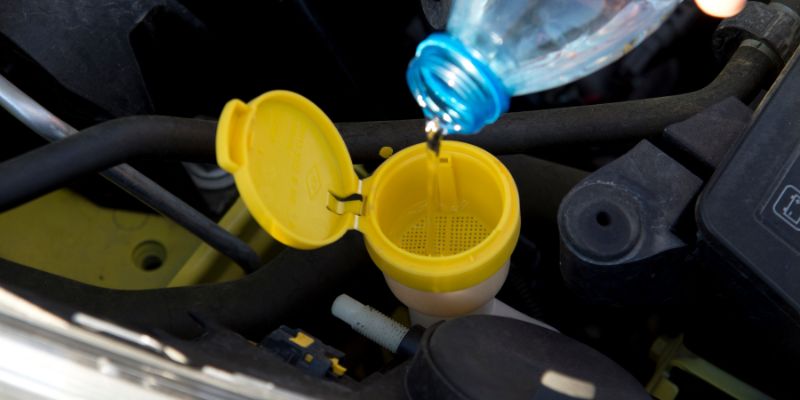
- Remove the Cap: I twist off the cap and set it aside. Some caps have a dipstick, but most are just simple lids.
- Pour the Fluid: I pour the fluid slowly into the reservoir until it reaches the “max” line. If I’m using concentrated fluid, I mix it with distilled water first—usually a 50/50 mix for all-season use or full-strength for winter.
- Clean Up Spills: I wipe any spills with a rag to avoid sticky residue. I spilled fluid once and learned my lesson—it’s messy!
- Secure the Cap and Close the Hood: I make sure the cap is tight, then close the hood firmly.
I topped off my fluid last week in about 5 minutes. It’s a quick win that keeps my windshield crystal clear.
Common Mistakes to Avoid
I’ve made a few blunders when adding windshield fluid, so let me save you some trouble. Here’s what to watch out for:
- Using the Wrong Fluid: I once poured coolant into the windshield reservoir by mistake—yep, rookie move! Double-check the label and reservoir cap.
- Overfilling the Reservoir: Filling past the “max” line can cause leaks or pressure issues. I did this once and had fluid dripping out.
- Using Tap Water: Tap water can leave mineral deposits or freeze in winter. I stick with windshield fluid or distilled water for mixing.
- Not Cleaning Spills: Spilled fluid is sticky and attracts dirt. I always keep a rag handy to wipe up.
- Ignoring the Season: Using all-season fluid in freezing weather can cause it to freeze. I learned to switch to winter fluid after my wipers stopped working in a snowstorm.
Avoiding these mistakes keeps the process smooth and your car in top shape.
Tips for Maintaining Your Windshield Washer System
I’ve picked up a few tricks to keep my windshield washer system working perfectly. Here’s what I do:
- Check the fluid level every month or when you fill up your gas tank.
- Test your washers regularly to make sure they spray evenly. I had a clogged nozzle once and fixed it with a pin.
- Keep a jug of windshield fluid in your trunk for emergencies.
- Clean your windshield regularly to reduce strain on the washer system.
- Inspect the reservoir and hoses for cracks or leaks, especially in older cars.
These habits have kept my windshield clear and my washer system trouble-free.
When to Call a Professional
Adding windshield fluid is a simple DIY task, but sometimes the washer system has bigger issues. If your washers don’t spray even after refilling, you might have a clogged nozzle, a broken pump, or a leak. I had a clogged nozzle once and fixed it by poking it with a pin, but a pump issue stumped me. A mechanic diagnosed a faulty pump and fixed it for $150. Professional repairs for washer systems typically cost $50–$300, depending on the problem. If you’re not comfortable troubleshooting, a quick trip to the shop is worth it.
Cost of Windshield Fluid and Maintenance
Windshield fluid is one of the cheapest parts of car maintenance. A gallon costs $3–$10, and I usually go through a couple of gallons a year. If you’re mixing concentrated fluid, a gallon of distilled water is about $1. Fixing a clogged nozzle or leak might cost $50–$100 at a shop, while a new washer pump can run $100–$300. I budget about $20 a year for fluid and rarely need repairs, making it an easy way to keep my car in good shape.
Why Windshield Fluid Matters for Safe Driving
Keeping your windshield fluid topped off isn’t just about convenience—it’s about safety. A clear windshield is crucial for seeing the road, especially in bad weather or at night. I’ve driven through rainstorms where my washers saved the day, clearing away mud and grime in seconds. Running out of fluid can leave you with a blurry windshield, increasing the risk of accidents. Plus, a well-maintained washer system protects your wipers from wear and keeps your car looking sharp.
My Personal Windshield Fluid Story
Let me share a quick story. A couple of summers ago, I was driving through a rural area when a swarm of bugs turned my windshield into a polka-dot mess. I hit the washer button, and… nothing. I’d run out of fluid and hadn’t checked it in months. I had to pull over at a gas station, buy a jug of fluid, and top it off in a hurry. Since then, I’ve made it a habit to check my fluid regularly and keep a spare jug in my trunk. It’s a small task that’s saved me from plenty of blurry windshields.
Conclusion
So, how do you put windshield fluid in your car? It’s as simple as finding the reservoir, pouring in the right fluid, and keeping it topped off. I’ve learned through messy spills and blurry windshields that this easy task is a game-changer for safe driving. By checking your fluid regularly, choosing the right type for your climate, and avoiding common mistakes, you can keep your windshield crystal clear and your car ready for any adventure. I hope my tips make this process a breeze for you. Grab a jug of fluid, pop that hood, and give your car the care it deserves. Here’s to clear views and happy drives!
Frequently Asked Questions
How often should I check my windshield fluid?
I check mine every month or when I fill up my gas tank. It’s quick and keeps me prepared.
Can I use water instead of windshield fluid?
I wouldn’t. Water can freeze in winter or leave deposits. I use windshield fluid or mix it with distilled water.
What do I do if my washers don’t spray?
I had this issue with a clogged nozzle. Try poking it with a pin. If that doesn’t work, check the fluid level or see a mechanic for pump issues.
How much windshield fluid do I need?
Most reservoirs hold about a gallon. I fill to the “max” line and keep a spare jug for top-ups.
Can I use the same fluid year-round?
In mild climates, yes. I switch to winter fluid in cold months to prevent freezing, especially after a snowstorm caught me off guard.
How much does it cost to fix a washer system?
A clogged nozzle fix cost me $50 at a shop. A new pump can run $100–$300, but fluid itself is just $3–$10 a gallon.