How to Defrost a Car Quickly: The Fastest Safe Methods That Actually Work
You’re already late. You rush outside, coffee in hand, and the windshield is a solid sheet of frost. The clock is ticking, and the only thing between you and the road is a stubborn layer of ice. Everyone has been there, and the usual advice — scrape, spray, wait — often feels slow and messy. But there’s a better way, and it’s not about brute force.
This guide breaks down the fastest, safest methods to defrost your car, backed by the physics of ice and real-world testing. You’ll learn a 5-step routine that clears a typical windshield in under two minutes, a DIY de-icer that beats most store-bought sprays, and the critical mistakes that cost you time or crack your glass. By the end, you’ll know exactly what to do on the coldest mornings.
PLACHIDAY
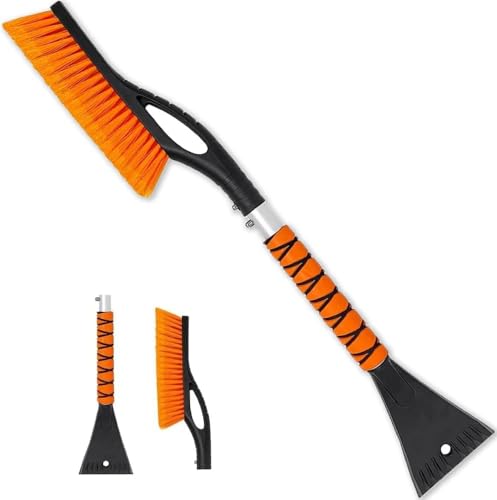
PLACHIDAY Snow Brush & Ice Scraper, 27…
- DESIGNED FOR CAR PAINT PROTECTION : Our brush heads have a lighter color and finer texture due to the polishing process. Each brus…
- ROBUST : The high-strength ABS shaft, PC bristles, and EVA cotton handle are carefully designed to withstand temperatures as low a…
- SWEEP & SCRAPE : Clear your windshield of snow and ice with ease! Our product features integrated knuckles for breaking up ice and…
One tool that makes the whole process easier is a quality ice scraper and snow brush combo. The PLACHIDAY Snow Brush & Ice Scraper is a solid choice because it combines a soft brush for paint-safe snow removal with an integrated ice scraper, so you don’t need to switch tools. It’s built for cold weather and stores compactly when you detach the two pieces.
Why Ice Forms and the Physics of Melting It Fast
Ice forms when moisture on your windshield freezes. That moisture comes from humidity in the air, dew, or even residual water from a morning rinse. When the surface temperature drops below 32°F (0°C), that water turns to ice. The thickness of the ice depends on how much moisture was present and how cold it got.
To melt ice quickly, you need to raise its temperature above freezing. But there’s a catch: the glass underneath is also cold. If you introduce heat too fast, the glass expands unevenly and can crack. That’s why the method matters as much as the speed.
Here’s where the science gets practical. Ice melts faster when you apply heat directly, but the rate of melting also depends on the surface area. A thin layer of ice melts quicker than a thick one, which is why prevention is your best friend. But when you’re already late, you need a technique that works on the ice you have.
The 5-Step Speed Defrost Method (Do This First)
This routine is the fastest way to clear a windshield without risking damage. It combines heat, chemistry, and mechanical scraping. Follow the steps in order, and you’ll be on the road in about two minutes.
Step 1: Start the Engine and Set the Climate Control
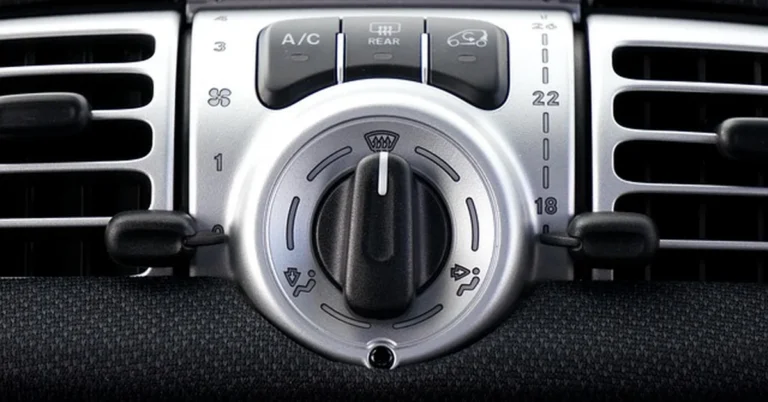
Turn on your engine and set the heater to the highest temperature. Then, turn the fan to maximum and switch the air flow to the windshield defroster setting. Make sure the air conditioning is on — yes, even in winter. The AC compressor removes moisture from the air, which helps prevent fogging as the glass warms. If your car has a rear defroster, turn that on too, along with the heated mirrors if you have them.
While the engine warms up, the heater will gradually bring the windshield to a temperature where ice starts to release its grip. This takes about 30 to 60 seconds, depending on how cold it is. You can also use a remote start if you have one, but never leave the car unattended with the engine running in an enclosed space.
Step 2: Apply the Right Chemical Solution
While the defroster runs, spray a de-icer solution over the icy areas. You can use a commercial de-icer or the DIY recipe below. The key is to cover the entire windshield evenly. The chemicals lower the freezing point of water, causing the ice to melt from the edges inward.
Let the de-icer sit for about 15 to 30 seconds. You’ll see the ice start to bubble and loosen. Don’t spray on a frozen windshield if the temperature is below -20°F (-29°C), because some commercial sprays can freeze before they work. In that case, rely more on the heater and scraping.
Step 3: The Correct Scraping Technique
Use a plastic ice scraper — never metal, which can scratch glass. Hold the scraper at a 45-degree angle to the windshield and push with even pressure. Start from the top and work your way down. The loosened ice should come off in sheets. For stubborn spots, use the scraper’s chisel edge to break the ice into smaller pieces.
If you have a snow brush, clear the snow off the hood, roof, and mirrors first. That prevents snow from sliding onto your freshly cleared windshield as you drive. The PLACHIDAY brush has a soft bristle that won’t scratch paint, so you can use it on the whole car without worry.
The DIY De-Icer Recipe (Better Than Store-Bought)
Commercial de-icers work, but they’re mostly water with a little alcohol. You can make a more effective version at home for pennies. The secret is using 70% isopropyl alcohol, which freezes at around -5°F (-21°C) and melts ice on contact. The rubbing alcohol breaks the bond between the ice and the glass, making it easy to scrape.
Here’s the recipe: Mix one part water with two parts 70% isopropyl alcohol in a spray bottle. Add a few drops of dish soap — about 1 teaspoon per cup of solution. The soap reduces surface tension, helping the liquid spread evenly and penetrate the ice faster.
Shake the bottle gently, then spray the solution on your windshield. You’ll see the ice start to dissolve within seconds. This mixture is safe for your car’s paint and glass, and it’s much cheaper than buying a commercial spray every week. It also works on frozen door locks — just squirt a little into the keyhole and wait a few seconds.
One caveat: keep this solution away from your car’s interior. Alcohol can damage plastic trim and leather if it sits too long. Store it in the garage, not in the car, because it can freeze in the trunk during extreme cold.
The “Hot Water” Myth: What Actually Happens to Your Glass
You’ve probably seen people pour hot water on a frozen windshield to melt the ice instantly. It works — but it also cracks the glass more often than not. The reason is thermal shock. The hot water heats the outer layer of the glass rapidly, while the inner layer stays cold. That rapid expansion creates stress fractures, and the glass can shatter into a spiderweb of cracks.
Lukewarm water is slightly safer, but it’s still risky. If the glass is very cold, even warm water can cause stress. The safest approach is to use a chemical de-icer or the defroster. If you’re desperate and have no other option, use cold water from a hose — it will melt the ice but take longer, and you’ll need to dry the windshield quickly to prevent refreezing.
Another common mistake is using a credit card or an old CD to scrape ice. These are too flexible and can break, leaving plastic shards on your windshield. They also don’t have a sharp edge to cut through thick ice. Stick with a proper ice scraper.
How to Defrost Mirrors, Locks, and Wipers
Your windshield isn’t the only thing that freezes. Side mirrors, door locks, and wiper blades all need attention on cold mornings. Here’s how to handle each one quickly and safely.
Mirrors: If your car has heated mirrors, turn them on along with the rear defroster. If not, spray them with the DIY de-icer and wipe them off. You can also use a plastic scraper, but be gentle — mirror glass is thinner and more fragile than a windshield.
Door locks: Frozen locks are a classic winter nuisance. Use a commercial lock de-icer or the DIY alcohol spray. Insert the nozzle into the keyhole and give it a short burst. Wait a few seconds, then try the key. If the lock is still stuck, repeat. Never pour hot water on a lock — it can freeze again and cause more damage.
Wiper blades: Frozen wipers can tear or leave streaks. Lift them off the glass before you start the car, if they’re not frozen to the windshield. If they are, use the de-icer to loosen them, then gently lift. Never use the wipers on dry ice — it burns out the motor. After you clear the windshield, replace the blades if they show signs of wear.
The 5-Minute Overnight Prevention Routine
The easiest way to defrost a car quickly is to not have ice in the first place. A few minutes of preparation the night before saves you ten minutes in the morning. Here’s a routine that works even in sub-zero temperatures.
First, clean your windshield in the evening. Dirt and grime give ice something to grip, so a clean surface freezes less. Second, use a windshield cover. A simple tarp or a purpose-made cover can be draped over the glass and secured with the wipers or magnets. In the morning, just pull it off — ice and snow come with it. If you don’t have a cover, place two old bath mats or towels over the windshield and secure them with the wipers.
Third, lift your wiper blades off the glass. This prevents them from freezing to the windshield and makes it easier to clear the glass in the morning. Fourth, park facing east if you can. The morning sun will help melt frost faster, even on the coldest days. Finally, keep a spray bottle of the DIY de-icer in your garage or house, not in the car.
Common Mistakes That Slow You Down or Damage Your Car
Even experienced drivers make these errors. Avoiding them will save you time and money.
- Using the wipers to clear ice. Running the wipers on a frozen windshield tears the blades and can burn out the motor. Always clear the ice manually first.
- Starting the car and letting it idle for 20 minutes. This wastes fuel and warms the engine slowly. Instead, drive gently after a minute or two of idling, as long as your visibility is clear.
- Pouring hot water on the glass. We covered this — it’s the number one cause of cracked windshields in winter.
- Scraping with a metal tool. Metal edges scratch glass and can leave permanent marks.
- Forgetting the rear window. A clear rear window is essential for safety. Use the rear defroster or scrape it too.
- Ignoring the fog. If your windows fog up as you drive, turn on the AC and the defroster. The AC removes moisture, and the heater warms the glass. This is the fastest way to clear fog.
Safety and Legal Risks of Driving with a Frosty Windshield
Driving with a partially cleared windshield is dangerous and often illegal. In many states, you can be fined for driving with ice or snow on your windows, hood, or roof. The fine can range from $50 to $500, depending on where you live. More importantly, a frosty windshield severely reduces your visibility, increasing the risk of accidents.
Police can stop you for any obstruction of your view, even if it’s just a small patch of ice. Some states, like New Hampshire, have specific laws that require you to clear all snow and ice from your vehicle before driving. Others, like Pennsylvania, can fine you for driving with snow on your roof that could slide off and hit another car.
The practical rule is simple: if you can’t see clearly out of every window, you shouldn’t drive. That includes the windshield, side windows, and rear window. Take the extra minute to clear everything, even if you’re running late.
Frequently Asked Questions (FAQs)
How long does it take to defrost a car?
With the 5-step method above, you can clear a standard windshield in about 1 to 2 minutes. If you use a commercial de-icer or the DIY spray, the ice melts within 30 seconds, and scraping takes another minute. If you rely only on the car’s defroster, expect 5 to 10 minutes, depending on the outside temperature and the thickness of the ice.
Can you use salt to defrost a windshield?
Salt lowers the freezing point of water, so it can melt ice, but it’s a bad idea for your car. Salt is corrosive and can damage your paint, metal, and the rubber seals around your windshield. It also leaves a white residue that’s hard to remove. Stick with alcohol-based de-icers or the DIY recipe.
Should I use hot or cold air on my windshield?
Use hot air from the defroster, but start with the fan on low and gradually increase the heat. This prevents the glass from cracking due to sudden temperature changes. If you have AC, turn it on — it removes moisture and prevents fogging. Cold air works too, but it’s slower and less effective when the glass is frozen.
Is it safe to drive with a frozen windshield if I can see a little?
No. Even a small patch of ice can obscure your view of pedestrians, cyclists, or other vehicles. And it’s illegal in many places. Clear the entire windshield, including the side and rear windows, before you move the car.
What’s the best way to prevent ice on my windshield overnight?
Use a windshield cover or a towel secured under the wipers. Clean the glass in the evening, and lift the wipers. Parking in a garage or facing east also helps. If you have a remote start, you can start the car a few minutes before you leave, but never leave it running in an enclosed space.
What to Remember on the Next Cold Morning
- Start the engine and set the defroster to high heat with the AC on — it removes moisture and speeds up melting.
- Spray a de-icer (DIY or commercial) and let it sit for 15–30 seconds before scraping.
- Use a quality plastic ice scraper with a brush — it’s faster and safer than improvised tools.
- Never pour hot water on the windshield; thermal shock can crack the glass.
- Clear all windows, mirrors, and lights before driving — it’s the law in many states.
- Prevent ice overnight with a cover or towels, and lift your wipers.
- Keep a spray bottle of the DIY de-icer in your house, not your car, so it doesn’t freeze.
For more winter car care tips, check out our guide on defrosting your car quickly and learn how long it takes to defrost a car from snow. If you’re dealing with foggy windows, our article on fixing car AC leaks might also help.
Products related to this article
Sponsored / affiliate links. As an Amazon Associate I earn from qualifying purchases. I may earn additional commission from eligible campaigns.