How to Relieve Fuel Pressure Safely Without Starting the Engine
If you’re new to car repairs, figuring out How to Relieve Fuel Pressure Without Starting the Car Safely can seem tricky. It’s a common challenge for beginners working on their fuel systems. Don’t worry, it’s safer than you might think. This guide will show you a simple, step-by-step method to do it right. Next, you’ll learn exactly what tools you need and the exact steps to follow for different car types.
What You Need and Why It Matters
Before you begin any work on your car’s fuel system, you need to know how to manage the pressure inside. Fuel systems operate under pressure, and this pressure must be released before you can safely disconnect fuel lines or work on components like the fuel pump or fuel injectors. Trying to do this without relieving the pressure can lead to fuel spraying out, which is a fire hazard and can cause injury. This section will look at the tools you need and the importance of having them.
Essential Tools for the Job
You’ll need some specific tools to safely release fuel pressure. These tools are readily available at most auto parts stores and are designed to make the process simple and safe. Using the right tools protects you and your car.
- Safety Glasses: Fuel can spray unexpectedly, so protect your eyes. Always wear safety glasses when working with fuel lines.
- Gloves: Protect your skin from contact with fuel, which can cause irritation. Nitrile gloves are a good choice.
- Shop Towels: Have these on hand to clean up any spills. Fuel evaporates quickly, but it’s still important to keep your workspace clean.
- Fuel Pressure Gauge (Optional): While not always necessary, a fuel pressure gauge can confirm that the pressure has been completely relieved.
These tools are essential because they prevent accidents and make the job easier. Proper tools are always the key to any successful job.
The Importance of Safety Gear
Safety glasses and gloves are more than just suggestions; they are necessary for your safety. Gasoline can cause eye and skin irritation, and even short exposure can be uncomfortable. It’s always best to be prepared. Think of it like wearing a seatbelt. It is better to have it and not need it, than need it and not have it.
- Eye Protection: Gasoline can splash and irritate your eyes. Safety glasses or goggles are necessary.
- Hand Protection: Fuel can dry out your skin and cause irritation. Gloves also prevent fuel absorption through your skin.
- Workspace Preparation: Work in a well-ventilated area away from open flames. Have a fire extinguisher nearby.
- Preventing Spills: Keep shop towels ready to clean up any fuel spills immediately. A clean workspace reduces risks.
Your safety is the priority. These steps make the process safe, preventing fires or personal injury.
Releasing Fuel Pressure Step-by-Step for Different Car Types
The process to How to Relieve Fuel Pressure Without Starting the Car Safely varies a little based on your car. The main difference lies in how you access the fuel system and the specific methods used to depressurize it. This section breaks down the steps for several common car types.
Cars with a Schrader Valve
Many modern cars have a Schrader valve, similar to the valve on a tire. This valve provides a straightforward way to release fuel pressure. This is often the easiest method for cars that have this feature, but every car model differs in its exact location.
- Locate the Schrader Valve: This valve is usually found on the fuel rail, a metal tube that runs along the engine. Check your car’s service manual or search online to find its exact location. The valve will have a small black cap.
- Gather Your Tools: You will need safety glasses, gloves, and a shop towel. You might also want a fuel pressure gauge to confirm pressure release.
- Prepare the Area: Place shop towels around the Schrader valve to catch any fuel spray.
- Remove the Cap: Carefully unscrew the cap from the Schrader valve.
- Release the Pressure: Press the valve core (the small pin inside the valve) with a fuel pressure release tool or a small screwdriver. Fuel will spray out. Use the shop towels to catch any fuel.
- Check the Pressure: If you have a fuel pressure gauge, connect it to the Schrader valve to confirm that the pressure has dropped to zero. If you don’t have a gauge, listen for hissing or spray; it should stop quickly.
Always double-check to make sure pressure is fully relieved before working on any fuel system components.
Cars Without a Schrader Valve
Cars without a Schrader valve require a slightly different approach. These vehicles usually require you to disconnect the fuel pump relay or fuse and then start the car to run the engine until the fuel pressure drops. This method also works for vehicles where you cannot find the Schrader valve.
- Identify the Fuel Pump Relay or Fuse: Consult your car’s owner’s manual to locate the fuel pump relay or fuse. This can prevent the fuel pump from running, allowing the engine to use up the fuel in the lines.
- Remove the Relay or Fuse: Take out the fuel pump relay or fuse. Make sure you know which one is the fuel pump’s.
- Try to Start the Car: Attempt to start the car. The engine should crank but not start, because the fuel pump is disabled. The engine will run until the fuel pressure is depleted.
- Crank the Engine Again: After the car has not started, try cranking the engine for a few seconds.
- Turn off the Ignition: Once the engine fails to start, turn the ignition off. This means the fuel pressure has been safely relieved.
This process ensures that the fuel lines are depressurized before you start working on any fuel system components.
Advanced Techniques and Cautionary Measures
In certain scenarios, you might need to use advanced methods to relieve fuel pressure. It’s crucial to exercise extra caution in these cases. Sometimes, car models have additional safety features or hidden components that must be addressed.
- Consult Your Service Manual: Always consult your car’s service manual for specific instructions. Every car model is slightly different, and the manual is the best resource.
- Check for Hidden Valves: Some cars may have secondary fuel pressure relief valves or components. Make sure to identify and address all possible pressure points.
- Environmental Factors: Work in a well-ventilated area. Avoid any potential ignition sources.
- Professional Assistance: If you’re not comfortable with any of these steps, seek help from a professional mechanic.
- Proper Fuel Disposal: Always dispose of any drained fuel responsibly, following local regulations.
These extra precautions and techniques can prevent unexpected events and ensure the fuel system is depressurized safely.
Common Mistakes to Avoid
There are some common errors people make that can create problems when attempting to How to Relieve Fuel Pressure Without Starting the Car Safely. Being aware of these errors can help you avoid them, making the process smoother and safer.
Using the Wrong Tools
Using the wrong tools is a common mistake that can lead to injury and damage. Make sure you have the correct tools for your car’s make and model. Using the wrong tool can damage the fuel lines or components, or it can lead to fuel spray that you are not prepared to contain.
- Incorrect Size Tools: Using tools that don’t fit correctly. Using the wrong size can strip fittings and cause leaks.
- Using Homemade Tools: Avoid using makeshift tools. They may not work and can be unsafe.
- Not Having a Fuel Pressure Release Tool: If your car has a Schrader valve, use the correct tool to release pressure. It can prevent fuel spray.
Using the right tools reduces the risk of leaks and other safety issues. This is always a priority, and it can save you time and money.
Ignoring Safety Procedures
Ignoring safety procedures is very dangerous. Never skip these steps. They protect you from harm and help you do the job right. Ignoring the steps can lead to severe injury.
- Bypassing Safety Glasses and Gloves: Always wear safety glasses and gloves. Fuel is dangerous to the eyes and skin.
- Working Near Flames or Sparks: Never work near open flames or sparks. Fuel is highly flammable.
- Working in a Confined Space: Ensure you’re working in a well-ventilated area. Fuel vapors can be harmful.
- Not Having a Fire Extinguisher: Always have a fire extinguisher nearby.
Always put safety first. Following these guidelines helps you complete the process with the lowest risks.
Real-World Examples and Scenarios
Real-life examples can illustrate the challenges and practical aspects of How to Relieve Fuel Pressure Without Starting the Car Safely. The following examples show how the methods apply in various situations.
Case Study 1: Replacing a Fuel Filter
A car owner wanted to
- Find the Schrader valve on the fuel rail.
- Attach a fuel pressure gauge to the valve.
- Carefully release the fuel pressure.
- Confirm that pressure is zero using the gauge.
- Disconnect and safely remove the old fuel filter.
This situation shows how to do things right with the right tools. It also shows why it’s always best to be prepared.
Case Study 2: Working on Fuel Injectors
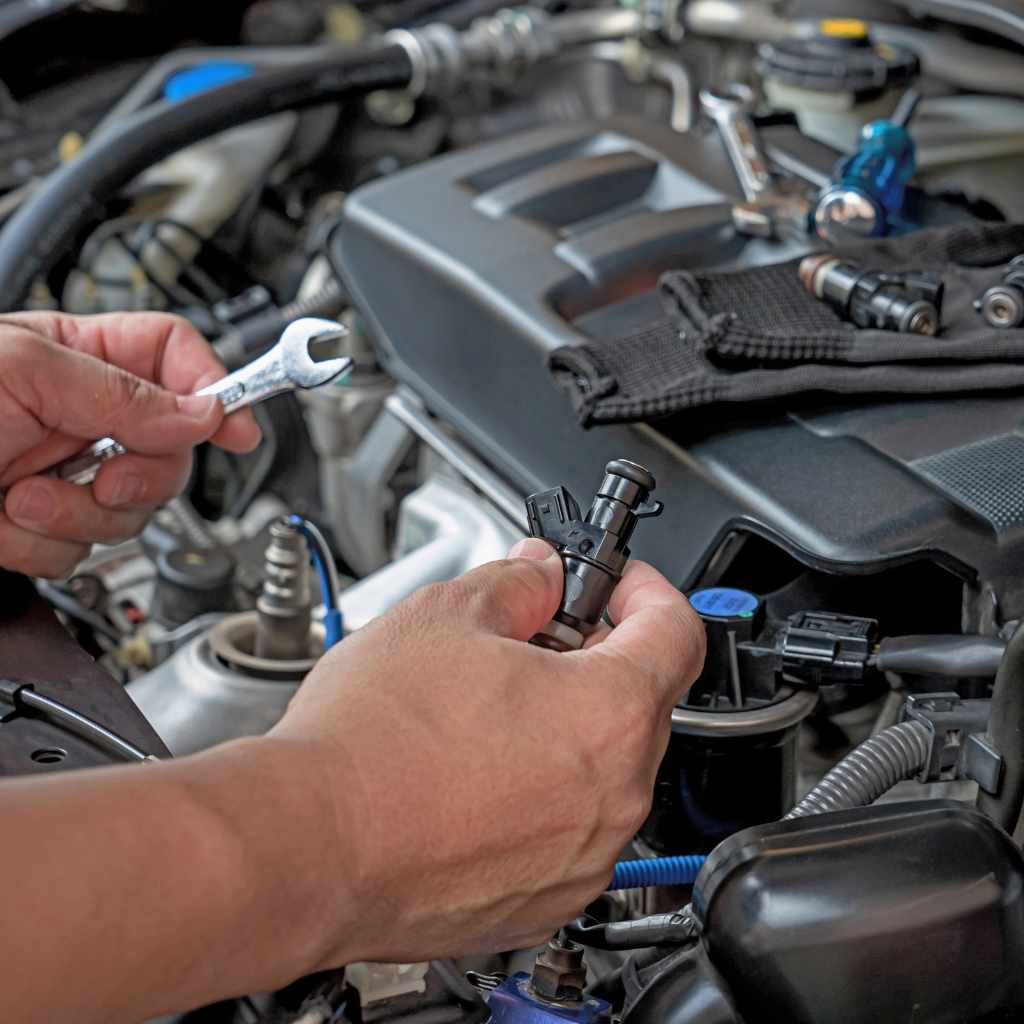
An auto enthusiast was doing some engine work, which required them to remove the fuel injectors. They knew that releasing the fuel pressure was necessary to avoid a dangerous situation. Because their car did not have a Schrader valve, they disabled the fuel pump relay, and then attempted to start the car until it ran out of fuel. They then removed the injectors safely, making sure to avoid any fuel spills.
- Identify the fuel pump relay in the fuse box.
- Remove the relay to disable the pump.
- Attempt to start the car and let it run until it stops.
- Double-check the fuel lines before starting work.
- Safely remove and replace the fuel injectors.
This is a great example of being prepared and using the correct method. It saves you from possible injury.
Sample Scenario 1: Fuel Line Repair
Imagine you have a fuel leak in your car’s fuel line. Your first step is to relieve the pressure before trying to repair the leak. Here’s a quick guide.
- Locate the Schrader valve.
- Use a shop towel to catch any potential spray.
- Carefully release the fuel pressure using the correct tool.
- Verify that the pressure is released.
- Repair or replace the fuel line.
This is a quick guide to repairing a leak. It shows how it can be done the correct way.
Sample Scenario 2: Fuel Pump Replacement
If you need to replace your fuel pump, relieving the pressure is a necessary step. It will help make sure that you do the job right.
- Find the fuel pump relay.
- Remove the relay.
- Crank the engine to relieve pressure in the system.
- Disconnect the fuel lines.
- Safely replace the fuel pump.
This shows a step-by-step guide to doing the job right. Relieving the fuel pressure is an important step to take.
Frequently Asked Questions
Question: Why is it important to relieve fuel pressure?
Answer: Relieving fuel pressure before working on your fuel system prevents fuel from spraying out under pressure, which can cause a fire and cause injury.
Question: What tools do I need to release fuel pressure?
Answer: You will need safety glasses, gloves, shop towels, and possibly a fuel pressure release tool or a fuel pressure gauge, depending on your car.
Question: What is a Schrader valve, and how do I use it?
Answer: A Schrader valve is a valve located on the fuel rail, similar to a tire valve. You remove the cap and then press the core to release pressure.
Question: What should I do if my car doesn’t have a Schrader valve?
Answer: You can remove the fuel pump relay or fuse and try to start the car to let it run until the pressure is relieved. If you cannot start the car, then crank the engine again to deplete the fuel.
Question: Is it safe to work on the fuel system myself?
Answer: It is safe if you follow all the safety precautions and use the correct methods. If you aren’t sure, it is best to ask a professional.
Final Thoughts
Knowing How to Relieve Fuel Pressure Without Starting the Car Safely is an important skill if you work on your car. You now know the tools, the steps, and the safety measures that go with it. You’ve also learned about the common mistakes to avoid. Keep in mind that safety comes first. Always wear the right gear and follow the right procedures. With the knowledge you have now, you can confidently work on your fuel system. So, next time you need to make repairs or changes to your fuel system, remember these steps. With a little practice, you’ll be able to work on your car safely and with confidence. This saves money and lets you better know your car.