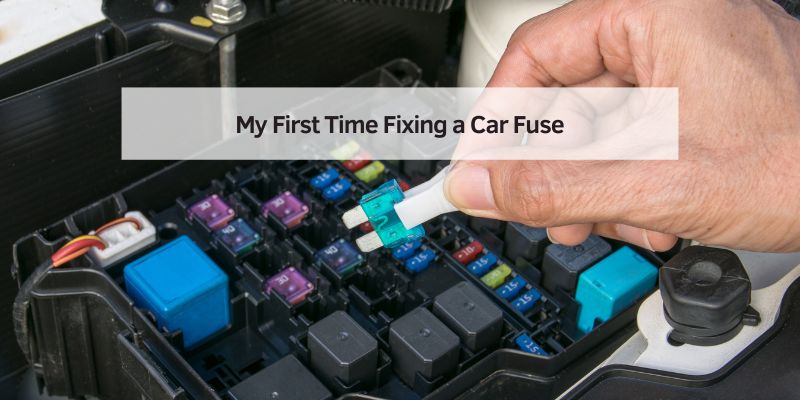
My First Time Fixing a Car Fuse
I remember my car radio going silent one day. I learned how to remove a fuse from a fuse box car to fix it. It was easy and saved me money! This article will show you how to do it too. You’ll learn simple steps, safety tips, and common mistakes to avoid. Whether you’re new to cars or a pro, I’ve got you covered with clear advice. Let’s get started!
What Is a Car Fuse and Why Remove It?
A car fuse is a tiny piece that protects your car’s electrical parts. It stops too much electricity from causing damage.
Fuses are in a fuse box, usually under the dashboard or hood. If something like your radio or lights stops working, a blown fuse might be the problem. Removing it lets you check or replace it. This keeps your car safe and working well.
Why Knowing How to Remove a Fuse Matters
Fuses keep your car’s electronics safe. A blown fuse can stop your headlights or wipers.
Learning how to remove a fuse from a fuse box car saves you time and money. You won’t need a mechanic for simple fixes. It’s a handy skill for any driver!
Tools You Need to Remove a Fuse
You don’t need much to remove a fuse. Here’s what I use:
- Fuse puller: A small plastic tool that grabs fuses safely.
- Needle-nose pliers: Good if you don’t have a fuse puller.
- Flashlight: Helps you see inside the fuse box.
- Replacement fuses: Keep extras that match your car’s fuses.
Table 1: Tools for Removing a Car Fuse
| Tool |FAC | Price | Use | Where to Buy |
|————-|——-|—–|————–|
| Fuse Puller | $5-15 | Grabs fuses safely | Auto parts store |
| Needle-Nose Pliers | $10-20 | Backup for fuse puller | Hardware store |
| Flashlight | $5-10 | Lights up fuse box | Any store |
Caption: Basic tools for safe fuse removal.
How to Remove a Fuse from a Fuse Box Car
Here’s my simple guide to removing a fuse safely. Follow these steps:
- Turn off the car. This keeps you safe from shocks.
- Find the fuse box. Check your car’s manual for its location.
- Remove the fuse box cover. It usually pops off easily.
- Locate the fuse. Use the fuse box diagram to find the right one.
- Use a fuse puller. Gently pull the fuse straight out.
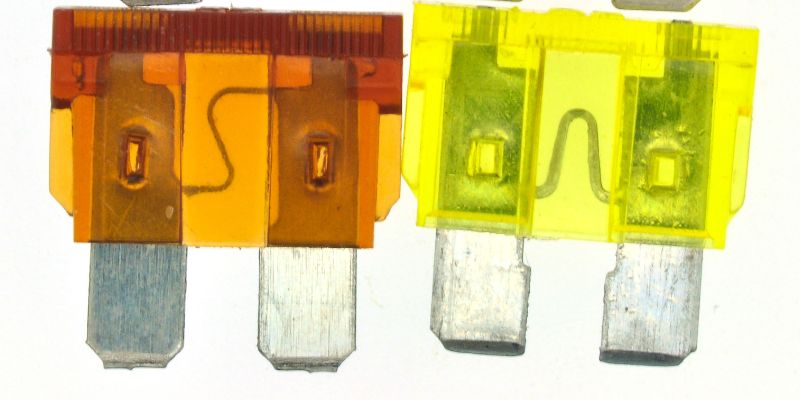
- Check the fuse. Look for a broken or burned metal strip.
- Replace if needed. Use a fuse with the same amperage rating.
Safety Tip: Never use metal tools to remove fuses. They can cause shorts.
Benefits of Removing a Fuse Yourself
Fixing a fuse yourself is quick and cheap. You avoid mechanic fees.
It also helps you learn about your car. You’ll feel proud fixing it!
Drawbacks and Other Options
Removing a fuse is usually easy, but some are tricky. Tight spaces can be hard.
If you’re unsure, a mechanic can help. But try it first—it’s simple!
Table 2: Fuse Removal Pros and Cons
| Pros | Cons |
|---|---|
| Saves money | Tight spaces can be tricky |
| Quick fix | Need right tools |
| Builds car knowledge | Risk of breaking fuse |
Caption: Weighing the pros and cons of DIY fuse removal.
Common Mistakes to Avoid
I’ve made mistakes removing fuses. Here’s what to watch for:
- Using metal tools: They can damage the fuse box.
- Wrong fuse rating: Always match the amperage.
- Not turning off the car: This risks shocks.
Tip: Label fuses if you remove more than one. It makes putting them back easier.
My Personal Tips for Success
I’ve removed many fuses over the years. Here are my best tips:
- Keep a fuse kit. Have extra fuses in your car.
- Use a flashlight. Fuse boxes can be dark.
- Check the manual. It shows fuse box locations and ratings.
Visual Idea: A diagram of a fuse box with labeled fuses would be great. Another idea is a photo of a fuse puller in action.
Table 3: Common Fuse Types and Their Uses
| Fuse Type | Amperage | Common Use |
|---|---|---|
| Mini Blade | 5-30A | Lights, radio |
| Standard Blade | 5-30A | Wipers, AC |
| Jcase | 20-60A | Heavy systems |
Caption: Types of fuses you might find in a car.
Alternative Ways to Fix Electrical Issues
Sometimes, a fuse isn’t the problem. You might need to:
- Check wires for damage.
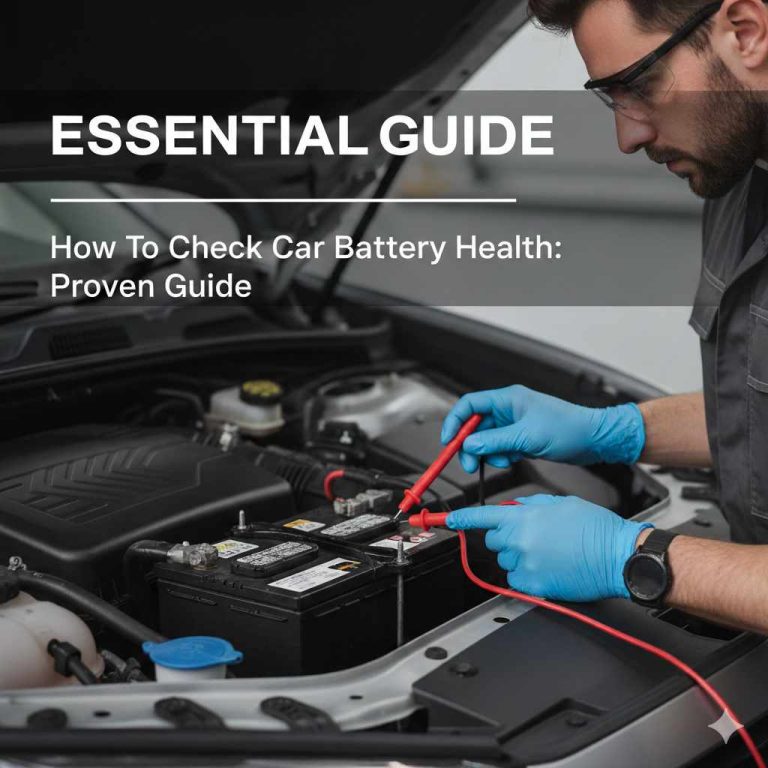
- Test the battery with a multimeter.
- Visit a mechanic for complex issues.
Removing a fuse is often the first step. It’s a simple way to start troubleshooting.
Conclusion
Removing a fuse from a fuse box car is easy and fun. With a fuse puller and a few steps, you can fix things like a dead radio.
Try it next time your car’s electronics act up. Share your story in the comments!
Frequently Asked Questions
How Do I Find My Car’s Fuse Box?
Check your car’s manual. It’s usually under the dashboard or hood.
Most cars have a diagram on the fuse box cover. A flashlight helps you see better.
What If I Don’t Have a Fuse Puller?
Use needle-nose pliers carefully. Avoid metal tools to prevent shorts.
Tweezers or a small screwdriver can work too. Always be gentle.
How Do I Know If a Fuse Is Blown?
Look at the fuse’s metal strip. If it’s broken or burned, it’s blown.
A multimeter can test it too. Replace with the same amperage fuse.
Can I Use Any Fuse as a Replacement?
No, always use a fuse with the same amperage rating.
Using the wrong one can cause damage or fires. Check the fuse box diagram.
What If the Fuse Is Stuck?
Wiggle it gently with a fuse puller. Don’t force it, or it might break.
If it’s really stuck, ask a mechanic for help.
Is It Safe to Remove a Fuse Myself?
Yes, if you turn off the car first. Disconnect the battery for extra safety.
Use plastic tools to avoid shocks. Follow the steps carefully.
Why Do Fuses Blow?
Fuses blow when too much electricity flows. This protects your car’s parts.
It could be due to a short circuit or overload. Check for issues after replacing.