How to Shampoo Car Interior: Seats, Carpet & Drying Time
To shampoo a car interior, work a fabric- or leather-safe cleaner into the seats and carpet with a soft brush one section at a time, then extract the moisture so everything can dry within 6 to 12 hours. Leave the fabric damp longer than that and you risk mold and musty odors instead of a clean-smelling cabin. This guide covers gathering the right products, prepping the car, the full step-by-step process, and the drying trick most guides skip entirely. A clean car interior holds its resale value better and just feels good to drive, so grab your interior cleaning supplies and let’s get started.
Why Shampooing Your Car’s Interior Matters
BEST FOR FABRIC SEATS & CARPET
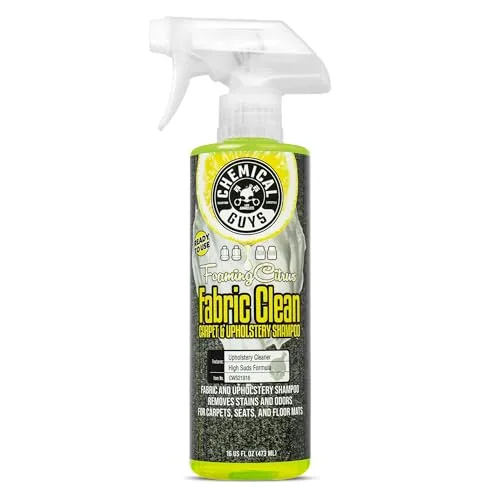 |
Chemical Guys Citrus Fabric & Carpet Cleaner (16 oz) – $9.99 A ready-to-use, high-foam shampoo that lifts dirt from fabric seats and carpet without soaking the padding underneath.
|
I’ll be honest—when I first started cleaning my car, I thought a quick vacuum would do the trick. But over time, I noticed dirt, stains, and even odors building up in my seats and carpets. Shampooing your car’s interior is like giving it a deep, refreshing bath. It removes grime, eliminates smells, and protects your upholstery from wear and tear. Regular car interior cleaning keeps your vehicle looking sharp and can even boost its resale value. Plus, who doesn’t love sliding into a fresh, clean car?
Shampooing isn’t just about aesthetics. Dirt and debris can wear down fabrics or leather over time, causing cracks or fading. By cleaning regularly, you’re investing in your car’s longevity. I’ve learned that a thorough shampoo every few months keeps my car feeling brand-new, no matter how many road trips I take.
Gathering the Right Tools and Products
Before you start, you’ll need the right gear. I made the mistake early on of using random household cleaners, and let’s just say my car smelled like dish soap for weeks. Stick to products designed for car detailing. Here’s what you’ll need:
- Car upholstery shampoo: Look for a cleaner specifically for car fabrics or leather.
- Vacuum cleaner: A shop vac with attachments works best.
- Soft-bristle brush: Great for scrubbing stains without damaging fabric.
- Microfiber towels: These are your best friend for wiping and drying.
- Bucket and water: For mixing and rinsing.
- Spray bottle: Handy for applying cleaning solutions.
- Protectant: A fabric or leather conditioner to finish the job.
Here’s a quick table to help you choose the right products:
| Product Type | Best For | My Favorite Brand | Why I Love It |
|---|---|---|---|
| Upholstery Shampoo | Fabric seats, carpets | Chemical Guys | Foams well, lifts stains easily |
| Leather Cleaner | Leather seats, trim | Meguiar’s | Gentle yet effective, no greasy residue |
| All-Purpose Cleaner | Mixed surfaces (plastic, vinyl) | Griot’s Garage | Versatile, safe for multiple surfaces |
| Fabric Protectant | Preventing future stains | Scotchgard | Adds a protective layer, easy to apply |
I always keep these in my garage. They’re affordable and make car interior cleaning a breeze. Check your car’s manual to confirm whether your seats are fabric, leather, or a mix, so you pick the right cleaner.
Preparing Your Car for Shampooing
Preparation is key. Trust me, I’ve learned this the hard way after shampooing around clutter and ending up with a soggy owner’s manual. Start by clearing out your car. Remove floor mats, trash, and any personal items. I like to keep a trash bag handy for wrappers or loose change that always seems to hide in the seats.
Next, vacuum every nook and cranny. Use a crevice tool to get into tight spots like between seats or along the dashboard. Pay extra attention to carpets and mats—they trap tons of dirt. If you skip this step, you’ll just push debris deeper when you shampoo. I usually spend about 15 minutes vacuuming to make sure I’ve got a clean slate.
Choosing the Right Shampoo for Your Car
Not all shampoos are created equal. I’ve tried a few duds that left my seats sticky or didn’t clean at all. For fabric seats, go for a foaming upholstery shampoo. These cling to the surface and lift dirt better than liquid cleaners. For leather, pick a pH-balanced cleaner to avoid drying out the material. If your car has both, an all-purpose cleaner can work, but test it on a small area first.
I always dilute my shampoo according to the bottle’s instructions. Too much concentrate can leave residue, while too little won’t clean effectively. Mix it in a bucket or spray bottle, and you’re ready to go. If you’re dealing with tough stains like grease or ink, a specialized stain remover might be worth grabbing.
Step-by-Step Guide to Shampooing Your Car Interior
Now, let’s get to the fun part—actually cleaning! I love this process because you can see the transformation happen right before your eyes. Here’s how I shampoo my car’s interior:
- Test the Cleaner: Always test your shampoo on a small, hidden spot. I once used a cleaner that faded a patch of my fabric seat—lesson learned!
- Apply the Shampoo: Spray or apply the shampoo evenly on one section at a time, like a single seat or a portion of the carpet. Don’t soak it—just enough to cover the surface.
- Scrub Gently: Use a soft-bristle brush to work the shampoo into the fabric. I use circular motions to lift dirt. For leather, use a microfiber towel to avoid scratching.
- Blot the Area: Grab a clean microfiber towel and blot the area to soak up dirt and excess cleaner. Don’t rub—you’ll spread the mess.
- Rinse if Needed: Some shampoos require rinsing with a damp towel. Check the label. I usually keep a bucket of clean water nearby for this.
- Dry Thoroughly: Wipe down with a dry microfiber towel. Open your car doors or windows to air it out. A fan can speed things up if you’re in a hurry.
I work in small sections to avoid overwhelming myself. It usually takes me about an hour to do the seats and carpets, but it’s so worth it when you see the results.
Extracting the Shampoo and Drying It Fast (So It Does Not Mold)
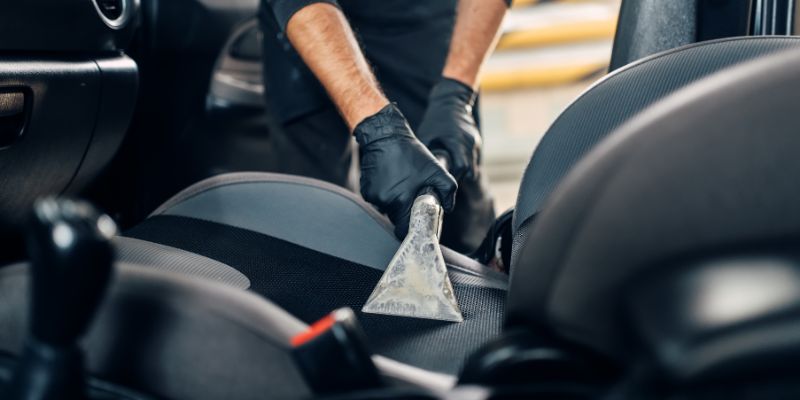
Blotting with a towel only gets you so far. A wet/dry vacuum or a dedicated carpet extractor pulls the dirty shampoo solution and trapped moisture back out of the fabric instead of just pushing it around, which is why detailers use one instead of stopping at the towel step. Run the extractor’s nozzle slowly over each section right after you scrub it, going over problem spots two or three times until the water coming up looks mostly clear.
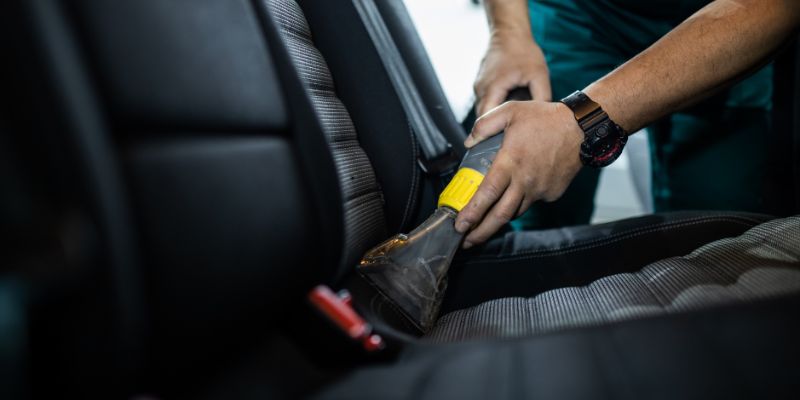
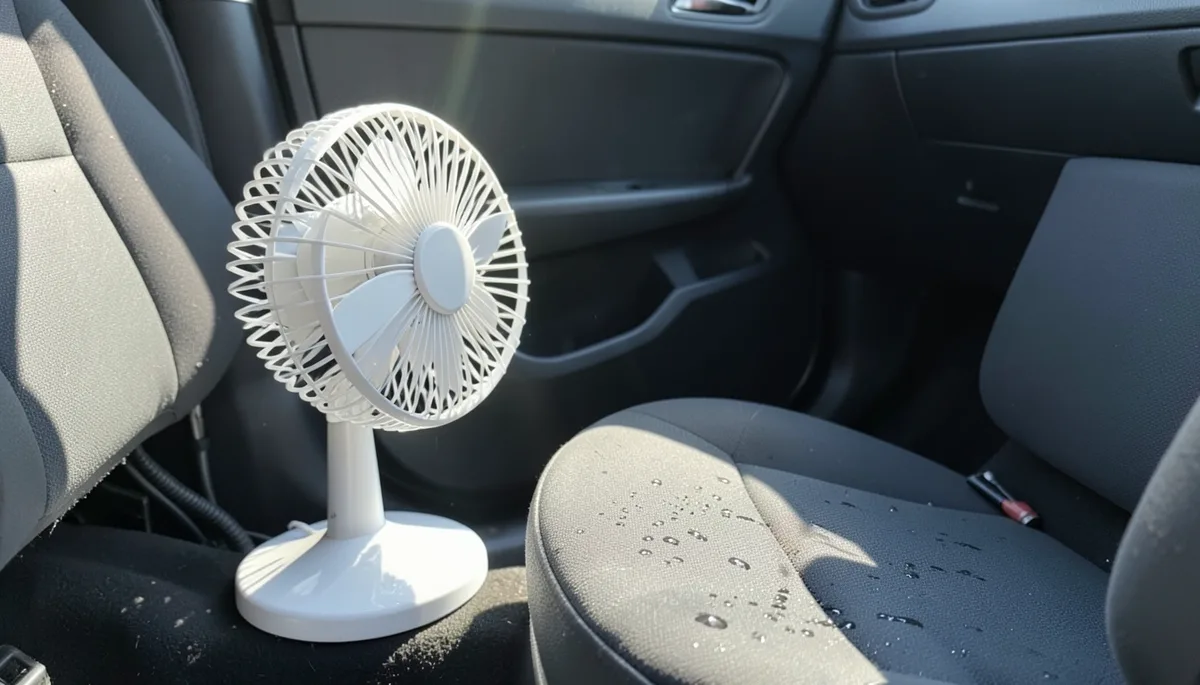
Here’s the number most guides leave out: a shampooed interior typically needs 6 to 12 hours to fully dry, depending on how much water you used and how much airflow the cabin gets. Mold and mildew do not need long to take hold in wet fabric—once padding stays damp past roughly 24 to 48 hours, you’re in real risk territory for musty smells and mold growth that a fresh-smelling shampoo job was supposed to prevent. Crack the windows, point a fan at the seats, and if you have time, park in the sun with the doors open. If you’re in a hurry or the carpet stayed soaked, see our guide on how to dry wet car carpet fast for faster methods.
Tackling Tough Stains
Stains are the worst, right? I’ve had my fair share of coffee spills and pet accidents. For tough stains, pre-treat them before shampooing. I dab a bit of stain remover on the spot and let it sit for 5–10 minutes. Then, I scrub gently with a brush. For grease, a degreaser works wonders. For odors, sprinkle baking soda, let it sit for a few hours, then vacuum it up. If you’re dealing with pet hair, a rubber glove or pet hair remover brush is a game-changer.
Cleaning Leather Interiors
Leather needs extra care. I learned this after using a harsh cleaner that left my seats looking dull. Use a dedicated leather cleaner and apply it with a microfiber towel. Wipe in straight lines, not circles, to avoid swirl marks. After cleaning, apply a leather conditioner to keep the material soft and prevent cracking. I do this every 3–4 months, and my leather seats still look brand-new.
Maintaining Your Car’s Interior Post-Shampoo
Once your car is sparkling, you’ll want to keep it that way. I use a fabric protectant like Scotchgard on my seats to repel future spills. For leather, a conditioner doubles as a protectant. Vacuum weekly to prevent dirt buildup, and tackle spills immediately to avoid stains. I also keep a small trash bin in my car to avoid clutter. These little habits make a big difference.
Common Mistakes to Avoid
I’ve made plenty of mistakes while learning how to shampoo my car’s interior. Here are some to watch out for:
- Over-wetting the seats: Too much water can lead to mold or mildew. Use just enough shampoo to get the job done.
- Using the wrong cleaner: Household cleaners can damage upholstery. Stick to car detailing products.
- Skipping the vacuum: Dirt left behind makes shampooing less effective.
- Not drying properly: Wet seats can smell musty. Air them out completely.
When to Call a Professional
Sometimes, you might need a pro. I’ve taken my car to a detailer when I had a stubborn ink stain that wouldn’t budge. If your car has severe odors, water damage, or delicate materials like suede, a professional auto detailing service is worth the cost. They have tools like steam cleaners and extractors that can handle tough jobs. Expect to pay $100–$200 depending on your location and the car’s condition.
My Go-To Tips for a Showroom Finish
After years of trial and error, I’ve picked up a few tricks. Use a toothbrush for tight spots like seams or buttons. For a streak-free dashboard, wipe with a damp microfiber towel followed by a dry one. If your car smells funky even after cleaning, place a bowl of activated charcoal inside overnight—it works like magic. And always clean on a sunny day so your car dries faster.
Conclusion
Shampooing your car’s interior is one of the most satisfying things you can do as a car owner. It’s not just about cleaning—it’s about giving your ride the love it deserves. With the right tools, a bit of elbow grease, and my step-by-step guide, you can transform your car into a spotless sanctuary. I’ve seen my old sedan go from grimy to gleaming, and it’s a feeling I want you to experience too. So grab your upholstery shampoo, roll up your sleeves, and get to work. Your car will thank you, and you’ll love every minute of driving it. Happy cleaning!
FAQs
How often should I shampoo my car’s interior?
I recommend shampooing every 3–6 months, depending on how much you use your car. If you have kids or pets, you might need to do it more often to keep up with spills and dirt.
Can I use household cleaners to shampoo my car?
I wouldn’t. Household cleaners can damage car upholstery or leave residue. Stick to products designed for car interior cleaning to be safe.
How long does it take to shampoo a car’s interior?
It usually takes me about 1–2 hours, depending on the car’s size and how dirty it is. Working in sections makes it manageable.
What’s the best way to dry my car’s interior after shampooing?
Extract as much moisture as possible with a wet/dry vacuum first, then wipe surfaces with microfiber towels, crack the windows or leave the doors open, and point a fan at the seats. Most interiors take 6 to 12 hours to dry fully this way, and humid weather can push that longer.
Can I shampoo my car’s interior in cold weather?
Yes, but it’s trickier. I suggest cleaning in a garage to avoid freezing water. Make sure everything dries completely to prevent mold.
How do I get rid of pet hair before shampooing?
I use a rubber glove or a pet hair remover brush. Vacuuming afterward gets any stragglers. It makes shampooing way easier.
Can shampooing my car interior cause mold?
Only if the fabric stays wet too long. Mold and mildew take hold once damp padding sits for roughly 24 to 48 hours, not because of the shampoo itself. Extract as much water as you can and get real airflow going right after you clean so the interior dries within that window.
Is it worth paying for professional car detailing?
For tough stains or delicate materials, absolutely. I’ve paid for pro auto detailing when I couldn’t handle a mess myself, and the results were amazing.
Products related to this article
Sponsored / affiliate links. As an Amazon Associate I earn from qualifying purchases. I may earn additional commission from eligible campaigns.