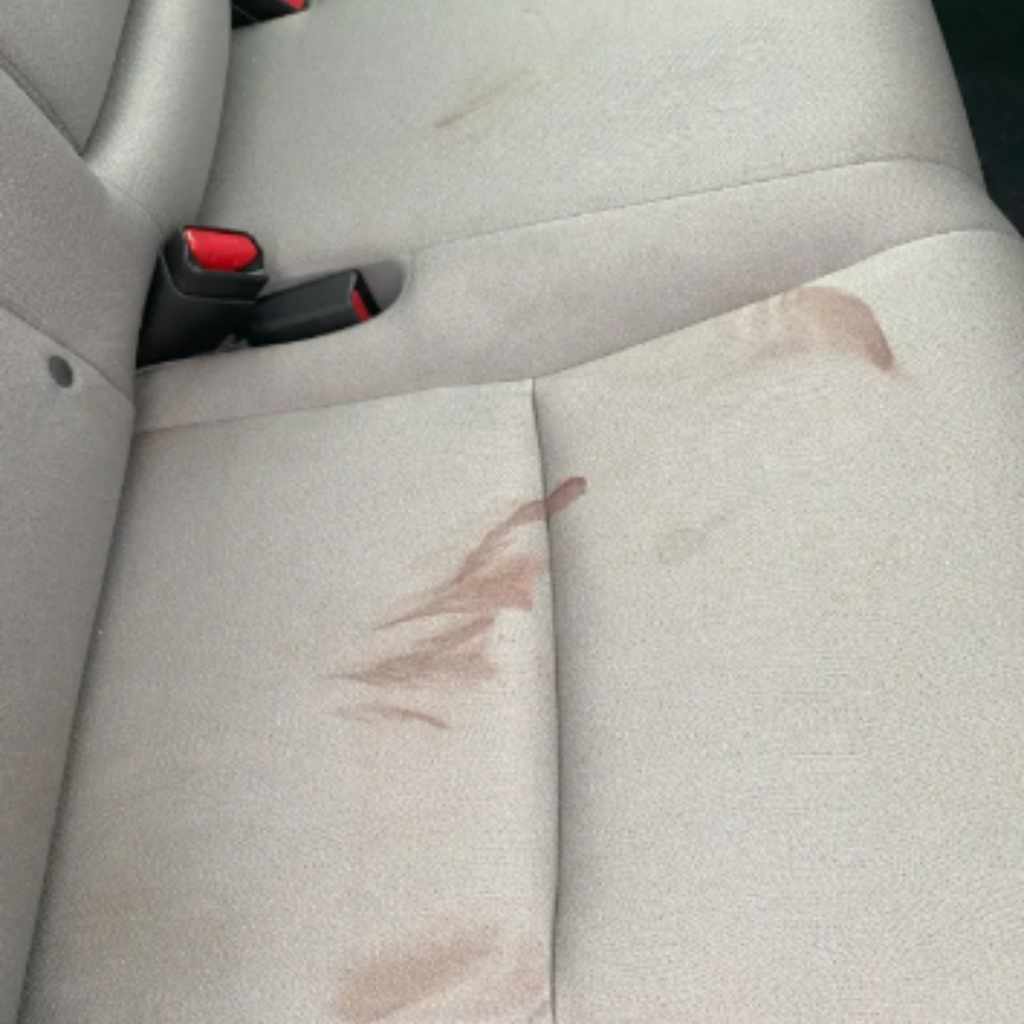
How To Remove Period Blood Stains From Car Seats
Accidents happen, and sometimes that includes finding a period blood stain on your car seat. It’s a situation many people worry about, especially if they haven’t dealt with it before. It can seem tricky to get out, but don’t worry!
We’ve got a super simple, step-by-step plan to help you get your car seat looking clean again. Get ready to learn exactly how to tackle this common problem.
Why Period Blood Stains Can Be Tricky
Period blood, like any bodily fluid stain, can be a bit stubborn. The main reason it can be challenging, especially for beginners, is that it’s a protein-based stain. When protein dries, it can bind to fabric fibers, making it harder to lift out.
If you use hot water initially, you can actually cook the protein, setting the stain even deeper into your car seat fabric. This is why many common cleaning methods might not work as well for period blood compared to, say, a coffee spill.
Another factor is the type of car seat material. Leather, fabric, and synthetic materials all react differently to cleaning solutions. What works for one might damage another.
Plus, car seats are often in direct sunlight, which can also help to set stains over time. Knowing the right approach from the start makes a big difference in how successful you’ll be.
Immediate Steps for a Fresh Stain
If you notice a period blood stain while it’s still fresh, you’re in a much better position. The key here is to act fast and avoid making the stain worse. Think of it like this: the sooner you get to it, the less time it has to bond with the car seat material.
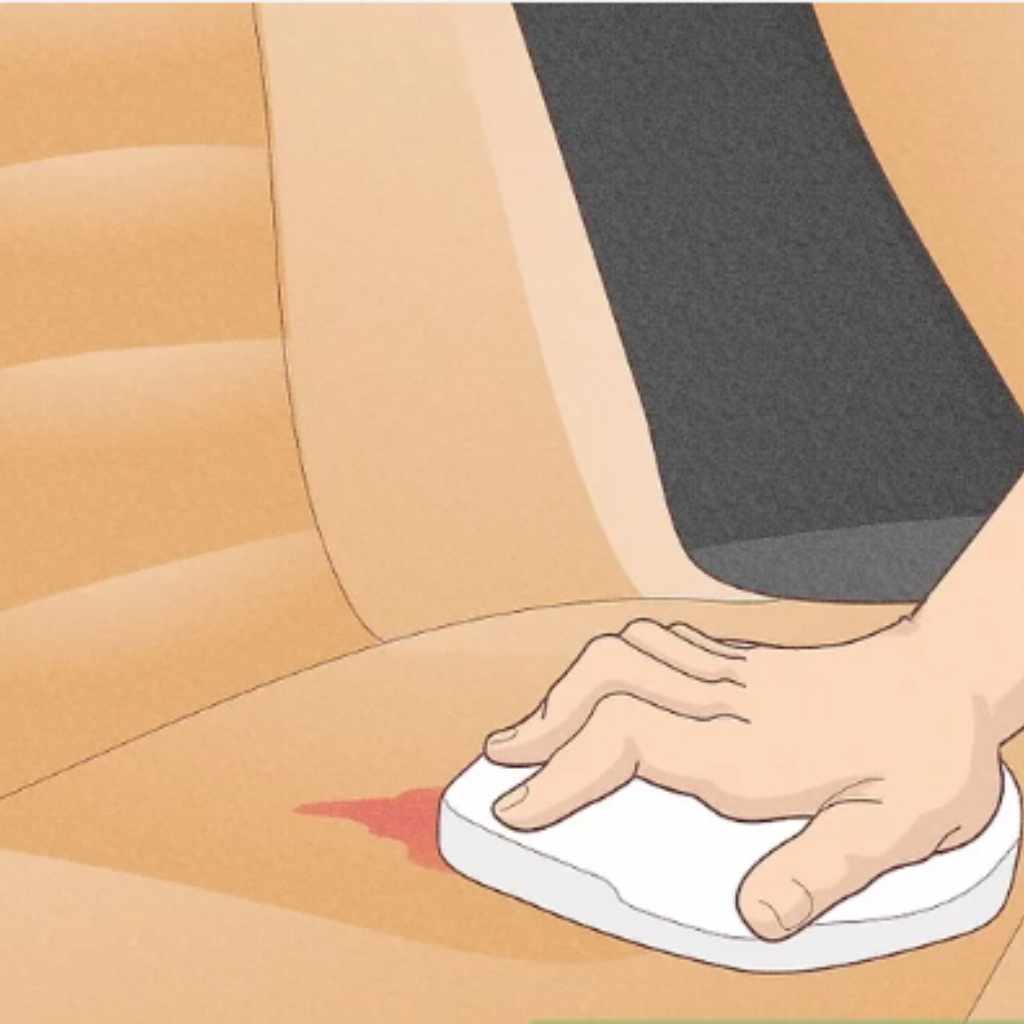
- Blot, Don’t Rub: Grab a clean cloth or paper towel and gently blot the stain. The goal is to absorb as much of the fresh blood as possible. Press down firmly but avoid any back-and-forth rubbing motion. Rubbing can spread the stain and push it deeper into the fabric.
- Cold Water Rinse: Once you’ve blotted up the excess, lightly dampen another clean cloth with COLD water. Gently dab the stained area. Again, avoid soaking the fabric. Cold water is crucial because, as mentioned, hot water can set protein stains.
These initial steps are your first line of defense. They help to remove the bulk of the stain without the risk of setting it. For fresh stains, these might even be enough to prevent a permanent mark.
Gathering Your Cleaning Supplies
Before you start tackling a dried stain, it’s important to have the right tools and cleaning agents ready. Using the wrong products can sometimes make the situation worse, so a little preparation goes a long way. You want to be armed with effective, fabric-safe solutions.
Essential Cleaning Agents
For effectively dealing with period blood stains on car seats, a few key cleaning agents are highly recommended. These are generally safe for most car seat materials when used correctly and are known for their stain-lifting properties.
- Cold Water: We’ve stressed this, but it bears repeating. It’s your primary tool for the initial stages.
- Mild Dish Soap: A small amount of mild dish soap (like one used for handwashing dishes) can be very effective. It helps to break down oils and proteins.
- Hydrogen Peroxide (3% Solution): This is a powerhouse for stain removal, especially organic stains like blood. However, it can sometimes lighten fabrics, so always test it in an inconspicuous area first.
- Enzyme Cleaner: These cleaners are specifically designed to break down organic matter. They are excellent for protein-based stains like blood. You can find them in pet stain remover sections or dedicated upholstery cleaners.
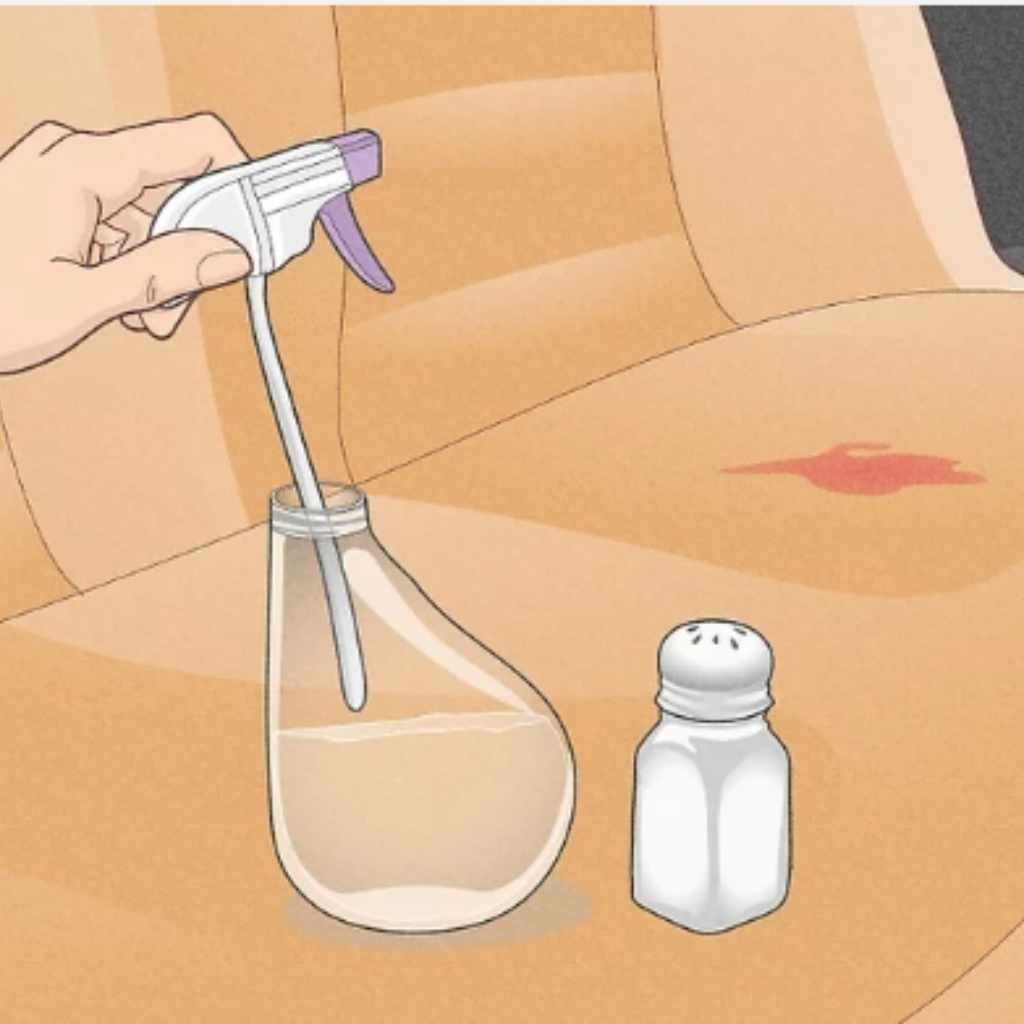
- Salt Paste (Optional for Fresh Stains): A paste made of salt and cold water can help absorb fresh blood quickly.
Helpful Tools
Having the right tools makes the cleaning process much smoother and more effective.
- Clean White Cloths or Paper Towels: You’ll need plenty of these for blotting and applying cleaning solutions. White is best so you can see what you’re lifting.
- Spray Bottle: For applying water or diluted cleaning solutions evenly.
- Soft Brush or Old Toothbrush: For gently working cleaning solutions into the fabric.
- Vacuum Cleaner (with upholstery attachment): Useful for removing dried residue.
- Gloves: To protect your hands.
Having these items on hand will ensure you’re ready for whatever the stain throws at you. Remember to always read the labels of any cleaning products you use to ensure they are suitable for your car’s interior.
Tackling Dried Period Blood Stains
Dried period blood stains require a bit more attention and patience. The key is to rehydrate the stain and then gently lift it away without damaging the car seat material. This process might take a few tries, but with the right approach, you can achieve great results.
Step-by-Step Removal Process
Let’s break down how to handle a dried stain. This method focuses on gentle but effective cleaning.
Step 1: Rehydrate the Stain
You need to soften the dried blood. Use your spray bottle filled with cold water. Lightly mist the stained area.
Let it sit for about 5-10 minutes. The goal isn’t to soak it, but to make the dried blood pliable again.
Step 2: Blot and Lift
Take a clean, dry white cloth and gently blot the rehydrated stain. You should start to see some of the color transferring to the cloth. Keep blotting with a clean section of the cloth until no more blood is coming up.
Step 3: Mild Soap Solution
If blotting alone isn’t enough, prepare a solution of cold water and a tiny amount of mild dish soap. Mix about a teaspoon of soap with a cup of cold water in your spray bottle. Lightly spray this solution onto the stain.
Using your soft brush or toothbrush, gently agitate the stained area in a circular motion. Don’t scrub hard, as this can damage the fabric. The soap will help to lift the remaining blood particles.
Step 4: Rinse and Blot Again
Now, take a clean cloth dampened with plain cold water and blot the area to rinse away the soap solution. You want to remove all traces of soap, as leftover soap can attract dirt. Blot thoroughly with a dry cloth to absorb excess moisture.
Step 5: Hydrogen Peroxide Treatment (for stubborn stains)
If the stain persists after the soap treatment, it’s time to consider hydrogen peroxide. Always test this on an inconspicuous area of your car seat first to ensure it doesn’t cause discoloration. If it’s safe, lightly dampen a clean cloth with 3% hydrogen peroxide solution.
Dab it onto the remaining stain.
Let it sit for a few minutes. Hydrogen peroxide works by breaking down the blood. You might see it fizz slightly, which is normal.
After a few minutes, blot the area with a clean, damp cloth to rinse, and then blot dry with a towel.
Step 6: Enzyme Cleaner Application (alternative or for very tough stains)
For the most stubborn or old stains, an enzyme cleaner is often your best bet. Follow the product instructions carefully, as they can vary. Typically, you’ll spray the cleaner onto the stain, let it sit for a specified time (allowing the enzymes to work), and then blot it up.
Enzyme cleaners are very effective because they break down the organic components of the stain at a molecular level. This is a highly recommended step for difficult period blood stains.
Step 7: Air Dry and Vacuum
Once you’ve finished the cleaning process, allow the car seat to air dry completely. You can leave the windows open if it’s safe and the weather permits. Once dry, you can lightly vacuum the area to restore the fabric’s texture.
Patience is key throughout this entire process. It might take more than one attempt to completely remove a dried stain. Don’t get discouraged if it’s not gone after the first try.
Cleaning Different Car Seat Materials
The type of material your car seat is made from significantly impacts how you should approach stain removal. What’s safe for fabric might damage leather, and vice versa. Knowing your material is the first step to successful stain removal.
Fabric Car Seats
Fabric car seats are the most common and can be cleaned using the methods described above. The key is to use solutions that won’t oversaturate the fabric, which can lead to mold or mildew. Always work in a well-ventilated area.
The steps involving cold water, mild soap, hydrogen peroxide, and enzyme cleaners are all generally safe for fabric car seats. Remember to always blot and avoid harsh scrubbing. For very delicate or synthetic fabrics, you might want to use a gentler approach with just cold water and a very mild soap.
Leather Car Seats
Leather is a more delicate material and requires a different cleaning approach to avoid drying, cracking, or discoloration. For leather, it’s essential to use products specifically designed for leather care.
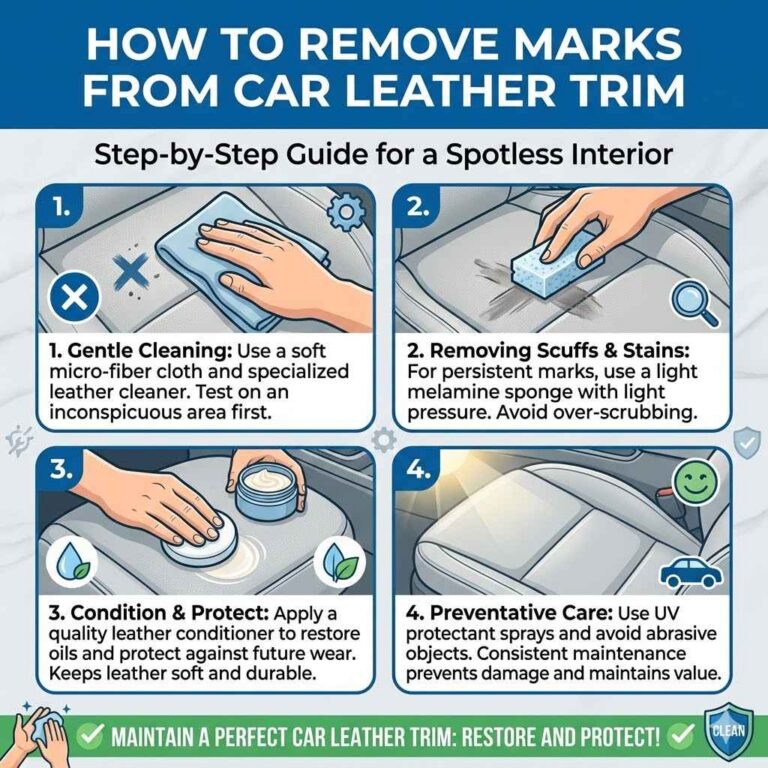
- Immediate Blotting: For fresh stains, blot immediately with a clean, dry cloth to absorb as much as possible.
- Mild Leather Cleaner: Use a pH-neutral leather cleaner. Apply a small amount to a soft cloth and gently wipe the stain. Avoid using excessive water.
- Avoid Harsh Chemicals: Do not use hydrogen peroxide or strong household cleaners on leather, as they can strip its natural oils and damage the finish.
- Conditioning: After cleaning, it’s important to condition the leather to restore moisture and protect it.
If you are unsure about the type of leather or the appropriate cleaner, consult your car’s owner’s manual or a professional car detailing service. For dried blood on leather, it’s best to try a gentle leather cleaner first. If that doesn’t work, a very diluted solution of mild soap and water, applied sparingly with a cloth and immediately blotted dry, might be an option, but proceed with extreme caution.
Vinyl Car Seats
Vinyl is a more durable material than fabric or leather. It’s generally easier to clean and less prone to damage from cleaning solutions.
- Water and Mild Soap: For most vinyl stains, a simple solution of warm water and a small amount of mild dish soap is sufficient.
- Wipe and Rinse: Apply the soapy water with a cloth, gently scrub if needed, and then wipe the area clean with a damp cloth to remove any residue.
- Drying: Dry the area thoroughly with a clean towel.
Even with vinyl, it’s wise to avoid abrasive cleaners or harsh chemicals that could dull the finish. The general stain removal principles of blotting and rinsing still apply.
Tips for Preventing Future Stains
While accidents happen, there are a few proactive steps you can take to minimize the chances of period blood stains occurring on your car seats.
- Carry a Small Emergency Kit: Keep a few menstrual pads or tampons, along with a small zip-top bag and some wipes, in your car. This way, if your period starts unexpectedly or you have a leak, you’re prepared to handle it discreetly and quickly.
- Use Seat Covers: Consider using washable seat covers, especially for longer trips or if you frequently have passengers. These can protect your car’s original upholstery from various spills and stains.
- Period Underwear: Period underwear offers an extra layer of protection against leaks, giving you more peace of mind when you’re on the go.
Being prepared is the best way to avoid stress. Having these simple items in your car can make a world of difference.
Frequently Asked Questions
Question: Will hydrogen peroxide damage my car seat fabric?
Answer: Hydrogen peroxide (3% solution) can potentially lighten some fabrics. It’s always important to test it on an inconspicuous area of your car seat first to ensure it doesn’t cause discoloration before applying it to the stain.
Question: Is it safe to use bleach on car seat stains?
Answer: No, it is generally not recommended to use bleach on car seat fabrics. Bleach can be very harsh and may cause permanent discoloration or damage to the material. Stick to milder cleaning agents.
Question: How long should I let a cleaning solution sit on the stain?
Answer: The time can vary depending on the cleaning solution and the severity of the stain. For mild soap solutions, a few minutes of gentle agitation is usually enough. For enzyme cleaners, follow the product’s instructions, as they often require a longer contact time to work effectively.
Question: What if the stain is old and completely dry?
Answer: Old, dried stains require patience. You’ll need to rehydrate the stain first with cold water, then proceed with gentle cleaning agents like a mild soap solution or an enzyme cleaner. It may take multiple applications to lift the stain.
Question: Can I use a carpet cleaner on my car seats?
Answer: Some carpet cleaners can be used on car seats, but you must ensure the product is safe for automotive upholstery. Always check the product label. It’s generally safer to use cleaners specifically designed for car interiors.
Final Thoughts
Dealing with a period blood stain on your car seat doesn’t have to be a stressful experience. By acting quickly when a stain is fresh and using the right methods for dried stains, you can effectively clean your car’s interior. Remember that cold water is your friend, and harsh scrubbing is your enemy.
Different materials like fabric, leather, and vinyl require specific care, so always identify your car seat’s material before you begin cleaning. Having a few basic supplies like clean cloths, cold water, and a mild cleaning agent on hand means you’re prepared for unexpected accidents. With a little patience and the right approach, your car seats will be back to looking their best, allowing you to enjoy your drives with peace of mind.