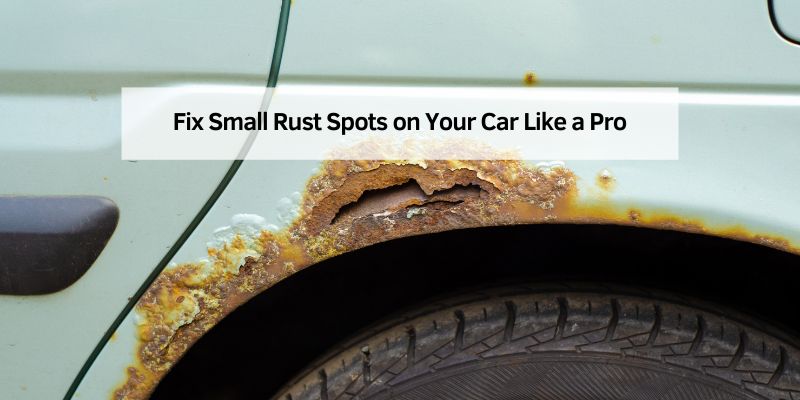
Fix Small Rust Spots on Your Car Like a Pro
I found a tiny rust spot on my old pickup truck last summer. It was a small, reddish-brown dot on the hood, but I knew it could grow fast. Rust is sneaky like that! In this article, I’ll show you how to remove small rust spots from car surfaces with easy steps. Whether you’re new to car care or a seasoned DIYer, you’ll learn simple tricks, tools, and tips to make your car shine again.
What Are Small Rust Spots?
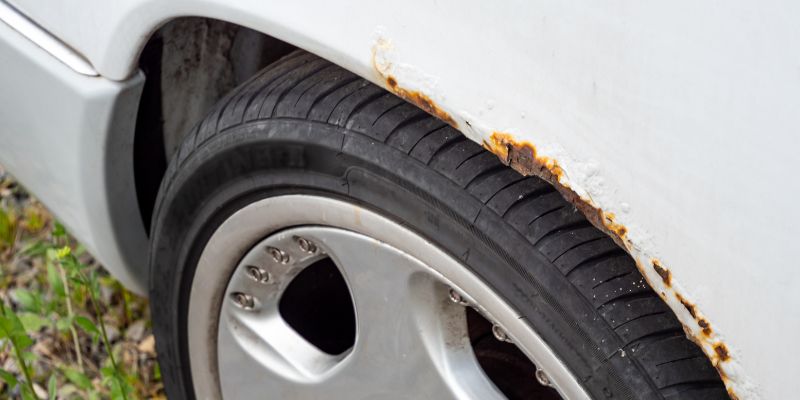
Rust spots are tiny patches of corrosion on your car’s metal. They form when water, oxygen, and iron meet, creating a reddish-brown coat. Small rust spots often appear where paint chips or scratches expose metal. If ignored, they can spread, damage your car’s look, and even weaken its structure. Fixing them early saves time and money.
Why Small Rust Spots Matter
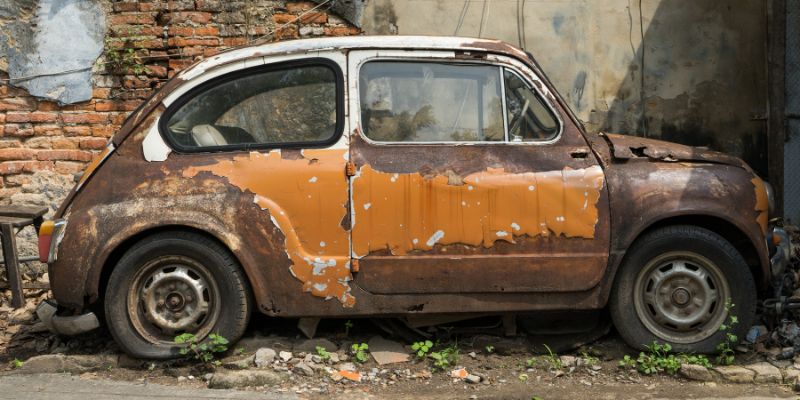
Small rust spots seem harmless, but they’re trouble waiting to happen. They can grow into big, costly problems. A tiny spot on your car’s hood could turn into a hole if left alone. Plus, rust makes your car look old and lowers its value. Fixing them keeps your car pretty and strong.
Tools and Materials You’ll Need
You don’t need fancy tools to fix small rust spots. Most items are at hardware or auto stores. Here’s what I use:
- Sandpaper (80, 120, 400 grit): Removes rust and smooths metal.
- Rust converter: Stops rust from spreading.
- Self-etching primer: Preps metal for paint.
- Touch-up paint: Matches your car’s color (check your car’s paint code).
- Clear coat: Protects the new paint.
- Masking tape and plastic sheeting: Keeps paint off other areas.
- Gloves and safety glasses: Keeps you safe from dust.
- Microfiber cloth: Cleans the area.
- Car wash soap: Removes dirt before starting.
Table 1: Tool and Material Costs
| Item | Estimated Cost | Where to Buy |
|---|---|---|
| Sandpaper (variety) | $5–$10 | Hardware store |
| Rust converter | $10–$15 | Auto parts store |
| Self-etching primer | $10–$20 | Auto parts store |
| Touch-up paint | $15–$25 | Auto parts store |
| Clear coat | $10–$20 | Auto parts store |
Caption: Basic tools and materials for fixing small rust spots are affordable and easy to find.
Step-by-Step Guide to Remove Small Rust Spots from Car
Here’s how I fix small rust spots on my car. Follow these steps carefully for great results.
Step 1: Prep Your Work Area
Work in a shaded, well-ventilated spot, like a garage. Lay down a tarp to catch dust. Wear gloves and safety glasses to stay safe. Rust dust can irritate your eyes or lungs.
Step 2: Clean the Rusty Area
Wash the rust spot with car wash soap and water. Dry it with a microfiber cloth. A clean surface helps you see the rust clearly.
Step 3: Mask Off the Area
Use masking tape and plastic sheeting to cover areas around the rust spot. This stops paint from getting on clean parts. Tape along panel lines to avoid sharp paint edges.
Step 4: Sand the Rust Away
Use 80-grit sandpaper to sand the rust until you see bare metal. Switch to 120-grit to smooth the area. Finish with 400-grit for a super smooth surface. Sand gently to avoid scratching nearby paint.
Step 5: Apply Rust Converter
Brush or spray rust converter on the sanded area. It turns rust into a safe coating and stops it from growing. Let it dry for 20–30 minutes, as the label says.
Step 6: Prime the Area
Spray self-etching primer over the treated area. Use thin, even coats. Let it dry for 10–15 minutes between coats. Two or three coats work best.
Step 7: Paint and Protect
Apply touch-up paint that matches your car’s color. Use thin layers to avoid drips. Let each layer dry for 10 minutes. Finish with a clear coat to seal and shine. Wait 24 hours before touching the area.
Visual Idea: A simple diagram showing the sanding process (80-grit to 400-grit) would help readers see how to smooth the metal step-by-step.
Benefits and Drawbacks of DIY Rust Removal
Fixing rust yourself saves money compared to a shop. A professional repair might cost $100–$500, but DIY costs $50–$100. You also learn a new skill and feel proud of your work. However, DIY takes time and patience. If you rush, the rust might return. Big rust spots may need a pro to fix properly.
Table 2: DIY vs. Professional Rust Repair
| Method | Cost | Time Needed | Skill Level |
|---|---|---|---|
| DIY | $50–$100 | 1–2 days | Beginner |
| Professional | $100–$500+ | 1–3 days | None needed |
Caption: DIY rust repair is cheaper but takes time and care compared to professional fixes.
Other Ways to Fix Rust
You can try other methods if sanding and painting feel tough. A rust remover gel, like Iron X, dissolves light rust without sanding. Apply it, wait, and wipe it off. Another option is a fiberglass pen for tiny chips. For big rust spots, a body shop can cut out the rust and weld a new panel. These methods cost more but work for tough cases.
Visual Idea: A photo comparing a rust spot before and after using a rust remover gel would show its effect clearly.
My Top Tips for Success
Here are my best tips from years of fixing rust spots:
- Check your car often. Look for rust in hidden spots like wheel wells or under doors.
- Don’t rush sanding. Take time to get all the rust off for a smooth finish.
- Match paint exactly. Use your car’s paint code (found on a sticker in the door or hood) to avoid color mismatches.
- Work in a dry space. Wet areas make rust worse, so keep your car dry after fixing.
Common Mistakes to Avoid:
- Skipping rust converter can let rust return.
- Using thick paint coats causes drips.
- Not masking well leaves paint specks on your car.
Safety First
Always wear gloves and safety glasses when sanding or painting. Work in a well-ventilated area to avoid breathing rust dust or paint fumes. If using chemicals like rust converter, follow the label’s instructions. Keep kids and pets away from your work area.
Table 3: Safety Gear Checklist
| Item | Why It’s Needed |
|---|---|
| Gloves | Protects hands from rust and paint |
| Safety glasses | Shields eyes from dust |
| Dust mask | Prevents breathing rust particles |
Caption: Simple safety gear keeps you protected while fixing rust spots.
Personal Story: My First Rust Fix
The first time I fixed a rust spot was on my dad’s old sedan. I was nervous but excited. The spot was tiny, like a dime, on the door. I sanded too hard at first and scratched the paint! After watching some videos, I tried again with lighter sanding and a rust converter. It took a day, but the spot vanished. Now, I check my car monthly to catch rust early. It’s fun and saves cash!
Visual Idea: A basic sketch of a car door with a rust spot and arrows showing where to sand and paint would make the process clear for beginners.
How to Prevent Rust Spots
Stopping rust before it starts is easier than fixing it. Wash your car often to remove dirt and salt, especially in winter. Dry it well to avoid water spots. Apply a wax coating every few months for extra protection. Park in a garage or under a cover to keep rain off. Check for scratches and touch them up with paint right away.
Prevention Tips:
- Wash your car after driving in rain or snow.
- Use touch-up paint on small scratches fast.
- Wax your car to block water and dirt.
Conclusion
Fixing small rust spots on your car is easy with the right tools and steps. You can save money, learn a skill, and keep your car looking great. Start with a small spot, follow my guide, and don’t rush. Your car will thank you! Try it this weekend, and share your results with friends. Visit trusted sites like Family Handyman or Halfords for more car care tips. Have fun fixing your car!
Frequently Asked Questions
What causes small rust spots on cars?
Rust spots happen when water, oxygen, and metal mix. Scratches or chips in paint let water reach the metal, starting rust. Salt from roads or sea air makes it worse. Check your car often to catch these spots early.
Can I fix rust spots without sanding?
Yes, for tiny spots, try a rust remover gel like Iron X. Spray or brush it on, wait a few minutes, and wipe it off. It dissolves light rust but may need a few tries for stubborn spots.
How do I find my car’s paint code?
Look for a sticker in your car’s door frame, hood, or trunk. It lists a code, like “B5” or “R-53,” for your car’s color. Take it to an auto store to get matching touch-up paint.
Will rust come back after I fix it?
Rust can return if you miss some or don’t seal the area well. Use rust converter and clear coat to stop it. Check the spot monthly and keep your car dry to prevent new rust.
Should I hire a pro for small rust spots?
For small spots, DIY is cheaper and fun. If the rust is big or in a tough spot, like a frame rail, a pro might be better. They have tools to cut and weld metal safely.
How long does it take to fix a rust spot?
Fixing a small rust spot takes about 1–2 days. Sanding and cleaning take a few hours, but drying times for primer, paint, and clear coat add up. Be patient for the best results.
Can I prevent rust without a garage?
Yes, wash your car often to remove salt and dirt. Dry it well and apply wax for protection. Cover your car with a tarp or park under a tree to shield it from rain.