How to Remove Smell From Car Carpet Fast & Permanently
Removing smell from car carpet requires a targeted approach to eliminate odors at their source. This guide covers proven methods, natural remedies, and step-by-step techniques to banish musty or stubborn smells for good.
Simply put, you can remove smell from car carpet by deep cleaning with baking soda, vinegar, or enzymatic cleaners, followed by thorough drying and ventilation. For persistent odors, steam cleaning or ozone treatment provides a permanent solution.
Key Takeaways
- Removing smell from car carpet starts with identifying the odor source and using dry cleaning methods like baking soda or vinegar solutions.
- Enzymatic cleaners break down organic smells from spills, pet accidents, or mold, targeting the root cause.
- Steam cleaning and ozone treatments are advanced options for deep-set odors that resist basic cleaning.
- Regular maintenance and quick spill response prevent smells from becoming permanent.
Why Smells Get Trapped in Car Carpet
Car carpet fibers are highly absorbent, trapping moisture, dirt, and organic matter. When spills or pet accidents happen, liquids seep deep into the padding underneath, creating a breeding ground for bacteria and mold.
The enclosed environment of a car amplifies odors because trapped air cannot escape easily. Heat from sunlight bakes smells into fibers, making them more pronounced over time. Understanding why smells persist helps you choose the right removal method.
- Moisture retention: Carpet padding absorbs liquids and stays damp for days, leading to mildew.
- Bacterial growth: Bacteria feed on organic residues, releasing foul-smelling compounds.
- Dirt accumulation: Ground-in soil and debris hold odors through physical absorption.
- Poor ventilation: Sealed cars recycle stale air, concentrating smells.
- Temperature fluctuations: Heat and cold cycles push odors into deeper fibers.
For example, a spilled coffee or soda that dries without proper cleaning leaves sugary residue that attracts bacteria. Over weeks, this creates a sweet-sour odor that resists surface cleaning.
Important: The longer a smell sits, the harder it is to remove. Act quickly after spills to prevent permanent damage to your car carpet.
What You Need to Remove Smell From Car Carpet
Before starting, gather the right tools and cleaners. Using the wrong product can push smells deeper or damage fibers. A dedicated fabric-safe carpet cleaner for car seats is worth having on hand for this. Here’s a checklist of essentials for effective odor removal.
| Tool/Cleaner | Purpose | Best For |
|---|---|---|
| Vacuum with HEPA filter | Removes loose dirt and debris | General maintenance |
| Baking soda | Neutralizes odors naturally | Musty and mild smells |
| White vinegar | Kills mold and bacteria | Mildew and pet odors |
| Enzymatic cleaner | Breaks down organic matter | Urine, vomit, food spills |
| Steam cleaner | Deep cleans and sanitizes | Persistent odors |
| Ozone generator | Oxidizes odor molecules | Extreme odors |
For most car carpets, a combination of baking soda and vacuuming works well for surface smells. For deeper odors, enzymatic cleaners target organic residues effectively. Professional steam cleaning is recommended when smell persists after DIY methods.
Step-by-Step Process to Remove Smell From Car Carpet
Follow these steps to systematically eliminate odors from your car carpet. Each step builds on the previous one, ensuring you treat all layers of the carpet.
- Vacuum thoroughly: Use a vacuum with a brush attachment to remove loose dirt, hair, and debris. Focus on seams and corners where particles accumulate.
- Sprinkle baking soda: Cover the carpet with a generous layer of baking soda. Let it sit for 8-12 hours or overnight to absorb odors.
- Vacuum again: Remove all baking soda with a clean vacuum. Repeat if necessary for heavy odors.
- Apply vinegar solution: Mix equal parts white vinegar and water in a spray bottle. Lightly mist the carpet, avoid soaking. Let sit for 10 minutes.
- Blot dry: Use clean towels to blot moisture. Open windows or use fans to speed drying. Ensure carpet is completely dry to prevent mold.
- Use enzymatic cleaner: For organic smells, apply enzymatic cleaner following product instructions. Let it dwell for the recommended time before blotting.
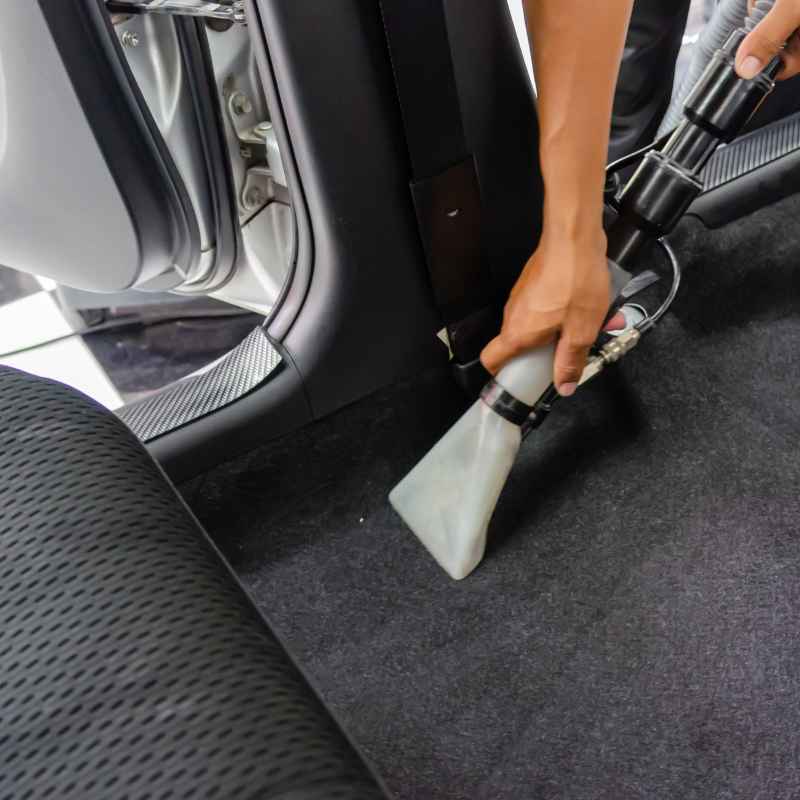
- Steam clean: Rent or use a steam cleaner with upholstery attachment. Follow manufacturer’s guide for your car carpet type.
This process works for most smells, from mildew to pet odors. For example, after a spilled milk incident, using baking soda followed by enzymatic cleaner removes both the odor and its source.
Tip: Always test cleaning solutions on a hidden carpet area first to ensure colorfastness. Harsh chemicals can bleach or damage fibers.
How to Tackle Tough Odors in Car Carpet
Some smells resist basic cleaning, such as cigarette smoke or long-term mold exposure. These require advanced techniques to remove smell from car carpet permanently. Start by identifying the odor type: organic (food, pet) or chemical (smoke, fuel).
For organic smells, enzymatic cleaners are most effective because they digest odor-causing bacteria. According to a study by the Carpet and Rug Institute, enzymatic treatments remove 95% of biological odors when used correctly. For chemical odors, activated charcoal or professional ozone treatment works better.
- Cigarette smoke: Use vinegar spray and let it dry in sunlight. Then apply a commercial odor eliminator designed for smoke.
- Mildew or musty: Dry the carpet completely using a heater or dehumidifier. Apply tea tree oil diluted with water for its antifungal properties.
- Pet urine: Soak up fresh urine with paper towels, then apply enzymatic cleaner. For dried urine, use a UV light to locate stains.
- Food spills: Scrape up solids, blot liquids, then use baking soda paste. Avoid scrubbing, which pushes residue deeper.
- Gasoline or oil: Use absorbent clay (like cat litter) on fresh spills, then clean with dish soap solution.
For extreme cases, ozone generators oxidize odor molecules at a molecular level. However, these machines must be used in an empty car with no occupants, as ozone is harmful to breathe. Always ventilate thoroughly after treatment.
Warning: Never mix bleach with ammonia-based cleaners. This produces toxic chlorine gas. Stick to natural cleaners like vinegar or baking soda for safety.
Common Mistakes When Removing Smell From Car Carpet
Many drivers inadvertently worsen odors by using wrong methods. Avoid these common pitfalls to ensure your cleaning efforts are effective and lasting.
| Mistake | Why It Fails | Better Approach |
|---|---|---|
| Using too much water | Overwets padding, causing mold | Use damp cloths, not soaking |
| Masking with air fresheners | Covers smell without removing source | Eliminate source first |
| Skipping vacuuming | Leaves debris that holds odors | Vacuum before any cleaning |
| Rushing drying | Moisture persists, growing bacteria | Dry with fans for 24+ hours |
| Ignoring hidden spills | Spills under seats remain untreated | Check under mats and seats |
For instance, spraying perfume only masks the smell temporarily and can mix with existing odors to create an even worse scent. Always focus on removing the odor source first. The EPA reports that over 70% of indoor air quality issues stem from trapped moisture, so drying is critical.
How to Prevent Smells in Car Carpet
Prevention is more effective than cure. By maintaining your car carpet regularly, you can avoid the need for intensive odor removal. Simple habits make a big difference.
- Use floor mats: Rubber or all-weather mats catch spills and dirt. Clean mats regularly to prevent transfer to carpet.
- Act fast on spills: Blot immediately with paper towels and apply baking soda to absorb moisture.
- Ventilate daily: Crack windows after rain or when parked to reduce humidity buildup.
- Vacuum weekly: Remove crumbs and dust that can decompose and cause odors.
- Deep clean every season: Use baking soda or steam cleaning every three months for maintenance.
- Avoid eating in the car: Crumbs and spills from food are common odor sources.
Incidental spills that dry quickly rarely cause permanent smells. For example, a water spill dried within hours is harmless, while coffee left overnight creates acidic residues. According to the American Automobile Association, regular cleaning extends carpet life by 30% and reduces odor risks significantly.
Tip: Keep a small bag of baking soda in your car glove box. Sprinkle it on damp spots immediately to absorb odors before they set.

Frequently Asked Questions
How long does it take to remove smell from car carpet with baking soda?
Baking soda typically needs 8-12 hours to absorb odors effectively. For heavy smells, leave it overnight or up to 24 hours. Vacuum thoroughly afterward to remove all residue.
Can vinegar damage car carpet?
White vinegar is safe for most car carpets when diluted with water (1:1 ratio). It evaporates quickly and leaves no residue. Avoid using colored or flavored vinegars, which may stain fibers.
Is steam cleaning safe for car carpet?
Yes, steam cleaning is safe for most car carpets and effectively kills bacteria and mold. Ensure the carpet is completely dry after steaming to prevent mildew. Use a low-moisture setting to avoid over-wetting.
Why does my car carpet still smell after cleaning?
Persistent odor often means the source is deeper, like in the padding underneath. You may need to use a carpet extractor or replace the affected padding. Also check for hidden areas under seats or along door seals.
Can professional car detailing remove smell from carpet permanently?
Yes, professional detailers use hot water extraction, ozone treatments, and industrial-grade cleaners that can remove deep-set odors. This is recommended for extreme cases or when DIY methods fail after multiple attempts.
Final Thoughts
Removing smell from car carpet is achievable with the right approach and patience. Start with natural methods like baking soda and vinegar, then escalate to enzymatic cleaners or steam cleaning for stubborn odors. Regular maintenance prevents smells from returning and keeps your car fresh.
Act quickly on spills, ventilate daily, and deep clean seasonally for the best results.
Products related to this article
Sponsored / affiliate links. As an Amazon Associate I earn from qualifying purchases. I may earn additional commission from eligible campaigns.