How To Wash Car Mats In Washing Machine Without Damage
Washing car mats in a washing machine is possible for many types. You need to check the material first. Then, use a gentle cycle with cold water and mild soap. Air dry them thoroughly to avoid shrinking or warping. Always clean out your washing machine afterward.
Understanding Your Car Mats
Car mats come in many shapes and sizes. They protect your car’s floor from dirt and spills. But over time, they get pretty grimy.
Think mud, salt, food crumbs, and spilled drinks. These things can stain and smell bad. You might have rubber mats or carpet mats.
Each type needs a little different care.
Rubber mats are often tougher. They can take a good scrub. Carpet mats are softer.
They can be more delicate. Knowing what yours are made of helps a lot. It stops you from trying to wash a mat that shouldn’t go in the wash.
Some mats have special backing. This backing might not do well with rough washing.
It’s always best to check the mat’s label first. Most car mats have a tag. This tag tells you how to clean them.
If there’s no tag, look for clues. Is it smooth and plasticky? It’s likely rubber or vinyl.
Does it feel like carpet? It’s probably fabric.
The goal is to get them clean without breaking them. We want them to look almost new. This means being smart about the washing process.
It’s not just throwing them in and hitting start. A little planning goes a long way.
Why Washing Machine Might Be a Good Idea
Let’s be honest. Scrubbing car mats by hand can be tough. You might need a stiff brush, strong cleaner, and lots of elbow grease.
It can take a long time. Your hands might get sore. It’s also messy.
You end up with dirt everywhere.
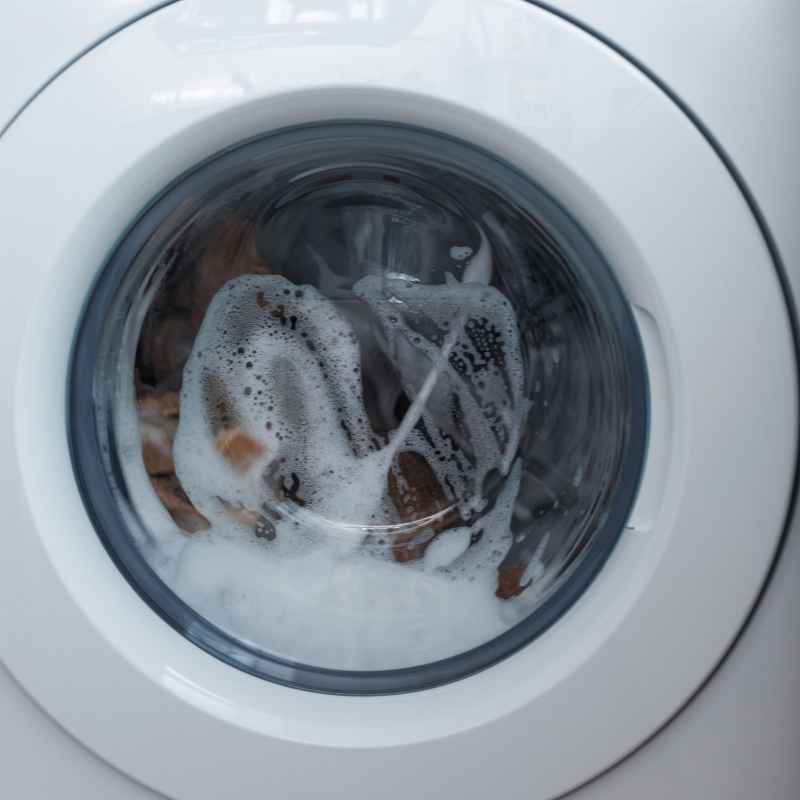
A washing machine can do a lot of the hard work for you. It can agitate the mats to loosen dirt. It can rinse away the grime.
This saves you time and effort. It’s a modern solution for an old problem. Many people find it much easier.
However, not all mats are suitable for a machine wash. This is the most important thing to remember. If your mats are made of a very stiff material, or have a lot of electronics embedded, a machine wash is a bad idea.
Always check for labels or manufacturer recommendations first.
For most common rubber or fabric mats, a washing machine can be a lifesaver. It offers a deep clean that’s hard to achieve manually. You get a better result with less personal strain.
It’s about making your life a little easier.
When Your Car Mats Are NOT Machine Washable
This is where empathy really kicks in. I’ve seen people ruin good mats by putting them in the wash. It’s a frustrating mistake.
You end up with mats that are torn, misshapen, or completely unusable. Then you have to buy new ones.
So, when should you skip the washing machine? First, if the mat has a stiff plastic or heavy-duty rubber backing. Think of those heavy, molded all-weather mats.
They are built to be tough, but not necessarily to tumble around in a machine. The rigid structure can crack or break.
Second, if the mats have any wiring or electronic sensors. Some modern cars have sensors in the floor mats. These alert the car if someone is in the seat.
Washing these in a machine can damage the electronics. This could be an expensive mistake.
Third, very old or brittle mats. If they feel like they might fall apart if you bend them, a washing machine will surely break them. They are too fragile for the agitation.
Always test a small, inconspicuous spot if you’re unsure. Gently bend it. If it feels like it will snap, don’t machine wash.
Finally, mats with a lot of loose fibers or attachments. If they have fringe or very plush, loose fibers, these can get caught and ripped out. The machine can damage the decorative parts.
It’s better to clean these by hand or with a specialized method.
First Step: Checking the Mat Material
Before you even think about the washing machine, look at your mats. What are they made of? This is your biggest clue.
Most car mats fall into a few categories. Knowing yours helps you avoid damage.
Rubber or Vinyl Mats: These are usually the easiest. They are tough and water-resistant. They can handle a good wash.
They might get stiff if washed in hot water, though. So, cool water is better. These are often the ones that look like a heavy-duty tray.
Carpet or Fabric Mats: These are like rugs for your car. They soak up dirt. They can get stained easily.
They are more prone to wear and tear. Some are made to be durable. Others are more delicate.
You need to be gentler with these.
All-Weather Mats: These are a mix. They often have a rubber or plastic tray-like bottom and a carpeted top. The key is the backing and the overall structure.
If they are very rigid, hand washing might be safer. If they have some flexibility, they might be okay for the machine.
Specialty Mats: These might include luxury mats, or mats with custom designs. Always err on the side of caution with these. A quick Google search of the brand and model might tell you more.
Or, contact the car manufacturer.
I remember once trying to wash a set of older, stiff rubber mats. I just tossed them in. The machine’s spin cycle was too much.
They came out with cracks. That was a lesson learned: know your material.
Mat Material Quick Guide
Rubber/Vinyl: Generally machine washable (gentle cycle, cold water).
Carpet/Fabric: Most machine washable, but check for durability labels.
All-Weather (Flexible): Often machine washable, but check backing.
All-Weather (Rigid): Hand wash recommended to avoid cracking.
Mats with Electronics: NEVER machine wash.
Old/Brittle Mats: Hand wash or spot clean only.
Preparing Your Mats for the Wash
Now, let’s get them ready. This step is super important. If you skip it, you might end up with a messy machine.
Or worse, the dirt might just spread around.
First, shake them out really well. Take them outside and give them a good beating. Get as much loose dirt, sand, and debris off as possible.
This stops your washing machine from becoming a giant dirt trap. I like to hang them on a fence and hit them with a broom handle.
Next, inspect them. Look for any large rocks, gravel, or sharp objects. These could damage the washing machine drum or the mats themselves.
Pull them out. If there are thick mud clumps, try to scrape some of that off too. A trowel or putty knife works well for this.
For fabric mats, try to pre-treat any tough stains. A little bit of stain remover spray can help break down the stain before washing. Let it sit for a few minutes.
Don’t use too much, though. You don’t want to soak the mat.
What about those really stubborn stains, like oil or grease? For these, it’s often better to spot clean them before they go in the machine. Use a dedicated degreaser or a strong soap.
Gently scrub the spot. Rinse it well. This gives you a better chance of removing it completely.
If you have rubber mats with tough grime, a quick rinse under a hose might be helpful. This gets off the really loose stuff. It makes the machine’s job easier.
This preparation phase is key to a successful wash. It’s like prepping a canvas before you paint. You want a clean start.
It ensures the machine can actually clean the mats, not just move the dirt around.
Choosing the Right Washing Machine Settings
Okay, you’ve checked your mats. They look ready. Now, how do you set the machine?
This is where you protect both your mats and the machine.
Water Temperature: Always use cold water. Hot water can cause some materials to shrink or warp. It can also set certain stains.
Cold water is safer for most car mat materials. It’s still effective at cleaning the dirt and grime.
Wash Cycle: Pick a gentle or delicate cycle. You don’t need a heavy-duty wash. The agitation on a gentle cycle is enough to loosen dirt.
It won’t be as rough on the mats. This helps prevent tearing or stretching. Think of it like washing a sweater on a delicate setting.
Load Size: Don’t overload the machine. You can probably wash one or two mats at a time. If you have a large SUV with four big mats, you’ll need to do them in batches.
The mats need room to move around freely. Overloading means they won’t get clean and can damage the machine.
Spin Speed: Use a low spin speed. A high spin speed can be very harsh. It can stretch or tear the mats.
It can also be tough on the washing machine’s suspension. Low spin is gentler and still gets enough water out.
What about the detergent? You need to be careful here too. Use a mild detergent.
A regular laundry detergent is usually fine. Avoid harsh chemicals or bleach. Bleach can damage the color and material of many mats.
Use just a small amount. Too much soap can leave residue.
I learned this the hard way with a load of towels once. I used too much detergent. The towels came out stiff and had a weird film.
So, for car mats, less is definitely more when it comes to soap.
Washing Machine Settings Cheat Sheet
- Water Temp: Cold
- Cycle: Gentle or Delicate
- Spin Speed: Low
- Detergent: Mild, small amount
- Load: 1-2 mats at a time (don’t overload)
How to Wash Different Mat Types
Let’s dive into the specifics for common mat types. This helps you tailor the wash to your specific needs.
Washing Rubber and Vinyl Mats
These are usually pretty straightforward. Because they are non-porous, dirt sits on top or gets embedded in grooves. The key is to get that dirt out.
Start with a good shake and scrape to remove solids. You can pre-rinse them with a hose if they are very dirty. Set your washing machine to cold water, gentle cycle, and low spin.
Use a mild detergent. Don’t use fabric softener, as it can make rubber slippery.
After the wash cycle, check them. If there’s still grime in the grooves, you might need to do a quick spot clean with a brush before they go in the dryer or air dry. Sometimes, a second quick wash is needed.
For very stubborn spots on rubber, a paste of baking soda and water can work wonders. Gently scrub it on the spot, let it sit, then rinse. This is best done before or after the machine wash.
Washing Carpet and Fabric Mats
These can absorb more liquids and odors. The washing machine is great for them, but you need to be mindful of wear and tear.
Shake them out thoroughly. Pre-treat any stains with a fabric stain remover. Set the machine to cold water, gentle cycle, and low spin.
Use a mild detergent. You can use a fabric softener if you like, but be aware it can sometimes make them feel slick and reduce grip.
After washing, check for any remaining stains. If you see any, you can try spot treating them again. For odors, a cup of white vinegar added to the rinse cycle can help.
It breaks down odor-causing bacteria.
Be extra careful with older carpet mats. The backing might be weaker. Ensure they aren’t over-agitated.
Washing All-Weather Mats (Flexible)
These often have a rubber base and a carpeted top. The key is how they are constructed. If they are somewhat flexible and the carpet is well-attached, they can often be washed.
Follow the same steps as rubber mats: shake, scrape, pre-rinse if needed. Use cold water, gentle cycle, and low spin. Mild detergent is best.
Avoid harsh chemicals that could break down the different materials.
After washing, inspect the seam where the carpet meets the rubber. Make sure it’s still intact. Air drying is usually the best bet for these.
I once had a set of these where the carpet started to peel after a few washes. It seems the glue wasn’t strong enough for the machine’s stress. So, always monitor them.
Mat Type Washing Tips
Rubber/Vinyl
Focus: Groove cleaning.
Tip: Pre-rinse. Avoid fabric softener.
Carpet/Fabric
Focus: Stain & odor removal.
Tip: Pre-treat stains. Vinegar in rinse for odors.
All-Weather (Flexible)
Focus: Material integrity.
Tip: Check seams after wash. Avoid harsh chemicals.
The Drying Process: Crucial for Longevity
This is just as important as the washing itself. If you dry them wrong, you can undo all your hard work. And you can damage the mats.
Air Drying is Best: Always aim to air dry your car mats. This is the safest method. It prevents shrinking and warping.
It also protects any special materials or backings.
Where should you dry them? Find a well-ventilated spot. Outdoors in the shade is ideal.
Sunlight can be too harsh for some materials. It can fade colors or make rubber brittle over time. If you have to dry them inside, open windows and use fans to help air circulate.
How should you position them? Lay them flat or hang them over something sturdy. For rubber mats, hanging them over a sturdy rack works well.
For fabric mats, laying them flat is often better to maintain their shape. You want air to reach all surfaces.
Avoid the Dryer: Never put car mats in a clothes dryer. The heat is usually too intense. It can cause significant shrinking, warping, or even melting of rubber or plastic components.
It can also damage the mat’s backing, causing it to crack or peel.
I learned this with some floor mats for my garage. I was impatient. I threw them in the dryer.
They came out warped and misshapen. They never lay flat again. It was a costly mistake.
Ensure They Are Completely Dry: This is critical. Before putting them back in your car, make sure they are 100% dry. Damp mats can lead to mold and mildew.
This causes bad smells and can damage your car’s carpet underneath. It can take 24-48 hours for them to dry completely, depending on humidity and temperature.
Feel them. Check corners and edges. If they still feel cool or damp, let them dry longer.
Patience here saves you trouble later.
Air Drying Tips
Location: Shaded, well-ventilated area (outdoors preferred).
Position: Flat or hung over a sturdy support.
Time: 24-48 hours, or until completely dry.
Avoid: Clothes dryer, direct harsh sunlight.
Cleaning Your Washing Machine Afterward
This is a vital step that many people forget. After washing car mats, your washing machine drum can have leftover dirt, grit, and residue. This can transfer to your clothes on the next wash.
That’s not something you want!
First, run a rinse cycle with no clothes or mats inside. This helps flush out loose debris. You might even see some dirt come out in the water.
Next, take a damp cloth and wipe down the inside of the drum. Pay special attention to the rubber seal around the door. This is a common place for dirt and grime to collect.
You might find small rocks or bits of rubber lodged there.
For a deeper clean, you can run an empty hot water cycle with a washing machine cleaner. Many brands sell these. Alternatively, you can use about 2 cups of white vinegar poured directly into the drum.
Or, about half a cup of baking soda. Run a full hot cycle.
Some machines have a “tub clean” cycle. If yours does, use it. This is designed to clean out the inside of the machine.
It’s a good idea to run this every few months anyway, not just after washing mats.
Always let the washing machine door stay open after use. This allows the inside to dry out. It helps prevent mold and mildew from growing.
This is good practice for any washing machine.
I always feel a sense of accomplishment after cleaning the machine. It means I’m ready for regular laundry again without worry.
When to Consider Professional Cleaning or Replacement
Sometimes, even with the best intentions, your car mats might be beyond repair or home cleaning. It’s good to know when to call it quits and seek other options.
Professional Cleaning Services: If your mats are made of a special material, or have intricate designs, a professional car detailing service might be your best bet. They have specialized equipment and cleaning solutions. They know how to handle delicate materials without causing damage.
This can be a good option if you’re unsure or the mats are valuable.
Signs It’s Time for Replacement:
- Excessive Wear and Tear: If the mats are ripped, torn, or have large holes, they are no longer protecting your car’s floor effectively.
- Severe Stains: Some stains, like permanent ink or rust, might be impossible to remove fully.
- Degraded Backing: If the backing is flaking off, crumbling, or has lost its grip, it’s a sign the mat is breaking down.
- Persistent Odors: If despite thorough cleaning, the mats continue to smell bad, it means odors are deeply embedded in the material and can’t be removed.
- Cracked or Warped Mats: If mats are permanently misshapen from previous damage or improper drying, they won’t lay flat and can be a tripping hazard.
Replacing your mats isn’t always a bad thing. New mats can make your car look and feel much cleaner. They offer better protection.
It’s an investment in your car’s interior. When choosing new mats, consider the material and your driving conditions. All-weather mats are great for areas with lots of rain or snow.
I once had a set of mats that were just old. They were faded, worn, and the rubber backing was cracked. No amount of washing helped.
Replacing them was the best decision. The car felt so much fresher.
Preventing Future Mat Grime
The best way to deal with dirty mats is to keep them from getting too dirty in the first place. It saves you time and effort in the long run.
Regular Shake-Outs: Make it a habit to shake out your mats once a week, or even more often if you live in a dusty or muddy area. A quick shake outside can remove a surprising amount of dirt before it gets ground in.
Use All-Weather Mats: If you don’t already have them, consider getting a set of all-weather floor mats. These are designed to catch mud, snow, and water. They have raised edges that contain spills.
They are much easier to clean than fabric mats.
Clean Up Spills Immediately: Don’t let spills sit. The longer they are there, the harder they are to remove. Wipe up any messes as soon as they happen.
Footwear Etiquette: Encourage passengers to wipe their feet before getting in the car, especially on muddy or snowy days. A small brush by the car door can help.
Keep a Small Brush or Scraper Handy: For those quick clean-ups, having a small brush or scraper in your car can be useful for removing loose debris. This is especially helpful for rubber mats.
These small habits can make a big difference. They help keep your car’s interior looking cleaner for longer. They also mean you won’t have to tackle a massive deep clean as often.
Frequently Asked Questions About Washing Car Mats
Can I wash all car mats in any washing machine?
No, not all car mats are machine washable. You must check the material and any labels first. Stiff rubber, mats with electronics, or very old mats should not go in a washing machine.
Always err on the side of caution.
How often should I wash my car mats?
This depends on how much you use your car and the conditions. For heavy use or bad weather, you might wash them every 1-2 months. For lighter use, 3-6 months might be enough.
Regular shake-outs can extend the time between washes.
Will washing my car mats shrink them?
Yes, some materials can shrink if washed in hot water or dried with high heat. This is why using cold water and air drying is crucial. Always follow the recommended washing and drying methods to avoid shrinking.
What if my mats have a strong rubber smell after washing?
This can happen with rubber mats. Ensure they are completely dry and aired out. You can place them in a well-ventilated area with baking soda nearby, or use a car interior deodorizer.
Sometimes the smell fades with time and use.
Can I use bleach to clean my car mats?
It’s generally not recommended to use bleach on car mats. Bleach can damage the color and the material. It might make rubber brittle or fade fabric colors.
Stick to mild detergents and specialized cleaners if needed.
How do I get rid of a musty smell in carpet mats?
For musty smells in carpet mats, add about one cup of white vinegar to the rinse cycle of your washing machine. Vinegar helps break down odor-causing bacteria. Ensure the mats are completely dry after washing to prevent the smell from returning.
What is the best way to clean heavily soiled car mats?
Start with a thorough shake and scrape to remove loose debris. Pre-treat stubborn stains with a suitable cleaner. For very dirty rubber mats, a scrub brush and a strong soap or degreaser can help.
For fabric mats, pre-treating and a good quality detergent are key. Always ensure the machine settings are gentle and use cold water.
Conclusion
Washing car mats in a washing machine is totally doable for many. The trick is to be smart about it. Check your mat’s material first.
Use the right machine settings. And always air dry them completely. Taking these steps helps keep your mats in great shape.
It also keeps your car’s interior looking fresh. Happy washing!
Products related to this article
Sponsored / affiliate links. As an Amazon Associate I earn from qualifying purchases. I may earn additional commission from eligible campaigns.