How to Remove Tattoo Ink From Carpet: Effortless Guide
Removing tattoo ink from carpet is achievable! This guide offers simple, step-by-step methods using common household items. Act fast, blot gently, and test solutions in an inconspicuous area first to restore your carpet’s appearance effectively.
Life can be messy, and sometimes, accidents happen. Whether a stray marker slipped from a child’s hand, a pen leaked in a bag, or a hobby project went awry, encountering ink on your carpet can be disheartening. You might think it’s a permanent stain, but don’t worry! With the right approach, you can tackle these colorful mishaps and make that ink disappear, just like magic. This guide is here to walk you through it, step by step, making the process simple and stress-free. We’ll cover everything you need to know to get your carpet looking as good as new.
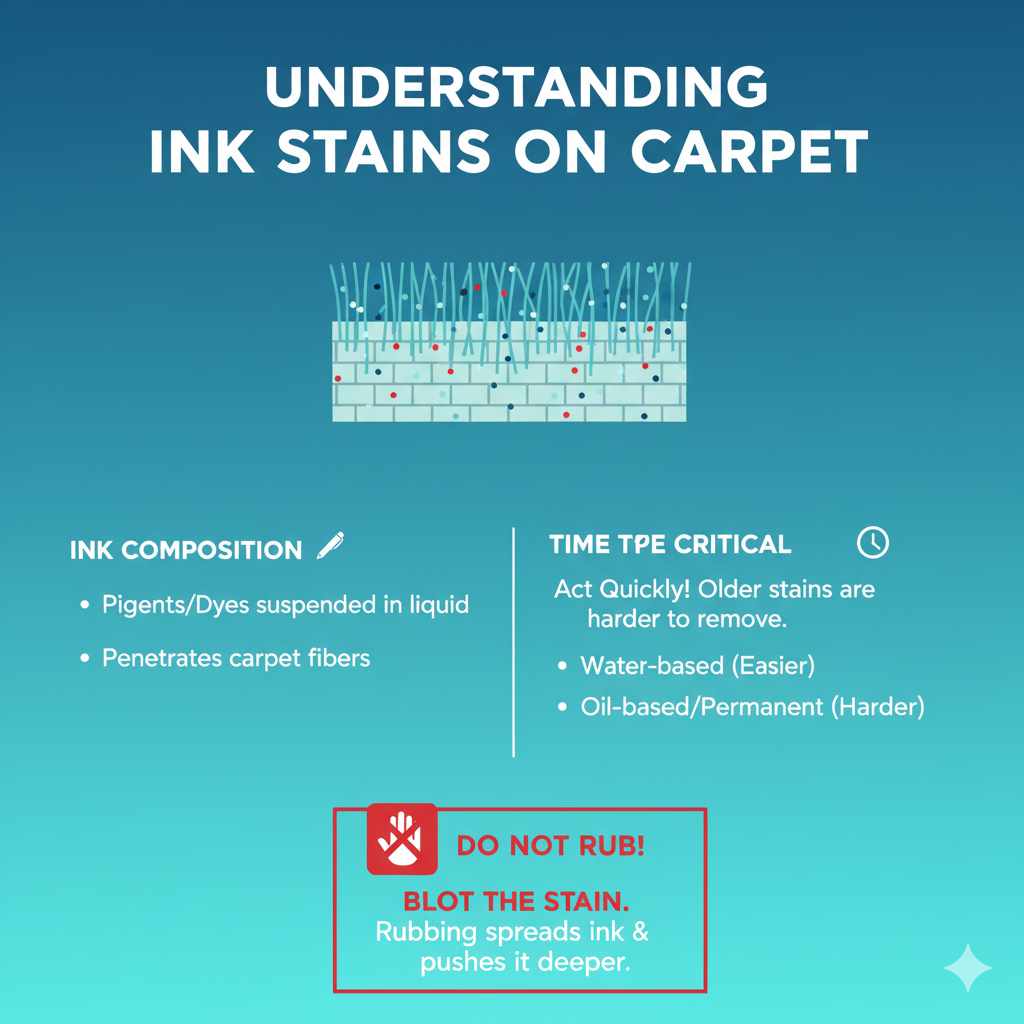
Understanding Ink Stains on Carpet
Ink is made of pigments or dyes suspended in a liquid. When it hits your carpet, those tiny color particles sink into the fibers. The type of ink matters – some are water-based and easier to clean, while others are oil-based or permanent, requiring a bit more effort. The key to successfully removing any ink stain is to act quickly. The longer ink sits, the deeper it penetrates the carpet fibers and backing, making it much harder to lift out. Always remember to blot, not rub, an ink stain. Rubbing can spread the ink further and push it deeper into the carpet, making the problem worse.
Gather Your Cleaning Arsenal
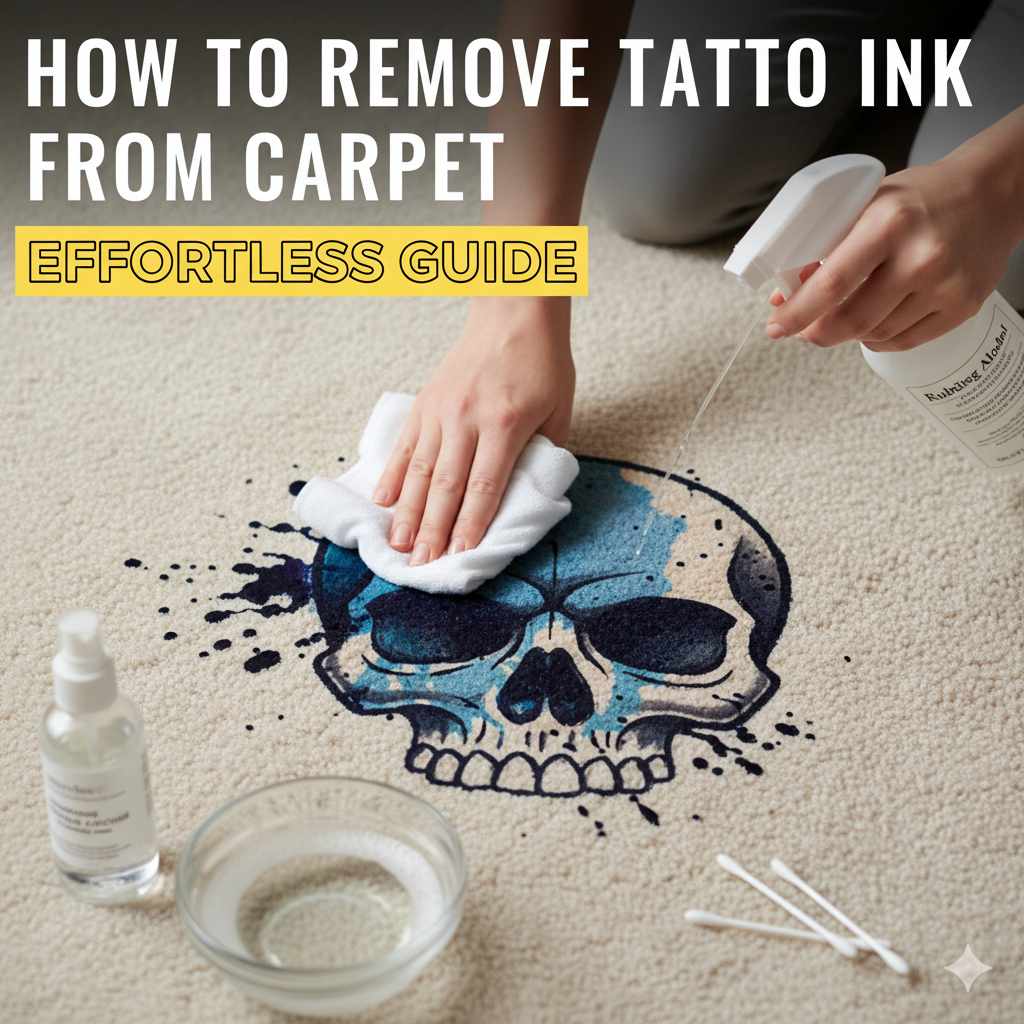
Before you start, it’s good to have a few basic cleaning supplies ready. Having these on hand will help you tackle the stain efficiently as soon as you spot it. This preparation makes the entire cleaning process smoother and more successful. Think of this as getting your toolbox ready before you start a repair job – it saves time and frustration.
Essential Cleaning Supplies:
- Clean white cloths or paper towels (white is important to avoid transferring dye from the cloth to your carpet)
- A small bowl
- Water (cool or lukewarm)
- Mild dish soap or laundry detergent
- Rubbing alcohol (isopropyl alcohol)
- Hairspray (some formulas contain alcohol)
- White vinegar
- Baking soda
- Vacuum cleaner
- Spatula or dull knife (for scraping up any excess ink if dried)
Step-by-Step Guide to Removing Ink Stains
This guide will take you through the most effective methods for removing ink stains. We’ll start with the gentlest approaches and move to stronger solutions if needed. Always remember to test any cleaning solution on an inconspicuous area of your carpet first to ensure it doesn’t cause discoloration or damage. A good spot to test might be inside a closet or under a piece of furniture.
Step 1: Blot Up Excess Ink
As soon as you notice the ink, grab a clean white cloth or paper towel. Gently blot the stained area. Start from the outside of the stain and work your way inward. This technique prevents the ink from spreading. Continue blotting with fresh sections of the cloth until no more ink transfers onto it. If the ink is dried, you might need to gently scrape up any excess with a spatula or the dull edge of a knife before proceeding.
Step 2: Try a Soap and Water Solution
This is the mildest approach and often works for water-based inks.
- Mix a teaspoon of mild dish soap or liquid laundry detergent with two cups of cool water.
- Dip a clean white cloth into the solution, wringing it out so it’s damp, not soaking wet.
- Gently blot the stained area.
- Continue blotting with clean sections of the cloth.
- Once the stain seems to be lifting, rinse the area by blotting with a cloth dampened with plain cool water. This removes soap residue.
- Blot thoroughly with a dry cloth to absorb as much moisture as possible.
Step 3: Use Rubbing Alcohol (Isopropyl Alcohol)
Rubbing alcohol is excellent for breaking down many types of ink, especially permanent marker.
- Dip a clean white cloth into rubbing alcohol.
- Gently blot the ink stain. You should see the ink transferring to the cloth.
- Keep moving to a clean part of the cloth and applying more alcohol as needed until the stain is gone.
- Once the stain is removed, blot the area with a cloth dampened with cool water to rinse.
- Dry the area by blotting with a clean, dry cloth.
Rubbing alcohol can be found at most drugstores and supermarkets. According to the U.S. Environmental Protection Agency (EPA), choosing products with fewer hazardous ingredients is always a good practice when cleaning, and while alcohol is effective here, it’s best to ventilate the area well during use.
Step 4: Consider Hairspray
Certain hairsprays contain alcohol, making them a surprisingly effective stain remover.
- Spray a small amount of aerosol hairspray directly onto the ink stain. Make sure it’s an aerosol type, as pump sprays may not work as well.
- Let it sit for a minute or two.
- Gently blot the stain with a clean white cloth.
- Repeat if necessary.
- Rinse the area by blotting with a damp cloth.
- Dry by blotting with a clean, dry cloth.
Important Note: Not all hairsprays are created equal. Test this method in an inconspicuous area first, as some formulations might leave a residue or affect certain carpet types. Look for hairspray containing alcohol as its primary ingredient for best results.
Step 5: Try a Vinegar Solution
White vinegar is a natural cleaner that can help lift stubborn stains.
- Mix one part white vinegar with one part cool water.
- Dip a clean white cloth into the solution.
- Blot the ink stain.
- Let the solution sit on the stain for about 5-10 minutes.
- Blot again with a clean cloth.
- Rinse the area with a water-dampened cloth.
- Blot dry.
Step 6: Baking Soda Paste for Tough Stains
For set-in or particularly stubborn ink stains, a baking soda paste can work wonders.
- Mix baking soda with a small amount of water to create a thick paste.
- Apply the paste directly to the ink stain.
- Let the paste dry completely. This can take several hours. As it dries, it will absorb the ink.
- Once dry, gently scrape away the hardened paste with a spatula or stiff brush.
- Vacuum the area thoroughly to remove any remaining residue.
- If a slight shadow remains, you can try one of the other methods (like rubbing alcohol) on the residual mark.
Step 7: Final Rinse and Drying
No matter which method you use, the final step is crucial for a clean finish.
- After the stain is removed, lightly dampen a clean cloth with plain cool water.
- Blot the treated area to remove any cleaning solution residue. This is important to prevent the area from attracting dirt later.
- Use a clean, dry cloth or paper towels to blot up as much moisture as possible.
- You can place a stack of dry paper towels over the damp spot and weigh them down with a heavy object (like a stack of books) overnight to wick up remaining moisture.
- Once completely dry, vacuum the carpet to restore its texture.
Special Considerations for Different Ink Types
Understanding the type of ink you’re dealing with can significantly impact your cleaning strategy. Here’s a quick breakdown:
| Ink Type | Characteristics | Recommended Primary Method(s) | Additional Tips |
|---|---|---|---|
| Water-Based Ink (e.g., washable markers, some ballpoint pens) | Generally the easiest to remove. Dries relatively quickly and doesn’t penetrate as deeply. | Soap and Water Solution, Vinegar Solution | Fades with gentle blotting. Act immediately for best results. |
| Oil-Based Ink (e.g., permanent markers, some printing inks) | More stubborn. Pigments are suspended in oil, which helps them adhere to fibers. | Rubbing Alcohol, Hairspray | Requires a solvent to break down the oil. Blotting is key to prevent spreading the oily residue. |
| Dye-Based Ink (e.g., fountain pen ink, fabric markers, some printers) | Can be very vibrant and penetrate quickly. Colorfastness varies. | Rubbing Alcohol (often effective), Soap and Water (for less intense dyes) | Some dyes can permanently alter carpet color if not removed promptly. Test solutions carefully. |
| Ballpoint Pen Ink | Falls between water-based and oil-based. Some are alcohol-soluble. | Rubbing Alcohol, Hairspray, Soap and Water | The alcohol-based methods are usually the most effective for ballpoint ink. |
When to Call a Professional
While most ink stains can be tackled with the methods outlined above, there are times when it’s best to call in the cavalry. If the stain is very large, if the ink is of an unknown or particularly persistent type, or if your carpet is made of delicate natural fibers like silk or wool, a professional carpet cleaner has specialized equipment and solutions. They have the expertise to diagnose the stain and treat it without damaging your carpet. For example, some natural fiber carpets can be easily damaged by harsh chemicals or even excessive moisture. The Carpet and Rug Institute (CRI) recommends professional cleaning periodically to maintain carpet appearance and longevity, and this can be especially true after a significant stain event.
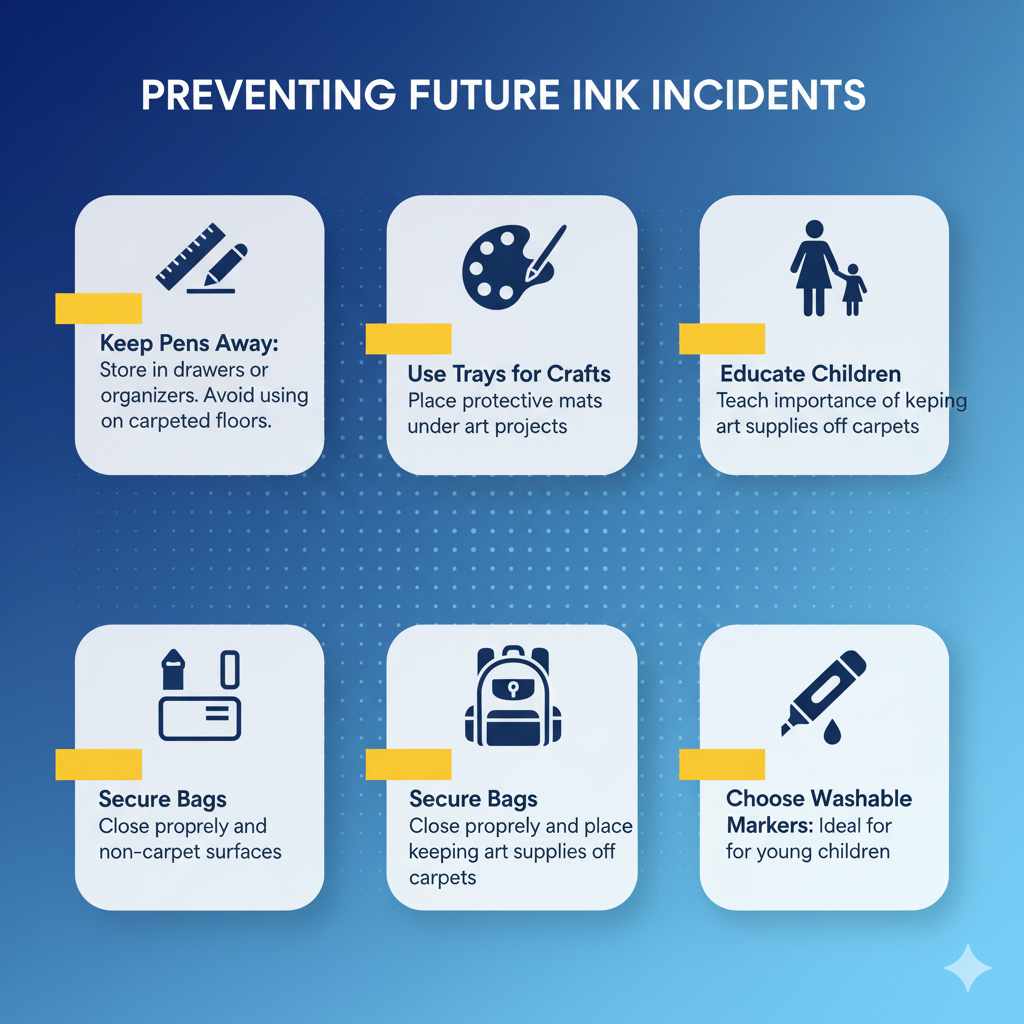
Preventing Future Ink Incidents
Prevention is always better than cure! While you can’t eliminate all risks, you can take steps to minimize the chances of ink stains on your carpet.
- Keep Pens Away from High-Traffic Areas: Store pens and markers in drawers, desk organizers, or pencil cases. Avoid using them while walking around or sitting on the carpeted floor.
- Use Trays for Craft Projects: When engaging in art or craft activities that involve ink, paint, or markers, always place a protective mat, old towel, or tray underneath your workspace.
- Educate Children: Teach children about the importance of keeping art supplies away from carpets and furniture.
- Secure Bags and Backpacks: When carrying items that might contain pens or markers (like school bags or purses), ensure they are closed properly and, if possible, placed on a surface other than the carpet when not in use.
- Choose Washable Markers: If young children are involved, opt for only washable markers.
Frequently Asked Questions (FAQ)
Q1: How fast should I clean an ink stain?
As quickly as possible! The sooner you address an ink stain, the easier it will be to remove. Fresh stains haven’t had time to deeply penetrate the carpet fibers.
Q2: Can I use bleach to remove ink from my carpet?
It’s generally not recommended to use bleach on carpet unless it’s specifically a carpet-safe bleaching product and your carpet is white or colorfast. Bleach can easily discolor or damage carpet fibers, especially dyed ones. Always test any cleaning product in a hidden spot first.
Q3: I’ve tried a few things, but the stain is still there. What next?
If simple methods aren’t working, move to stronger solutions like rubbing alcohol or a vinegar solution. If those don’t fully remove it, consider a commercial carpet stain remover specifically designed for ink, or it may be time to call a professional cleaner.
Q4: Will hairspray damage my carpet?
Some hairsprays, particularly those with high alcohol content, can be effective. However, it’s crucial to test in an inconspicuous area first. Some formulations might leave a sticky residue or affect certain carpet types. Always rinse thoroughly afterward.
Q5: My carpet is an unusual material like wool or silk. Can I use these methods?
For delicate natural fibers like wool or silk, it’s best to be very cautious. Water-based solutions might be okay, but alcohol and harsh chemicals can cause damage. For these materials, professional cleaning is often the safest and most effective option. Check your carpet manufacturer’s care guide.
Q6: What’s the difference between blotting and rubbing?
Blotting means gently pressing a cloth onto the stain to absorb liquid or lift residue. Rubbing involves moving the cloth back and forth, which can spread the stain, fray carpet fibers, and push the ink deeper into the carpet’s backing.
Conclusion
Dealing with an ink stain on your carpet can feel like a major setback, but as you’ve seen, it’s often a manageable issue. By understanding the nature of ink stains and following these clear, step-by-step methods, you can effectively tackle a wide range of ink mishaps. Remember the golden rules: act fast, blot carefully, always test solutions first, and work from the outside in. Whether you use simple soap and water, a household staple like rubbing alcohol, or a trusty vinegar solution, you have the power to restore your carpet. Don’t let an ink spill keep you down; with a little patience and the right approach, your carpet can look spotless again.