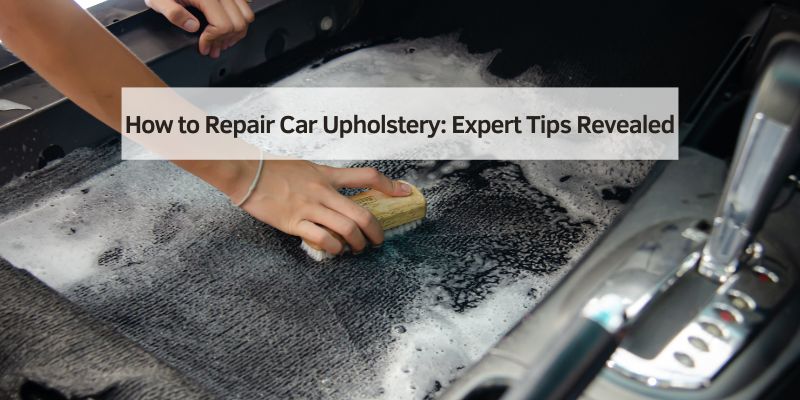
How to Repair Car Upholstery: Expert Tips Revealed
Repairing car upholstery can seem challenging. But with guidance, it’s doable.
Fixing upholstery yourself saves money and keeps your car looking fresh. Whether it’s a tear, stain, or worn spot, understanding the basics can help restore your car’s interior. This guide will walk you through simple steps to repair different types of upholstery issues.
You don’t need to be an expert to tackle these problems. With some patience and the right tools, you can make your car seats look good again. We’ll cover different materials and techniques, ensuring you find the best solution for your needs. So, let’s dive into the world of car upholstery repair and give your vehicle the care it deserves.
Assessing Upholstery Damage
Car upholstery can have many problems. Stains are very common. Tears and rips happen often too. They make the car look old. Burns from cigarettes are another issue. Fading can occur from the sun. Loose threads might appear over time. Sagging cushions are also a sign of damage. These issues need fixing soon.
Check the size of the damage. Small stains may need simple cleaning. Big tears might need patching. Burns can require new fabric. Fading often needs fabric dye. Look at the cost of fixing. Some repairs need experts. Others you can do yourself. Consider the time needed for the repair. Quick fixes might be enough for small issues. Complex problems can take longer to fix. Decide what is most urgent. Fix those first.
Essential Tools And Materials
Fixing car upholstery needs some important tools. First, get a sewing kit. It should have a needle and strong thread. Use a pair of scissors for cutting. A screwdriver helps remove seats. Don’t forget a wrench. A heat gun can smooth wrinkles. Keep a staple gun handy. It helps fix loose fabric. Having these makes the job easier.
Picking the right materials is key. Fabric should match your car. Check its color and texture. Get vinyl for easy cleaning. Leather looks nice but costs more. Foam padding adds comfort. Buy adhesive to stick things. Make sure it is strong. These choices matter for a good finish.
Cleaning And Preparation
Always start by removing loose dirt from the car seats. Use a soft brush for this. Make sure to get into the corners. Vacuum the upholstery to remove dust. This makes the fabric ready for cleaning.
Check the upholstery for any stains or marks. Use a mild cleaner for tough stains. Test the cleaner on a small area first. Ensure the fabric does not fade. After cleaning, let the seats dry. Use a fan if needed. This prevents mold growth.
Repairing Fabric Upholstery
Fabric patches can save your car seats. Use a patch that matches the seat color. Cut the patch to fit the hole. Glue the patch on the seat. Press hard for a good stick. Let it dry before use. This keeps the seat looking neat.
Sewing fixes tears in fabric seats. Use a needle and thread that match the seat. Begin by tying a knot in the thread. Sew the tear closed with small stitches. Pull the thread tight for strength. Tie off the thread when done. This helps the seat last longer.
Fixing Leather Upholstery
Leather repair kits are handy. They contain tools and instructions. Follow the steps carefully. Kits include patches, glue, and color mix. Clean the leather first. A clean surface helps the glue stick. Apply the patch smoothly. Press down firmly. Let it dry well.
Matching the color is important. Kits have different colors. Mix them to match your leather. Test on a small spot first. Apply the color using a sponge or brush. Be gentle. Let it dry completely. After drying, apply a leather finish. This seals the repair. It makes the leather shine. Your upholstery will look good as new.
Credit: blog.nationwide.com
Dealing With Vinyl Upholstery
Fixing vinyl car upholstery requires simple tools and steps. First, clean the damaged area thoroughly. Then, apply a vinyl repair kit to patch up tears or holes, ensuring a smooth finish.
Vinyl Patch Application
Vinyl patches are great for fixing small tears. First, clean the damaged area well. Use soap and water or a cleaner. Dry the area completely before applying the patch. Then, cut the patch to fit the tear. Make sure it covers the damage fully. Peel the backing from the patch. Press the patch firmly onto the tear. Smooth out any wrinkles. Let it dry for a few hours. This will ensure it sticks properly. A well-applied patch lasts a long time.
Heat Repair Methods
Heat repair works for small cracks and holes. Use a vinyl repair kit with a heat tool. First, clean and dry the damaged area. Then, select the right color repair compound. Apply the compound over the crack or hole. Use the heat tool to cure the compound. Move the tool evenly over the area. This helps blend the repair into the vinyl. Let it cool and check your work. If needed, repeat the process for a better finish. Proper heat repair keeps the vinyl looking new.
Addressing Foam And Padding
Old foam can feel hard and uncomfortable. Remove the seat cover gently. Check if the foam is damaged or worn out. New foam can be cut to size. Use a sharp knife or scissors for neat edges. Glue the foam to the seat frame. Ensure it fits snugly without gaps. This keeps the seat firm.
Good padding helps you sit better. It supports your back and legs. Choose foam that is soft but firm. Test it by pressing down. It should return to shape quickly. Add a layer of padding on top if needed. This gives extra comfort and support. Always secure the foam properly. Loose foam moves around and feels uncomfortable.
Credit: blog.nationwide.com
Maintenance And Prevention
Repairing car upholstery involves assessing damage, selecting suitable materials, and applying repair kits for seamless results. Regular maintenance and gentle cleaning help prevent future wear and tear, keeping interiors pristine.
Regular Cleaning Tips
Clean car seats often. Use a vacuum to remove dust and crumbs. A soft cloth is good for wiping stains. Choose a mild soap for cleaning. Avoid harsh chemicals that damage fabric. Leather seats need special care. Buy a leather cleaner for them. Keep seats dry to avoid mold. Open windows for fresh air. Sunlight can fade colors. Use sunshades to protect seats. Clean spills quickly to prevent stains.
Preventive Measures For Longevity
Seat covers are helpful. They protect seats from dirt and spills. Park in the shade to keep seats cool. Hot sun can make seats crack. Avoid eating in the car. This reduces crumbs and spills. Pets should have a cover or blanket. This keeps fur off the seats. Check for loose threads and fix them. Small repairs stop big problems. Use a fabric protector spray. It adds a shield against stains.
When To Seek Professional Help
Deep cuts in car upholstery need expert care. Large holes in seats mean big problems. Burns from cigarettes or fire require professional repair. Stains that don’t come off need skilled hands. Torn fabric often gets worse without help. If foam under the fabric is damaged, it’s serious. Loose threads and frayed edges need fixing soon.
Experts use the right tools and materials. They make upholstery look new. Professionals know how to match colors and textures. Their work lasts longer than DIY fixes. Skilled workers can save time and effort. They ensure safety and comfort in your car. They also prevent further damage to the seats.
Frequently Asked Questions
How Do You Fix Torn Upholstery In A Car?
Clean the torn area with fabric cleaner. Use a patch repair kit for small tears. Glue fabric underneath, then sew or apply an iron-on patch for larger damage. Match color and texture for seamless repair. Regular maintenance prevents future damage.
How Much Does It Cost To Repair Car Upholstery?
Repairing car upholstery typically costs between $200 and $1,000. Prices vary based on material and damage severity. Leather repairs are more expensive than fabric. DIY kits are cheaper, but professional services guarantee quality. Always compare quotes for the best deal.
How Do You Fix Fabric On A Car Seat?
Clean the damaged area first. Use fabric glue to secure loose fabric. Press down firmly and let it dry. Trim excess threads or fabric with scissors. For larger tears, use a patch and sew it onto the seat, ensuring tight stitches.
How Do You Repair A Cigarette Burn In A Fabric Car Seat?
Cut a small fabric patch matching the seat color. Apply fabric adhesive to the patch and surrounding area. Press the patch into the burn hole. Let it dry completely. Trim excess fabric for a smooth finish.
Conclusion
Repairing car upholstery can be straightforward with the right tools. Start by identifying the damage. Then, gather necessary supplies. Follow step-by-step instructions carefully. Patience is key. Small repairs can save you money. Practice makes perfect. Soon, your car seats will look new again.
Taking care of upholstery improves your car’s interior. Happy fixing!