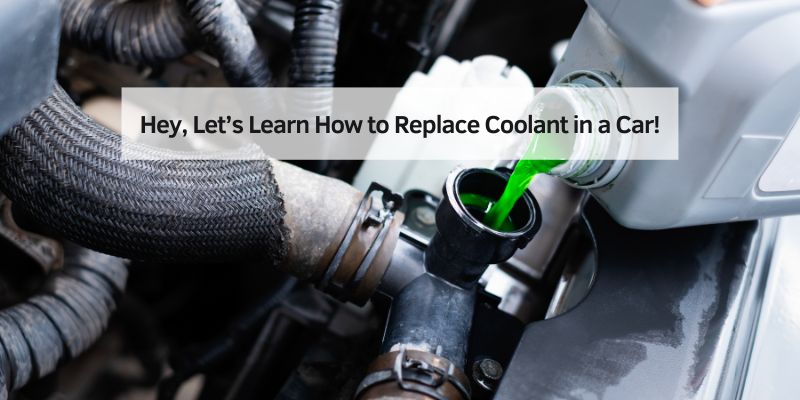
Hey, Let’s Learn How to Replace Coolant in a Car!
I’ll never forget my first time changing coolant in my old pickup truck. It was a hot summer day, and I wanted to keep my engine happy! In this guide, I’ll show you how to replace coolant in a car with easy steps. Whether you’re new to cars or a pro, you’ll find simple tips and tricks. We’ll cover what coolant is, why it matters, and how to do the job safely. Plus, I’ll share my favorite hacks to save money and avoid mistakes. Let’s get started and keep your car cool!
What Is Car Coolant and Why Replace It?
Coolant is a liquid that keeps your car’s engine from getting too hot. It’s like a cold drink for your car!
Why Coolant Matters
Coolant moves heat away from the engine to the radiator. It also stops freezing in winter and protects parts from rust.
Why Replace It?
Old coolant gets dirty and weak. Replacing it prevents overheating and engine damage.
Tools and Materials You’ll Need
You don’t need fancy tools to replace coolant. Here’s what I use:
- Coolant (antifreeze): Check your car’s manual for the right type.
- Distilled water: Mix with coolant for best results.
- Drain pan: Catches old coolant safely.
- Funnel: Helps pour new coolant neatly.
- Gloves and rags: Keeps your hands clean and safe.
- Wrench or screwdriver: For removing drain plugs or hoses.
Table 1: Tools for Coolant Replacement
| Tool/Material | Purpose | Approx. Cost |
|---|---|---|
| Coolant | Cools engine | $10-$20 |
| Distilled Water | Mixes with coolant | $1-$3 |
| Drain Pan | Catches old coolant | $5-$15 |
| Funnel | Pours coolant cleanly | $2-$5 |
Visual Idea: A simple diagram showing where the radiator and drain plug are in a car.
How to Replace Coolant in a Car: Easy Steps
Here’s my step-by-step guide to change coolant. Follow along, and you’ll be done in no time!
Step 1: Stay Safe
Always work on a cold engine. Hot coolant can burn you!
Step 2: Find the Radiator and Drain Plug
Look under the hood for the radiator. The drain plug is usually at the bottom.
Step 3: Place the Drain Pan
Put the drain pan under the plug. This catches the old coolant.
Step 4: Drain the Old Coolant
Open the drain plug with a wrench. Let all the coolant flow out.
Step 5: Flush the System
Pour distilled water into the radiator. Run the engine for 10 minutes, then drain again.
Step 6: Mix New Coolant
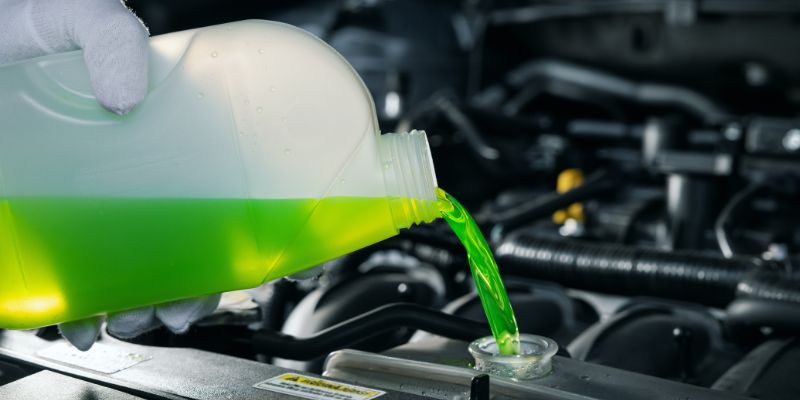
Mix coolant with distilled water (50/50 ratio). Use a clean container.
Step 7: Fill the Radiator
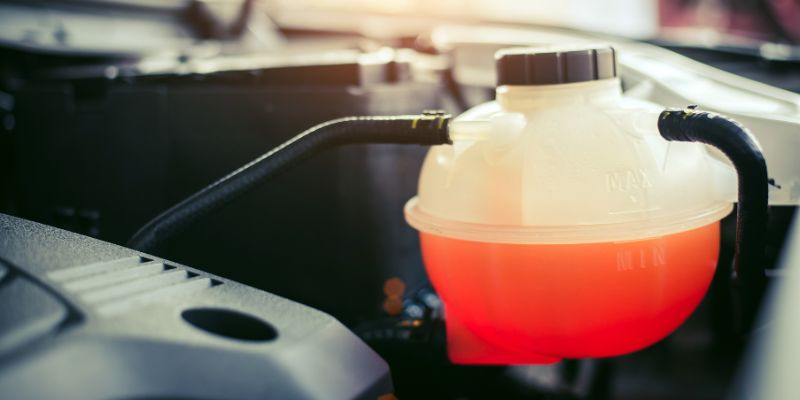
Use a funnel to pour the mix into the radiator. Fill to the “max” line.
Step 8: Bleed Air Bubbles
Run the engine with the cap off for 10 minutes. Add more coolant if needed.
Step 9: Check for Leaks
Look for drips under the car. Tighten plugs if needed.
Step 10: Dispose of Old Coolant
Pour old coolant into a sealed container. Take it to a recycling center.
Table 2: Coolant Replacement Steps
| Step | Action | Time Needed |
|---|---|---|
| Drain | Remove old coolant | 10-15 min |
| Flush | Clean system with water | 15-20 min |
| Fill | Add new coolant mix | 5-10 min |
Visual Idea: A chart showing the coolant flow from engine to radiator.
Benefits of Replacing Coolant
Fresh coolant keeps your engine cool and happy. It prevents costly repairs.
Drawbacks to Consider
It takes about an hour. Spills can be messy if you’re not careful.
Other Options
You can pay a mechanic ($50-$100). Or, use a coolant flush kit for easier cleaning.
Table 3: Coolant Change Options
| Method | Cost | Difficulty |
|---|---|---|
| DIY | $15-$30 | Medium |
| Mechanic | $50-$100 | Easy |
| Flush Kit | $20-$40 | Easy |
My Top Tips for Success
I’ve changed coolant in many cars. Here are my best tips:
- Check the manual: Every car needs a specific coolant type.
- Work slowly: Rushing leads to spills or mistakes.
- Keep pets away: Coolant is toxic and smells sweet.
Common Mistakes to Avoid
Don’t make these errors I learned the hard way:
- Mixing coolant types: It can clog your system.
- Opening a hot radiator: This causes burns.
- Forgetting to flush: Old gunk stays in the system.
Visual Idea: A photo of a coolant reservoir with “min” and “max” lines labeled.
Why I Love Doing This Myself
Changing coolant feels like giving my car a big hug. It’s satisfying to know I’m saving money and keeping my engine safe. Once, I helped a friend avoid a $200 repair by doing this. You can do it too! Check trusted sites like Car and Driver for more car care tips.
Frequently Asked Questions
What Is Car Coolant?
Coolant is a liquid that cools your car’s engine. It stops overheating and freezing. Mix it with water for best results. Always use the type your car’s manual suggests.
How Often Should I Replace Coolant?
Replace coolant every 30,000 miles or 2-3 years. Check your manual for exact timing. Old coolant loses its power and can harm your engine.
Can I Use Water Instead of Coolant?
Water works in an emergency but isn’t ideal. Coolant has special additives to prevent rust and freezing. Use a 50/50 coolant-water mix for safety.
How Do I Know If My Coolant Is Low?
Check the reservoir tank under the hood. If it’s below the “min” line, add more. A warning light on your dashboard may also signal low coolant.
Is It Safe to Change Coolant Myself?
Yes, if you follow safety steps. Work on a cold engine and wear gloves. Dispose of old coolant properly, as it’s toxic to pets and people.
What Coolant Type Should I Use?
Your car’s manual lists the right coolant. Common types include OAT for general use or phosphate-based for Japanese cars. Don’t mix different types!
Why Does My Car Overheat After a Coolant Change?
Air bubbles in the system can cause overheating. Run the engine with the cap off to bleed air. If it persists, check for leaks or get a mechanic’s help.
Conclusion
Replacing coolant in your car is easier than it sounds. With simple tools and my steps, you can keep your engine cool and happy. It saves money and feels great! Try it yourself, and share your story with friends. Visit AutoZone for coolant or NAPA Auto Parts for tools. Got a tip? Leave a comment below! Let’s keep our cars running smoothly!