How to Pop a Dent Out of a Car Bumper: Plastic Methods and Limits
A shallow, smooth dent in a plastic bumper cover is one of the few body-damage jobs a careful owner can try at home, because bumper plastics soften with gentle heat and tend to return toward their molded shape. The catch is that the same heat that helps can sag the plastic, crack the paint or, on some covers, turn the plastic into goo. This guide matches each bumper condition to a method, the risk and the point where a pro is the better call, using what repair write-ups, a patent describing shop practice and a car maker’s manual say, and it marks anything that is only my judgment.
On a plastic bumper cover (polypropylene or TPO), a shallow, smooth dent with intact paint can often be pushed out from behind after gentle warming. Use hot water or a hair dryer, not a flame or a hot heat gun held close. Push only when the plastic is warm, then let it cool. If you cannot reach behind it, try a glue-pull kit from the front. Stop and see a pro if the paint is cracked, the cover is split, the dent has a sharp crease, or the dent is near a parking sensor or radar unit.
Which Method Should You Use? (Quick Comparison)
Best Budget Glue-Pull Starter Kit
|
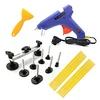
Paintless Dent Removal Kit: Bridge Puller, Hot Glue Gun and Pulling Tabs
|
This pick is based on the maker’s listing and our research, not hands-on testing. As an Amazon Associate we earn from qualifying purchases.
Match your dent to a row in the table below before you buy or try anything. Most bumper covers on modern cars are thermoplastic: the repair write-ups I read describe polypropylene (PP) and thermoplastic olefin (TPO) as common types, and urethane (PUR) as a different material that reacts badly to heat. If you cannot tell which yours is, ask a parts counter or a body shop before heating anything.
| Bumper condition | DIY method | Risk | When to see a pro |
|---|---|---|---|
| Shallow, smooth dent, paint intact, polypropylene or TPO cover, reachable from behind | Warm the area (hot water, or a hair dryer on high), push out gently from behind with a wood handle, let it cool | Low to moderate. Too little heat and the dent will not move; too much and the plastic sags or distorts | Pro if it will not move after a couple of warm-ups, or the paint starts to crack |
| Same dent, but brackets or structure block access from behind | Glue-pull or suction puller from the front, in small pulls | Moderate. The kit listings I read describe metal panels, not painted plastic, so adhesive and paint behavior on a cover is untested | Pro if the dent will not lift, or paint comes off with the tab |
| Sharp crease, fold line or whitened (stressed) plastic | None recommended. A crease is a fold in the plastic, not a bowl | High. Severe dents can leave stress cracks and often stay dented, per the repair write-up I read | Body shop |
| Cracked or split cover | None. Warming does not close a crack | High. Heat on a cracked cover can make the split worse (my judgment) | Body shop or replacement. Cracks in plastic covers are repaired by grinding a V-groove and filling, per Rick’s Free Auto Repair Advice |
| Urethane (PUR) cover | No heat. Urethane liquefies, bubbles and smokes instead of softening | High. Heating it leaves a sticky, stringy mess | Body shop |
| Dent near a parking sensor, radar unit or camera | None recommended | High. Nissan says an improper repair near bumper radar can weaken the signal | Dealer or qualified shop |
| Steel or chrome bumper (older cars, many trucks) | Plastic heat tricks do not apply. Glue-pull steps for metal are in our door guide | Moderate to high (our judgment) | Pro for creases, chrome or paint damage |
One note on steel: a good share of the searches that land on this page are about steel bumpers. Heat methods are for plastic covers only. For metal, the glue-pull method in our car door dent guide applies, and creases or chrome damage belong with a professional.
Assessing the Damage First
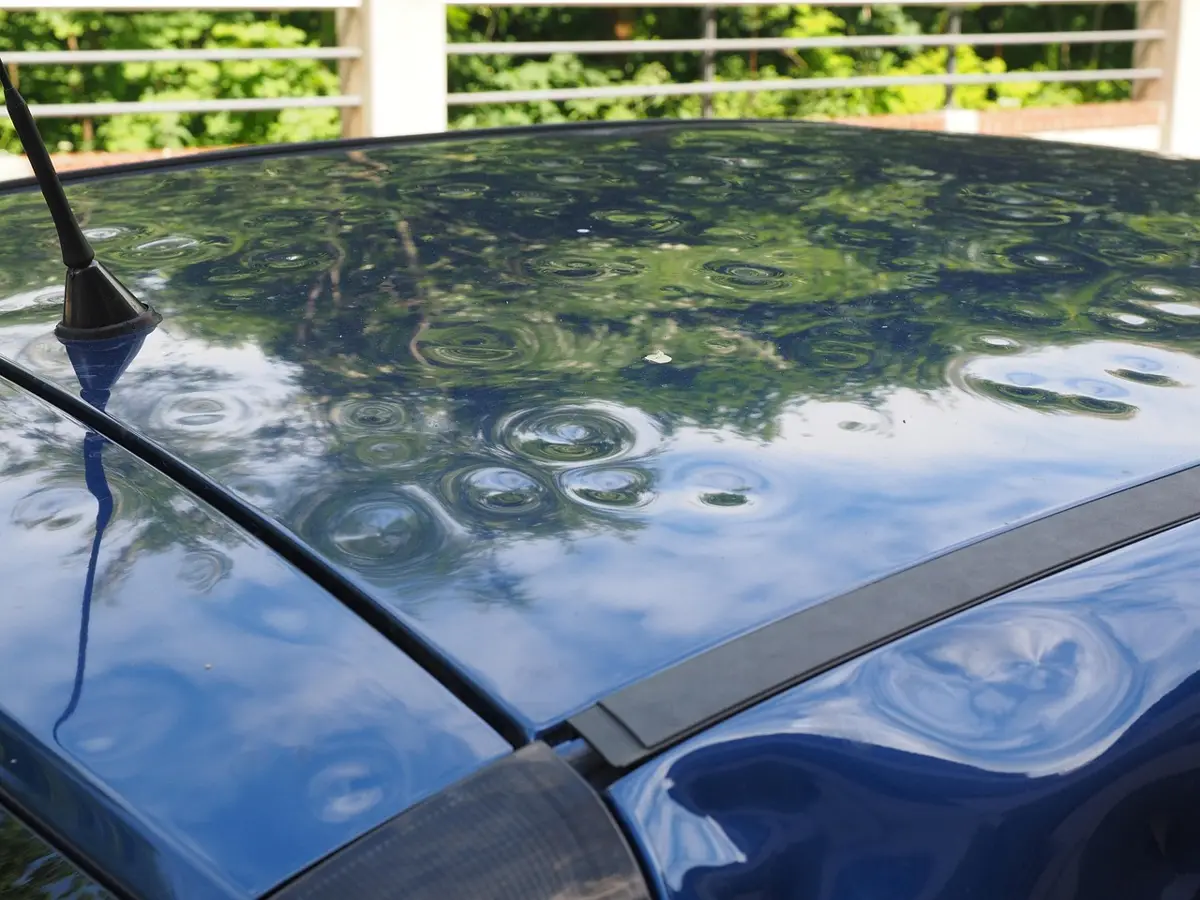
Spend two minutes on the checks below. They decide whether any DIY method is worth trying.
- Paint: is it cracked, chipped or flaking? If so, skip the DIY pull and plan on paint work, see our guide to spider cracks in car paint.
- The cover itself: is the plastic cracked, split or torn at the edges? A crack is not a dent.
- Dent shape: a smooth bowl responds to warming. A sharp fold line or whitened plastic does not (the TPO write-up I read says severe dents tend to stay dented and can stress crack).
- Material: PP and TPO are thermoplastics that soften with heat. Urethane does not behave that way, see the table.
- What is behind it: parking sensors, radar, camera brackets or wiring. If any are close, read the sensor section below first.
If the damage is a hole or a cracked-through cover rather than a dent, our guide on how to repair a fiberglass bumper covers a different material, and a paint refinish is covered in how to repaint a car bumper.
Tools and Materials You Will Need
For the warm-and-push methods you need heat-resistant gloves, eye protection, a kettle or hair dryer, masking tape for nearby trim (a bumper-repair patent says to mask trim before heating) and a wooden handle or paddle, since wood does not carry heat to your hand, per the TPO repair write-up I read. A heat gun is optional and riskier, see Method 3. For the glue-pull route you need a kit with a bridge puller, tabs and glue. If you must unclip the cover, see what the plastic screws on bumpers are called.
Method 1: Hot Water Trick (Boiling Is Too Hot)
Hot water is the most common DIY idea for bumper dents. The best number I found comes from a bumper-repair patent that describes softening bumper plastics in a water bath: it says a water temperature of 160 to 200 degrees F is satisfactory and 180 degrees F is preferred for most plastics used in bumpers. A freshly boiled kettle is hotter than that range, so let it sit for a minute or use very hot tap water. That is my reading of the patent, not a tested DIY rule, and a patent describes shop practice, not an instruction for your driveway.
- Wash and dry the area, and mask nearby trim.
- Pour hot water slowly over the dent, a little beyond the edges. Wear gloves, because a scald is a real risk.
- Reach behind the cover and press out gently with a wooden handle or a gloved hand. The patent warns the dent must not be pushed out too early, and that plastic that is too hot sags.
- Hold the shape while the plastic cools. The patent clamps a part that must stay flat until it has recooled.
- Stop when the surface is close to flat. Repeating a warm-up is better than forcing it.
No paint maker or car maker statement about hot water on a painted bumper turned up, so stop at the first hairline crack.
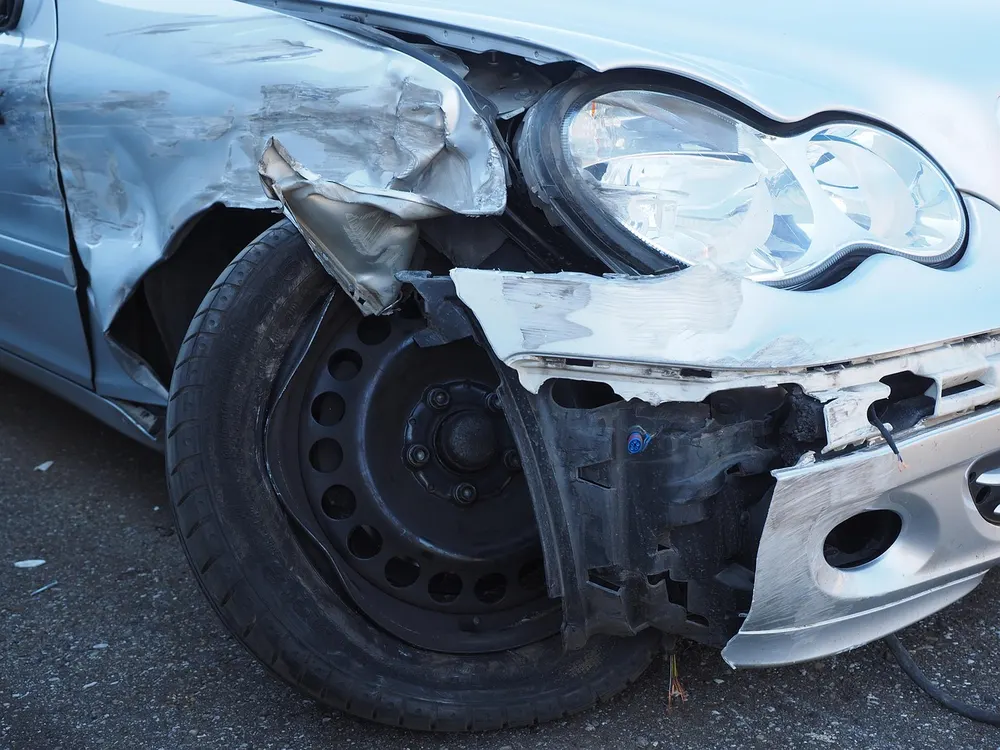
Method 2: The Plunger and Suction Puller Technique
A plunger on a bumper is one of the most repeated tips online, and I could not find a maker, car maker or repair-industry source that backs a household plunger for this. The nearest thing I read was an Amazon listing for a suction-style dent puller kit, which says it is for flat metal surfaces and not for corners, creases or large dents. A bumper cover is often curved and plastic, so a seal may not form, and a hard pull can mark the paint. My advice: if you try suction at all, use a dedicated dent puller, pull in small steps, and stop if the paint moves.
Method 3: Heat From Behind (Skip the Cold Shock)
The more reliable shop-style approach is to heat the back of the dent and push it out while the plastic is warm. A TPO bumper repair write-up I read describes heating the back side, concentrating on the edges of the dent, holding the gun about six inches away, using a wooden handle or paddle to push, and letting the part cool so it keeps the shape. It also says to heat an area slightly larger than the damage. A newspaper motoring column I read describes a hair dryer on maximum heat, then pushing the dent out with gloved hands or a rubber hammer, and says this works best when the dent is not severe.
Two warnings. First, the TPO write-up says its 1200-watt heat gun is strong enough to curl the hair on your head, and a bumper-repair patent says rubber-modified bumpers distort easily with heat, polycarbonate distorts with too much heat, and a bumper that gets too hot sags. The patent also mentions a heat gun up to 1000 degrees F for a polypropylene bumper, but that describes shop practice and I could not find a paint maker limit, so I would not copy it. A hair dryer is the lower-risk choice (my judgment). Second, urethane covers behave differently: both the TPO write-up and Rick’s Free Auto Repair Advice say heating urethane makes it bubble, smoke and turn sticky, not soft.
We removed the old canned-air and dry-ice steps from this page, because no maker or repair source I read supports a cold-shock fix for a bumper dent.
Method 4: Using a Dent Repair Kit
When you cannot get behind the dent, a glue-pull kit works from the front. The kit I checked for the product box above lists a bridge puller, hot glue gun, glue sticks, 7 tab sizes with silicone bases, a scraper, a T puller and a rubber hammer, and the listing says most dents come out in about half an hour. That is the seller’s claim, not a test of ours.
- Clean the area and pick a tab slightly smaller than the dent.
- Put glue on the tab and press it on the center of the dent. Let it set as the kit says.
- Fit the bridge over the tab and tighten in small, even turns, checking after each turn.
- Release the tab as the kit instructs. I did not find a plastics-specific guide to glue removal, so follow the kit instructions and test a hidden spot first.
Expect this to work best on shallow, smooth dents. The listing is written for metal car bodies and appliances, so on painted plastic it is a try-it-carefully tool, not a guaranteed fix.
Parking Sensors, Radar and Cameras Behind the Bumper
Many bumper covers now hide parking sensors, radar units or cameras, and this is the part most DIY guides skip. Nissan’s 2024 X-Trail owner’s manual says to take caution when repairing the bumper because radar sensors are installed on it, and to have the repair done by a Nissan dealer or a qualified workshop. It says improper repairs, such as using putty made from different materials or repainting, can weaken the radar signal and stop the sensor detecting objects correctly. You can read that precaution in the Nissan X-Trail owner’s manual.
Ford’s OnTarget newsletter for collision repairers, reported by Repairer Driven News on April 14, 2026, says a parking sensor that is already painted must be replaced, and that it should not be sanded or scuffed. The manual and newsletter text I read do not mention heat at all, either way, so heating near a sensor is something nobody has approved for your car. Check your own owner’s manual or ask a dealer. This is why the table sends a dent near a sensor, radar unit or camera to a dealer or qualified shop. If you are unsure what is behind the cover, see where your car’s backup camera is.
If you remove the cover to push from the inside, remember that unclipping it can strain wiring to sensors and lights (my judgment, not from a source). Photograph every connector first, and stop if anything is wired in a way you do not understand.
When to Call a Professional
- The paint is cracked, flaking or chipped across the dent.
- The cover is cracked, split, torn or loose at its mounts. Cracks in plastic covers are repaired by grinding a V-groove and filling, per Rick’s Free Auto Repair Advice, which is shop work.
- The dent has a sharp crease or the plastic is whitened or stressed.
- The cover is urethane, or you cannot tell what the plastic is.
- A parking sensor, radar unit or camera is in or near the dent.
- The dent will not move after a couple of careful warm-ups. Plastic that is distorted or stress cracked will not be fixed by more heat.
- The impact was a real collision, not a parking bump. Hidden damage behind the cover is possible, so have it inspected.
For related damage and next steps see our guides on whether insurance covers dents. I did not find a dated, sourced price for professional bumper repair, so I left cost figures out; get written quotes from two or three shops.
Frequently Asked Questions
Can you remove a dent from a steel bumper?
Not with the heat methods on this page, which are for plastic covers. A steel bumper is metal, so a glue-pull kit is the usual DIY route for a shallow dent, and our car door dent guide covers those steps. Sharp creases, chrome damage and cracked paint are better left to a professional.
Can you pull a dent out of a plastic bumper?
Often yes, if the dent is shallow and smooth, the paint is intact and the plastic is not cracked. The common approach is to warm the plastic and push the dent out from behind. A glue-pull kit is the option when you cannot reach behind it. Stop if the paint cracks or the dent does not move after a couple of attempts.
Does hot water pop a dent out of a plastic bumper?
It can help soften the plastic so you can push the dent out from behind. A bumper-repair patent gives 160 to 200 degrees F as a satisfactory water temperature, with 180 degrees F preferred, which is cooler than boiling. Wear gloves, push only while the plastic is warm and let it cool in shape.
Is it safe to use a heat gun on a bumper with parking sensors?
I would not. Nissan’s manual says improper repair near bumper radar can weaken its signal, and the sources I read do not approve heat near sensors either way. Check your owner’s manual or ask a dealer before heating anywhere near a sensor, radar unit or camera.
When should I take a dented bumper to a shop?
Take it in if the paint is cracked, the cover is split, the dent has a sharp crease, the cover is urethane, a sensor or radar unit is nearby, or the dent will not move after a couple of careful tries. Also have it inspected if it came from a real collision.
Products related to this article
Sponsored / affiliate links. As an Amazon Associate I earn from qualifying purchases. I may earn additional commission from eligible campaigns.