How to Secure a Car Battery: A Step-by-Step Guide to Keep Your Ride Safe
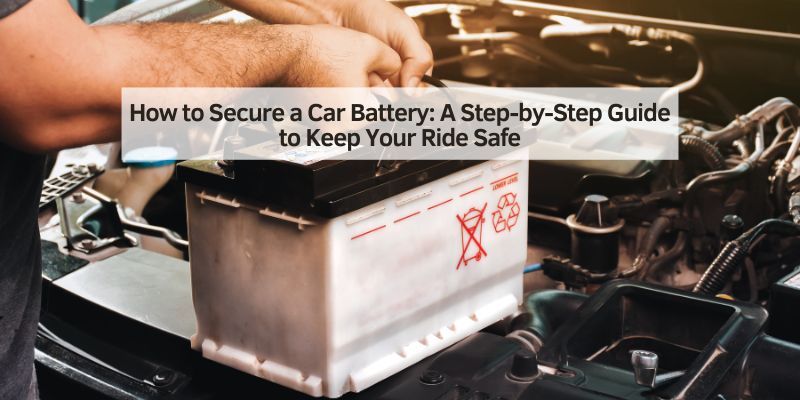
Hey there, buddy! If you’ve ever popped the hood of your car and noticed your battery rattling around or looking a bit loose, you’re not alone. I’ve been there, wondering if that shaky battery was going to cause trouble down the road. A loose car battery isn’t just annoying—it can lead to electrical issues, damage, or even safety hazards. Over the years,
I’ve learned how to secure a car battery properly, and it’s easier than you might think. In this guide, I’m sharing everything I’ve picked up from my own experiences, from checking the battery to tightening it down. Whether you’re a car newbie or a seasoned gearhead, I’ll walk you through the steps to keep your battery safe and your car running smoothly. Let’s get started!
Why Securing Your Car Battery Matters
You might be wondering why a loose battery is such a big deal. I used to think the same thing until I hit a pothole and heard a thud under the hood. A car battery that isn’t secure can move around, which can damage its terminals, crack the casing, or cause short circuits. This can mess up your car’s electrical system or even start a fire in rare cases.
When I first started working on cars, I ignored a loose battery in my old sedan. Big mistake. The terminals got damaged, and I had to replace the battery sooner than expected. Securing it properly not only prevents damage but also keeps your car reliable. Plus, it’s a quick fix that can save you from pricey repairs. Let’s talk about how to do it right.
What You’ll Need to Secure Your Battery
Before we get to work, let’s gather the tools. I’ve found that having the right stuff on hand makes the job a breeze. Here’s a list of what I use, based on what’s worked for me:
| Item | Purpose | Where to Find It |
|---|---|---|
| Socket wrench set | Tightens bolts on battery hold-down | Auto stores, hardware stores |
| Ratchet and socket (10mm or 13mm) | Common sizes for battery clamps | Auto stores, hardware stores |
| Screwdriver (flathead or Phillips) | Adjusts some battery brackets or trays | Hardware stores, home |
| Gloves | Protects hands from dirt or acid | Hardware stores, supermarkets |
| Safety glasses | Shield eyour yes from sparks or debris | Hardware stores, auto stores |
| Wire brush | Cleans corrosion from terminals | Auto stores, hardware stores |
| Battery terminal cleaner | Removes grime from battery posts | Auto stores, online |
| Anti-corrosion spray | Prevents future corrosion on terminals | Auto stores, online |
| Flashlight | Helps see in tight engine compartments | Home, hardware stores |
Most of these tools are inexpensive, and you might already have them in your garage. If you don’t, auto parts stores like AutoZone or Advance Auto Parts have everything you need. I always wear gloves and safety glasses because battery acid is no joke—it can burn skin or eyes if you’re not careful.
Step 1: Check the Battery’s Condition
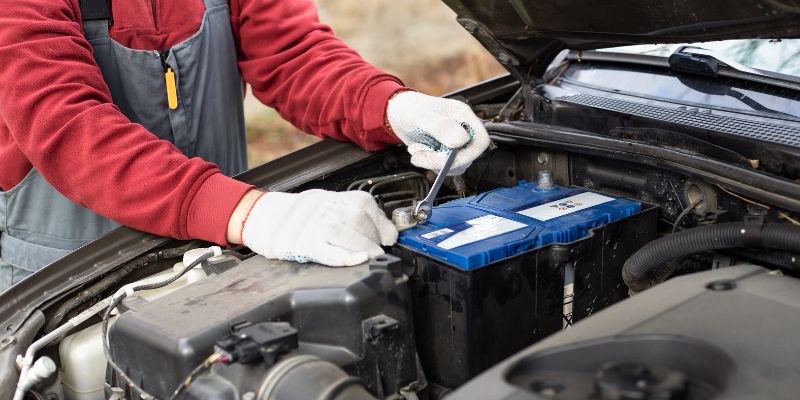
Before securing the battery, I always give it a quick once-over. A damaged or leaking battery needs replacing, not just tightening. Pop the hood and take a look. Check for cracks in the battery case, bulging sides, or any leaks. I once found a small crack in my battery after a rough drive, and I’m glad I caught it before it caused bigger problems.
Next, look at the terminals—the metal posts where the cables connect. If you see white, powdery stuff (that’s corrosion), don’t worry. We’ll clean it later. Make sure the battery is sitting flat in its tray. If it’s tilted or wobbly, it’s not secure. This step only takes a minute, but it saves you from working on a battery that’s already toast.
Step 2: Clean the Battery and Terminals
A clean battery is easier to work with and performs better. I’ve learned that corrosion on the terminals can cause starting issues, so I tackle it first. If you see that white, crusty buildup, grab a wire brush and some battery terminal cleaner. You can also mix baking soda and water in a spray bottle for a DIY cleaner.
Here’s what I do: I disconnect the battery cables, starting with the negative (black) cable first to avoid sparks. Use a wrench to loosen the bolt on the terminal clamp, then wiggle it off. Then I disconnect the positive (red) cable. I spray the terminals with cleaner and scrub them with the wire brush until they’re shiny. For the battery posts, I use a terminal cleaning tool—it’s like a tiny brush that fits right over the post.
Rinse off any cleaner with water, but be careful not to get water inside the battery. Dry everything with a clean rag. I once skipped this step, and my car struggled to start because of poor terminal connections. Cleaning takes 5-10 minutes and makes a big difference.
Step 3: Inspect the Battery Tray and Hold-Down
Now that the battery is clean, I check the tray and hold-down system. The tray is the platform where the battery sits, and the hold-down is the clamp or bracket that keeps it in place. Most cars use a metal or plastic clamp that bolts down over the battery or a strap that hooks into the tray.
I look for rust or damage on the tray. If it’s rusty, I scrub it with a wire brush and apply some anti-corrosion spray. A damaged tray can make it hard to secure the battery properly, so if it’s cracked, you might need a replacement. I had to replace a tray on my old truck once—it was cheap and easy to swap out.
Check the hold-down for loose bolts or worn parts. Some cars use a wedge-style clamp, while others have a strap or bar across the top. Make sure it’s the right size for your battery. I once bought a battery that was slightly too big for the tray, and the hold-down didn’t fit right. Lesson learned: always check the battery size (Group Size) in your car’s manual.
Step 4: Secure the Battery
Now it’s time to lock that battery in place. If you had to disconnect the cables, place the battery back in the tray, making sure it’s sitting flat. I always double-check that it’s aligned properly—some trays have grooves to guide the battery.
Next, I reattach the hold-down. For a clamp-style hold-down, I position it over the battery’s lip and tighten the bolts with a socket wrench. Don’t overtighten—you want it snug, not crushing the battery. I made that mistake once and cracked a battery case, which was a pricey fix.
For a strap or bar hold-down, I hook it into place and tighten the bolts or screws. I give the battery a gentle shake to make sure it doesn’t budge. If it moves, I tighten the bolts a bit more. This step usually takes less than 10 minutes, but it’s the heart of the process.
Step 5: Reconnect the Battery Cables
With the battery secure, I reconnect the cables. I start with the positive (red) cable first. Slide it onto the positive post and tighten the clamp with a wrench until it’s firm. Then I connect the negative (black) cable the same way. I always make sure the cables aren’t loose—a wobbly connection can cause electrical issues.
After connecting, I tug lightly on the cables to ensure they’re secure. I also apply a thin layer of anti-corrosion spray or grease to the terminals. This keeps corrosion at bay, especially in humid or salty climates. When I lived near the coast, this trick saved my battery from constant corrosion.
Step 6: Test the Battery and Connections
Before closing the hood, I test everything to make sure it’s working. I turn the key to the “on” position (without starting the engine) and check if the dashboard lights come on. Then I start the car. If it starts smoothly, you’re golden. If it struggles or doesn’t start, double-check the cable connections and make sure they’re tight.
I also check for any warning lights, like the battery or check engine light. If you see one, it might mean a loose connection or a deeper issue. I had a loose cable once that triggered a warning light, but tightening it fixed the problem.
Alternative Methods to Secure a Battery
Not all cars have the same battery setup, and I’ve run into some quirky ones. If your car’s hold-down is missing or damaged, you can use universal battery straps or tie-down kits from auto parts stores. I’ve used these on older cars with great results. They’re adjustable and fit most battery sizes.
Another trick I’ve tried is using heavy-duty Velcro straps for temporary fixes. It’s not ideal for long-term use, but it held my battery in place during a road trip when I didn’t have time to get a proper clamp. Just make sure whatever you use is rated for automotive use—regular bungee cords or zip ties can break or melt under the hood.
If your tray is damaged and you can’t replace it right away, you can shim the battery with rubber pads to keep it stable. I did this once on a friend’s car, and it worked until we could get a new tray.
Maintenance Tips to Keep Your Battery Secure
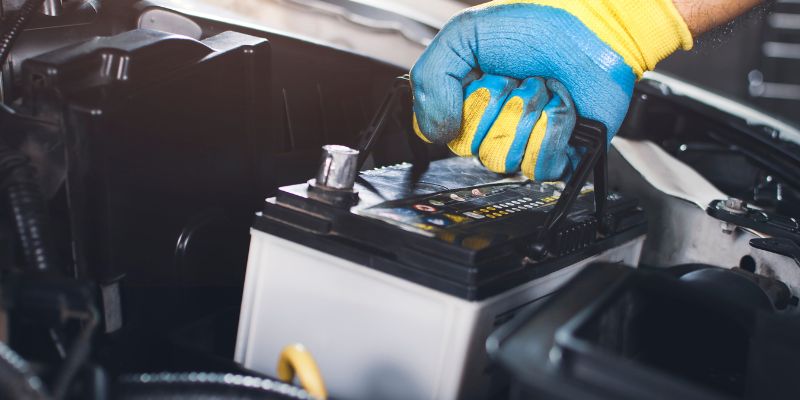
Once your battery is secure, a little maintenance goes a long way. Here’s what I do to keep mine in check:
- Check monthly: Pop the hood and give the battery a gentle shake to make sure it’s still secure.
- Clean terminals regularly: Every 3-6 months, clean the terminals to prevent corrosion.
- Inspect the hold-down: Look for loose bolts or rust every time you check your oil.
- Drive regularly: Batteries can loosen if the car sits for weeks—vibrations from driving help keep things snug.
- Use anti-corrosion products: A quick spray on the terminals every few months keeps them clean.
I also keep a small socket wrench in my car for quick checks on road trips. It’s saved me a few times when I hit rough roads and heard a rattle.
Common Mistakes to Avoid
I’ve made my share of mistakes, so let me help you avoid them. Don’t overtighten the hold-down bolts—it can crack the battery or tray. I learned this the hard way when I had to replace a damaged battery. Also, don’t skip cleaning the terminals—corrosion can sneak up and cause starting issues.
Another big one: always disconnect the negative cable first and reconnect it last. This prevents sparks that could damage your car’s electronics or even cause a small fire. And don’t use makeshift hold-downs like duct tape—it won’t hold up under the heat and vibrations of the engine.
Why It’s Worth the Effort
Securing your car battery might seem like a small task, but it’s a game-changer. A stable battery means fewer electrical problems, longer battery life, and a safer ride. The first time I secured my battery properly, I felt so much better knowing my car was ready for any road. It’s a quick job—usually under 30 minutes—but it saves you from headaches like dead batteries or damaged wiring.
Plus, it’s empowering to do it yourself. You don’t need to be a mechanic to handle this. With a few tools and some care, you can keep your car running smoothly and save money on repairs. It’s one of those small wins that make you feel like a pro.
Conclusion
Securing a car battery is one of those simple fixes that makes a big difference. I love the peace of mind that comes with knowing my battery is snug, clean, and ready to power my car. From checking the battery’s condition to tightening the hold-down and protecting the terminals, each step is straightforward and rewarding. I’ve shared my process with you because it’s worked for me time and again, whether I’m fixing up my daily driver or helping a friend with their car. Grab your tools, take a half-hour, and give your battery the attention it deserves. When you’re done, you’ll drive away with a smile, knowing your car is in top shape. Here’s to safe travels and a reliable ride!
FAQs
Why does my car battery keep getting loose?
Vibrations from driving or a worn-out hold-down can cause it. Check the clamp or strap regularly and tighten as needed.
Can a loose battery damage my car?
Yes, it can harm the terminals, cause electrical issues, or even short-circuit. Securing it prevents these problems.
How tight should the battery hold-down be?
Snug, but not too tight. You want it to be secure without cracking the battery case or tray.
Do I need to disconnect the battery to secure it?
Not always, but it’s safer to disconnect the cables, especially if you’re cleaning or adjusting terminals.
Can I use household tools to secure my battery?
A basic wrench or screwdriver usually works, but make sure they fit the bolts to avoid stripping them.
How often should I check my battery’s hold-down?
Every month, or when you check your oil. It’s a quick way to catch any loosening early.