Hit by Car What to Do: A Step-by-Step Survival Guide
You’re crossing the street, running an errand, or walking the dog. Then, in a split second, the world spins. A car hits you. Your body hits the pavement. Your mind goes blank, then floods with a confusing mix of fear, anger, and pure adrenaline.
That first minute after impact is chaos. But what you do in the next hour, the next day, and the next week will determine your physical recovery and your financial future. This guide walks you through the entire process, from the second the car stops to the final settlement check. You’ll learn what to say, what to photograph, who to call, and how to avoid the mistakes that sink personal injury claims.
Most people only get one shot at this. Get it right.
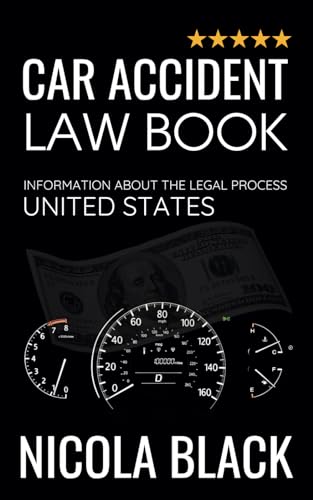
If you’re in a position to do so, a resource like the CAR ACCIDENT LAW BOOK by Majosta can be a solid reference for understanding your rights after the dust settles. It’s a practical tool to have on hand when you need to look up a specific legal term or process without waiting for a lawyer to call you back.
Immediate Steps at the Accident Scene (Safety First)
Your first instinct might be to jump up and argue. Don’t. Your first priority is to prevent a second accident and to protect your body.
- Do not move unless you’re in danger. If you can breathe and you’re not in the path of oncoming traffic, stay put. Moving with a spinal injury or a broken bone can make it much worse. If you must move, do it slowly and carefully.
- Signal for help. Yell for the driver to stop. Ask a bystander to call 911. If you have a phone, call yourself. Even if you feel fine, request police and an ambulance. The police report is your official record of the event.
- Turn on your phone’s camera. Start recording video of the scene, the vehicle, and the driver if it’s safe. This happens before you even think about insurance.
- Exchange information. Get the driver’s name, phone number, license plate, driver’s license number, and insurance details. If they refuse, note their plate and describe the car to police.
Pro tip: Ask a bystander to stay and be a witness. People leave quickly. Get their name and number before they walk away. A third-party witness who has no stake in the outcome is gold for your claim.
The Adrenaline Trap: Why You Must See a Doctor
Here’s a fact that surprises almost everyone: you can be seriously injured and not feel it for hours.
Adrenaline is a powerful painkiller. Your body floods your system with it during a traumatic event. It masks injuries. A torn ligament, a herniated disc in your back, or even internal bleeding might not produce noticeable pain until the next day.
So, you need to go to the emergency room or an urgent care center immediately after the accident. Not tomorrow. Not when the pain starts. Immediately. This does three things: it catches hidden injuries, it creates a medical record linking your injuries to the accident, and it starts the documentation trail your lawyer or insurance claim will need.
If the ambulance takes you, great. If not, have a friend or family member drive you. Do not drive yourself if you feel dizzy or disoriented.
Gathering Critical Evidence (Photos, Witnesses, and Police Report)
You cannot rely on memory. It’s unreliable, especially after trauma. Your smartphone is your best friend here.
What to Photograph
- The car that hit you: its make, model, plate, and any damage to the bumper or hood.
- The surrounding area: the intersection, traffic signals, crosswalk lines, skid marks, and your position on the ground.
- Your injuries: any visible cuts, bruises, swelling, or torn clothing. Take these photos at the scene and again 24 hours later. Bruises deepen and become more visible over time.
- The weather conditions and time of day.
Securing Witnesses
Politely ask anyone who saw the impact if they would be willing to give a statement. Get their contact info. A police officer will also take statements, but having your own list ensures you can follow up if the report is incomplete.
The Police Report
Ask the responding officer for the report number. This document contains the officer’s assessment of fault, witness statements, and a diagram of the scene. You’ll need this to file a claim with the driver’s insurance company. You can usually obtain a copy from the local police department within a few days.
Reporting the Accident: Police and Insurance Companies
You’ve already called 911, so the police are involved. Now you have to deal with insurance. This is where things get tricky.
You should report the accident to your own insurance company as soon as possible. Even if the other driver is clearly at fault, your insurer needs to know. They might have uninsured motorist coverage or PIP (Personal Injury Protection) that applies.
The driver’s insurance company will call you. This is a critical moment. Their adjuster’s job is to minimize the payout. They might sound friendly and sympathetic. They are not your friend.
When you speak to them, stick to the facts. Give them the date, time, and location. Describe your injuries. Do not speculate about fault. Do not say ‘I’m fine’ or ‘It was my fault.’ Do not give a recorded statement without consulting a lawyer first. You can politely decline and say you’ll provide a statement once you’ve spoken with an attorney.
Understanding Fault and Liability (Comparative Negligence)
Fault is not always black and white. Most states use a system called comparative negligence. This means your compensation can be reduced by your percentage of fault.
For example, if you were jaywalking outside a crosswalk, the insurance company might argue you were 20% at fault. If your total damages are $100,000, your payout could be reduced by $20,000. If you were intoxicated, that percentage goes up significantly.
This is why you should never admit fault at the scene. Let the police and the insurance companies investigate. They will look at traffic laws, witness statements, and physical evidence. Your opinion on who is to blame doesn’t matter much—the evidence does.
Navigating Medical Bills: PIP, Health Insurance, and Subrogation
This is the most confusing part of the process. Who pays for the ambulance and the ER visit?
If you live in a no-fault state, your own auto insurance policy’s PIP coverage pays for your medical bills first, regardless of who caused the accident. This is true even if you were a pedestrian. PIP covers a percentage of your medical expenses and lost wages up to your policy limit.
If your PIP coverage runs out or you don’t have auto insurance, your health insurance kicks in. Your health insurer will pay the bills, but they will send you a subrogation letter. This is a notice that they expect to be reimbursed from your personal injury settlement. It’s a legal claim they have against your recovery.
This means your settlement isn’t just for you. You may owe a portion to your health insurer and any attorney you hire. It’s a pyramid of claims. Understanding this before you settle is vital, or you might end up with less money than you expected.
The True Value of Your Claim (Economic vs. Non-Economic Damages)
When you file a personal injury claim, you’re seeking compensation for two categories of damages: economic and non-economic.
Economic damages are the hard numbers. These include:
- Medical bills (past and future)
- Lost wages (past and future)
- Rehabilitation and physical therapy costs
- Out-of-pocket expenses (medication, travel to appointments)
Non-economic damages are the subjective costs. These include:
- Pain and suffering
- Emotional distress
- Loss of enjoyment of life
- Permanent disfigurement or disability
There is no formula for non-economic damages. Insurance companies use a multiplier method, often multiplying your economic damages by 1.5 to 5, depending on the severity of your injuries. A minor sprain might get a 1.5 multiplier. A permanent injury that requires future surgery will get a 5.
This is why long-term rehabilitation planning matters. If a doctor says you’ll need two years of physical therapy, that future cost is part of your economic damages. Get a doctor to document your ongoing needs in writing. This dramatically increases the value of your claim.
Children and the Elderly
Claims involving children and elderly pedestrians are valued differently. Children are viewed as more vulnerable, and juries tend to award higher non-economic damages for their pain and suffering. Elderly victims often have higher medical costs and a reduced ability to recover, which can also increase damages. The law recognizes that these groups face a higher risk of severe injury in a pedestrian accident.
Special Considerations: Hit-and-Runs and Uninsured Drivers
What if the driver speeds off? Or what if they have no insurance?
You still have options. Your own auto insurance policy often includes uninsured motorist (UM) coverage. This pays for your injuries if the at-fault driver is uninsured or if it’s a hit-and-run. It’s an optional coverage in many states, but it’s incredibly important for pedestrians.
If you don’t have auto insurance, you might have coverage through a family member’s policy if you live in the same household. If you have no coverage at all, you are relying on the state’s victim compensation fund, which has strict limits and deadlines. It’s not a lot, but it’s something.
Statute of Limitations: Don’t Miss the Deadline
Every state has a time limit for filing a lawsuit, known as the statute of limitations. For personal injury claims, this is typically between one and three years from the date of the accident.
If you miss this deadline, you lose your right to sue. Forever. The insurance company will simply ignore your claim if you wait too long. Mark the date on your calendar. Set an alarm. Do not assume it’s years away—check your specific state’s law immediately.
When to Hire a Personal Injury Attorney
You don’t need a lawyer for every fender bender. But for a pedestrian accident, you almost always should consult one. Here’s why:
Pedestrian accidents nearly always involve serious injuries. The medical bills are high. The insurance company has a team of lawyers. You are negotiating against professionals. A personal injury attorney works on a contingency fee, meaning they only get paid if you win. Their fee is typically 33% to 40% of the settlement.
If your injuries are minor and you’re back to work in a week, you can probably handle it yourself. But if you have a fracture, need surgery, or miss more than two weeks of work, call a lawyer. They can handle the subrogation, negotiate with the adjuster, and take the case to trial if needed.
Related: If you’re dealing with a situation where you hit a parked vehicle, the steps are different. Check out this guide on what to do if you hit a parked car for that specific scenario. And if you’re curious about the physical sensation victims describe, this account of what getting hit by a car feels like offers a raw perspective.
Frequently Asked Questions
Should I talk to the driver’s insurance company without a lawyer?
No. You can provide basic facts, but do not give a recorded statement. They will use your words against you. Politely say, ‘I’m not comfortable giving a statement until I’ve spoken with an attorney.’
What if I was jaywalking? Can I still get compensation?
Possibly. In most states, you can still recover damages, but your amount will be reduced by your percentage of fault under comparative negligence rules. Even if you were 50% at fault, you might still recover 50% of your damages.
How long will my settlement take?
It depends. A simple case with clear liability and minor injuries might settle in a few months. A case with severe injuries, disputed fault, or a lawsuit can take one to two years. Do not rush into a settlement. Your medical condition needs to be stable before you settle, or you risk covering future costs out of pocket.
Can I see a chiropractor instead of an ER doctor?
You can, but it’s not the best first step. Go to a medical doctor or ER first to rule out internal injuries and fractures. Chiropractors can be part of your treatment plan later, but you need a medical diagnosis first to establish the link to the accident.
What if the pain shows up a week later?
This is common. See a doctor immediately and tell them about the accident. The delay is understandable, but you must document the injury and connect it to the accident in your medical records. The insurance company will try to argue the injury was pre-existing or unrelated if there’s a gap in treatment.
Three Mistakes That Sink Your Claim
You now have the full picture. Let’s boil it down to the three biggest errors I see people make.
Mistake #1: Posting on social media. The insurance company will look at your Facebook and Instagram. A photo of you at a party three weeks after the accident will be used to claim your injuries aren’t real. Stay off social media until your case is closed.
Mistake #2: Accepting the first settlement offer. The first offer is almost always a lowball. They are testing you. If you accept it, you sign a release that prevents you from asking for more money later, even if you discover a new injury. Wait until you’ve reached maximum medical improvement before settling.
Mistake #3: Missing the deadline. The statute of limitations is a hard stop. If you miss it, you get nothing. Write the date down today.
Products related to this article
Sponsored / affiliate links. As an Amazon Associate I earn from qualifying purchases. I may earn additional commission from eligible campaigns.