How to Start Car: Proven, Essential Method
Starting your car is a fundamental skill, and with these essential steps, you’ll learn the proven method to get your engine running smoothly every time, even if you’re new to driving or car care.
It can be a bit daunting when your car just won’t start. You turn the key, and… nothing. Or maybe you hear a clicking sound, or the engine cranks but doesn’t catch. This is a super common frustration for drivers, especially those who are just learning to handle their vehicle. But don’t worry! In this guide, I, Md Meraj, will walk you through the simplest, most reliable way to start your car, step by step. We’ll cover the basics so you can feel confident and get back on the road. Get ready to understand your car’s start-up process like never before!
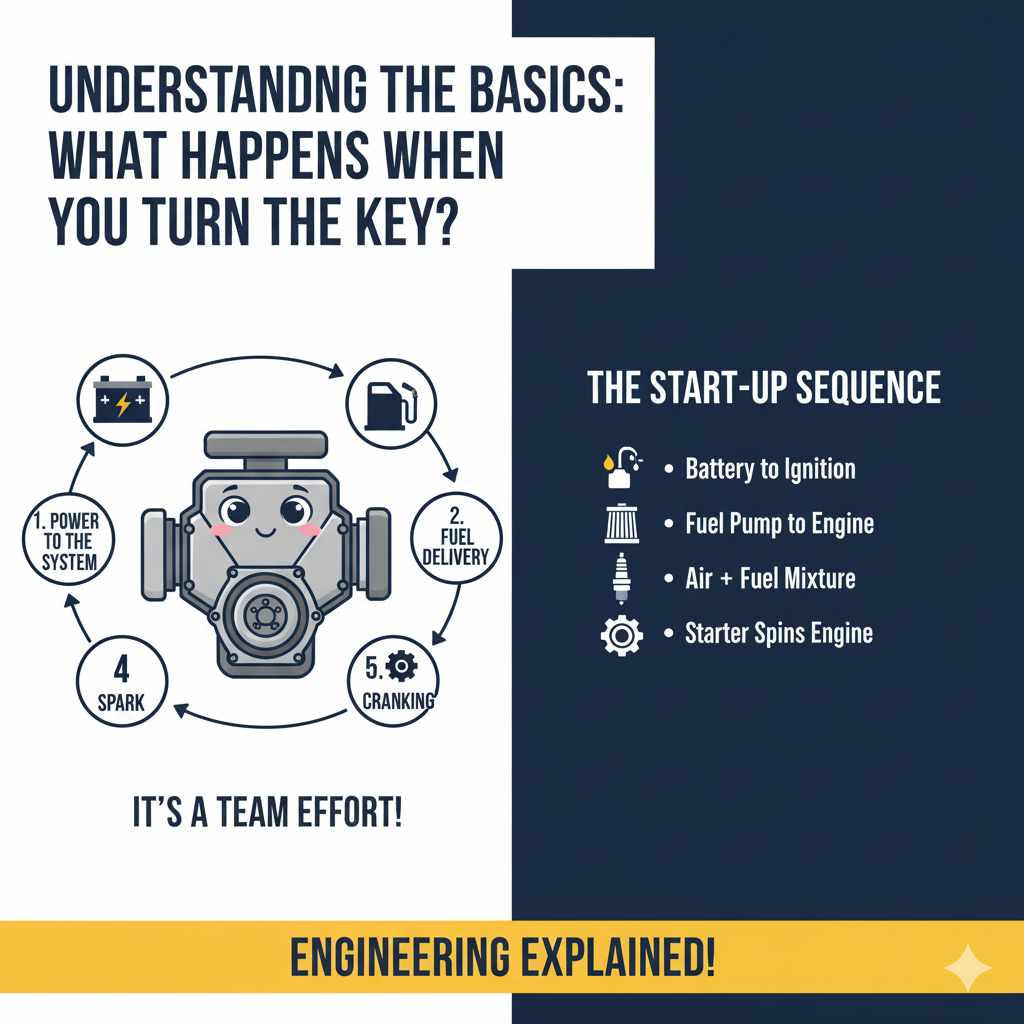
Understanding the Basics: What Happens When You Turn the Key?
When you turn the ignition key or push the start button, it’s like giving your car a wake-up call. A few things need to happen in perfect sequence for your engine to roar to life. Think of it as a team effort inside your car’s engine. Here’s a super simple breakdown:
- Power to the System: The battery sends power to various parts of the car, including the ignition system.
- Fuel Delivery: The fuel pump sends gasoline from the tank to the engine.
- Air Intake: The engine needs air to mix with the fuel.
- Spark: The spark plugs create a small spark to ignite the fuel-air mixture.
- Cranking: The starter motor, powered by the battery, spins the engine until it can run on its own.
If any one of these steps falters, your car might not start as expected. Our goal today is to ensure all these elements are ready and working together.
The Essential Method: Step-by-Step Guide to Starting Your Car
This is the tried-and-true method that works for most gasoline-powered cars. We’ll keep it straightforward and easy to follow.
Step 1: Ensure You’re in Park or Neutral
This is a crucial safety step. Your car has a safety feature that prevents it from starting if it’s in “Drive” or “Reverse.”
- Automatic Transmission: Make sure the gear selector is firmly in the “P” (Park) position. If you’re having trouble engaging Park, try gently wiggling the gear shift while pressing the brake pedal.
- Manual Transmission: Ensure the gear stick is in the “N” (Neutral) position. You should also press the clutch pedal down all the way. Many manual cars require the clutch to be depressed to start, acting as an extra safety measure.
Why is this important? It prevents your car from unexpectedly lurching forward or backward if you accidentally release the brake, especially on a hill.
Step 2: Check Your Foot Placement
This might seem obvious, but it’s worth mentioning for absolute beginners!
- Automatic Transmission: Keep your foot firmly on the brake pedal.
- Manual Transmission: Keep your foot on the clutch pedal (already pressed down) and ensure your foot is off the accelerator pedal.
Having your foot on the brake (for automatics) is another safety precaution. Pressing the accelerator while starting can sometimes flood the engine with too much fuel, making it harder to start, especially in older cars.
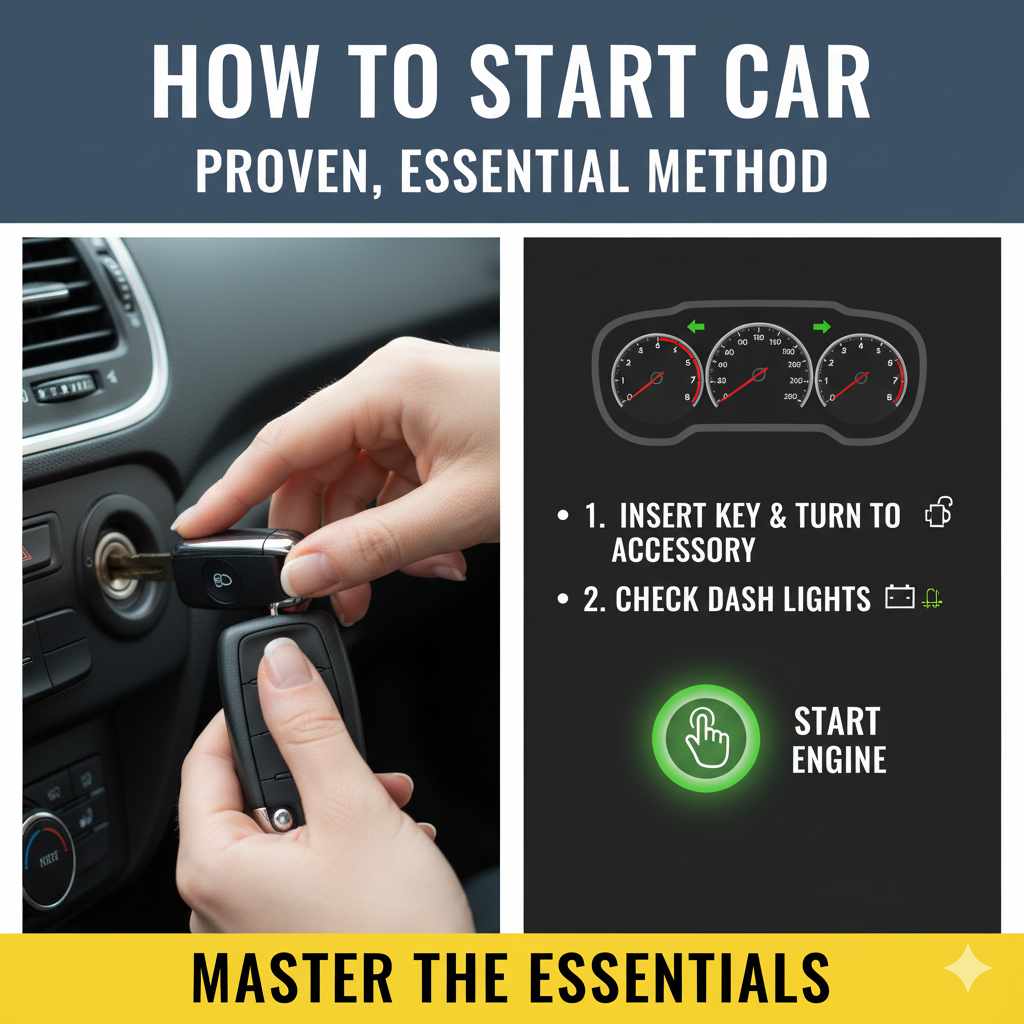
Step 3: Turn the Key (or Push the Button)
Now for the moment of truth! The ignition system typically has a few positions.
- Position 1 (Accessory – ACC): This powers accessories like the radio without starting the engine.
- Position 2 (On – RUN): This powers up the dashboard lights, fuel pump, and other systems. You’ll see warning lights illuminate and then usually go off.
- Position 3 (Start – CRANK): This engages the starter motor to crank the engine.
For Key Ignition:
- Turn the key to the “ON” position. Wait for the dashboard warning lights to come on and then most of them should turn off. This is the car’s system check.
- Hold the key in the “START” position just long enough for the engine to begin running.
- As soon as the engine starts, release the key. It will spring back to the “ON” position automatically. Don’t keep holding it in the START position, as this can damage the starter motor.
For Push-Button Start:
- Ensure your foot is on the brake pedal (and clutch if manual).
- Press the “START/STOP” button once. The dashboard lights should illuminate, indicating the “ON” position.
- Press and hold the “START/STOP” button again. The engine will crank.
- Release the button as soon as the engine starts. The system will then automatically return to the “ON” running state.
What if it takes a few tries? If the engine doesn’t start immediately, release the key or button after about 10-15 seconds. Wait a few seconds, then try again. Holding the starter too long without success can overheat it.
Step 4: Listen and Observe
Once the engine is running, pay attention to how it sounds and what the dashboard is telling you.
- Normal Sound: The engine should sound relatively smooth and stable.
- Warning Lights: Most warning lights should have turned off. If the “Check Engine” light or the oil pressure light stays on, it indicates a potential issue.
- Idle Speed: The engine speed (RPMs) will likely be a bit higher when first started, especially when cold, and then settle down to a normal idle speed.
If everything sounds and looks normal, congratulations! You’ve successfully started your car using the essential method.
What to Do If Your Car Doesn’t Start: Troubleshooting for Beginners
Even with the right method, sometimes cars are stubborn. Here are a few common reasons why your car might not be starting, and what you can check:
The “Clicking” Sound
If you turn the key and hear a rapid clicking noise, it usually means your battery is weak and doesn’t have enough power to turn the starter motor fully. It might have enough juice to engage the starter solenoid, but not to crank the engine.
Potential Causes & Solutions:
-
Dead Battery: This is the most common culprit. The battery might be old, or something (like leaving lights on) drained it.
- Solution: Try jump-starting your car. You’ll need jumper cables and another vehicle with a working battery. If jump-starting works, your battery might be failing and needs to be tested or replaced. You can learn how to safely jump-start a car from resources like NHTSA’s guide.
-
Corroded Battery Terminals: Corrosion on the battery posts can prevent a good electrical connection.
- Solution: Visually inspect the battery terminals. If you see a white or bluish powder, they are corroded. You can clean them with a wire brush and a mixture of baking soda and water. Make sure to disconnect the battery cables first (negative terminal first, then positive).
-
Faulty Starter Solenoid or Motor: Less common, but possible if the clicking persists even with a good battery.
- Solution: This usually requires professional diagnosis and repair.
The Engine Cranks But Doesn’t Start
This means your starter motor is working, but the engine isn’t firing up and running on its own. This points to a problem with fuel, air, or spark.
Potential Causes & Solutions:
-
No Fuel: You might be out of gas! The fuel gauge could be inaccurate.
- Solution: Add some gasoline. Even a gallon can make a difference.
-
Clogged Fuel Filter: A dirty fuel filter can restrict fuel flow to the engine.
- Solution: Replacing the fuel filter is a common maintenance task. Consult your car’s owner’s manual or a professional.
-
Issues with Spark Plugs or Ignition System: If the spark plugs aren’t firing, the fuel won’t ignite.
- Solution: Spark plugs need regular replacement. If they are very old or fouled, they won’t work well. This is a DIY-friendly job for many, but ensure you get the correct replacement plugs and torque them properly.
-
Immobiliser System Issue (How to Start Car Without Immobiliser): Modern cars often have an immobiliser system. If the car doesn’t recognize your key (or fob), it will prevent the engine from starting, even if it cranks. This is a security feature.
-
Solution:
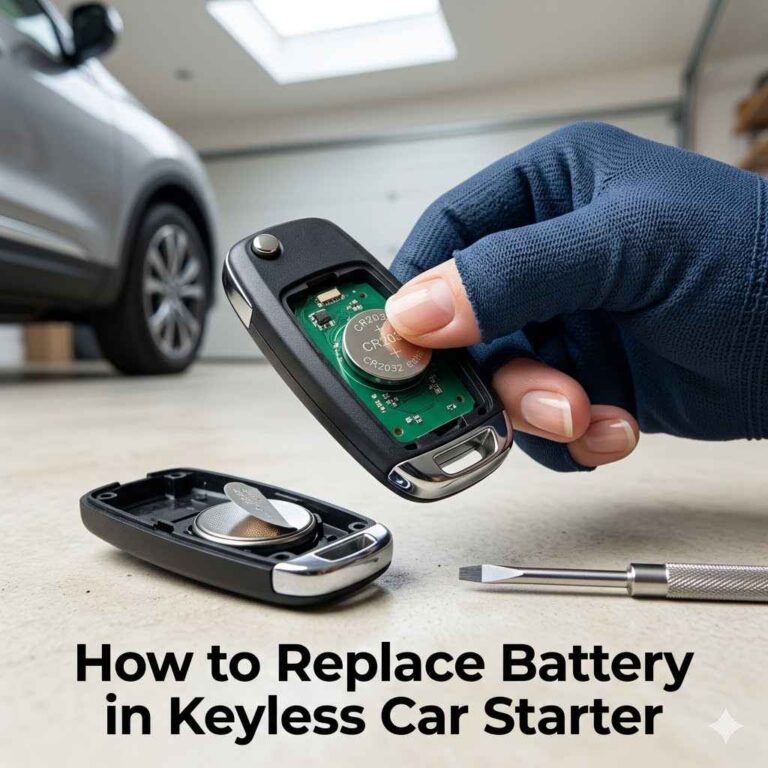
- Check the Key Fob Battery: If you have a keyless entry fob, a dead battery can sometimes prevent the car from recognizing the key. Try replacing the battery in your key fob.
- Try a Spare Key: If you have a spare key, try using it. If the spare key works, there might be a problem with your primary key (transponder chip damage, electronic issue).
- Consult Your Owner’s Manual: Your manual will often have specific instructions on what to do if your immobiliser is preventing the car from starting. It might involve a specific sequence of turning the key or holding it in a certain position.
- Professional Help: If you suspect an immobiliser issue and the basic steps don’t work, it’s best to contact your dealership or a qualified automotive locksmith specializing in car security systems. They have the tools to diagnose and reprogram immobiliser systems. Attempting to bypass or disable an immobiliser without proper knowledge can cause serious electrical damage to your car.
-
Solution:
The Engine Doesn’t Crank At All (No Sound)
If you turn the key and get absolutely no sound, no click, no crank – it’s usually a power issue or a connection problem.
Potential Causes & Solutions:
-
Dead Battery: The battery might be completely depleted, with no power left at all.
- Solution: Try jump-starting your car.
-
Bad Battery Connections: Loose or heavily corroded battery terminals prevent power from flowing.
- Solution: Check and clean the battery terminals as described above. Ensure the cable clamps are tight.
-
Faulty Ignition Switch: The switch itself might be worn out and not sending power to the starter.
- Solution: This requires professional diagnosis and repair.
-
Neutral Safety Switch Issue (Automatics) / Clutch Switch Issue (Manuals): These switches are designed to prevent starting unless the car is in Park/Neutral or the clutch is depressed. If they fail, the car won’t start.
- Solution: Try jiggling the gear shifter (automatic) or ensuring the clutch is fully depressed (manual) and try again. If this doesn’t work, the switch may need replacement by a mechanic.
Preventative Maintenance: Keeping Your Car Ready to Start
The best way to avoid starting problems is to keep up with routine maintenance. This ensures all the components are in good working order and reduces the chance of unexpected issues.
Key Maintenance Checks
Here’s a table of common maintenance items that directly impact your car’s ability to start:
| Maintenance Item | Frequency | Why It Matters for Starting | DIY Friendly? |
|---|---|---|---|
| Battery Health Check | Annually or as recommended by your mechanic | A weak or failing battery is the #1 reason for starting issues. | Yes (visual check, professional testing) |
| Battery Terminal Cleaning | Every 6 months or if corrosion is visible | Corrosion blocks electrical flow needed to power the starter. | Yes |
| Spark Plug Inspection/Replacement | Every 30,000-100,000 miles (varies by plug type and car) | Worn spark plugs can cause misfires or prevent ignition altogether. | Moderate to Yes (depending on engine access) |
| Fuel Filter Replacement | Every 30,000-60,000 miles (varies) | A clogged filter starves the engine of fuel. | Moderate |
| Oil Changes | Every 3,000-7,500 miles (varies) | While not directly for starting, clean oil keeps the engine components lubricated and running smoothly, preventing hard starts caused by friction. | Yes |
Always refer to your vehicle’s owner’s manual for specific maintenance schedules and recommendations. Following these guidelines will significantly boost your car’s reliability.
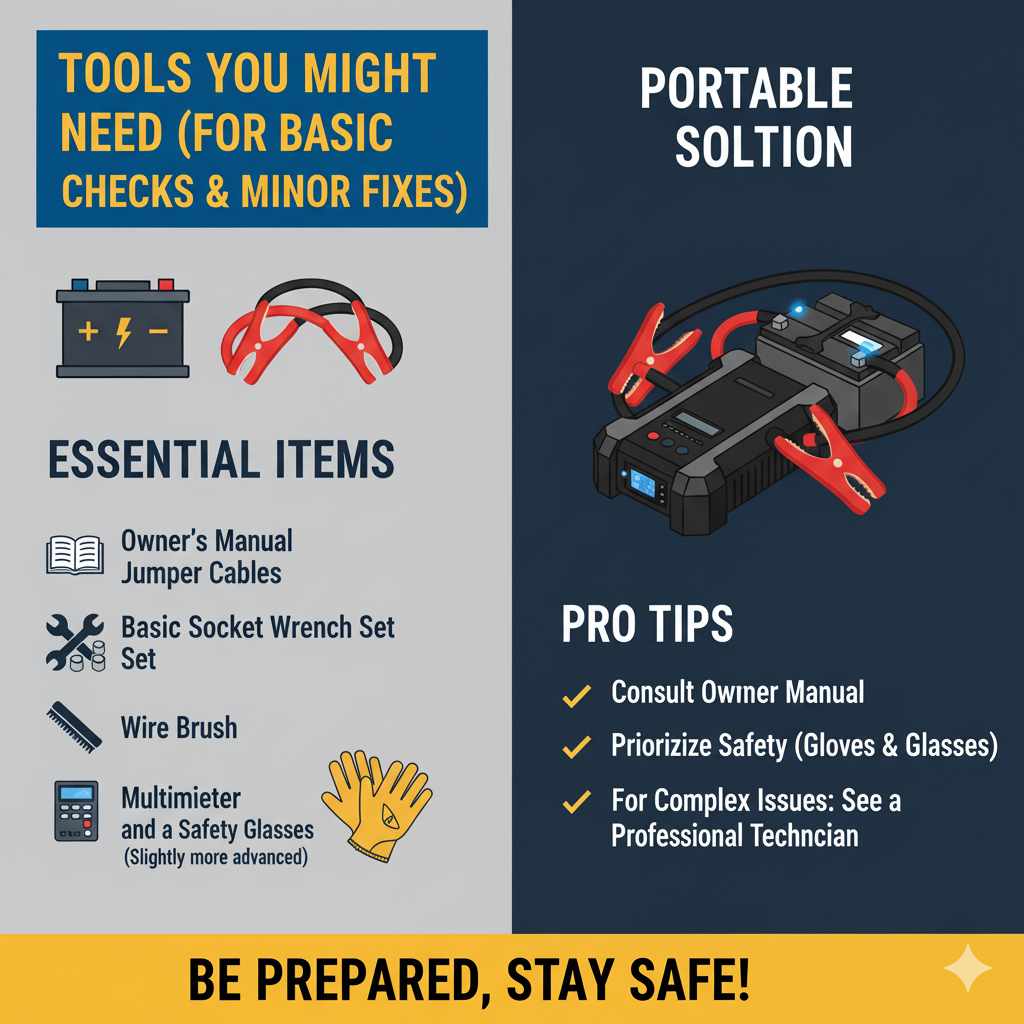
Tools You Might Need (For Basic Checks and Minor Fixes)
You don’t need a mechanic’s workshop to do some basic checks. Here are a few items that can be very handy:
- Owner’s Manual: Your car’s best friend! It has specific info for your make and model.
- Jumper Cables: Essential if you suspect a dead battery.
- Basic Socket Wrench Set: For potentially tightening battery terminals or other simple tasks.
- Wire Brush: For cleaning battery terminals.
- Gloves and Safety Glasses: Always protect yourself when working on a car.
- Multimeter: (Slightly more advanced) Useful for checking battery voltage.
For more complex issues, it’s always best to consult a professional technician. Your safety and the well-being of your car are paramount.
FAQ: Your Beginner Car Starting Questions Answered
Let’s tackle some common questions beginners might have.
Q1: Why does my car make a “whirring” sound when I try to start it?
A: A single, faster whirring sound without the engine cranking usually means the starter motor is spinning, but its gear isn’t engaging with the engine’s flywheel properly or at all. This could indicate a worn starter motor or a problem with the engagement mechanism.
Q2: My car starts fine sometimes, but not others. What could be wrong?
A: Intermittent starting issues can be tricky. Common culprits include a battery with a weak cell (works when not fully discharged, fails when it is), loose electrical connections that make contact sometimes, or a failing fuel pump that doesn’t deliver consistent pressure.
Q3: How long should I hold the key in the “START” position?
A: Typically, you only need to hold it for 2-5 seconds. The engine should start within that time. If it doesn’t, release the key, wait about 10-15 seconds, and try again. Prolonged cranking can overheat and damage the starter motor.
Q4: Is it bad for my car if I have to crank it for a long time to start it?
A: Yes, it can be. Extended cranking puts a lot of strain on the starter motor and the battery. It can also mean the engine is struggling to get fuel or spark, which might indicate an underlying problem that needs addressing. If you consistently need to crank for a long time, it’s a sign something needs checking.
Q5: What is the “Check Engine” light, and should I worry if it’s on after starting?
A: The “Check Engine” light (usually yellow or amber) illuminates when the car’s computer detects a problem with the engine, emissions, or transmission. If it stays on after starting, it indicates a fault. While the car might still run, it’s best to get it diagnosed by a mechanic to prevent potential damage or poor performance.