How to Stop Car from Burning Oil: Easy Fixes That Save Money
Is your car burning oil faster than it should? This problem can lead to costly repairs and leave you stranded unexpectedly.
But don’t worry—you can take control and stop your car from wasting oil. You’ll discover simple, practical steps that anyone can follow to protect your engine and save money. Keep reading to learn how to spot the signs, fix the issue, and keep your car running smoothly for miles to come.
Common Causes Of Oil Burning
Burning oil is a common car problem that needs quick attention. Understanding the causes helps in fixing it right. Many car owners face this issue and wonder why it happens. Knowing these causes can save money and protect the engine from damage.
Worn Piston Rings
Piston rings seal the gap between pistons and cylinder walls. Worn rings let oil seep into the combustion chamber. This causes oil to burn with fuel, producing smoke. Replacing worn piston rings stops oil burning effectively.
Valve Seal Problems
Valve seals keep oil from entering the engine’s combustion area. Old or damaged seals allow oil leakage. Oil then burns during engine operation. Fixing valve seals prevents oil from burning and reduces smoke.
Pcv Valve Issues
The PCV valve controls engine pressure and oil flow. A faulty PCV valve causes oil to enter the engine wrongly. This leads to burning oil and poor engine performance. Checking and replacing the PCV valve solves this problem.
Oil Leaks
Oil leaks can cause low oil levels and engine damage. Leaked oil may burn on hot engine parts. This creates smoke and bad smells. Repairing oil leaks stops oil waste and burning issues.
Signs Your Car Is Burning Oil
Knowing the signs your car is burning oil helps avoid serious damage. Oil burning affects engine health and performance. Early detection saves money and time.
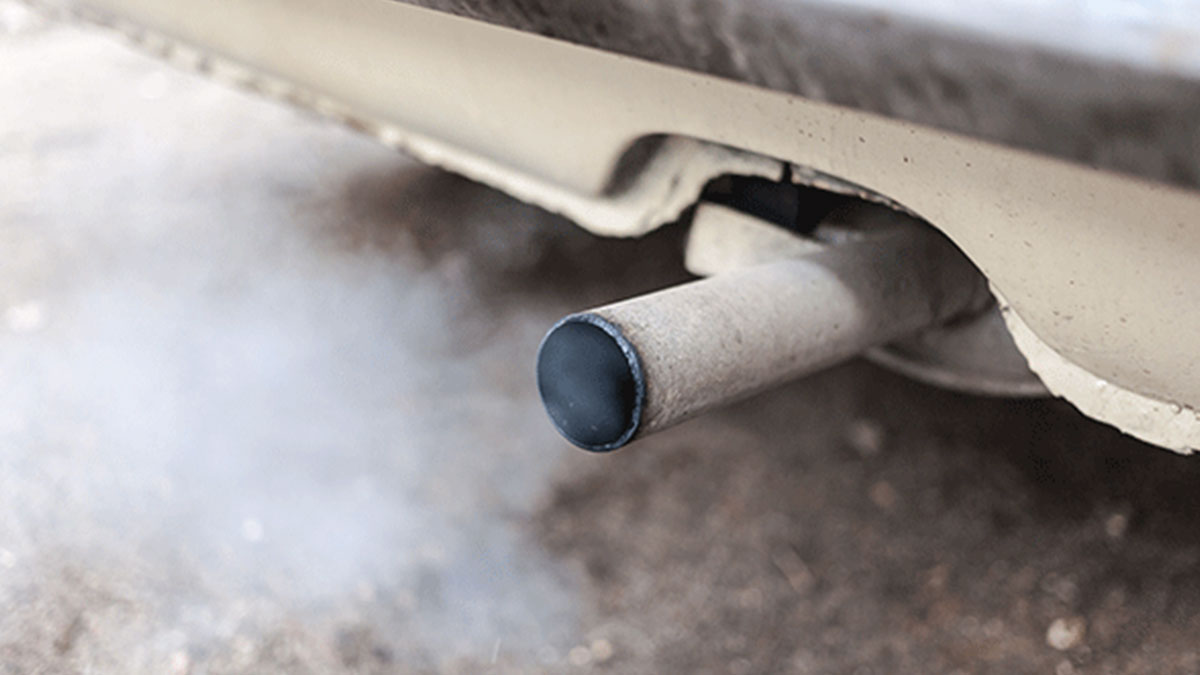
Blue Smoke From Exhaust
Blue smoke from the exhaust shows oil is burning inside the engine. This smoke is different from normal exhaust fumes. It often appears during startup or acceleration. Watching for blue smoke helps catch oil burning early.
Low Oil Levels
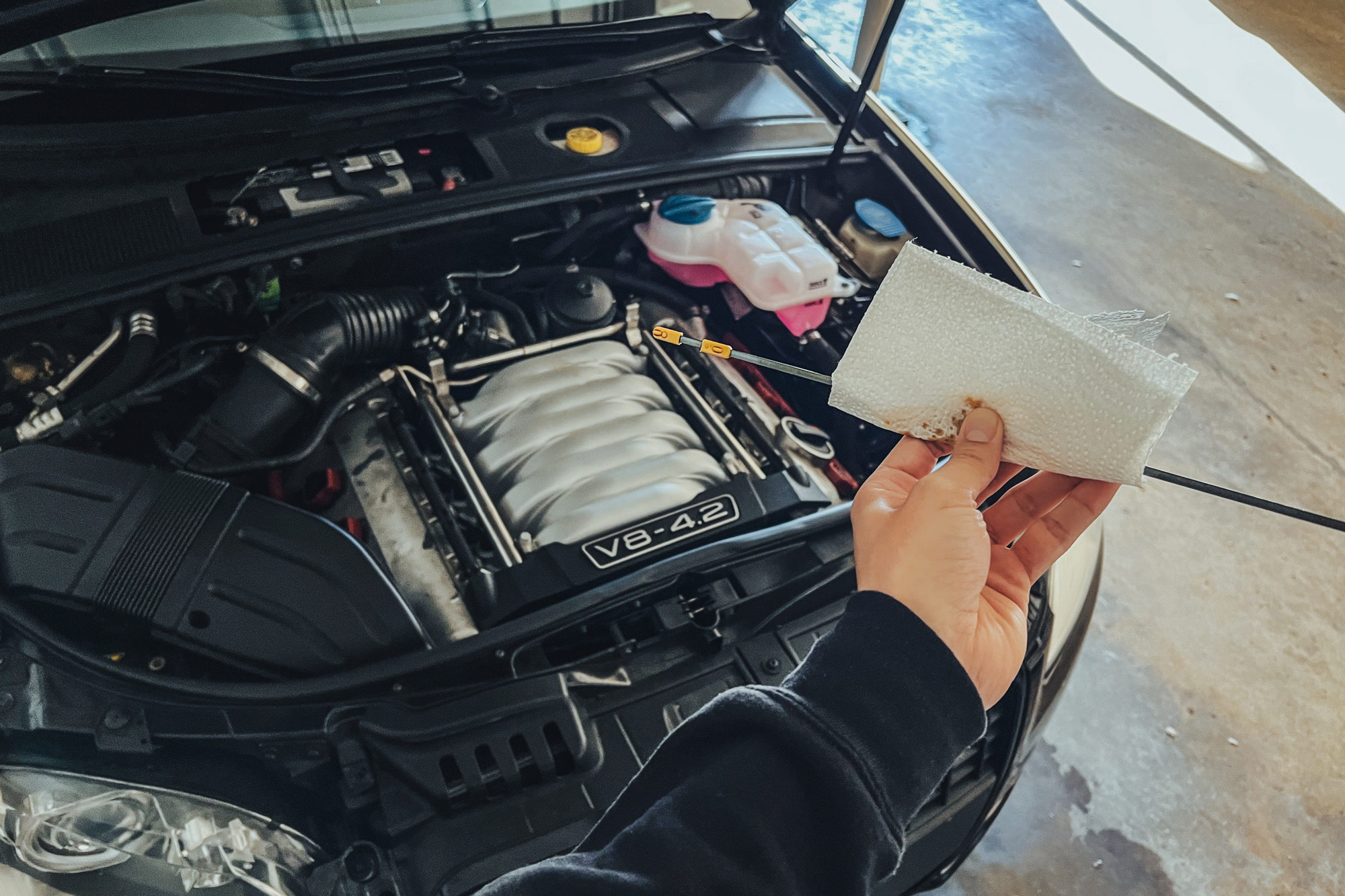
Oil levels drop faster if your car burns oil. Check the oil regularly using the dipstick. Low oil means oil is escaping or burning. Keep oil topped up to protect the engine.
Engine Performance Issues
Burning oil can cause engine problems. Your car may lose power or run rough. The engine might misfire or stall. Notice changes in how your car drives. These signs show oil burning may affect engine health.
Credit: blog.amsoil.com
DIY Fixes To Reduce Oil Burning
Burning oil can cause engine problems and increase costs. Some simple fixes can reduce oil burning at home. These fixes help your car run smoother and last longer. You do not need to be a mechanic to try them. Basic tools and some patience are enough.
Replacing Valve Seals
Valve seals stop oil from leaking into the engine. Old seals wear out and cause oil burning. Replacing them can reduce oil loss and smoke from the exhaust. This repair requires removing the valve cover and old seals. Use new seals that match your car model. This fix helps keep oil where it belongs.
Cleaning Or Replacing Pcv Valve
The PCV valve controls pressure in the engine. A clogged valve can increase oil burning. Cleaning or replacing the PCV valve is an easy fix. Remove the valve and check for dirt or damage. Replace it if cleaning does not help. A good PCV valve keeps your engine healthy and oil consumption low.
Using Oil Additives
Oil additives can help reduce oil burning temporarily. They improve oil thickness and seal small leaks. Choose additives made for your car’s engine type. Add them to your oil during an oil change. Additives do not fix all problems but can slow oil loss. Use them as a short-term solution.
Regular Oil Changes
Changing oil regularly keeps the engine clean and protected. Old oil breaks down and causes more oil burning. Follow your car’s manual for oil change intervals. Use the right oil grade for your engine. Fresh oil reduces friction and helps stop oil leaks. Regular changes improve engine life and reduce repair costs.
When To See A Mechanic
Knowing when to see a mechanic is key to stopping your car from burning oil. Some problems need expert attention fast. Ignoring signs can cause big damage and costly repairs. Watch for clear signals that your car needs a professional check.
Severe Engine Wear
Severe engine wear means parts inside the engine are damaged. This causes oil to leak or burn quickly. You might hear strange noises or see smoke from the exhaust. A mechanic can check engine parts and suggest repairs or replacements.
Persistent Oil Burning
Persistent oil burning happens if your car keeps using too much oil. This means the problem is not simple. It can harm the engine over time. A mechanic can find the root cause and fix it before damage grows.

Credit: www.youtube.com
Complex Repairs Needed
Some oil burning issues need complex repairs. This may include fixing valves, piston rings, or gaskets. These repairs require special tools and skills. A mechanic has the right knowledge to handle these jobs safely.
Preventive Tips To Avoid Oil Burning
Preventing your car from burning oil starts with smart habits. Small actions keep your engine healthy and save money. Following simple tips helps avoid costly repairs and keeps your car running smoothly.
Routine Maintenance
Regular car check-ups catch problems early. Change the oil and filter as your manual says. Clean engines work better and use less oil. Check spark plugs and air filters too. Worn parts can cause oil burning.
Choosing The Right Oil
Pick oil that fits your car’s needs. Use the grade recommended by the manufacturer. Thicker or thinner oil can harm engine parts. Quality oil protects your engine from wear. Good oil reduces the chance of burning.
Monitoring Oil Levels
Check oil levels often using the dipstick. Low oil causes engine damage and burning. Top up with the right oil type if needed. Watch for fast drops in oil levels. Such drops mean leaks or burning problems.
Credit: www.capitalone.com
Frequently Asked Questions
How Can I Tell If My Car Is Burning Oil?
Look for blue smoke from the exhaust and frequent oil top-ups. Check for oil spots under the car. Your engine may also run rough or emit burning smells. These signs indicate oil consumption issues requiring immediate attention.
What Causes A Car To Burn Oil Excessively?
Common causes include worn piston rings, valve seals, or damaged cylinder walls. Old or poor-quality oil and clogged PCV valves can worsen oil burning. Regular maintenance helps identify and prevent these issues early, reducing oil consumption.
How Often Should I Check My Car’s Oil Level?
Check your oil level at least once a month or before long trips. Frequent checks help detect oil loss early and prevent engine damage. Use the dipstick on a cold engine, parked on level ground, for accurate readings.
Can Changing Oil Type Reduce Oil Burning?
Switching to high-quality synthetic oil can reduce oil burning. Synthetic oils resist breakdown and maintain better lubrication. Always use oil recommended by your vehicle manufacturer to ensure optimal engine performance and lower oil consumption.
Conclusion
Stopping your car from burning oil saves money and protects the engine. Check oil levels often and fix leaks quickly. Use the right oil type and change it on time. Keep engine parts clean and replace worn seals or rings.
Small steps prevent big problems later. Stay alert to smoke or smells from the engine. Regular care helps your car run smooth and last longer. Take action early to avoid costly repairs. Simple habits make a big difference for your vehicle.