How to Buy a Donated Car: Where to Look and What to Check
A donated car is simply a used car that someone gave to a charity instead of trading it in or selling it privately — and most charities turn right around and sell it, either from their own lot or at auction, to raise money for their programs. That means you can often buy one for less than a comparable car from a private seller or a dealership, while the sale still supports a cause. The trade-off is that these cars are usually sold as-is, so knowing where to look, how the sale actually works, and what to check before you bid is what separates a genuine deal from a headache.
Two Ways to Buy a Donated Car: Retail Lot vs. Wholesale Auction
Not every donated car ends up in the same place, and the buying process is very different depending on which path a vehicle takes.
USEFUL FOR PRE-PURCHASE INSPECTIONS
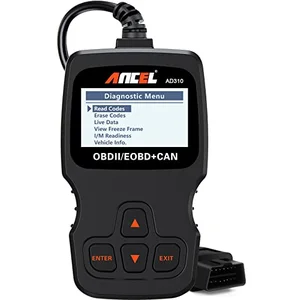 |
ANCEL AD310 Classic OBD2 Scanner – $29.99 Donated cars are sold as-is, so a $30 code reader lets you plug in before you bid and see if the check-engine light is masking a real problem.
|
Retail lots. Some charities keep their better donations, do basic repairs, and sell them directly to the public from their own lot at a fixed or lightly negotiable price. Good News Garage in New England and Goodwill Car Sales in a handful of regional Goodwill affiliates both work this way. You can usually see the car in person, take it for a test drive, and get a real vehicle history report before you commit — much closer to a normal used-car purchase.
Wholesale auctions. Vehicles that don’t fit a charity’s retail program — because they need too much work, or the charity doesn’t run its own lot — are typically routed to a wholesale auto auction such as Copart or IAA (Insurance Auto Auctions). Copart runs a timed, online-only bidding format it calls VB2, while IAA offers both live and online bidding. These auctions carry salvage, rebuilt, clean-title, and repossessed vehicles side by side, sold strictly as-is with no test drive. Many listings are open to dealers only, though public buyers can often bid through a licensed broker or a public-access account, and every sale adds buyer fees on top of the winning bid.
Where to Find Donated Cars for Sale
A handful of established charity vehicle programs are a better starting point than a random online search:
- Vehicles for Change – a Maryland-based nonprofit that has ASE-certified mechanics evaluate and restore donated cars, then sells them at affordable prices to income-qualified working families; anything not suitable for the program is sold at auction, with proceeds supporting the mission.
- Goodwill Car Sales / regional Goodwill lots – some Goodwill affiliates run their own public used-car lots stocked partly with donated vehicles, sold at posted prices with an in-person inspection available.
- Good News Garage – a New England nonprofit that repairs donated cars and grants (rather than sells) most of them to qualifying low-income families and individuals.
- CARS (Charitable Adult Rides & Services) – processes vehicle donations on behalf of thousands of charities nationwide and liquidates most of what it can’t use directly through wholesale auction partners.
- Local car-donation charity auctions – churches, veterans’ organizations, and community nonprofits sometimes hold their own periodic public auctions of donated vehicles; check local event listings and the charity’s own website for dates.
Before you register anywhere, search the organization’s name plus “reviews” or “complaints,” and confirm it’s a registered 501(c)(3) using the IRS Tax Exempt Organization Search tool. Compare prices for the same make and model across a couple of sources before you commit to one.
How to Research the Vehicle Before You Bid or Buy
Pull the title history first. Get the VIN and run a Carfax or AutoCheck report if the seller doesn’t already provide one. Look specifically for the title’s brand status — clean, salvage, rebuilt, or parts-only — not just for past accidents. This matters more with donated cars than with a typical used car: a vehicle that was too damaged for a charity to repair and resell often gets routed straight to a salvage auction, so a meaningful share of what shows up at Copart or IAA carries a salvage or rebuilt brand. A salvage-titled car can still be a fine deal at the right price, but it will usually be harder to insure and finance, and it needs a state inspection before it can be re-titled as roadworthy in most states.
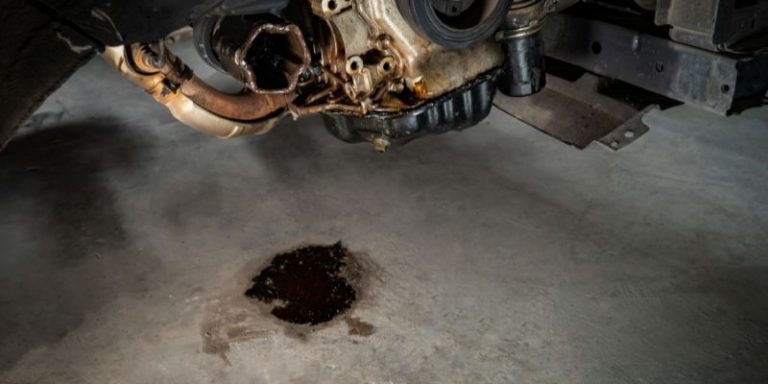
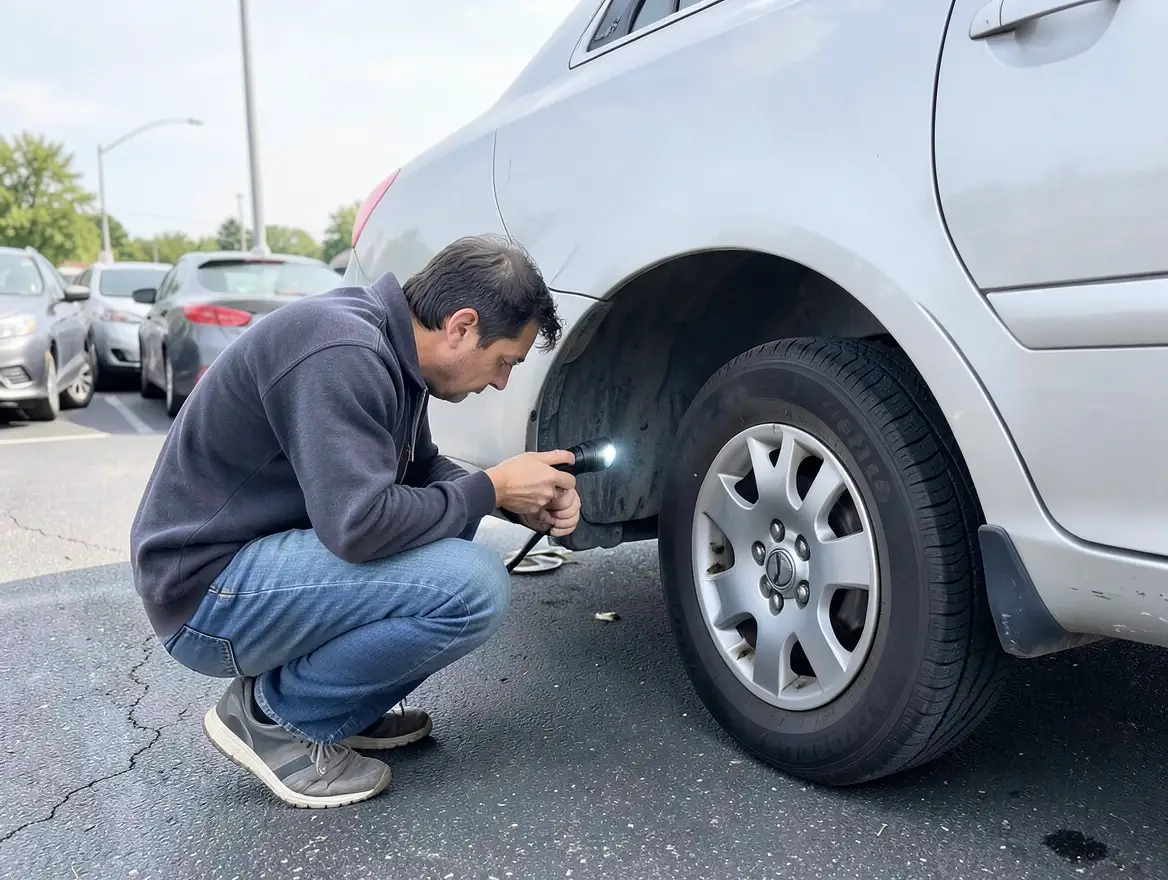
Inspect what you can see and touch. Walk the body panels for rust and mismatched paint, check underneath for fluid leaks, look at tire wear patterns, and test every light and signal. Open the hood and check fluid levels and belt condition. If the venue allows it, plug in a code reader (see the pick above) to check for stored engine codes — many charity and auction listings note “runs and drives” without saying whether the check-engine light is on. If you can’t inspect the car in person, at minimum ask for recent photos of the undercarriage, engine bay, and odometer, and factor a post-purchase mechanic inspection into your budget.
How Charity Car Auctions Work
Set your top price before the auction starts, and don’t decide it in the moment — auction pace makes it easy to bid past what a car is actually worth. Read the auction’s own rules first: most require pre-registration, some require a refundable deposit before you’re allowed to bid, and nearly all charity and salvage auctions sell vehicles “as-is, where-is” with no warranty and no guaranteed test drive. Payment is typically due in full the same day or within 24 to 48 hours, often by cashier’s check or wire transfer rather than a personal check. If you’re bidding through Copart or IAA specifically, confirm whether the listing requires a dealer license or is open to public/broker bidding, and budget for the buyer’s fee, any gate or storage fees, and transport if the vehicle isn’t drivable off the lot.
Financing a Donated Car Purchase
Set a real budget first, including insurance, an inspection, and likely near-term repairs, not just the winning bid or sticker price. Many charity retail lots and some public-facing auctions accept standard auto financing from a bank or credit union, and it’s worth getting pre-approved before you shop so you know your rate and limit going in. Straight wholesale salvage auctions are a different story: most, including Copart and IAA, require payment in full and generally don’t finance the purchase directly, so plan on cash, a cashier’s check, or a personal loan arranged in advance rather than counting on financing at the auction itself.
Title Transfer and Registration After You Buy
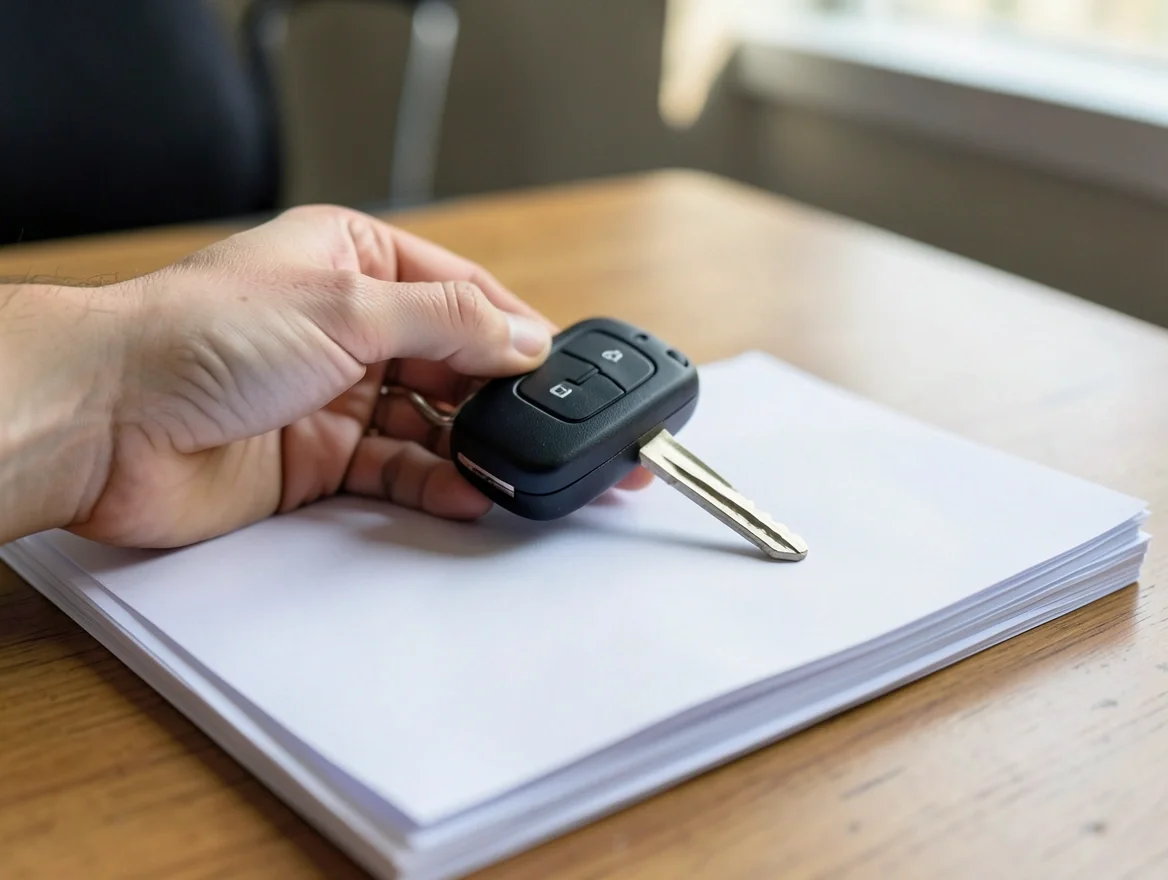
Check the title for errors before you pay, and make sure the seller’s name matches the seller signing it over to you. Bring the signed title, a bill of sale, proof of insurance, and your ID to the DMV to complete the transfer and pay any title and registration fees. If the title is branded salvage or rebuilt, ask ahead of time what your state requires — usually a VIN verification and a state safety or emissions inspection — before the DMV will issue a roadworthy registration. Keep every document from the sale, including any auction receipt or charity bill of sale, in case you need to prove the chain of ownership later.
Negotiating the Purchase
Negotiation mostly applies to charity retail lots with posted prices, not to auctions, where the highest bid simply wins. On a retail lot, research the car’s market value first using a pricing guide for the mileage and condition, then make a lower opening offer backed by something specific — worn tires, an upcoming service item, a small paint chip — rather than a vague “can you do better.” Confirm the title is clean or clearly disclosed as branded before you agree on a number, and pay only after you have every document in hand. Use a cashier’s check or an escrow-style payment method rather than cash for anything beyond a small deposit.
What to Do After You Buy the Car
Keep the title, bill of sale, and any maintenance records from the previous owner or charity together in one place — you’ll want them for registration and for any future repairs. Double-check that the VIN on the title, the dashboard, and the door jamb sticker all match before you insure the car. Get insurance in place before you drive it home, and schedule a full inspection with your own mechanic in the first week or two even if you checked the car yourself at the sale — it’s the cheapest way to catch anything you missed. From there, treat it like any other used car: check oil and tire pressure monthly, replace the air filter on schedule, and start a simple maintenance log.
Frequently Asked Questions
Can I Get a Tax Deduction for Buying a Donated Car?
No. The charitable tax deduction belongs to whoever originally donated the vehicle to the charity, not to you as the buyer — buying a car, even from a nonprofit, is a normal purchase with no charitable deduction attached. For context, the donor’s deduction is usually limited to the actual gross amount the charity sells the car for, which the charity reports to the donor on IRS Form 1098-C; if the car sells for $500 or less, the donor can generally deduct the lesser of $500 or the car’s fair market value instead. As a buyer, the only tax-related paperwork you need is the signed title, bill of sale, and whatever your state requires for sales tax and registration.
Is a Free Charity Car Real?
Yes. A number of nonprofits, including Good News Garage and similar regional programs, give away (rather than sell) restored donated cars to qualifying applicants. Eligibility is usually based on income, employment status or an active job offer, and sometimes veteran or disability status. Always verify a program directly through its own official website before applying, since the space also attracts scam sites that copy legitimate charities’ names.
What Does the Salvation Army Do With Donated Cars?
The Salvation Army sells most donated vehicles, typically through an auction partner, and uses the proceeds to fund community programs such as addiction recovery, job training, and housing assistance. Donors receive the standard IRS car-donation tax paperwork; as a buyer, you’d encounter these vehicles at whichever auction house the local Salvation Army branch uses, not through a direct sale from the charity itself.
Do Car Dealerships Ever Donate Cars?
Yes, though it’s inconsistent and depends entirely on an individual dealership’s policies and local community ties. Some dealerships donate trade-in vehicles to local charities or partner with nonprofits for specific giveaway events, but there’s no industry-wide program. If you’re looking for a donated car this way, contact dealerships in your area directly and ask about any charitable giveaway programs they run.
Do Donated Cars Come With a Warranty?
Almost never. Wholesale and salvage auctions like Copart and IAA sell strictly as-is, and even charity retail lots that offer a short courtesy inspection period rarely provide a formal warranty. Budget for a post-purchase mechanic inspection and treat the purchase price as the full cost of the car, not a discount off a warrantied one.
Conclusion
Buying a donated car can genuinely be a good deal, but it works best when you treat it like the used-car purchase it is: know whether you’re buying from a retail lot or a wholesale auction, pull the title history and check for a salvage brand, inspect the car (or get real photos and a code check) before you commit, and keep every document from the sale. Do that, and you get a lower-cost car while the money still goes to a cause you support.
Products related to this article
Sponsored / affiliate links. As an Amazon Associate I earn from qualifying purchases. I may earn additional commission from eligible campaigns.